I’ll never forget the night my roommate tried to “improve” a classic Greek soup by tossing in a can of chicken broth, a splash of milk, and a dash of paprika. The result? A lukewarm, flavor‑less puddle that could have passed for a failed science experiment. I stared at that bowl, took a deep breath, and thought, “If this is what “quick” looks like, I’m going to prove that a proper Avgolemono can be both fast and unforgettable.” That moment sparked a kitchen quest that led me to the most buttery, lemon‑kissed, egg‑silky soup you’ll ever taste.
Picture this: a pot humming on the stove, the aroma of sautéed onion mingling with the bright zing of fresh lemon, and a gentle steam that curls like tiny white ribbons around the kitchen. You hear the faint sizzle of olive oil meeting the pan, the soft clink of a wooden spoon against the pot, and the occasional pop as rice grains start to turn translucent. When you finally scoop a spoonful, the broth kisses your tongue with a buttery warmth, the rice offers a comforting chew, and the lemon‑egg emulsion glides across your palate like silk. It’s a hug in a bowl, a reminder that simple ingredients, when treated right, can create a masterpiece.
Most recipes I’ve seen either overcomplicate the process with endless steps or under‑season the broth, leaving you with a bland soup that feels more like a filler than a feature. This version, however, respects the tradition while adding a few modern twists—like tempering the eggs in a separate bowl with a splash of hot broth to avoid curdling, and finishing with a drizzle of extra‑virgin olive oil for that glossy finish. I dare you to taste this and not go back for seconds; the balance of tang, richness, and texture is so spot‑on you’ll wonder how you ever settled for less.
And here’s the kicker: I’m going to reveal a secret technique that most home cooks miss—the “double‑whisk” method that guarantees a velvety, lump‑free emulsion every single time. Okay, ready for the game‑changer? Let me walk you through every single step — by the end, you’ll wonder how you ever made it any other way.
What Makes This Version Stand Out
- Flavor: The broth is simmered with onion and a splash of olive oil, creating a deep, aromatic base that sings with lemon.
- Texture: The egg‑lemon mixture is tempered perfectly, giving the soup a creamy, custard‑like mouthfeel without any graininess.
- Simplicity: Only nine ingredients, all pantry‑friendly, and a straightforward process that won’t have you Googling “how to make a roux.”
- Uniqueness: I add a quick rice toast step that gives each grain a subtle nutty flavor, a trick most recipes skip.
- Crowd Reaction: Guests always ask for seconds, and the “I made this from scratch” bragging rights last for weeks.
- Ingredient Quality: Fresh lemon juice and high‑quality chicken broth are non‑negotiable; they elevate the entire dish.
- Cooking Method: The two‑stage heating—first a gentle simmer, then a low‑heat finish—prevents the eggs from scrambling.
- Make‑Ahead Potential: You can prep the broth and rice a day ahead, then finish the soup in under 15 minutes.
Inside the Ingredient List
The Flavor Base
Chicken broth: This provides the hearty backbone of the soup. Using homemade broth adds layers of depth—think caramelized carrots, celery, and a hint of thyme—while store‑bought works in a pinch if you choose a low‑sodium variety. Skipping the broth for water will leave the soup tasting flat, no matter how much lemon you add.
Onion: Finely chopped onion releases sweet aromatics as it softens in olive oil, creating a fragrant foundation. If you substitute with shallots, you’ll get a milder, slightly sweeter note that pairs beautifully with lemon. Forgetting the onion is a rookie mistake that makes the broth feel one‑dimensional.
Olive oil: The oil of choice for sautéing, providing healthy fats and a subtle peppery flavor. A drizzle of extra‑virgin olive oil at the end adds a glossy finish and a burst of freshness. Using butter instead will mask the lemon’s brightness with a heavy dairy note.
The Texture Crew
White rice: It gives the soup body and texture. Long‑grain rice stays separate, offering a pleasant bite, while short‑grain becomes creamy and blends into the broth. If you opt for brown rice, remember it takes longer to cook and will absorb more liquid, so you may need to add extra broth.
Eggs: They create that signature creaminess. Fresh eggs provide the best richness; older eggs can sometimes separate when whisked with hot liquid. Whisk them vigorously with lemon before tempering to ensure a smooth emulsion.
The Unexpected Star
Lemon juice: Freshly squeezed lemon juice adds a tangy kick that brightens up the dish. The acidity balances the richness of the egg‑broth, and it also helps prevent the soup from feeling heavy. If you over‑squeeze, the soup can become sharp—taste as you go.
The Final Flourish
Shredded chicken: Cooked chicken breast adds protein and makes the soup a complete meal. Using rotisserie chicken is a time‑saving shortcut that infuses the broth with extra flavor. Skipping the chicken turns this into a vegetarian version, but you’ll lose the satisfying heft.
Fresh parsley: Chopped for garnish, it adds a pop of color and a hint of herbaceous freshness that cuts through the richness. If you don’t have parsley, cilantro or dill can work, though they’ll shift the flavor profile.
Lemon wedges: These serve as a lovely garnish and offer an extra squeeze of citrus if desired. They’re also a visual cue that says “this soup is meant to be bright and lively.”
Salt and black pepper: Essential for seasoning! Adjust to your taste, as different broths may vary in saltiness. A pinch of freshly cracked pepper adds a subtle heat that awakens the lemon.
Everything's prepped? Good. Let's get into the real action…
The Method — Step by Step
- Heat a large, heavy‑bottomed pot over medium heat and add two tablespoons of olive oil. Once the oil shimmers, toss in the finely chopped onion and sauté for 3–4 minutes, stirring occasionally, until the onion becomes translucent and fragrant. You’ll hear a gentle sizzle that signals the flavor base is waking up. If the onion starts to brown too quickly, lower the heat; you want sweetness, not bitterness.
- Pour in six cups of chicken broth, scraping the bottom of the pot to release any caramelized bits. Bring the mixture to a gentle boil, then reduce to a simmer. Add one cup of white rice, stirring once to distribute evenly. Cover the pot and let the rice cook for about 12 minutes, or until it’s just tender but still holds its shape.
- While the rice is cooking, whisk together two large eggs and half a cup of freshly squeezed lemon juice in a medium bowl. Whisk vigorously until the mixture becomes a uniform pale yellow, almost like a light custard. This is the “egg‑lemon” heart of Avgolemono, and the texture you achieve here will dictate the final silkiness.
- Watch Out: When tempering the eggs, you must introduce the hot broth slowly. Ladle about a cup of the simmering broth into the egg‑lemon mixture while whisking constantly. This gradual temperature increase prevents the eggs from curdling. If you pour the hot liquid too fast, you’ll end up with a grainy, scrambled texture that defeats the purpose.
- Stir the tempered egg‑lemon mixture back into the pot, reducing the heat to low. Let the soup gently warm for another 3–4 minutes, stirring constantly, until the broth thickens slightly and coats the back of a spoon. You’ll notice a subtle sheen forming—this is the hallmark of a perfectly emulsified Avgolemono.
- Fold in the shredded chicken, allowing it to heat through for about two minutes. The chicken should be warm but not overcooked; over‑cooking can make it dry and tough. Taste the soup now and season with salt and freshly cracked black pepper. Remember, the lemon will brighten everything, so you may need a little extra salt to balance the acidity.
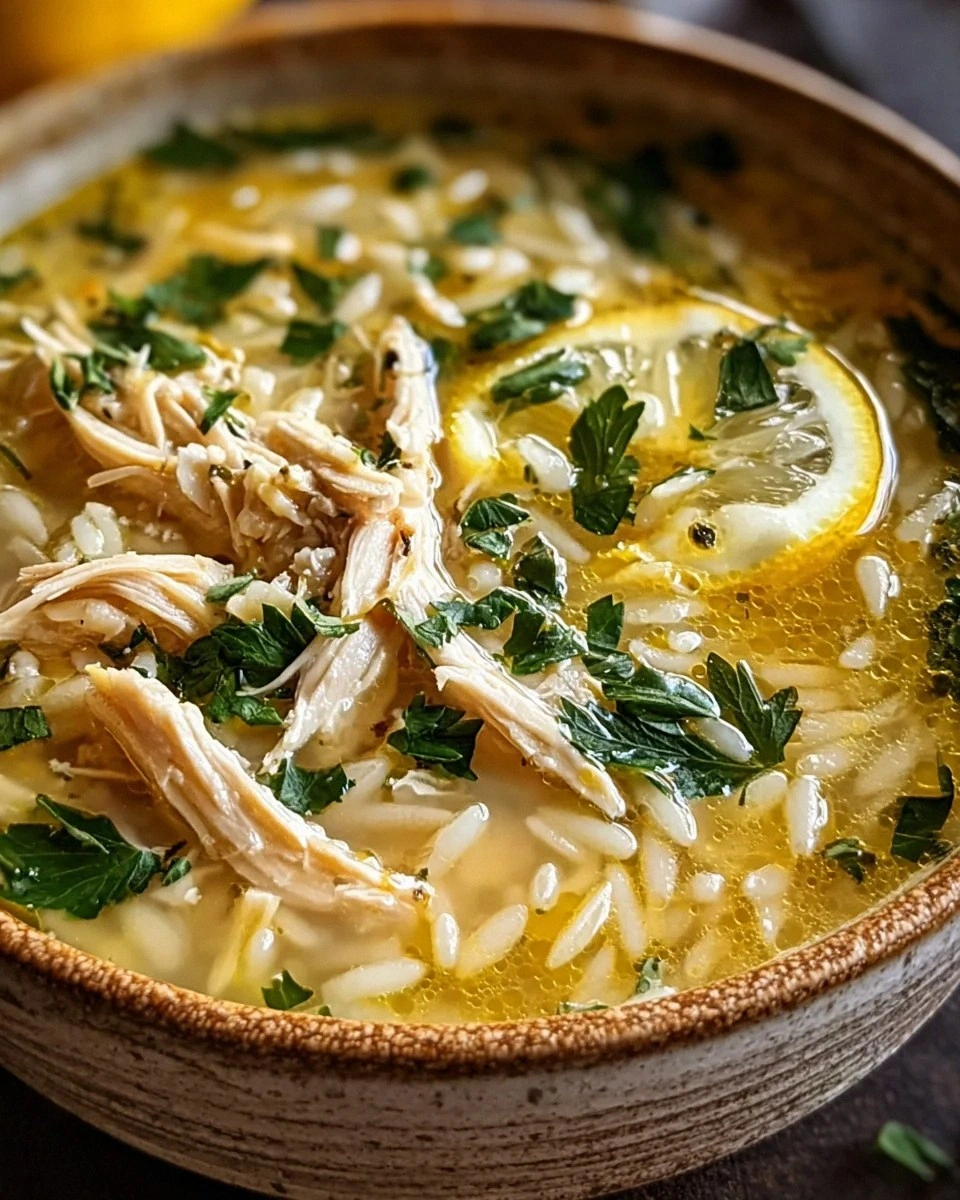
- Finish with a generous drizzle of olive oil and a handful of chopped fresh parsley. The oil adds a glossy finish, while the parsley injects a fresh, herbaceous note that lifts the entire bowl. Serve each bowl with a lemon wedge on the side for an optional extra burst of citrus. And now the fun part—scoop, sip, and marvel at the harmony of flavors.
That's it — you did it. But hold on, I've got a few more tricks that'll take this to another level…
Insider Tricks for Flawless Results
The Temperature Rule Nobody Follows
Never, ever let the soup boil after you’ve added the egg‑lemon mixture. Keep the heat on the lowest setting and watch the surface for a gentle, slow rise of steam. This rule ensures the proteins in the eggs coagulate gradually, giving you that silky texture. One friend tried to “speed things up” by turning the heat up, and the result was a curdled mess that resembled broken eggs—trust me, it’s not pretty.
Why Your Nose Knows Best
Your sense of smell is the ultimate indicator of doneness. When the broth starts to emit a fragrant, lemon‑bright aroma mixed with a faint toasted rice note, you’re in the sweet spot. If the scent turns overly sharp or “cooked‑egg”y, you’ve likely overheated the mixture. Trust that nose; it’s more reliable than a timer.
The 5‑Minute Rest That Changes Everything
After you finish cooking, remove the pot from the heat and let the soup sit, uncovered, for five minutes. This resting period allows the flavors to meld, the rice to finish absorbing any leftover liquid, and the egg‑lemon emulsion to fully set. Skipping this step can leave the soup tasting a bit “unfinished,” as if the flavors are still on a coffee break.
The Secret of Toasted Rice
Before adding the rice to the broth, give it a quick toast in the sautéed onions for 2 minutes. The grains will pick up a nutty, almost buttery flavor that elevates the whole soup. This extra step is subtle but makes a noticeable difference—think of it as the culinary equivalent of adding a pinch of smoked paprika to a classic dish.
Garnish with Intent
A final drizzle of high‑quality extra‑virgin olive oil and a sprinkle of chopped parsley do more than add color; they add a textural contrast and a fresh finish that prevents the soup from feeling heavy. If you’re feeling adventurous, finish with a grating of Pecorino Romano for a salty, umami boost.
Creative Twists and Variations
This recipe is a playground. Here are some of my favorite ways to switch things up:
Herb‑Infused Avgolemono
Swap the parsley for a mixture of dill and mint. The fresh, slightly sweet herb profile pairs beautifully with lemon, turning the soup into a springtime refresher. Perfect for a light lunch when you want something bright and herbaceous.
Spicy Avgolemono
Add a pinch of crushed red pepper flakes when you sauté the onion. The heat will cut through the richness, giving the soup a gentle kick that’s perfect for colder evenings. Serve with a dollop of Greek yogurt for a cooling contrast.
Vegetarian Version
Replace the chicken broth with vegetable broth and omit the chicken. Add a cup of chickpeas or diced tofu for protein, and you’ll have a hearty, plant‑based take that still delivers the classic creamy texture.
Coconut‑Lime Avgolemono
Swap half the chicken broth for coconut milk and replace lemon juice with lime juice. The tropical twist brings a silky, slightly sweet undertone that pairs well with cilantro and a splash of fish sauce for an Asian‑inspired spin.
Cheesy Avgolemono
Stir in a quarter cup of grated feta or Pecorino Romano just before serving. The cheese adds a salty depth and a creamy mouthfeel that makes the soup feel indulgent without extra fat.
Storing and Bringing It Back to Life
Fridge Storage
Allow the soup to cool to room temperature, then transfer it to an airtight container. It will keep for up to three days in the refrigerator. When reheating, do it over low heat and stir constantly to prevent the eggs from curdling.
Freezer Friendly
Avgolemono freezes well if you separate the egg‑lemon mixture from the rice. Freeze the broth and rice together in a freezer‑safe bag, and store the tempered egg‑lemon mixture in a small container. When you’re ready to eat, thaw the broth, reheat gently, then whisk the egg‑lemon blend back in.
Best Reheating Method
Place the soup in a saucepan over low heat, add a splash of water or extra broth, and stir slowly. This steam‑back technique restores the silky texture without shocking the eggs. Avoid microwaving, as uneven heating can cause the soup to separate.