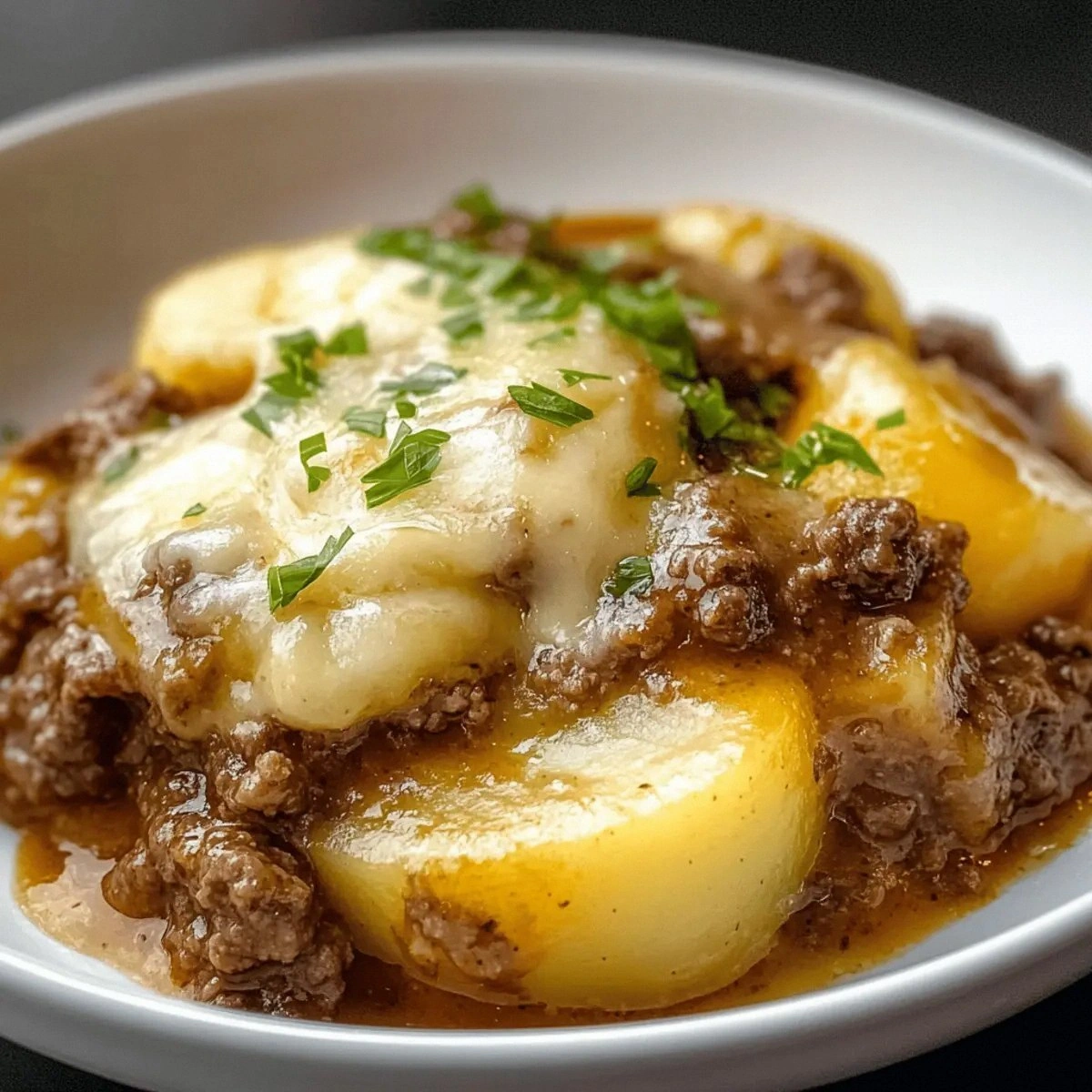
I still remember the first time I made these cheesy garlic mashed potatoes. It was supposed to be a simple side dish for a family dinner, but what happened next changed my entire relationship with mashed potatoes forever. You see, I had this brilliant idea to roast an entire head of garlic until it turned into sweet, caramelized magic, then fold it into Yukon Gold potatoes with an obscene amount of sharp cheddar. The kitchen smelled so incredible that my neighbors actually knocked on my door to see what I was making. By the time dinner rolled around, I'd already eaten half the batch straight from the pot, standing at my kitchen counter with a wooden spoon in hand, completely unable to stop myself.
Here's the thing about most mashed potato recipes—they're boring, bland, and about as exciting as watching paint dry. They're the side dish you skip at potlucks, the afterthought next to the main course. But these? These are the Beyoncé of mashed potatoes. They're creamy without being gluey, garlicky without overwhelming your palate, and cheesy in a way that makes you want to write poetry about them. The secret lies in the technique, not just the ingredients, and once you understand why each step matters, you'll never go back to those sad, lumpy potatoes of your past.
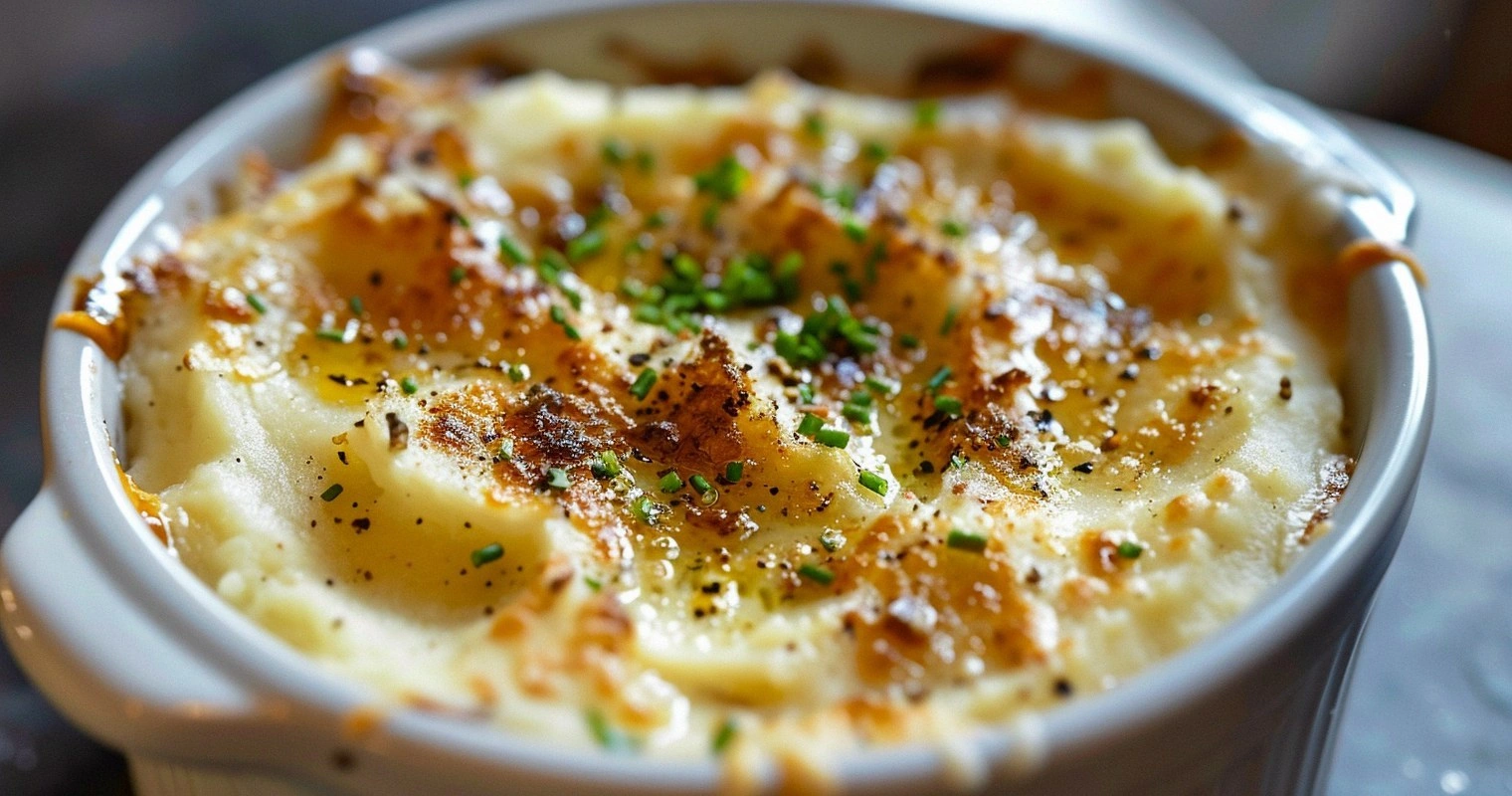
Picture this: It's Thanksgiving morning, you're juggling a million dishes, and your cousin shows up with their new partner who's vegetarian and lactose intolerant. These cheesy garlic mashed potatoes become your secret weapon, the dish that makes everyone forget about turkey altogether. The way the cheese creates these stretchy, melty strands when you lift a spoonful, how the roasted garlic melts seamlessly into the potatoes, creating this depth of flavor that makes people close their eyes and sigh with satisfaction. That sizzle when the butter hits the warm potatoes? Absolute perfection.
Okay, ready for the game-changer? Most recipes get this completely wrong. They boil the garlic with the potatoes, resulting in harsh, bitter bits that ruin the whole dish. Or they use raw garlic, which is like inviting a bull into a china shop. The trick is roasting the garlic until it becomes sweet and mellow, almost nutty in flavor. And here's the part that'll make you a legend at potlucks: we're using three different types of potatoes for the perfect texture, plus a blend of cheeses that creates layers of flavor. Stay with me here — this is worth it. Let me walk you through every single step — by the end, you'll wonder how you ever made it any other way.
What Makes This Version Stand Out
Triple-Threat Texture: We're combining starchy Russets, waxy Yukon Golds, and creamy Red potatoes to create the perfect balance. The Russets break down into fluffy clouds, the Yukons bring buttery richness, and the Reds add structure so your potatoes don't turn into wallpaper paste. Most recipes tell you to use just one type, but that single decision is why your mashed potatoes have been falling flat.
Roasted Garlic Revolution: Instead of raw or boiled garlic that punches you in the face, we slow-roast a whole head until it becomes sweet, mellow, and spreadable like butter. This transforms the dish from aggressive and one-note to complex and sophisticated. That deep, caramelized flavor permeates every bite without overwhelming your palate.
Cheese Strategy: Sharp cheddar for tang, Parmesan for umami depth, and a touch of cream cheese for silkiness. This isn't just about throwing cheese at potatoes and hoping for the best. Each cheese plays a specific role, melting at different rates and temperatures to create a sauce that coats every potato chunk like velvet.
Temperature Precision: Starting potatoes in cold, heavily salted water ensures even cooking from the inside out. No more crunchy centers or disintegrated edges. Plus, we'll finish with warm dairy to prevent the dreaded temperature shock that turns your beautiful mash into gluey disappointment.
Make-Ahead Magic: These actually taste better when made a day ahead. The flavors meld and deepen overnight, and you can reheat them gently without losing that creamy texture. Perfect for holidays when you're juggling seventeen other dishes and your sanity is hanging by a thread.
Crowd Psychology: People who claim they don't like mashed potatoes will ask for seconds. Vegetarians will want the recipe. Your picky nephew will suddenly become a food critic, describing the "notes of roasted garlic" between mouthfuls. This dish has converted more mashed potato skeptics than I can count.
Leftover Potential: These transform into incredible potato cakes, soup thickeners, or the base for shepherd's pie. Unlike regular mashed potatoes that become sad and watery, these actually improve with age like a fine wine. Well, maybe not that dramatic, but you get the idea.
Inside the Ingredient List
The Potato Trinity
Let's talk potatoes, because this is where most people mess up. You can't just grab any old bag and expect miracles. The Russet Burbank potatoes are your fluffy foundation—they're high in starch and low in moisture, which means they break down into that cloud-like texture we're after. The Yukon Golds bring natural buttery flavor and a beautiful golden color that makes these look like sunshine on a plate. Then there are the Red Bliss potatoes, your insurance policy against gumminess. They hold their shape just enough to give you some texture variety, preventing the whole dish from becoming baby food.
Size matters here too. You want potatoes that are roughly the same size so they cook evenly. Those giant Russets that look like footballs? Skip them. They cook unevenly and you'll end up with raw centers. Go for medium potatoes about the size of your fist. And please, for the love of all that's holy, don't peel them until after they're cooked. The skins protect the potatoes from water absorption, keeping them fluffy instead of waterlogged.
The Flavor Foundation
That head of garlic isn't just for show. When you roast garlic, something magical called the Maillard reaction happens. The heat transforms the harsh, pungent compounds into sweet, nutty flavors that taste nothing like raw garlic. We're talking about 40 cloves here, but don't panic—they'll mellow into the most incredible savory depth. The key is wrapping them tightly in foil with olive oil so they steam and caramelize simultaneously.
Butter isn't just butter in this recipe. We're using European-style butter with higher fat content (82% versus 80% in regular butter) for richer flavor and silkier texture. It costs a bit more, but this isn't the place to cheap out. The butter gets melted and browned slightly, adding nutty notes that complement the roasted garlic perfectly. That foam that rises to the top when browning? That's milk solids toasting, and it's liquid gold.
The Texture Crew
Heavy cream gets all the attention, but we're using a combination of cream and whole milk for the perfect consistency. Straight cream makes potatoes too rich and heavy, while all milk lacks that luxurious mouthfeel. The ratio is crucial: two parts milk to one part cream gives you richness without overwhelming the potato flavor. Both get warmed with the butter so they incorporate seamlessly without cooling down our perfectly hot potatoes.
Cream cheese is our secret weapon for stability. It melts smoothly and helps emulsify the sauce, preventing that dreaded separation that happens when potatoes cool. Use the full-fat version—this is comfort food, not diet food. The slight tang also brightens all that richness, keeping the dish from becoming a one-note dairy bomb.
The Unexpected Star
Here's where things get interesting. We're adding a touch of Dijon mustard—not enough to taste it, just enough to add complexity and depth. It brightens all those rich flavors and adds a subtle sharpness that makes people ask "what's in these?" in the best way possible. It's like adding a squeeze of lemon without the acidity.
Nutmet might seem weird in savory potatoes, but it's a classic French technique that works magic. Just a whisper enhances the natural sweetness of the potatoes and makes the cheese taste more complex. Use fresh-grated if you can—pre-ground nutmeg tastes like sawdust. One quick grate across the microplane is all you need.
The Final Flourish
The cheese blend is where personality comes in. Sharp white cheddar brings that classic mac-and-cheese nostalgia, while aged Gruyere adds nutty sophistication. A handful of grated Parmigiano-Reggiano provides umami depth and helps bind everything together. The key is grating your own cheese—pre-shredded cheese is coated with cellulose that prevents smooth melting and leaves a gritty texture.
Fresh chives aren't just garnish—they add a bright, oniony pop that cuts through all that richness. Chop them right before serving so they stay vibrant green. If chives aren't available, thinly sliced scallion greens work beautifully. Just avoid dried herbs; they taste like hay and will ruin all your hard work.
Everything's prepped? Good. Let's get into the real action...
The Method — Step by Step
- Start with the garlic because this takes the longest. Preheat your oven to 400°F. Take a whole head of garlic and slice off the top quarter to expose all the cloves. Drizzle generously with olive oil—don't be shy here, we want every clove swimming in it. Wrap tightly in aluminum foil, place on a baking sheet, and roast for 40-45 minutes until the cloves are caramel-colored and soft as butter. Your kitchen will start smelling like garlic bread and neighbors may spontaneously appear at your door.
- While the garlic roasts, prep your potatoes. Scrub them well but don't peel—the skins protect against water absorption and add nutrients. Cut any large potatoes in half so everything's roughly the same size. Place them in your largest pot and cover with cold water by about an inch. Add salt until the water tastes like the sea—this is your only chance to season the potatoes themselves. Bring to a boil over high heat, then reduce to a gentle simmer and cook until a knife slides through with no resistance, about 20-25 minutes depending on size.
- Here's the critical part: drain the potatoes immediately but don't let them sit. Return them to the hot pot and place back on the burner for 30 seconds, shaking gently. This dries out excess moisture so your potatoes aren't watery. Remove from heat and cover with a clean kitchen towel for 5 minutes. The towel absorbs steam while the potatoes stay hot. Now's when you can peel them—the skins slip right off, but honestly, leaving some skin on adds great texture and rustic appeal.
- Time to rice or mash. If you have a potato ricer, use it—it's the secret to restaurant-quality texture. No ricer? A regular masher works, just don't over-mash or you'll develop too much starch and end up with glue. Press or mash just until no large chunks remain. The potatoes should still look fluffy and light, not dense and pasty. This next part? Pure magic.
- Squeeze the roasted garlic cloves directly into the warm potatoes. They'll pop out like toothpaste—just pinch the base and they slide right out. Add 4 tablespoons of your browned butter (save the rest for later) and start folding everything together gently. The warmth of the potatoes will melt everything perfectly. Don't stir vigorously—think of it like folding egg whites, you want to maintain that airy texture.
- Warm your dairy gently in a small saucepan. Heat the milk and cream until just steaming—you should see tiny bubbles around the edges but it shouldn't boil. This prevents temperature shock that turns potatoes gummy. Add the Dijon, nutmeg, and a generous amount of black pepper. The warmth helps bloom the nutmeg and meld the flavors. Keep this warm on the lowest heat setting.
- Now for the cheese strategy. Add the cream cheese first, cutting it into small pieces so it melts evenly. Fold gently until mostly incorporated, then add your warm dairy mixture in three additions, stirring just until combined after each. The potatoes should start looking glossy and smooth. If they seem too thick, add more warm milk a tablespoon at a time.
- Here's where timing matters. Fold in the cheddar and Gruyere off the heat—the residual warmth will melt them perfectly without breaking the sauce. Add the Parmesan last—it has less fat and melts quickly. The potatoes should be so creamy they form soft peaks when you lift your spoon. Taste and adjust salt—roasted garlic adds sweetness, so you might need more salt than expected. And now the fun part: serve immediately or keep warm in a slow cooker for up to 2 hours, stirring occasionally.
- If you're making these ahead, transfer to a buttered baking dish, cool completely, then refrigerate. To reheat, bring to room temperature for 30 minutes, then warm in a 350°F oven for about 25 minutes, stirring halfway through. Add a splash of warm milk if they seem dry. They'll taste even better than the first day—the flavors meld into something transcendent.
That's it—you did it. But hold on, I've got a few more tricks that'll take this to another level...
Insider Tricks for Flawless Results
The Temperature Rule Nobody Follows
Here's where most home cooks go wrong: they mash cold potatoes with cold dairy and wonder why the texture is off. Every component needs to be warm for proper emulsification. Your potatoes should be steaming hot, your butter melted and warm, your dairy heated to just steaming. When everything's the same temperature, they marry together into silky perfection instead of seizing up into a chunky mess.
I learned this the hard way when I tried to shortcut the process for a dinner party. The potatoes looked fine initially but turned into concrete as they cooled. Now I keep everything warm in different pans on the stove, ready to combine at the perfect moment. It's like conducting an orchestra—every element needs to be in harmony for the magic to happen.
Why Your Nose Knows Best
That moment when the roasted garlic hits the warm potatoes? Stop and smell it. Really smell it. You should get waves of sweetness, nuttiness, and something almost caramel-like. If it smells harsh or raw, your garlic needs more roasting time. The same goes for the cheese—when properly incorporated, it should smell comforting and rich, not sharp or acidic.
Our sense of smell is actually more reliable than taste for detecting when things are going right or wrong. When the cheese starts to smell like movie theater popcorn, you know it's melting perfectly. When the butter browns, you'll smell hazelnuts and toffee—that's your cue to pull it off the heat immediately before it burns.
The 5-Minute Rest That Changes Everything
After you've mixed everything together, walk away for five minutes. Seriously, set a timer and resist the urge to fuss. During this rest, the starches relax, the cheese finishes melting, and everything settles into perfect harmony. It's like letting a steak rest—the difference is dramatic.
This is when you should taste and adjust seasoning. The flavors will have melded, and you'll get a true sense of what you're working with. Often they need more salt than you expect—the potatoes absorb a lot, and the cheese needs time to release its saltiness. A friend tried skipping this step once—let's just say it didn't end well.
The Cheese Melting Point Secret
Different cheeses melt at different temperatures, and using this knowledge is your secret weapon. Cream cheese melts at room temperature, so adding it first helps create a smooth base. Cheddar needs more heat but melts evenly if grated finely. Parmesan has a high melting point and can get grainy if overheated, so we add it last off the heat. Understanding this sequence prevents the dreaded cheese separation that ruins so many potato dishes.
Also, buy blocks and grate yourself. Pre-shredded cheese is coated with cellulose that prevents clumping in the bag but also prevents smooth melting. It leaves tiny gritty bits throughout your beautiful potatoes. Fresh-grated cheese melts into silky rivers of dairy perfection that make people close their eyes in satisfaction.
The Storage Game-Changer
Here's something they never tell you: mashed potatoes can be frozen successfully if you know the trick. Portion them into freezer bags, squeeze out all the air, and freeze flat. When you're ready to use them, thaw overnight in the refrigerator, then reheat gently with a splash of cream. They'll be almost as good as fresh, making them perfect for meal prep or emergency comfort food situations.
The key is adding a bit more liquid than you think you need before freezing. Potatoes absorb moisture as they freeze and thaw, so starting slightly looser means they end up perfect after reheating. I've had batches in my freezer for three months that tasted like I'd just made them yesterday.
Creative Twists and Variations
This recipe is a playground. Here are some of my favorite ways to switch things up:
The Loaded Baked Potato Remix
Fold in crispy bacon bits, chopped scallions, and extra sharp cheddar on top. Drizzle with sour cream that's been thinned with a splash of milk. The bacon fat adds another layer of flavor that makes these taste exactly like the best loaded baked potato you've ever had, just in mashed form. People go absolutely crazy for this at game day parties, and it's the only way my bacon-obsessed brother will eat potatoes.
The Truffle Shuffle
Replace half the butter with truffle butter and add a drizzle of white truffle oil at the end. Use fontina cheese instead of cheddar for an Italian twist. These become the most elegant mashed potatoes you've ever served alongside steak or roast chicken. The earthy truffle aroma fills the entire house, making everyone think you're a gourmet chef. Just go easy on the truffle oil—a little goes a very long way.
The Buffalo Wing Takeover
Swap out half the cheese for crumbled blue cheese and stir in buffalo sauce to taste. Top with crispy fried shallots and chopped celery leaves for that classic wing experience. These are absolutely addictive and perfect for game day. The tangy hot sauce cuts through all that richness, creating the kind of flavor balance that makes it impossible to stop eating. I dare you to taste this and not go back for seconds.
The Mediterranean Escape
Use feta cheese instead of cheddar, add sun-dried tomatoes, chopped kalamata olives, and fresh oregano. The briny, tangy flavors transform these into something completely different—still comforting but with bright, sunny Mediterranean notes. These pair beautifully with lamb or grilled fish, and the leftovers make incredible potato cakes for breakfast the next morning.
The Breakfast of Champions
Mix in breakfast sausage crumbles and sharp cheddar, then top with a runny fried egg when serving. The egg yolk creates an instant sauce that takes these over the top. This is my go-to for brunch gatherings—people lose their minds over the combination of creamy potatoes, spicy sausage, and rich egg yolk. It's like breakfast hash without the crispy bits, but somehow even better.
The Vegan Conversion
Use plant-based butter and cream cheese, nutritional yeast for cheesiness, and roasted garlic for depth. The texture is surprisingly similar, and the roasted garlic provides that umami richness that people crave. Even my most devoted cheese-loving friends enjoy these, especially when I tell them they can eat twice as much without the dairy coma. The key is using really good nutritional yeast—not the cheap stuff that tastes like cardboard.
Storing and Bringing It Back to Life
Fridge Storage
Transfer cooled potatoes to an airtight container within two hours of cooking. They'll keep for up to five days in the refrigerator, but honestly, they're never around that long in my house. Press plastic wrap directly onto the surface to prevent a skin from forming. When reheating, add a splash of milk or cream and warm gently over low heat, stirring frequently. The microwave works in a pinch, but use 50% power and stir every 30 seconds to prevent hot spots.
Freezer Friendly
These freeze beautifully for up to three months. Portion them into meal-sized amounts in freezer bags, squeeze out all the air, and lay flat to freeze. They'll stack neatly and thaw quickly. When you're ready to use them, thaw overnight in the refrigerator or use the defrost setting on your microwave. Reheat gently with additional liquid—the potatoes will have absorbed moisture during freezing, so they need a bit of help returning to their former glory.
Best Reheating Method
Low and slow is the key. Place potatoes in a heatproof bowl set over simmering water (double boiler style) and stir occasionally until heated through. This gentle method prevents the dairy proteins from seizing up and keeps everything silky smooth. If they seem dry, add warm milk a tablespoon at a time until they reach the right consistency. Add a tiny splash of water before reheating—it steams back to perfection and prevents the edges from drying out.