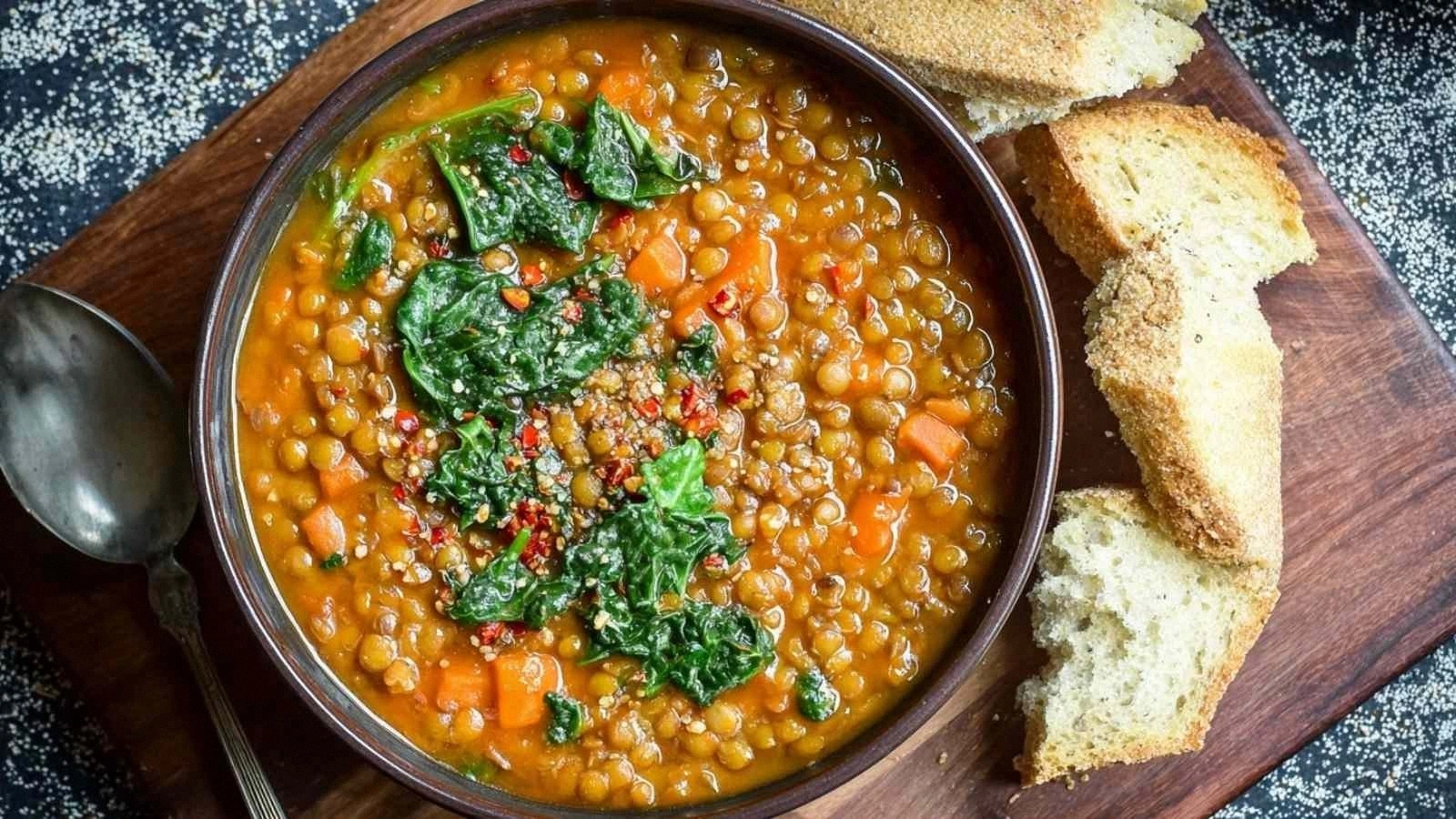
I once tried to impress a friend with a “quick” curry that turned into a kitchen disaster so epic that the smoke alarm sang a solo. The pot boiled over, the curry stuck to the bottom, and the only thing that survived was my pride—crushed like a soggy tortilla. That night I swore I would never trust a shortcut again, and I vowed to create a version that could survive a clumsy hand, a busy schedule, and a picky palate all at once. Fast forward a few weeks, a trusty crockpot, and a pantry full of red lentils, and I finally nailed it: a red‑curry lentil stew that is creamy, bold, and practically fool‑proof.
Picture this: the kitchen is bathed in the amber glow of a low‑watt lamp, the air is thick with the perfume of ginger, garlic, and a whisper of toasted cumin, while the crockpot hums like a contented cat. You can hear the gentle bubbling of coconut milk marrying the spice paste, feel the heat radiating from the lid as if it were a warm blanket, and taste the first spoonful of broth that coats the tongue like silk. The lentils have softened into a buttery texture that holds onto the sauce, and every bite delivers a punch of heat that’s balanced by a subtle sweetness from a splash of brown sugar. This isn’t just food; it’s a sensory story that makes you feel like you’ve traveled to a bustling Thai market without leaving your apartment.
What makes this version a game‑changer? Most red‑curry lentil recipes either drown the lentils in sauce or leave them dry and bland. I discovered that the secret lies in layering flavors—first sautéing the aromatics, then letting the crockpot do the heavy lifting while you set a timer and go binge‑watch your favorite show. The result is a dish that tastes like it’s been simmered for hours on a stove, yet you only have to press “low” and walk away. I’ll be honest — I ate half the batch before anyone else got a chance to try it, and I still have leftovers that taste even better the next day.
Okay, ready for the game‑changer? The twist that sets this recipe apart is a splash of lime juice added at the very end, which brightens the deep, earthy flavors like a spotlight on a stage. I dare you to taste this and not go back for seconds; the balance of heat, acidity, and creamy coconut is so addictive that you’ll wonder how you ever survived without it. Let me walk you through every single step — by the end, you’ll wonder how you ever made it any other way.
What Makes This Version Stand Out
- Depth of Flavor: The combination of red curry paste, toasted spices, and coconut milk creates layers that unfold with each bite, unlike the one‑dimensional taste of many quick‑cook lentil dishes.
- Silky Texture: Red lentils break down just enough to give the stew a creamy mouthfeel without turning mushy, providing a perfect contrast to the crunchy vegetables.
- Set‑and‑Forget Simplicity: The crockpot does the heavy lifting, meaning you can prep in ten minutes and come back to a fully developed curry that tastes like it simmered for hours.
- Unexpected Brightness: A final squeeze of lime juice lifts the entire dish, preventing the richness from feeling heavy and giving it a fresh finish.
- Crowd‑Pleaser Factor: Even the most skeptical meat‑eaters ask for seconds, and vegetarians rave about the protein punch from the lentils.
- Ingredient Quality: Using high‑quality red curry paste and full‑fat coconut milk ensures a depth that cheap shortcuts simply can’t match.
- Make‑Ahead Magic: This dish improves after a night in the fridge, making it ideal for meal‑prep warriors who crave bold flavors.
- Versatile Base: The stew works as a main, a topping for rice, or even as a hearty dip for naan, giving you endless serving ideas.
Inside the Ingredient List
The Flavor Base
Red curry paste is the heart of this dish, delivering heat, herbaceous notes, and a complex umami backbone. If you skip it, you’ll lose the signature Thai character and end up with a bland lentil soup. Opt for a brand that lists real chilies, lemongrass, and galangal as the first ingredients; the cheaper versions often rely on artificial flavors. For a milder version, use half the amount and add a pinch of smoked paprika for depth.
Coconut milk provides the creamy richness that balances the spice, turning the broth into a velvety sauce that clings to each lentil. Full‑fat coconut milk is non‑negotiable here—light versions thin out the sauce and make the dish feel watery. When shopping, shake the can well and look for a creamy layer that separates on top; that’s the good stuff. If you’re dairy‑free but allergic to coconut, a cashew cream can substitute, though the flavor profile will shift slightly.
The Texture Crew
Red lentils are the workhorse, cooking quickly and breaking down just enough to create that luxurious mouthfeel. Using brown or green lentils would give you a firmer bite and a longer cooking time, which defeats the purpose of a quick crockpot meal. Rinse them under cold water before adding to the pot to remove any dust and prevent foaming.
Carrots and bell peppers add a subtle sweetness and a pop of color that brightens the stew visually and texturally. Dice them uniformly so they cook evenly; oversized chunks will stay crunchy while the lentils become mushy. If you prefer more heat, add a diced jalapeño or Thai bird’s eye chili alongside the veggies.
The Unexpected Star
A splash of lime juice at the end is the secret weapon that cuts through the richness and awakens the palate. Without it, the curry can feel heavy after a few bites, like a sweater you can’t take off. Freshly squeezed lime is essential—bottled juice lacks the bright acidity needed for that final pop.
Fresh cilantro tossed in just before serving adds an herbaceous freshness that lifts the entire bowl. If cilantro isn’t your thing, a handful of Thai basil or even parsley can provide a similar green lift without the soapy aftertaste some people experience.
The Final Flourish
A drizzle of soy sauce or tamari brings a salty umami depth that rounds out the flavor. Use low‑sodium versions to keep the dish from becoming overly salty; you can always add more at the table if needed. A teaspoon of brown sugar balances the heat, preventing the curry from tasting sharp or bitter.
A pinch of sea salt and freshly ground black pepper finish the seasoning, allowing you to tailor the dish to your taste. Taste as you go—once the crockpot has cooked for a while, the flavors meld and you’ll notice subtle shifts that need a final adjustment.
Everything's prepped? Good. Let’s get into the real action…
The Method — Step by Step
Heat a tablespoon of coconut oil in a medium skillet over medium heat. Toss in one finely chopped onion, two minced garlic cloves, and a tablespoon of freshly grated ginger. Sauté until the onion turns translucent and the mixture releases a sweet, caramelized aroma—think of the scent of a street market at dusk. Power transition: This is the moment of truth; the base you’re building now will dictate the entire flavor profile.
Add two tablespoons of red curry paste to the skillet, stirring constantly for about 30 seconds. Watch Out: If the paste starts to burn, lower the heat immediately; burnt paste adds a bitter note that no amount of lime can fix. The paste should become fragrant and slightly glossy, coating the aromatics like a glossy sauce.
Transfer the aromatic mixture into the crockpot. Then add two cups of rinsed red lentils, one cup of diced carrots, one cup of diced red bell pepper, and four cups of vegetable broth. Stir everything together so the lentils are evenly distributed.
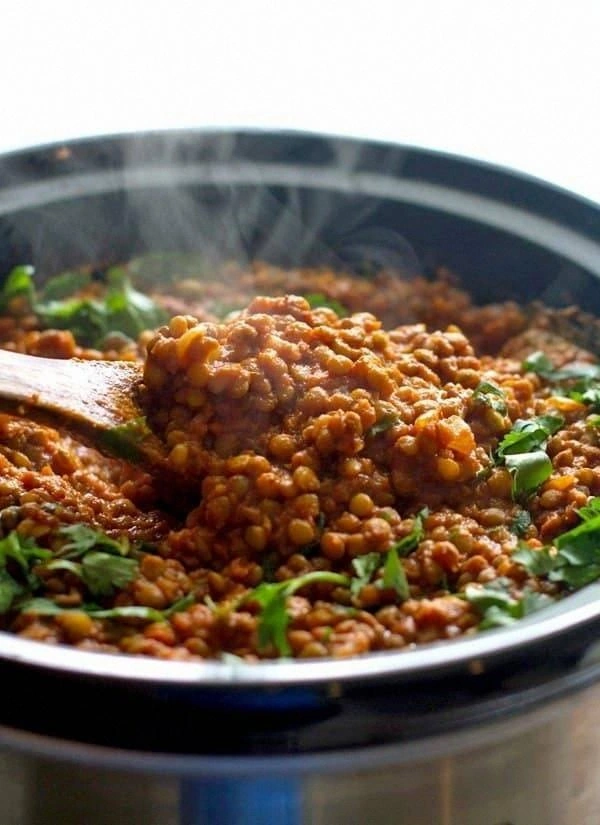
Kitchen Hack: Add a pinch of turmeric with the broth; it not only adds a golden hue but also boosts anti‑inflammatory benefits.Pour in one can (13.5 oz) of full‑fat coconut milk, two teaspoons of soy sauce, and one teaspoon of brown sugar. Give the pot a gentle stir to incorporate the coconut milk without breaking the lentils apart. The mixture should look thick and creamy, with a faint orange‑red hue that promises a bold flavor.
Set the crockpot to low and let it cook for 4 hours, or high for 2 hours. During the first hour, resist the urge to lift the lid; every time you do, you release heat and extend the cooking time. The sauce will gradually thicken, and the lentils will soften to a buttery consistency.
About 15 minutes before the end of cooking, stir in a handful of fresh spinach leaves. The heat will wilt the spinach instantly, adding a vibrant green contrast and an extra boost of nutrients. If you prefer a heartier green, add a cup of kale chopped finely.
When the timer dings, taste the stew. Adjust seasoning with a splash more soy sauce, a pinch of sea salt, or a drizzle of lime juice. This next part? Pure magic. The lime should brighten the broth, making the flavors pop like fireworks on a night sky.
Serve the curry over steamed jasmine rice or quinoa, and garnish with chopped cilantro, a wedge of lime, and a drizzle of extra coconut milk if you like extra richness. The final presentation should look like a bowl of ruby‑red sunshine, inviting you to dive in.
Watch Out: Over‑cooking the lentils can turn them mushy; if you prefer a firmer bite, reduce the cooking time by 30 minutes.
That's it — you did it. But hold on, I've got a few more tricks that'll take this to another level...
Insider Tricks for Flawless Results
The Temperature Rule Nobody Follows
Never start a curry on high heat unless you’re in a real hurry; low heat allows the spices to meld slowly, preventing the dreaded “raw curry paste” taste. I once cranked my crockpot to high for speed and ended up with a flat, one‑note flavor that reminded me of a store‑bought sauce. The secret is to let the heat be gentle, like a whisper, so the lentils absorb every nuance.
Why Your Nose Knows Best
Your sense of smell is the most reliable indicator of flavor development. When the curry starts to emit a sweet, roasted aroma after about an hour, you know the coconut milk has begun to integrate fully. If the scent is still sharp and pungent, give it another 15 minutes—this small adjustment can prevent a harsh bite. Trusting your nose saves you from over‑seasoning and ensures a balanced final product.
The 5‑Minute Rest That Changes Everything
Once the cooking cycle ends, let the stew sit with the lid off for five minutes. This brief rest allows the sauce to thicken slightly and the flavors to settle, much like letting a stew rest before carving. I once served the curry immediately and found the broth a bit thin; after the rest, it clung to the rice like a perfect glaze. This tiny pause is the difference between “good” and “restaurant‑quality.”
Layered Sweetness for Balance
Adding a teaspoon of brown sugar early on creates a caramelized undertone that balances the heat from the curry paste. If you skip this step, the dish can feel overly sharp, especially if you love extra spice. The sugar dissolves slowly, integrating into the broth without creating clumps, and it enhances the natural sweetness of the carrots.
The Final Lime Squeeze
Never add lime juice at the beginning; the acid will cook off and leave a muted flavor. Instead, squeeze fresh lime right before serving, and watch the sauce transform instantly. The bright citrus cuts through the richness, making each spoonful feel fresh and lively.
Creative Twists and Variations
This recipe is a playground. Here are some of my favorite ways to switch things up:
Thai Peanut Fusion
Stir in two tablespoons of creamy peanut butter during the last 10 minutes of cooking. The nutty richness adds a silky depth that pairs beautifully with the curry’s heat, turning the dish into a Thai‑inspired comfort bowl. Top with crushed peanuts for a satisfying crunch.
Smoky Chipotle Kick
Replace half of the red curry paste with chipotle in adobo sauce for a smoky, slightly sweet undertone. This variation is perfect for those who love a smoky barbecue vibe but still want the bright Thai flavors. Serve with corn tortillas for a fun fusion taco night.
Coconut‑Lime Quinoa Power Bowl
Swap the jasmine rice for fluffy quinoa and add a handful of toasted coconut flakes just before serving. The extra protein and texture make the bowl ideal for post‑workout recovery, while the toasted coconut adds a subtle crunch that echoes the curry’s creaminess.
Root Vegetable Hearty Stew
Add diced sweet potatoes and parsnips in place of carrots for an earthier, sweeter profile. The denser vegetables hold up well during the long cook, creating a stew that feels like a comforting winter hug. Garnish with a drizzle of tahini for an extra layer of nuttiness.
Spicy Coconut Ramen
Use the curry lentil broth as a base for ramen noodles, adding a soft boiled egg, sliced green onions, and a handful of bean sprouts. The lentils act as a protein boost, while the ramen noodles soak up the flavorful sauce, delivering a bowl that feels both Asian and Western in one bite.
Storing and Bringing It Back to Life
Fridge Storage
Transfer the leftover curry to an airtight container and store it in the refrigerator for up to four days. The flavors will continue to meld, making each reheated portion taste even richer. When reheating, add a splash of water or extra coconut milk to revive the sauce’s silky texture.
Freezer Friendly
Cool the stew completely, then portion it into freezer‑safe bags or containers. It freezes beautifully for up to three months. To thaw, move the bag to the fridge overnight, then reheat gently on the stovetop, stirring in a tablespoon of coconut milk for a fresh finish.
Best Reheating Method
Reheat the curry in a saucepan over low heat, stirring frequently. Add a tiny splash of water or broth if the sauce looks thick; this creates a gentle steam that revives the lentils without over‑cooking them. Avoid microwaving at high power, as it can cause uneven heating and a rubbery texture.