Picture this: the kitchen is a battlefield, the stove is a dragon, and your appetite is a hungry wolf that refuses to be tamed. I was halfway through a week‑long marathon of bland stir‑fries, when a frantic friend dared me to create a dish that would make our taste buds howl. I stared at a single ribeye steak, a handful of pantry staples, and a spark of culinary mischief. The result? A sizzling, saucy, lip‑shaking masterpiece that has become the centerpiece of every dinner party I host.
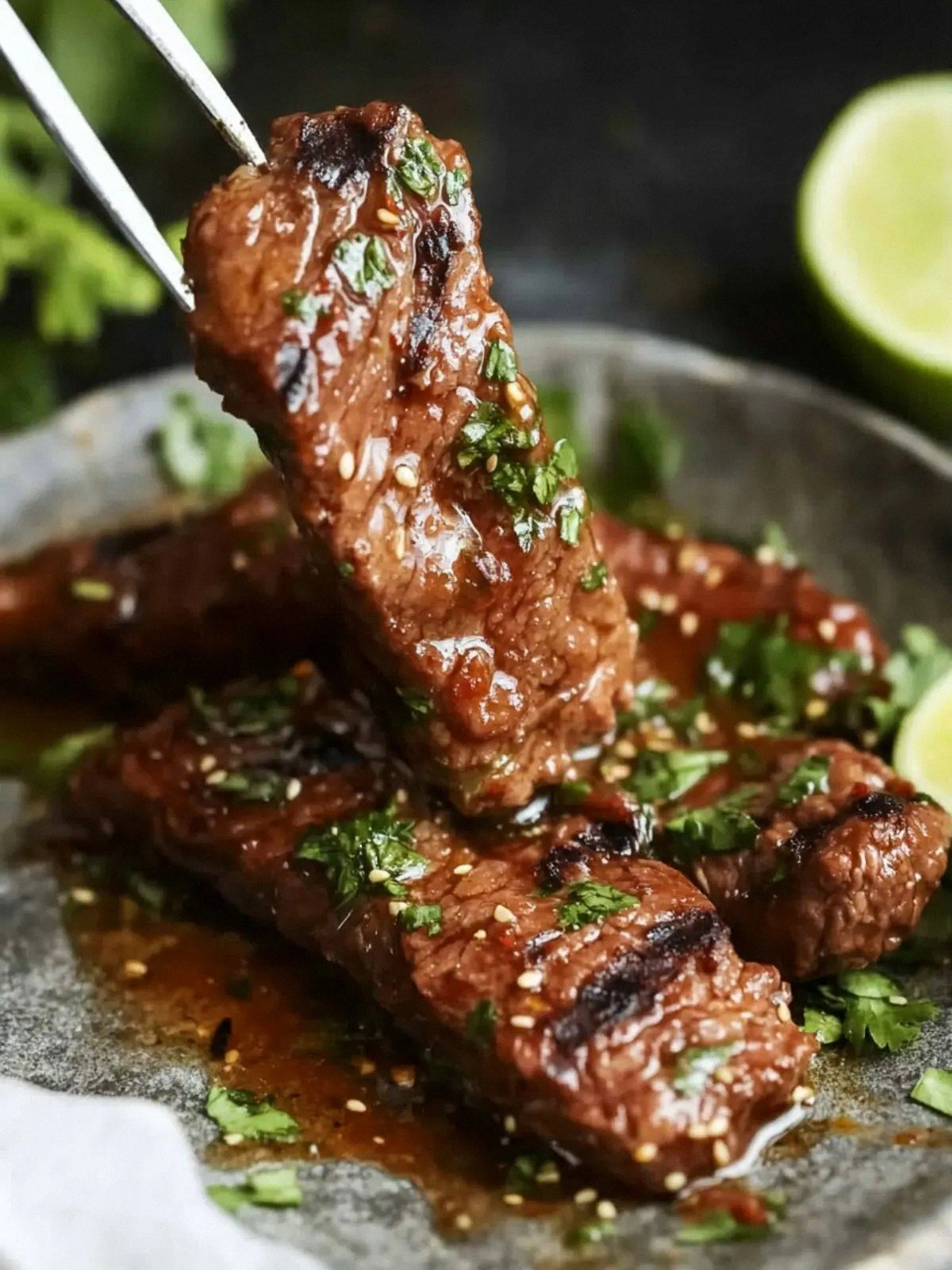
The first thing you notice is the aroma—sweet, smoky, and peppery—like a tropical sunrise in a skillet. As the meat sizzles, the sound is a rhythmic drumbeat, each sizzle a promise of flavor. The sight of the glossy sauce coating the steak, thick as velvet, makes your eyes water with anticipation. When you take your first bite, the texture is a paradox: the beef is tender, the sauce clingy, and the rice pops with subtle chewiness. It’s a symphony of taste, a dance of heat and sweetness that leaves you craving a second plate.
What sets this version apart from the countless variations you’ve seen on Pinterest or in your grandma’s recipe box is the unexpected use of tamarind pulp and palm sugar, balanced by lime juice and a whisper of Thai chili flakes. I’m talking about a sauce that coats the meat like a glossy lacquer, a glaze that caramelizes to a caramelized caramel, and a rice that soaks up every last drop of sauce without becoming mushy. The technique of searing the steak at high heat before simmering in the sauce is a game‑changer that most recipes overlook. I dare you to taste this and not go back for seconds—trust me, you’ll be back for more.
If you’ve ever struggled with bland beef or soggy rice, you’re not alone—and I’ve got the fix. Picture yourself pulling this dish out of the pan, the whole kitchen smelling incredible, the table set for a feast that feels like a holiday. Let me walk you through every single step—by the end, you’ll wonder how you ever made it any other way.
What Makes This Version Stand Out
- Flavor: The combination of oyster sauce, palm sugar, and tamarind creates a sweet‑savory depth that lingers on the palate.
- Texture: The beef stays juicy and the rice stays fluffy—no mush, no dryness.
- Simplicity: Only 14 ingredients, all pantry staples, no exotic items.
- Uniqueness: The use of tamarind pulp and Thai chili flakes gives it a subtle tang and heat that sets it apart.
- Crowd Reaction: Guests leave with their mouths full of sauce and their eyes wide, begging for a second plate.
- Ingredient Quality: Fresh herbs, high‑quality soy sauce, and real palm sugar elevate every bite.
- Cooking Method: Quick sear plus slow simmer locks in flavor and moisture.
- Make‑Ahead Potential: The sauce can be prepared in advance, and the dish reheats beautifully.
Alright, let’s break down exactly what goes into this masterpiece…
Inside the Ingredient List
The Flavor Base
Oyster sauce is the heart of this sauce, bringing umami richness that coats the steak like a silky glaze. Palm sugar, a dark brown sugar from palm sap, adds a subtle caramel note that balances the saltiness of soy sauce. Tamarind pulp, with its tartness, cuts through the sweetness and gives the sauce a bright, almost citrusy lift. If you skip any of these, the sauce becomes a flat, one‑dimensional flavor that’s easy to forget. For a sweeter version, double the palm sugar; for a spicier kick, add a pinch of cayenne.
The Texture Crew
The ribeye steak, cut into bite‑sized cubes, delivers a buttery, melt‑in‑your‑mouth experience. Glutinous rice, when cooked with boiling water, becomes a sticky, chewy companion that soaks up sauce without falling apart. Shallots and garlic provide a fragrant base, their subtle sweetness echoing the palm sugar. If you can’t find glutinous rice, regular jasmine rice works, but it won’t have the same clingy texture.
The Unexpected Star
Thai chili flakes are the secret weapon that brings a gentle heat without overpowering the dish. They’re not just for spice; they add a peppery aroma that lingers on the tongue. A pinch of fish sauce at the end enhances the depth of flavor, but you can omit it for a lower sodium version. If you’re a heat lover, double the chili flakes or add fresh sliced chilies.
The Final Flourish
Fresh cilantro and a squeeze of lime juice finish the dish, brightening the heavy sauce with citrusy freshness. The cilantro’s green, peppery bite contrasts the sweet, savory sauce, while the lime adds a bright, almost floral note that cuts through the richness. If cilantro is not your thing, replace it with green onions or mint for a different twist. This finishing touch turns a simple stir‑fry into a vibrant, restaurant‑quality plate.
Everything’s prepped? Good. Let’s get into the real action…
The Method — Step by Step
- Marinate the Beef: In a bowl, toss the steak cubes with 1 tbsp soy sauce, 1 tbsp fish sauce, and 1 tsp Thai chili flakes. Let it sit for 15 minutes; this step infuses the meat with umami and a gentle heat. The aroma during this time is already a promise of the final dish.
- Seared Perfection: Heat 2 tbsp vegetable oil in a hot skillet or wok over high heat. Add the marinated steak and sear for 2 minutes on each side until a caramelized crust forms. The sizzling sound is your cue that the Maillard reaction is happening. Don’t move the steak too often; let it develop a beautiful brown crust.
- Flavor Base: Reduce heat to medium, add minced garlic and sliced shallots, sauté until fragrant, about 30 seconds. Then pour in 4 tbsp oyster sauce, 1 tbsp palm sugar, 3 tbsp lime juice, and 2 tbsp soy sauce. Stir until the sugar dissolves and the sauce thickens slightly. The mixture should look glossy and cling to the back of a spoon.
- Tamarind Touch: Stir in 2 tbsp tamarind pulp. The sauce will turn a deep amber color, and the aroma will shift to a tangy, almost citrusy note. This is the moment of truth; the sauce should smell toasty and slightly sweet.
- Simmer the Beef: Add the beef back into the pan, toss to coat with sauce. Pour in 1 cup hot boiling water and bring to a gentle simmer. Cover and let cook for 10 minutes, allowing the flavors to meld and the beef to become tender.
- Rice Prep: While the beef simmers, rinse 1 cup glutinous rice under cold water until the water runs clear. In a separate pot, bring 1 cup boiling water to a boil, add the rice, stir once, then cover and reduce heat to low. Let it steam for 18 minutes; do not lift the lid.
- Combine: Once the rice is fluffy, fold it into the beef and sauce, gently mixing to coat every grain. The rice should absorb the sauce but remain slightly distinct.
- Final Touches: Sprinkle chopped cilantro, squeeze fresh lime juice, and give the dish a final stir. The lime should brighten the overall flavor, and the cilantro should add a fresh, peppery aroma.
- Serve: Plate the rice and beef in a shallow bowl, garnish with extra cilantro and a wedge of lime on the side. The dish should look glossy, with a hint of green garnish that pops against the dark sauce.
That’s it—you did it. But hold on, I’ve got a few more tricks that’ll take this to another level…
Insider Tricks for Flawless Results
The Temperature Rule Nobody Follows
Most cooks think medium heat is enough for simmering, but the secret to a silky sauce is low, steady heat. Once the sauce begins to thicken, lower the flame to keep it from burning. I’ve seen sauces scorch after a few minutes of high heat—don’t let that happen. Keep the heat low and let the flavors develop slowly.
Why Your Nose Knows Best
The aroma of the sauce is your best judge of readiness. When the sauce smells toasty and slightly caramelized, it’s ready to coat the beef. If it still smells raw or sweet, give it a few more minutes. Trust your nose, not the clock.
The 5‑Minute Rest That Changes Everything
After you remove the pan from heat, let the dish rest for 5 minutes. This allows the sauce to thicken and the flavors to settle, giving you that glossy, cohesive finish. Skipping this step often results in a watery sauce that clings unevenly.
Use a Non‑Stick Skillet for Even Heat
A non‑stick skillet ensures the beef sears without sticking, and it makes cleanup a breeze. If you’re using cast iron, preheat it well to avoid sticking, but be cautious of flare‑ups.
Add a Splash of Water Before Reheating
When reheating leftovers, add a tablespoon of water to the pan and cover. The steam will bring back the sauce’s silky texture. This trick works for both the beef and the rice, keeping them from drying out.
Creative Twists and Variations
This recipe is a playground. Here are some of my favorite ways to switch things up:
Gluten‑Free Version
Swap glutinous rice for quinoa or cauliflower rice. The texture will change, but the sauce will still cling beautifully. The quinoa’s nutty flavor complements the sweet‑savory sauce.
Vegan Swap
Replace ribeye with marinated tofu cubes or tempeh. Use vegetable broth instead of water for simmering. The tofu will absorb the sauce just as well, making this a hearty vegan dish.
Spicy Kick
Add fresh sliced Thai chilies or a dash of sriracha to the sauce. The heat will cut through the sweetness and bring a new dimension to the flavor profile.
Herb‑Infused Variation
Add a handful of basil or mint during the final stir. The fresh herbs will add brightness and a subtle aroma that complements the lime.
Protein Swap
Use chicken breast or pork belly instead of beef. Adjust cooking time accordingly—pork belly needs a bit longer to become tender.
Dessert‑Style Twist
Add a splash of coconut milk to the sauce and serve over sticky rice with a drizzle of sweetened condensed milk. It turns the dish into a sweet, savory dessert that’s oddly satisfying.
Storing and Bringing It Back to Life
Fridge Storage
Store leftovers in an airtight container in the refrigerator for up to 3 days. Keep the sauce and rice separate until you’re ready to reheat, as the rice can absorb too much sauce and become mushy.
Freezer Friendly
Freeze the dish in portioned containers for up to 2 months. Thaw overnight in the refrigerator before reheating. This method preserves the flavor and texture without compromising quality.
Best Reheating Method
Reheat on the stovetop with a splash of water or broth, covering the pan to create steam. This gentle method restores the sauce’s silky texture and keeps the rice fluffy. Finish with a quick squeeze of lime to brighten the flavors.