It started with a kitchen catastrophe that I still laugh about every time I see a cauliflower. I was trying to make a quick weeknight dinner, tossed a whole head of cauliflower into the oven with a splash of olive oil, and somehow I ended up with a blackened, charred mess that smelled like a campfire. My roommate, who has a very refined palate, stared at the charred florets and said, “If you’re going to roast, you have to taste the flavor before it turns to ash.” That moment of culinary embarrassment became the spark that ignited my obsession with the perfect honey‑curry roasted cauliflower.
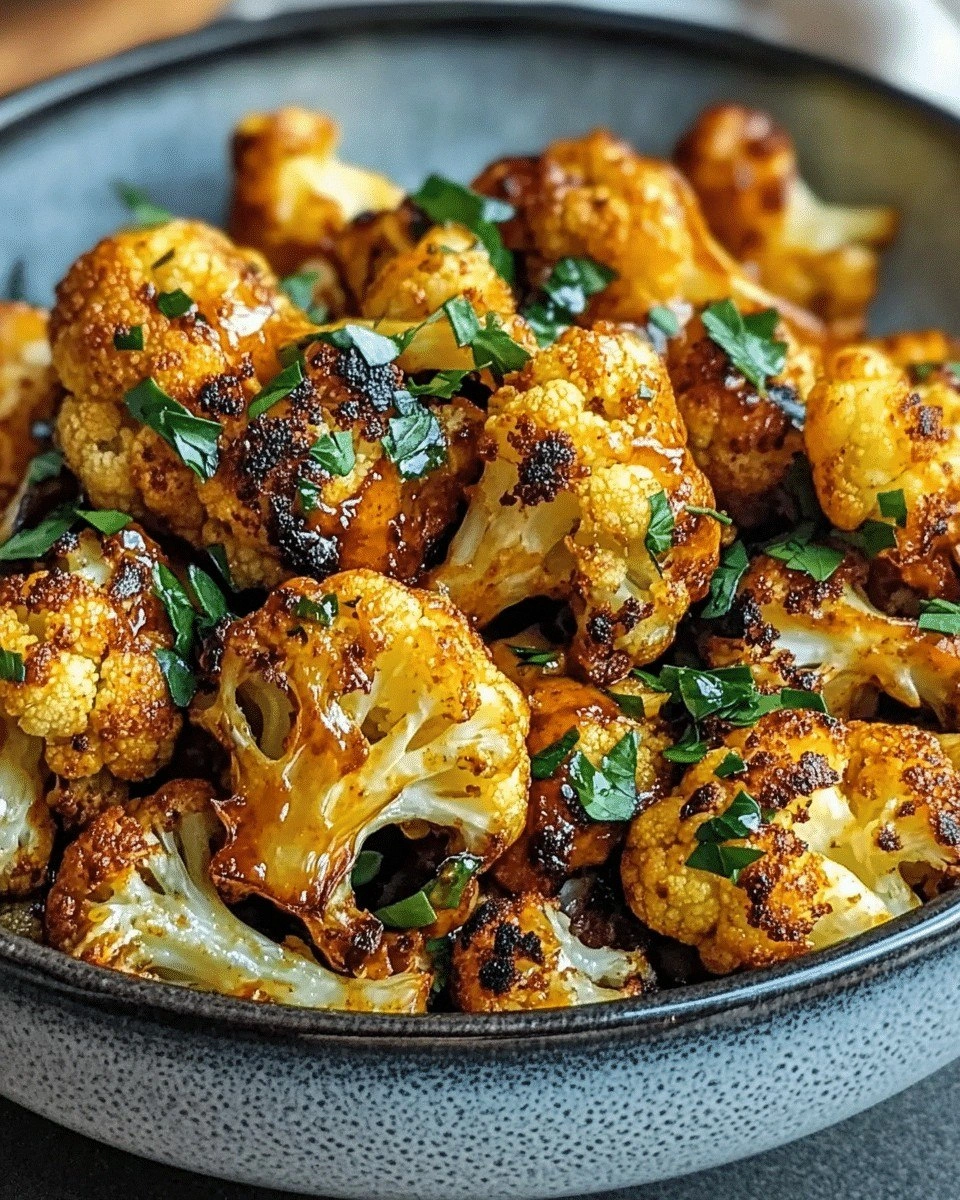
Picture this: a bright, golden‑brown mound of cauliflower, the edges crisped to a caramelized perfection that crackles like thin ice when you bite. The aroma that rises from the oven is a sweet, earthy perfume with a hint of citrus, the honey and lemon dancing together with the warm, smoky spices. As soon as you take that first bite, the tender florets give way to a silky, honeyed coating that glistens like a velvet ribbon, and the curry spices burst into a subtle, comforting warmth that lingers on the tongue. It’s a dish that feels like a hug in a bowl, a comforting yet adventurous flavor profile that invites you to taste again and again.
What sets this version apart from the countless others you’ll find online is the meticulous balance between the sweet and the savory, the careful layering of spices, and the technique that ensures every piece of cauliflower is evenly caramelized without burning. I dare you to taste this and not go back for seconds because once you experience that harmony, you’ll be hooked. The secret? A simple honey glaze that coats each floret, a spice blend that’s both aromatic and gentle, and a roasting method that locks in moisture while creating that irresistible, slightly charred exterior.
And now, stay with me here — this is worth it. Let me walk you through every single step, and by the end, you’ll wonder how you ever made it any other way. From selecting the freshest cauliflower to mastering the glaze, I’ll share my kitchen hacks, the pitfalls to avoid, and the little tweaks that elevate this dish from good to unforgettable.
What Makes This Version Stand Out
- Taste: The honey glaze caramelizes to a golden crust that balances the earthy cauliflower with a subtle sweetness, while the curry powder adds a gentle heat that lingers without overpowering.
- Texture: The cauliflower florets stay tender inside with a crisp, slightly charred exterior that offers a delightful contrast in every bite.
- Simplicity: With just a handful of pantry staples and a few fresh ingredients, you can create a restaurant‑quality dish in less than an hour.
- Uniqueness: The combination of honey and curry is rarely seen in roasted vegetable recipes, giving this dish a distinctive flavor profile that stands out at any dinner table.
- Crowd Reaction: Friends and family who’ve tried this version rave about the sweet‑spicy balance, and many have asked for the recipe after the first tasting.
- Ingredient Quality: Using organic cauliflower and fresh spices maximizes flavor, but the recipe works beautifully with any quality you can find.
Inside the Ingredient List
The Flavor Base
At the heart of this dish is a robust spice blend that marries the aromatic warmth of curry powder with the earthy depth of turmeric and cumin. Each pinch of these spices is measured with care to avoid bitterness, ensuring the cauliflower remains the star. If you skip this step, the dish loses its signature depth and feels flat, like a plain roasted vegetable. A good swap for curry powder is a mix of garam masala and mild paprika, but keep the ratio the same to maintain balance.
The Texture Crew
The cauliflower itself is the cornerstone of texture, offering a tender core and a crisp exterior when roasted correctly. Cutting the florets into uniform bite‑sized pieces guarantees even cooking; uneven pieces will lead to some florets overcooking while others remain raw. If you prefer a softer bite, reduce the roasting time by a couple of minutes, but be careful not to undercook. For a more indulgent crunch, toss the florets in a thin layer of chickpea flour before roasting; this creates a subtle coating that crisps up beautifully.
The Unexpected Star
Honey, the unexpected star of this recipe, isn’t just a sweetener; it’s a glaze that caramelizes and creates a glossy, almost buttery coating that holds the spices in place. The natural sugars in honey also help prevent the cauliflower from drying out during roasting. If you’re vegan or prefer a less sweet version, try maple syrup or agave nectar; just remember to adjust the amount of salt to balance the flavor. The honey’s viscosity is crucial—if it’s too thin, the glaze will run off; if it’s too thick, it won’t spread evenly.
The Final Flourish
Fresh cilantro and a squeeze of lemon juice add a bright, herbal lift that cuts through the richness of the honey and spices. The cilantro’s peppery notes awaken the palate, while the lemon’s acidity brightens the overall flavor profile. Skipping this final flourish makes the dish feel heavier and less vibrant. If you’re allergic to cilantro, substitute with fresh parsley or mint for a slightly different aromatic twist.
Everything's prepped? Good. Let's get into the real action…
The Method — Step by Step
- Preheat the Oven: Turn your oven to 425°F (220°C). A hot oven ensures the cauliflower starts caramelizing immediately, locking in moisture. Set a timer for 30 minutes so you can focus on the rest of the prep without worrying about the clock. This step is the foundation; a temperature that’s too low will result in soggy florets.
- Prepare the Cauliflower: Wash the cauliflower head thoroughly, then cut it into even florets, about 1 to 1½ inches across. Uniform size guarantees consistent roasting. Pat the florets dry with a clean towel; moisture on the surface prevents proper caramelization. If you’re short on time, a pre‑cut cauliflower can be a lifesaver.
- Create the Spice Blend: In a large mixing bowl, whisk together 2 tablespoons of olive oil, 1 teaspoon of salt, ½ teaspoon of black pepper, 2 tablespoons of curry powder, 1 teaspoon of turmeric, and 1 teaspoon of cumin. The oil helps the spices adhere to the florets. This is the moment you can add a pinch of cayenne if you like heat. Kitchen Hack: Mix the spices with the oil in a separate bowl first; this ensures even distribution and prevents clumping.
- Toss the Florets: Add the cauliflower florets to the spice mixture and stir until each piece is evenly coated. This step is crucial for flavor; uneven coating leads to uneven taste. Shake the bowl gently to redistribute any missed florets. If you’re in a hurry, a quick toss in a zip‑lock bag works just as well.
- Arrange on Baking Sheet: Line a baking sheet with parchment paper, then spread the seasoned florets in a single layer. Avoid overcrowding; crowded florets steam instead of roast. This step ensures that every floret gets that coveted golden edge. Place the sheet in the preheated oven.
- First Roast: Roast the cauliflower for 18 minutes, then give the sheet a gentle shake to rotate the florets. The edges should begin to turn golden, and the stems should show a hint of caramelization. If you’re a fan of extra crispness, leave them a minute longer.
- Prepare the Honey Glaze: While the cauliflower roasts, whisk together 3 tablespoons of honey, 1 tablespoon of fresh lemon juice, 2 minced garlic cloves, and 1 teaspoon of grated ginger in a small bowl. The citrus and garlic add brightness, while the ginger provides a subtle heat that complements the curry. Keep the glaze ready; it will be poured over the florets right after the first roast.
- Glaze the Florets: Remove the baking sheet from the oven, pour the honey glaze over the cauliflower, and toss gently to coat. The glaze should coat each floret, creating a shiny, caramelized layer. This is the moment of truth—watch the glaze sizzle as it hits the hot surface. The honey will begin to bubble and thicken, forming a glossy coating.
- Second Roast: Return the sheet to the oven and roast for an additional 7 minutes, or until the glaze has thickened and the edges are crisp. The final roast ensures the honey caramelizes fully, creating a slightly sticky, caramelized crust. Keep a close eye on the glaze; if it starts to burn, lower the temperature slightly.
- Final Touches: Remove the cauliflower from the oven and let it rest for a minute. Sprinkle 2 tablespoons of freshly chopped cilantro over the top for a burst of color and freshness. Serve immediately while the florets are still warm and the glaze is glossy. This dish pairs wonderfully with a simple side of steamed rice or a crisp cucumber salad.
That's it — you did it. But hold on, I've got a few more tricks that'll take this to another level. These insider tips will help you master the dish every time, even if you’re a busy weeknight cook.
Insider Tricks for Flawless Results
The Temperature Rule Nobody Follows
Many cooks roast cauliflower at 400°F, but that temperature often leads to uneven caramelization. I’ve found 425°F (220°C) to be the sweet spot, creating a crisp exterior while keeping the interior tender. If your oven runs hot, reduce the temperature by 25°F and extend the roasting time by a few minutes. This trick ensures every floret gets that perfect, slightly charred edge.
Why Your Nose Knows Best
Don’t rely solely on the timer; the aroma is your best guide. As the cauliflower roasts, you’ll notice a sweet, nutty scent that signals the sugars are caramelizing. If the smell becomes too caramelized or burnt, pull the dish out immediately. Trusting your nose can save you from a batch of overcooked, bitter florets.
The 5-Minute Rest That Changes Everything
Letting the roasted cauliflower rest for five minutes after it comes out of the oven allows the glaze to set and the steam to redistribute. This brief pause also lets the heat finish cooking the interior, ensuring a uniformly tender texture. Skipping this step can leave the florets slightly raw in the center.
The Secret to a Glaze That Sticks
A quick trick to ensure the honey glaze adheres is to whisk the honey with a little warm water before adding it to the florets. This creates a thinner consistency that coats each floret evenly. Once the glaze is on the cauliflower, the heat of the oven will naturally thicken it into a glossy finish.
The Final Freshness Boost
Adding a splash of fresh lemon juice just before serving brightens the dish and balances the sweetness of the honey. This small step is often overlooked but makes a noticeable difference in overall flavor. If you’re serving the dish with a creamy sauce, the lemon cut through the richness and adds a refreshing contrast.
Creative Twists and Variations
This recipe is a playground. Here are some of my favorite ways to switch things up:
Spicy Peanut Crunch
Swap the honey glaze for a sauce made from peanut butter, soy sauce, and sriracha. Toss the cauliflower in this sauce after roasting, then sprinkle with crushed peanuts for extra crunch. This variation adds a creamy, umami depth that pairs wonderfully with a coconut‑rice side.
Mediterranean Herb Blend
Replace the curry powder with a blend of oregano, thyme, and rosemary. Add a splash of white wine vinegar to the glaze for a tangy finish. The herbs give the dish a rustic, Mediterranean vibe that’s perfect for a summer gathering.
Smoky Chipotle Twist
Use chipotle powder instead of curry powder for a smoky heat. Add a dash of adobo sauce to the honey glaze for extra depth. This version is ideal for those who love a bit of heat and a smoky undertone.
Lemon‑Garlic Parmesan Finish
After roasting, sprinkle grated Parmesan cheese and a squeeze of lemon over the cauliflower. The cheese melts into a golden crust, while the lemon brightens the dish. This variation is a quick way to elevate the flavor profile with a savory twist.
Roasted Sweet Potato & Cauliflower Fusion
Add diced sweet potatoes to the roasting sheet for a sweet, caramelized side. The sweet potatoes absorb the honey glaze, creating a harmonious blend of flavors. This combo is hearty enough to stand alone as a main course.
Vegan Coconut Curry Variation
Replace the honey with maple syrup and add a splash of coconut milk to the glaze. Finish with chopped fresh basil instead of cilantro. This vegan take maintains the sweet‑spicy balance while adding a creamy, tropical note.
Storing and Bringing It Back to Life
Fridge Storage
Store leftover cauliflower in an airtight container in the refrigerator for up to 3 days. The glaze may thicken slightly, but the flavors will remain vibrant. Before serving, reheat gently in a skillet over medium heat, adding a splash of water to loosen the glaze.
Freezer Friendly
For longer storage, freeze the cauliflower in a single layer on a baking sheet before transferring to a freezer bag. Freeze for up to 2 months. When ready to eat, bake at 375°F (190°C) for 15 minutes or until heated through. The texture will be slightly softer but still delicious.
Best Reheating Method
The ideal way to reheat is on the stovetop with a splash of water or broth. This keeps the cauliflower moist and prevents it from drying out. Alternatively, use the oven at 350°F (175°C) for 10 minutes, then finish under the broiler for a minute to crisp the edges.