I was standing in the middle of a kitchen that had just seen a culinary catastrophe. A friend had dared me to turn a pile of over‑ripe eggplants, a handful of ricotta, and a jar of marinara into a dish that would make even the most skeptical foodie swoon. I stared at the glossy, slightly bruised eggplants and thought, “If this ends up tasting like a soggy salad, I’m going to lose my mind.” That night, I decided to fight back with flavor, texture, and a little bit of science. The result? A ricotta eggplant casserole that melts on the tongue, has a crust that cracks like a sunrise, and makes you want to taste it again and again.
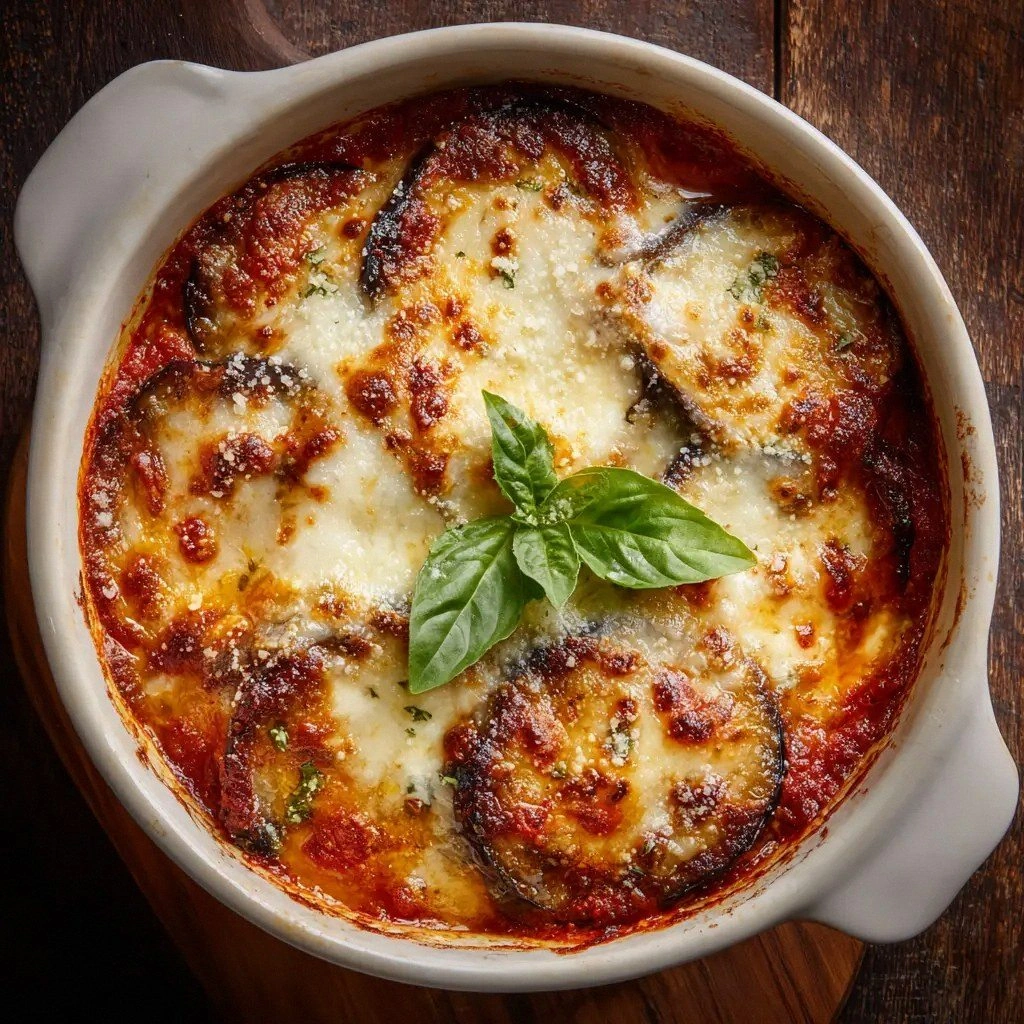
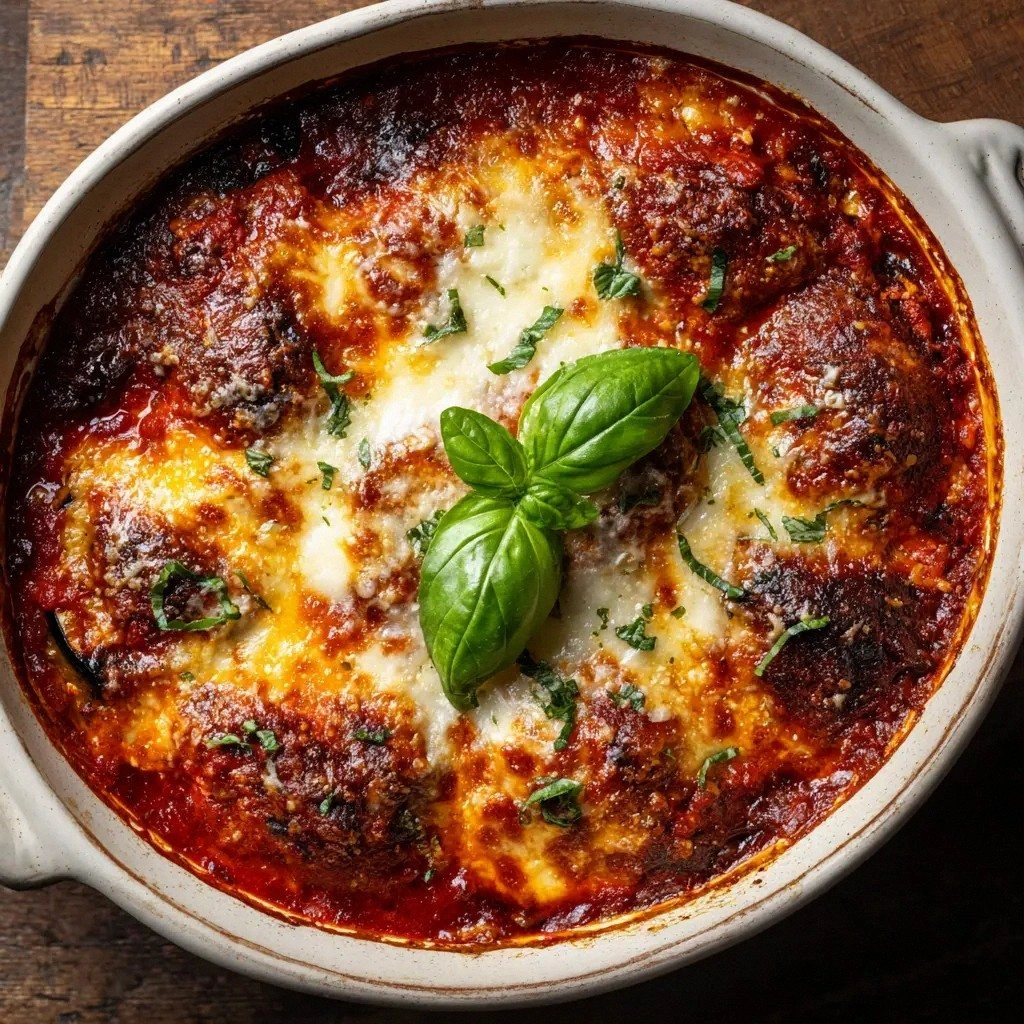
Picture this: a golden‑brown crust that cracks as you lift the slice, the aroma of garlic and basil rising like steam from a pot of broth, and the creamy ricotta that swirls with a subtle nutmeg whisper. The first bite is a symphony of textures—the tender eggplant, the velvety ricotta, and the slightly chewy mozzarella that pulls apart with a satisfying snap. The sauce is thick, tomato‑rich, and seasoned just enough that each mouthful is a burst of comfort. I dare you to taste this and not go back for seconds. If you do, I’ll be honest—I ate half the batch before anyone else got a chance.
What makes this version stand out from every other casserole you’ve tried? It’s the combination of techniques that elevate humble ingredients to something that feels like a gourmet experience. I’ve taken the time to slice the eggplant thinly, salt it to draw out bitterness, and then bake it until it’s just caramelized. The ricotta mixture is whisked with a beaten egg and a splash of milk to give it a silky, custard‑like consistency that sets just right. The marinara is simmered with fresh garlic, basil, and a dash of nutmeg for depth. The mozzarella layer is sprinkled with a touch of Parmesan for a golden, bubbly finish. The result is a casserole that feels indulgent yet comforting, with layers of flavor that play off each other like a well‑written novel.
And there’s a twist you won’t expect: I add a pinch of nutmeg to the ricotta mixture. It might sound odd, but nutmeg adds a warm, almost spicy note that cuts through the richness and gives the dish a subtle depth that feels both classic and contemporary. Picture the nutmeg as a secret backstage performer, adding a hint of intrigue to every bite. Picture yourself pulling this out of the oven, the whole kitchen smelling incredible, and a plate of golden, bubbling casserole waiting for you. Let me walk you through every single step — by the end, you’ll wonder how you ever made it any other way.
What Makes This Version Stand Out
- Flavor: The ricotta base is enriched with a beaten egg and a splash of whole milk, creating a silky custard that holds the sauce without becoming heavy. The nutmeg and garlic in the sauce give it an aromatic, almost aromatic complexity that lingers on the palate.
- Texture: The eggplant slices are salted and baked until caramelized, giving a tender yet slightly crisp bite that balances the creamy ricotta. The mozzarella and Parmesan blend forms a golden crust that crackles when you lift a slice.
- Simplicity: No frying, no complex sauces—just a few ingredients and a straightforward assembly. This casserole can be whipped up in under an hour, making it a go-to for busy weeknights.
- Uniqueness: The addition of nutmeg and the use of low‑moisture mozzarella for a crisp top set this dish apart from traditional baked eggplant recipes.
- Crowd Reaction: Friends who are skeptical of eggplant love this dish; the creamy texture and savory sauce convince even the most reluctant eaters.
- Ingredient Quality: Fresh, high‑quality ricotta and a robust marinara sauce elevate the dish, turning ordinary pantry staples into a gourmet experience.
- Cooking Method: Baking the eggplant slices first removes excess moisture and concentrates flavor, ensuring the casserole doesn’t become soggy.
- Make‑ahead Potential: Assemble the casserole up to the baking step, cover, and refrigerate. When ready to bake, simply preheat and bake—no prep on the day of.
Inside the Ingredient List
The Flavor Base
The marinara sauce is the heart of this casserole. I use a high‑quality jarred sauce that’s already seasoned with garlic, oregano, and a touch of sugar. The sauce is simmered with fresh garlic, basil, and a pinch of nutmeg, which adds a warm, slightly sweet undertone that balances the acidity of the tomatoes. If you skip the nutmeg, the dish will still be delicious, but you’ll miss that subtle, aromatic depth that makes the casserole memorable. For a fresher taste, try using a homemade sauce; the only downside is the extra prep time.
The Texture Crew
Eggplant is the star texture component. It’s sliced thinly, salted, and baked until caramelized. Salting draws out bitterness and moisture, ensuring the slices stay firm and develop a sweet, nutty flavor. If you prefer a softer bite, you can skip the initial baking step, but the casserole will be more watery. A good tip: use a medium‑to‑large eggplant; smaller ones can become mushy if overcooked. For a crunchy alternative, finish the casserole under the broiler for the last 3 minutes to crisp the top.
The Unexpected Star
Nutmeg might sound out of place, but it’s a classic Italian seasoning that pairs wonderfully with ricotta. The warm, slightly sweet flavor of nutmeg complements the richness of the cheese and the acidity of the tomato sauce. If you’re not a fan of nutmeg, you can substitute a dash of allspice or omit it entirely. The key is to add it in small amounts—too much can overpower the dish.
The Final Flourish
The mozzarella and Parmesan create the signature golden crust. Low‑moisture mozzarella melts smoothly, while Parmesan adds a nutty, savory crunch. The combination gives a satisfying snap when you break a slice. If you prefer a vegan version, try using a blend of cashew ricotta and a plant‑based mozzarella substitute. The texture will be slightly different, but the flavor profile remains comforting.
Everything’s prepped? Good. Let’s get into the real action.
The Method — Step by Step
- Preheat the oven to 375°F (190°C). Line a baking sheet with parchment paper and set aside. The parchment prevents sticking and makes cleanup a breeze. This step is crucial for achieving that perfect caramelized crust on the eggplant slices.
- Slice the eggplants into 1/8‑inch thick rounds using a mandoline or sharp knife. The uniform thickness ensures even cooking. Lay the slices on the prepared baking sheet, sprinkle with kosher salt, and let them rest for 20 minutes to draw out moisture. After resting, pat them dry with paper towels to remove excess salt.
- Brush each slice lightly with olive oil, then arrange them in a single layer on the baking sheet. Bake for 15 minutes, flipping halfway through, until the edges turn golden and the slices look caramelized. This step concentrates the flavor and gives the casserole its signature texture. The smell of toasted eggplant is pure comfort.
- In a saucepan, heat the marinara sauce over medium heat. Add minced garlic, chopped basil, and a pinch of nutmeg. Let the sauce simmer for 5 minutes to meld the flavors. The aroma should be rich and inviting, signaling that the sauce is ready.
- In a 9×13 inch baking dish, spread a thin layer of the marinara sauce. Arrange half of the baked eggplant slices on top of the sauce. Spoon a third of the ricotta mixture over the eggplant, then top with another layer of marinara. The layering creates a beautiful, colorful pattern that’s as pleasing to the eye as it is to the palate.
- Repeat the layering process with the remaining eggplant slices, ricotta mixture, and marinara sauce. Sprinkle the shredded mozzarella evenly over the top, then finish with a light dusting of grated Parmesan. The cheeses will melt into a golden, bubbly topping.
- Cover the baking dish with aluminum foil and bake for 20 minutes. Remove the foil and bake an additional 10 minutes, or until the cheese is melted and the edges of the casserole are bubbling and slightly crisp. The final 10 minutes are where the magic happens—watch the cheese transform into a golden crust.
- Let the casserole rest for 10 minutes before cutting. This allows the layers to set, making it easier to serve clean slices. Serve with a sprinkle of fresh parsley and basil for a burst of color and freshness. The dish is now ready to be devoured.
That’s it — you did it. But hold on, I’ve got a few more tricks that will take this to another level.
Insider Tricks for Flawless Results
The Temperature Rule Nobody Follows
Many people bake eggplant at high temperatures, which can cause it to burn before it’s fully cooked. I recommend baking at 375°F (190°C) for a gentle, even roast. This lower temperature allows the eggplant to caramelize without scorching, giving it a tender interior and a crisp exterior. If you’re in a hurry, you can increase the heat to 400°F, but keep a close eye on the slices to avoid burning.
Why Your Nose Knows Best
Before you lift the casserole, pause and inhale the aroma. A well‑balanced casserole will have a sweet, tomato‑rich scent with a hint of nutmeg and garlic. If the smell leans too much toward raw tomato, give it a few more minutes. A subtle, warm aroma is a sign that the cheese has melted perfectly and the eggplant has caramelized. Trust your nose; it’s a reliable guide to perfection.
The 5‑Minute Rest That Changes Everything
After baking, let the casserole rest for exactly five minutes before cutting. This brief pause allows the ricotta layer to set, preventing a mushy texture when you slice through the cheese. If you cut too quickly, the cheese may ooze out, ruining the presentation. The five‑minute rest also lets the flavors meld, creating a more cohesive taste experience.
Layering Like a Pro
When assembling the layers, start with a small amount of sauce at the bottom of the dish. This prevents the bottom layer of eggplant from drying out. Then alternate between eggplant, ricotta, and sauce. The alternating layers create a marbled effect that’s visually appealing and ensures every bite contains a balanced mix of flavors. A friend once tried stacking all the eggplant first; the result was uneven cooking and a soggy center.
The Secret to a Crispy Top
If you prefer a crispier top, finish the casserole under the broiler for the last 2–3 minutes. Keep a close eye on it; the cheese can go from golden to burnt in seconds. The broiler adds a delightful crunch that contrasts beautifully with the creamy interior. This step is optional but highly recommended for those who love a little extra texture.
Make‑Ahead Magic
You can assemble the casserole up to the baking step and refrigerate it for up to 24 hours. Cover tightly and store in the fridge. When ready to bake, preheat the oven and bake as directed. The flavors will deepen, and the dish will be just as delicious, if not more so.
Creative Twists and Variations
This recipe is a playground. Here are some of my favorite ways to switch things up:
Mediterranean Medley
Swap the marinara for a roasted red pepper sauce and add chopped sun‑dried tomatoes. The pepper sauce brings a smoky sweetness, while the sun‑dried tomatoes add a chewy burst. This version is perfect for a summer gathering and pairs wonderfully with a crisp white wine.
Cheesy Spinach Upgrade
Fold in a cup of sautéed spinach with garlic into the ricotta mixture. The spinach adds a pop of green and a subtle earthiness. Pair this with a sprinkle of toasted pine nuts for an extra crunch.
Spicy Italian Kick
Add a tablespoon of red pepper flakes to the marinara sauce. The heat balances the richness of the cheeses and adds a lively bite. Serve with a side of garlic bread to soak up the extra sauce.
Vegan Version
Replace ricotta with a cashew‑based ricotta, and use a plant‑based mozzarella substitute. Keep the marinara sauce as is, or use a vegan version. The result is a dairy‑free casserole that still delivers on flavor and texture.
Breakfast Twist
Serve the casserole with a side of scrambled eggs and toast. The savory layers pair beautifully with the protein of the eggs, making it a hearty breakfast option for the weekend.
Storing and Bringing It Back to Life
Fridge Storage
Store leftovers in an airtight container in the refrigerator for up to 4 days. Cover the top with plastic wrap to keep the cheese from drying out. When ready to reheat, place the casserole in a preheated oven at 350°F (175°C) for 15–20 minutes, or until heated through.
Freezer Friendly
Freeze the casserole in a freezer‑safe container for up to 2 months. Thaw overnight in the refrigerator before reheating. Add a splash of water before reheating to keep the ricotta from drying out.
Best Reheating Method
The best way to reheat is in the oven at 350°F (175°C) for 15–20 minutes, covered with foil. The foil traps steam, preventing the cheese from becoming rubbery. Once hot, remove the foil, broil for 2–3 minutes to crisp the top, and serve immediately.