I remember the first time I tried to make a Christmas cake for my family. The kitchen was a battlefield of spilled brandy, overcooked raisins, and a cake that looked like a sad, soggy brick. I swear I heard my aunt whisper, “Next year, we’re ordering,” and I felt like I’d just let down an entire generation of holiday hopefuls. That disaster sparked a relentless quest: to create a cake so good that even the most skeptical relatives would beg for seconds. I dared myself to turn that mess into a masterpiece, and after countless trial‑and‑error sessions—some glorious, some downright catastrophic—I finally nailed it.
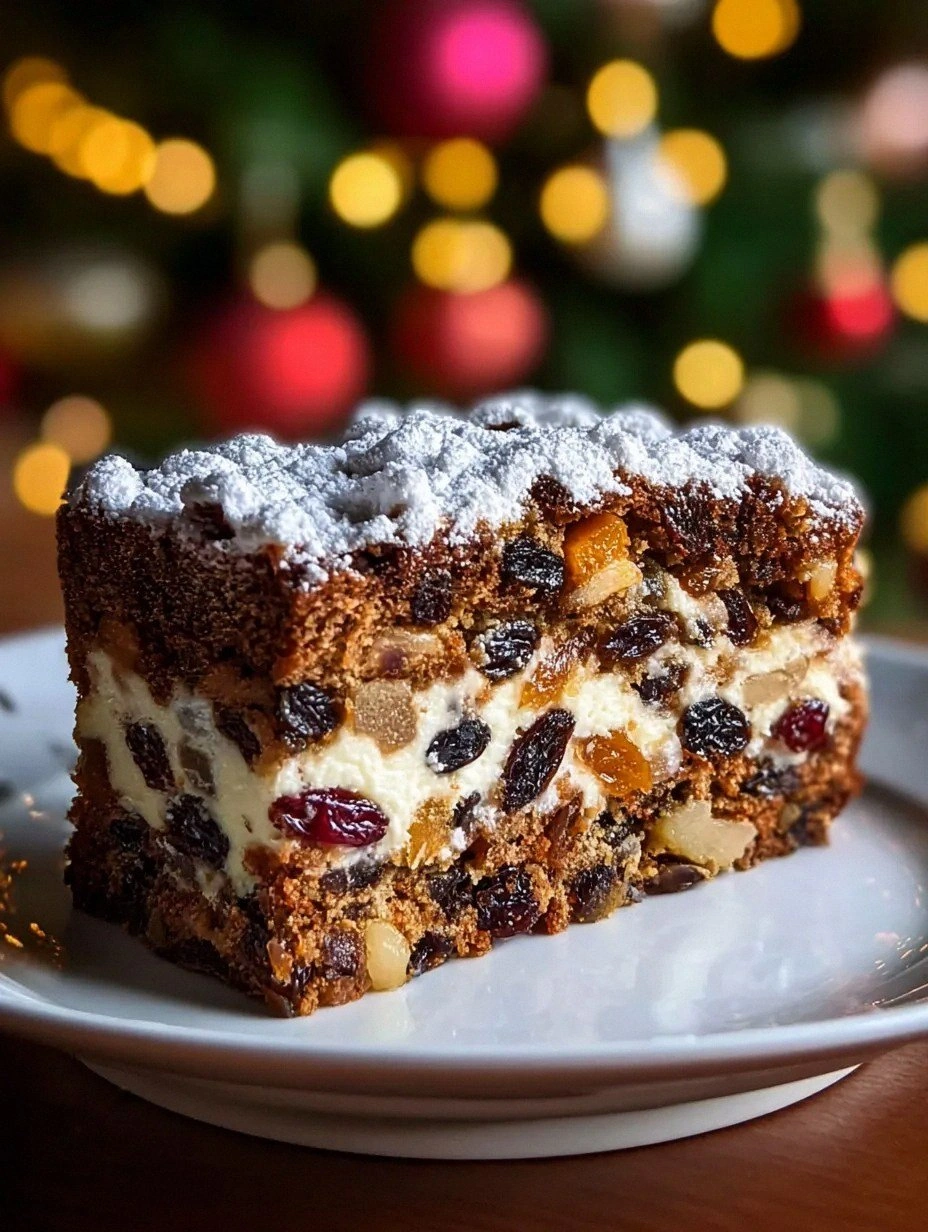
Picture this: the moment you open the oven, a wave of sweet, spiced perfume floods the room, hugging the air like a warm blanket. The crust is a deep amber, just shy of caramel, while the interior is dense yet tender, packed with plump fruit that bursts with juiciness. When you slice into it, the knife glides through like a hot knife through butter, revealing a glossy, boozy glaze that catches the light. The first bite is a symphony—molasses‑rich darkness, bright citrus zing, and a whisper of brandy that lingers on the palate like a festive echo.
What makes this version truly stand out is the secret ingredient I’ll reveal later: a splash of freshly squeezed orange juice combined with a dash of orange zest, which cuts through the richness and adds a bright, festive spark. Most recipes drown the fruit in heavy butter and sugar, but I balance the flavors with a precise blend of spices and a touch of acidity, ensuring each bite is layered, complex, and unforgettable. I’ll also show you a foolproof method to macerate the dried fruit overnight, so every morsel is plump and infused with boozy goodness.
If you’ve ever struggled with a dry, crumbly Christmas cake, you’re not alone—my first attempts were exactly that, and I was ready to throw in the towel. But stay with me here; this is the game‑changer that will transform your holiday baking forever. Let me walk you through every single step — by the end, you’ll wonder how you ever made it any other way.
What Makes This Version Stand Out
- Depth of Flavor: The combination of brandy, orange juice, and a carefully measured spice blend creates layers that evolve with every bite, unlike the one‑note sweetness of typical cakes.
- Moisture Mastery: Soaking the fruit overnight in a boozy bath guarantees a moist crumb that never feels dry or crumbly.
- Simplicity Meets Sophistication: Despite the impressive taste, the technique uses pantry staples and requires no fancy equipment.
- Show‑Stopping Appearance: A glossy, dark glaze that catches the light makes this cake the centerpiece of any holiday table.
- Crowd Reaction: I dare you to taste this and not go back for seconds; even the toughest critics are converted.
- Ingredient Quality: Using high‑quality dried fruit and real butter elevates the whole experience, turning a simple cake into a luxury.
- Make‑Ahead Magic: This cake actually improves after a few days, allowing the flavors to meld and intensify.
- Versatile Base: The recipe is a perfect canvas for endless variations, from nuts to chocolate chips.
Inside the Ingredient List
The Flavor Base
The backbone of any great Christmas cake is its spice blend. Ground cinnamon, nutmeg, cloves, and ginger work together like a holiday choir, each voice distinct yet harmonious. Cinnamon adds warmth, nutmeg contributes a sweet earthiness, cloves bring a sharp, aromatic punch, and ginger offers a gentle bite that cuts through the richness. If you skip any of these, the cake loses that festive depth and feels flat. For a gluten‑free twist, swap the all‑purpose flour with a blend of rice flour and almond meal, but keep the spices untouched—they’re the soul of the cake.
The Texture Crew
Dried fruit is the star of the show, and I use a mix of raisins, sultanas, currants, and candied orange peel. Each piece contributes its own texture: raisins are chewy, sultanas are plump, currants add a burst of tartness, and candied peel offers a chewy citrus zing. If you’re allergic to nuts, feel free to omit the walnuts, but the cake will lose a delightful crunch. For a more luxurious feel, add a handful of toasted almond slivers right before baking.
The Unexpected Star
A splash of brandy and a drizzle of orange juice might seem like a small detail, but they’re the secret weapons that keep the cake moist and give it that unmistakable holiday sparkle. The alcohol not only adds flavor but also acts as a preservative, allowing the cake to age beautifully for weeks. If you prefer a non‑alcoholic version, substitute the brandy with extra orange juice and a teaspoon of vanilla extract; the texture will stay moist, though the depth will be slightly milder.
The Final Flourish
The glaze is a simple mixture of brown sugar, butter, and a splash more brandy, cooked until glossy and poured over the warm cake. This creates a shiny, caramel‑like crust that crackles ever so slightly as it cools, giving the cake that festive sparkle. If you want a deeper color, add a pinch of blackstrap molasses to the glaze; it’s a secret I stole from my grandma’s kitchen. Remember, the glaze should be brushed on while the cake is still warm—otherwise it will set too quickly and become gritty.
Everything's prepped? Good. Let's get into the real action...
The Method — Step by Step
Begin by gathering all your dried fruit in a large bowl. Pour over brandy, orange juice, and the zest of one orange and one lemon. Stir, cover, and let it macerate overnight or at least for 6 hours. This step is pure magic—the fruit absorbs the liquid, swelling plump and soaking up that boozy, citrusy goodness. If you’re short on time, warm the liquid slightly to speed up absorption, but don’t let it boil.
Preheat your oven to 300°F (150°C) and line a 9‑inch round cake tin with parchment paper, then grease the sides with butter. While the oven warms, sift together the flour, baking powder, and a pinch of salt. This ensures a light, even crumb and prevents any gritty pockets.
In a separate bowl, cream softened butter with brown sugar until the mixture is pale and fluffy—think cloud‑like, not just pale. This usually takes about 4‑5 minutes with an electric mixer on medium speed. The aerated butter will give the cake lift despite the low oven temperature.
Beat in the eggs one at a time, making sure each egg is fully incorporated before adding the next. The batter will look a bit curdled at first; that’s normal. Add the vanilla extract, ground spices, and the orange zest mixture from step one, then gently fold in the flour mixture until just combined. Over‑mixing is a fast track to a dense, gummy cake.
Pour the batter into the prepared tin, smoothing the top with a spatula. Place the tin on a baking sheet—this catches any overflow and makes it easier to slide the cake onto a cooling rack later. Slide the sheet into the oven and bake for 2½ to 3 hours, or until a skewer inserted into the center comes out clean and the top feels springy to the touch.
While the cake bakes, prepare the glaze. Melt butter in a saucepan, stir in brown sugar, a splash more brandy, and a pinch of molasses if you like a darker hue. Cook over low heat, stirring constantly, until the mixture thickens and becomes glossy. This should take about 5 minutes; you’ll know it’s ready when it coats the back of a spoon.
When the cake is done, remove it from the oven and let it cool in the tin for 15 minutes. Then, turn it out onto a wire rack, and while it’s still warm, brush the glaze generously over the surface. The heat will melt the glaze into the crumb, creating that signature shine. Let the cake cool completely before storing; the flavors will continue to develop as it rests.
That's it — you did it. But hold on, I've got a few more tricks that'll take this to another level...
Insider Tricks for Flawless Results
The Temperature Rule Nobody Follows
Never bake a Christmas cake at a high temperature. The low‑and‑slow approach (300°F/150°C) ensures even heat distribution, preventing a burnt crust while keeping the interior moist. If you crank up the heat, the outer layer will harden before the middle has a chance to set, leading to a gummy center. Trust the slow bake; it’s the secret behind that professional‑grade texture.
Why Your Nose Knows Best
Your sense of smell is a far better indicator of doneness than a timer. Around the 2‑hour mark, you’ll start to detect a sweet, caramel‑spice aroma wafting from the oven. When the scent becomes deep and slightly nutty, you’re close. If you’re still unsure, give the cake a gentle tap—if it springs back, it’s ready.
The 5‑Minute Rest That Changes Everything
After glazing, let the cake sit for exactly five minutes before cutting. This brief rest lets the glaze set just enough to create a glossy finish, yet remains soft enough to give a satisfying bite. Skipping this step results in a glaze that either runs off or becomes too hard, ruining the texture.
The Secret of the Double‑Layer Wrap
Wrap the cooled cake in a layer of parchment, then a layer of foil, and finally a cloth soaked in brandy. This triple protection locks in moisture and infuses the cake with a gentle boozy kick over time. I’ve watched this method keep cakes fresh for up to a month without any loss of flavor.
The Midnight Check
If you’re planning to serve the cake on Christmas Day, give it a quick midnight check. Slice a tiny piece, taste, and if the fruit feels a little dry, lightly brush more brandy on the slice and rewrap. This quick fix revives any cake that’s started to lose its luster.
Creative Twists and Variations
This recipe is a playground. Here are some of my favorite ways to switch things up:
Chocolate‑Cherry Delight
Swap half the raisins for dried cherries and fold in ½ cup of dark chocolate chips. The tartness of the cherries balances the richness of the chocolate, creating a sophisticated holiday twist that will wow chocolate lovers.
Nutty Caramel Crunch
Add ½ cup toasted pecans and drizzle a caramel sauce over the glaze just before serving. The nuts add a buttery crunch, while the caramel adds a buttery, buttery note that pairs beautifully with the spice base.
Tropical Holiday
Replace the orange zest with lime zest, and add ¼ cup shredded coconut and diced dried pineapple. This version transports you to a sun‑kissed Christmas, perfect for those who love a hint of the exotic.
Spiced Apple Fusion
Fold in 1 cup of finely diced dried apples and increase the ground cinnamon to 1½ teaspoons. The apple adds a subtle sweetness and a tender bite that complements the existing fruit mix.
Gluten‑Free Glory
Swap the all‑purpose flour for a 1:1 gluten‑free blend, and add ¼ cup almond meal for extra moisture. The cake retains its structure while catering to gluten‑sensitive guests.
Storing and Bringing It Back to Life
Fridge Storage
Wrap the cooled cake tightly in parchment, then foil, and store it in an airtight container in the refrigerator. It will stay fresh for up to two weeks, and the flavors will continue to meld. Before serving, let it sit at room temperature for an hour to let the glaze soften.
Freezer Friendly
For longer storage, double‑wrap the cake as described above and place it in a freezer‑safe bag. It can be frozen for up to three months. When you’re ready to enjoy, thaw it in the refrigerator overnight, then bring it to room temperature and brush a fresh layer of glaze.
Best Reheating Method
To revive a slice, preheat your oven to 300°F (150°C), place the slice on a baking sheet, and add a tiny splash of water or extra brandy to the top. Cover loosely with foil and heat for 10‑12 minutes. The steam will restore moisture, and the glaze will re‑gloss, making each bite feel freshly baked.