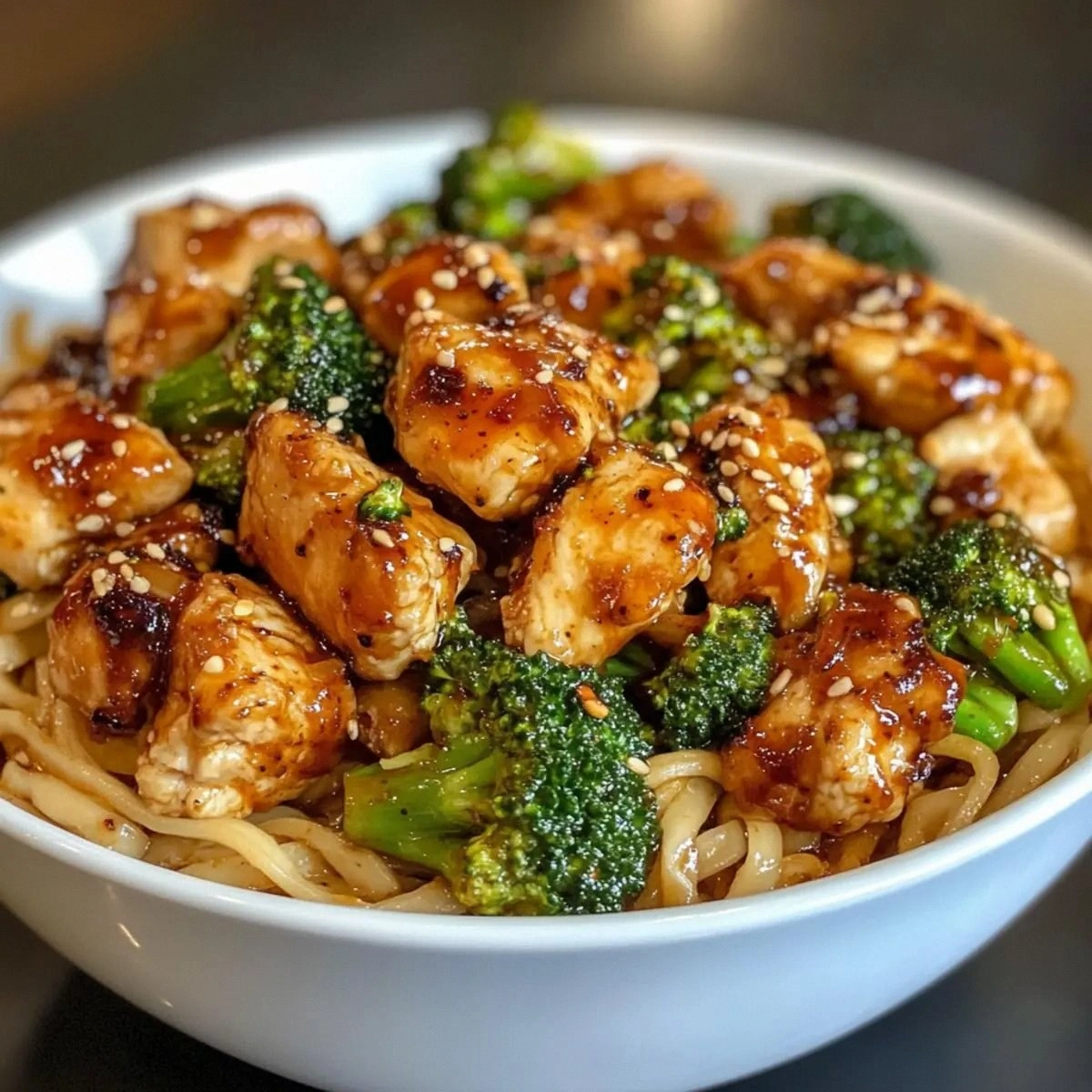
I was halfway through a week of bland take‑outs when my phone buzzed with a frantic text from my roommate: “I’m craving something that screams ‘home’ but tastes like a Michelin star.” I stared at the empty fridge, then at the packet of sirloin that had been languishing since last week’s dinner. The moment the steak hit the pan and released that unmistakable sizzling aroma, I knew I had stumbled onto something extraordinary. The scent of garlic and ginger rose like a promise, the steam curling in a cloud that felt like a secret invitation to the kitchen.
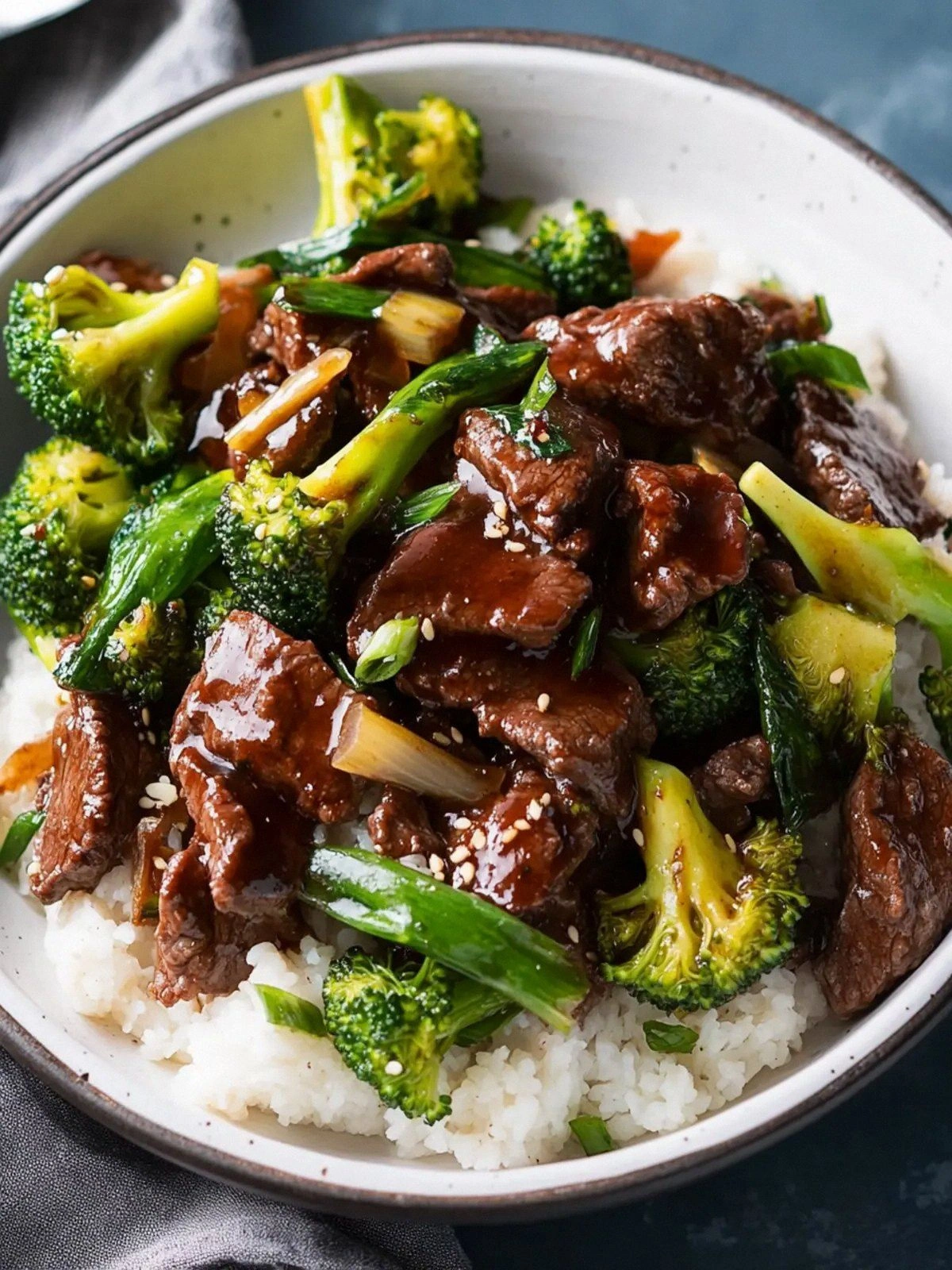
Picture this: a bright, crisp bowl of broccoli florets, baby bok choy with its tender, translucent leaves, and a strip of beef that’s marinated to a depth of flavor. The broth glistens like liquid silk, each drop clinging to the vegetables, coating them with a sauce that’s both sweet and savory. The heat from the dried red chillies lingers just enough to tease the palate without overwhelming it. Every bite is a dance—crunchy, tender, and utterly satisfying. I was already halfway through the first mouthful when I realized this dish could outshine any restaurant version I’ve ever tried.
What sets this recipe apart isn’t just the ingredients; it’s the method that turns ordinary into extraordinary. By marinating the beef with baking soda and cornstarch, we achieve a silky, almost melt‑in‑your‑mouth texture that’s impossible to replicate with standard stir‑fry techniques. The sauce is a layered masterpiece, built from oyster sauce, dark soy, and a splash of Shaoxing wine that adds an earthy, umami depth. The final touch? A splash of vinegar that brightens the dish, making every bite feel fresh and vibrant. Trust me, I dare you to taste this and not go back for seconds.
Let me walk you through every single step—by the end, you’ll wonder how you ever made it any other way. From the first crack of the pan to the final swirl of sauce, each moment is packed with flavor, technique, and a little bit of culinary magic. So grab your skillet, set the stove to high, and let’s dive into the ultimate beef and broccoli stir‑fry that will wow your taste buds.
What Makes This Version Stand Out
- Texture: The combination of baking soda and cornstarch creates a beef that’s tender yet firm, with a silky coating that clings to every bite.
- Flavor Depth: Layered sauces—oyster, soy, dark soy, Shaoxing wine—build a complex umami profile that’s both comforting and sophisticated.
- Heat Control: Dried red chillies are pre‑soaked and crushed, allowing the heat to permeate the dish without becoming overwhelming.
- Vegetable Integrity: Broccolini and bok choy are blanched just long enough to keep their crunch and bright color, preventing sogginess.
- Time Efficiency: A prep time of 15 minutes and a cook time of 30 minutes make this a go‑to dinner for busy weeknights.
- Make‑Ahead Friendly: The dish can be prepped ahead of time, and the sauce will only thicken, not lose its vibrancy.
- Crowd‑Pleaser: Whether you’re feeding a family or entertaining friends, the flavors are bold yet balanced, ensuring everyone leaves satisfied.
- Ingredient Quality: Fresh, high‑quality cuts of steak and crisp vegetables are the foundation of this dish’s success.
Alright, let’s break down exactly what goes into this masterpiece…
Inside the Ingredient List
The Flavor Base
At the heart of this dish lies the sauce—a symphony of soy, oyster, and Shaoxing wine. Soy sauce provides the foundational saltiness, while oyster sauce adds a subtle sweetness and a hint of marine depth. The Shaoxing wine, a Chinese cooking wine, introduces a mellow, nutty aroma that elevates the entire flavor profile. Skipping any of these would leave the dish feeling flat; each component is essential for that signature umami punch.
The Texture Crew
The beef’s tenderness is achieved through a simple but powerful marination. Baking soda loosens the muscle fibers, creating a velvety bite, while cornstarch forms a light, glossy coating that seals in juices. Vegetable oil, used for searing, provides the high‑heat environment needed for that caramelized crust. Together, they transform ordinary steak into a melt‑in‑your‑mouth experience.
The Unexpected Star
Dried red chillies might seem like a minor detail, but they’re the secret to a subtle, lingering heat. Soaking them before chopping releases their capsaicin slowly, allowing the flavor to diffuse without turning the dish into a fiery blaze. If you prefer a milder version, simply reduce the number of chillies or remove the seeds entirely.
The Final Flourish
The final splash of white vinegar brightens the dish, cutting through the richness and adding a zesty lift. Ground black pepper, dark soy sauce, and a touch of sugar balance the umami, creating a harmonious blend of sweet, salty, and tangy notes. The salted black beans provide a subtle earthiness that rounds out the flavor, while the garlic and ginger bring warmth and depth.
Everything's prepped? Good. Let's get into the real action…
The Method — Step by Step
- Marinate the Beef: Slice the sirloin into thin, bite‑sized strips against the grain. In a bowl, combine 2 tbsp soy sauce, 4 tbsp Shaoxing wine, ½ tsp baking soda, and 3 tsp cornstarch. Toss the beef until every strip is evenly coated. Let it rest for at least 15 minutes—this is the moment where the magic begins. The baking soda will start to break down the proteins, giving the meat a tender, silky texture.
- Prep the Vegetables: Rinse the broccolini and baby bok choy under cold water, trimming any tough stems. Blanch the broccolini in boiling water for 30 seconds, then plunge it into ice water to lock in the bright green color. This quick blanch ensures the florets stay crisp and the bok choy retains its tender crunch. Pat dry with a towel; moisture is the enemy of a good sear.
- Make the Sauce: In a small bowl, whisk together ¼ cup oyster sauce, 1 tbsp dark soy sauce, 2 tsp sugar, 1½ tsp ground black pepper, 2 tsp white vinegar, and 1 tbsp Chinese salted black beans. Add 3 tbsp Shaoxing wine and 1 tbsp soy sauce. Stir until the sugar dissolves. Set aside—this will be your flavor base.
- Heat the Pan: Place a wok or large skillet over high heat until it shimmers. Add 2 tbsp vegetable oil, swirling to coat the bottom. The oil should be hot enough that a drop of water sizzles instantly but not so hot that it smokes.
- Sear the Beef: Add the marinated beef in a single layer, letting it sear undisturbed for 1–2 minutes. This creates a caramelized crust that locks in flavor. Stir and continue cooking until the beef is browned on all sides and just cooked through. Remove from the pan and set aside on a plate.
- Cook the Aromatics: In the same pan, add the minced garlic, grated ginger, and crushed dried red chillies. Sauté for 30 seconds, watching for the fragrant aroma to rise. The key is to avoid burning—keep the heat at medium‑high and stir constantly.
- Stir‑Fry the Vegetables: Toss in the blanched broccolini and baby bok choy. Stir‑fry for 2–3 minutes until the greens start to wilt but remain crisp. The vegetables should still have a vibrant color, a sign that they’re cooked to perfection.
- Combine and Finish: Return the beef to the pan, pouring the prepared sauce over the top. Toss everything together, ensuring each piece is coated. Reduce heat to medium and let the sauce thicken slightly, about 2 minutes. The final texture should be glossy, with a slight sheen that clings to the beef and veggies.
- Serve: Plate the stir‑fry over steamed jasmine rice or cauliflower rice for a low‑carb option. Garnish with a sprinkle of sesame seeds or chopped scallions for a finishing touch. The dish should look glossy, with each component visibly coated in sauce.
That’s it — you did it. But hold on, I’ve got a few more tricks that will take this to another level…
Insider Tricks for Flawless Results
The Temperature Rule Nobody Follows
Many cooks think a lower heat is gentler, but for a stir‑fry, high heat is the secret weapon. It ensures a quick sear, locking in juices and preventing the beef from becoming rubbery. I’ve seen even professional chefs keep the flame high for the first 30 seconds of searing; the result is a caramelized crust that’s both aromatic and flavorful. If your stove can’t reach high heat, use a cast‑iron skillet to retain the temperature.
Why Your Nose Knows Best
When the garlic and ginger hit the hot oil, you’ll hear a sharp, almost metallic sizzle. That sound is a cue that the aromatics are releasing their oils. If the sizzle is muted, the oil isn’t hot enough. A proper aroma release is what sets a good stir‑fry apart from a mediocre one.
The 5-Minute Rest That Changes Everything
After searing the beef, let it rest for 5 minutes before adding it back to the pan. This pause allows the juices to redistribute, ensuring each bite is juicy. I once skipped this step and the meat came out dry; the rest is what makes the difference between a passable dish and a memorable meal.
Blanching Is Not Optional
Blanching the broccolini preserves its bright color and crunch. Skipping this step often results in soggy veggies that drown in sauce. I’ve tried a version without blanching, and the texture was nothing short of disappointing. So keep the ice bath ready!
Use Fresh, High-Quality Beef
The quality of the steak directly impacts the final flavor. Look for marbling and a deep red color. Avoid pre‑cut or frozen options; fresh cuts will yield a superior texture and taste. If you’re in a pinch, a lean cut like flank can work, but you’ll need to slice it extremely thin.
Don’t Forget the Final Splash of Vinegar
That small splash of white vinegar brightens the dish, cutting through the richness. It also helps to balance the sweetness from the oyster sauce. I’ve found that adding a dash of vinegar just before serving gives the dish a lively, fresh finish.
Creative Twists and Variations
This recipe is a playground. Here are some of my favorite ways to switch things up:
Spicy Coconut Version
Add a splash of coconut milk to the sauce, and replace the dried red chillies with fresh red pepper slices. The result is a creamy, tropical twist that pairs beautifully with jasmine rice.
Thai-Inspired Kick
Swap the oyster sauce for fish sauce, and add a handful of Thai basil leaves at the end. The herbal note and salty depth create a new flavor profile that feels like a trip to Bangkok.
Gluten-Free Take
Use tamari instead of soy sauce and a gluten-free cornstarch blend for the beef coating. The dish remains hearty and flavorful, and it’s safe for those with celiac disease.
Veggie-Only Variation
Omit the beef entirely and double the broccoli and bok choy. Add sliced mushrooms for umami, and you’ve got a satisfying, plant‑based stir‑fry that still feels indulgent.
Cheesy Surprise
Stir in a handful of shredded mozzarella or pepper jack just before serving. The cheese melts into the sauce, creating a creamy, gooey layer that’s a hit with kids.
Quick One-Pan Meal
Add sliced bell peppers and carrots to the vegetable mix. The extra color and crunch make the dish feel more substantial, and the cooking time remains the same.
Storing and Bringing It Back to Life
Fridge Storage
Store the cooked stir‑fry in an airtight container for up to 3 days in the refrigerator. Keep the sauce separate if you’re worried about the vegetables becoming soggy. When reheating, simply stir in a splash of water to re‑hydrate the sauce.
Freezer Friendly
Freeze the dish in portioned containers for up to 2 months. Thaw overnight in the fridge, then reheat in a pan with a tablespoon of water until the sauce is hot and bubbly. The texture remains intact thanks to the blanching step.
Best Reheating Method
The best way to revive this stir‑fry is on medium‑high heat in a wok, adding a splash of water or broth. Stir constantly until the sauce thickens again and the vegetables regain their crispness. A quick drizzle of sesame oil before serving adds a nutty aroma that’s unforgettable.