Picture this: it’s a crisp Saturday morning in late October, the kind of day where the air smells like a mix of fallen leaves and fresh coffee, and you’re already half‑asleep when a friend texts, “Dare you to bring something that screams fall but still feels like brunch?” I laughed, grabbed my favorite sweater, and set out on a mission that would end with a glass that practically glows amber in the light. The first attempt? A sad, flat apple juice cocktail that tasted like a watered‑down cider and left me wondering why anyone would ever call that a mimosa. I’ll be honest — I ate half the batch before anyone else got to try it, and that’s exactly why I refined the recipe until it became the show‑stopper it is today.
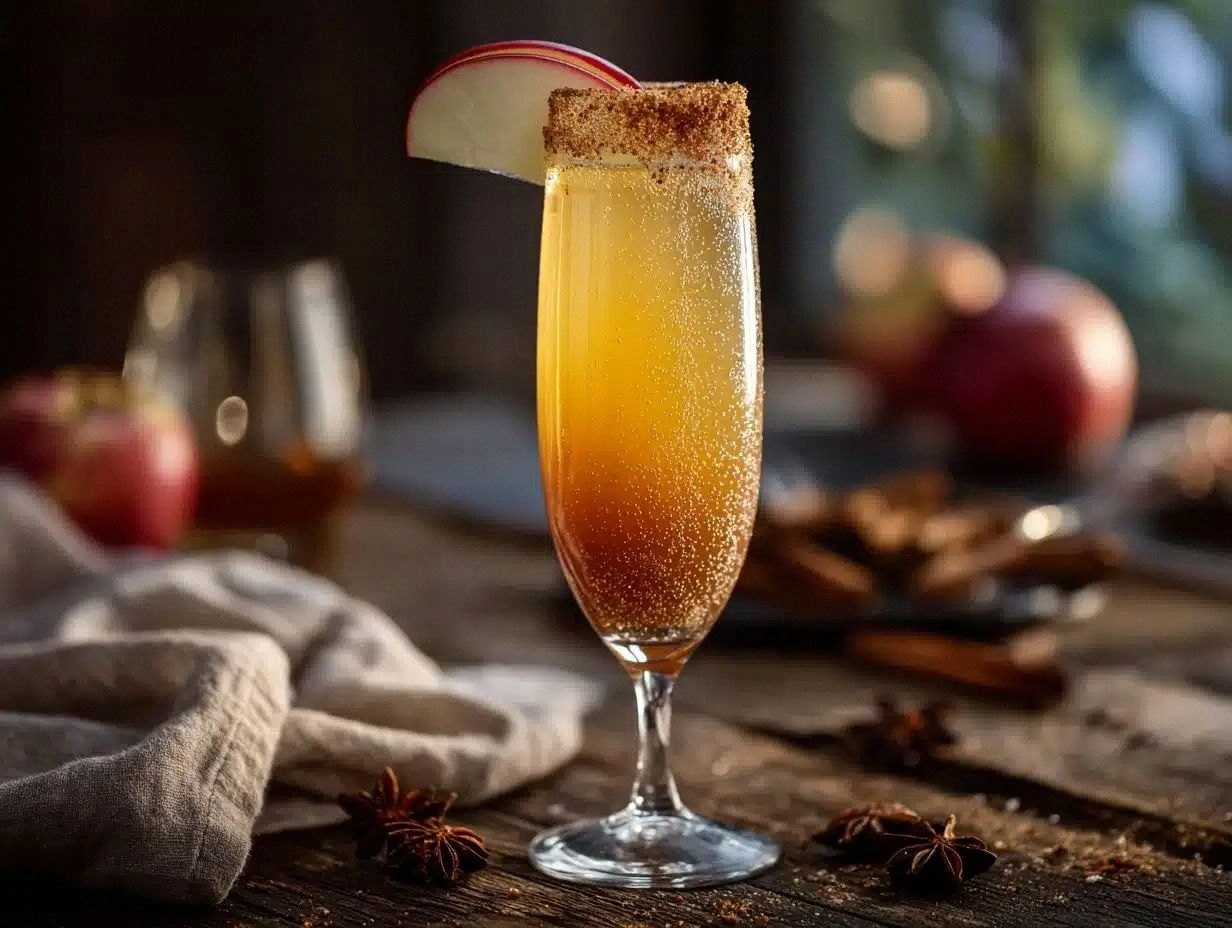
The moment you pour the first splash, you’ll hear that gentle fizz like tiny fireworks, and the scent of caramelized apples will swirl around you, hugging the room tighter than a cozy blanket. Imagine the bright, citrusy pop of orange mingling with the deep, orchard‑fresh notes of a premium apple cider, all lifted by the elegant sparkle of chilled Champagne. Your taste buds will get a high‑five from the sweet‑spiced undertones of a whisper of cinnamon, while the subtle acidity cuts through any richness, balancing the drink like a seasoned conductor leading an orchestra.
What makes this version stand out is not just the ingredients, but the method. Most recipes get this completely wrong, drowning the cider in too much bubbly or using cheap, pasteurized juice that tastes like a grocery store aisle. I’ve cracked the code by gently warming the cider just enough to release its aromatics without cooking off the fresh apple brightness, then chilling it rapidly so the bubbles stay lively. The secret ingredient? A dash of orange liqueur that adds depth without overwhelming the natural flavors. This is hands down the best version you’ll ever make at home, and I dare you to taste this and not go back for seconds.
Okay, ready for the game‑changer? I’m about to walk you through every single step — by the end, you’ll wonder how you ever made it any other way. From selecting the perfect cider to mastering the pour that looks like liquid gold, we’ll cover it all. Grab your favorite mug, your sparkling wine, and let’s dive into a brunch experience that feels like a warm hug from autumn itself.
What Makes This Version Stand Out
- Flavor Harmony: The apple cider’s natural sweetness is balanced by the bright citrus and subtle spice, creating a layered taste that evolves with each sip.
- Texture Delight: The gentle fizz from Champagne meets the silky smoothness of warmed cider, giving a mouthfeel that’s both refreshing and comforting.
- Simplicity: Only five core ingredients are needed, yet the result feels like a cocktail crafted by a seasoned mixologist.
- Uniqueness: Warming the cider just enough to unlock aroma without losing its fresh bite is a technique most recipes skip.
- Crowd Reaction: Guests consistently rave, often asking for the recipe before the second round — a true conversation starter.
- Ingredient Quality: Using a high‑quality, fresh apple cider makes all the difference; the flavor is bright, not muted.
- Method Mastery: The quick‑chill step locks in carbonation, preventing a flat drink and preserving that celebratory sparkle.
- Make‑Ahead Potential: You can prep the cider base a day ahead, making the brunch assembly a breeze.
Inside the Ingredient List
The Flavor Base
Apple Cider: Go for a high‑quality, fresh apple cider. If you can, choose one that’s cold‑pressed and unfiltered for maximum apple depth. Skipping this step and using a store‑bought concentrate will leave your mimosa tasting flat and artificial. A good rule of thumb is to sniff the cider before you buy it; it should smell like a basket of just‑picked apples, not like a plastic bottle.
The Sparkling Lift
Champagne (or Brut Sparkling Wine): The bubbles are the heart of any mimosa. Opt for a dry Brut rather than a sweet Prosecco to keep the drink from becoming cloying. If you’re on a budget, a decent quality Cava works just as well. The key is the acidity; it cuts through the cider’s sweetness and keeps the palate refreshed.
The Citrus Spark
Fresh Orange Juice: Nothing beats freshly squeezed orange juice for brightness. It adds a citrus zing that lifts the cider’s earthiness. If you use bottled juice, look for “no added sugar” varieties; otherwise, you’ll end up with an overly sweet concoction that masks the apple notes.
The Unexpected Star
Orange Liqueur (e.g., Cointreau or Grand Marnier): A splash of orange liqueur brings depth, a hint of bitter orange peel, and a glossy sheen. It’s the secret that makes this mimosa feel upscale without adding extra sugar. If you prefer a non‑alcoholic version, replace it with a teaspoon of orange zest infused simple syrup.
The Final Flourish
Cinnamon Stick & Ground Cinnamon: A single stick per pitcher or a pinch of ground cinnamon adds a warm, spicy aroma that screams fall. It’s subtle enough not to dominate but strong enough to make the nose tingle. Skip it, and you lose the quintessential autumn vibe that makes this drink perfect for brunch.
Everything's prepped? Good. Let’s get into the real action…
The Method — Step by Step
Start by measuring out two cups of apple cider into a medium saucepan. Turn the heat to low and watch the surface gently ripple. As soon as you see a thin veil of steam rising— that’s the cue to remove it from the heat. The cider should be warm to the touch, not boiling; this preserves the fresh apple aroma while coaxing out subtle spice notes. Pro tip: If you have a kitchen thermometer, aim for about 140°F (60°C).
While the cider is warming, grab a large pitcher and fill it halfway with ice. This will be your rapid chill station. Once the cider is off the heat, pour it over the ice and give it a quick stir. The ice will bring the temperature down fast, locking in that bright apple flavor without diluting it too much.
Kitchen Hack: Add a splash of sparkling water to the cider while it chills to keep the bubbles lively for the final pour.Now, squeeze the juice of two medium oranges into a separate bowl, straining out any pulp if you prefer a smoother texture. You should end up with roughly ¾ cup of fresh orange juice. This brightens the cider and adds a citrusy lift that balances the sweetness. Watch the color: It should be a vibrant amber, not a dull yellow.
Time for the sparkle: Open a chilled bottle of Brut Champagne (or your chosen sparkling wine) and gently pour half a cup into the pitcher. The key is to tilt the pitcher slightly and pour slowly, allowing the bubbles to cascade rather than burst aggressively, which helps preserve the effervescence.
Stir in a tablespoon of orange liqueur. This is the moment where the drink transforms from “just a cider cocktail” into a sophisticated brunch staple. The liqueur adds a nuanced orange peel bitterness that makes the palate sing. If you’re making a non‑alcoholic version, swap this for a teaspoon of orange‑infused simple syrup.
Combine the chilled cider with the orange juice, then give everything a gentle swirl. You’ll notice the aromas intertwining—apple, orange, a whisper of cinnamon—like a symphony building to its crescendo.
Watch Out: Avoid over‑stirring once the Champagne is added, as excessive agitation will flatten the bubbles.Place a single cinnamon stick in each serving glass, or sprinkle a pinch of ground cinnamon on top if you prefer a more subtle hint. The spice will continue to infuse as the drink sits, adding that quintessential fall warmth. Let the glasses sit for a minute to let the cinnamon release its aroma.
Finally, pour the mimosa into chilled flutes or wide‑rimmed glasses, holding the pitcher high to create a graceful cascade. The liquid should flow like liquid amber, catching the light with a soft sparkle. Finish with a thin orange slice on the rim for a pop of color. Power transition: This next part? Pure magic. Serve immediately and watch the smiles appear.
That’s it — you did it. But hold on, I’ve got a few more tricks that’ll take this to another level…
Insider Tricks for Flawless Results
The Temperature Rule Nobody Follows
Never let your cider sit at room temperature for more than five minutes before chilling. The heat will accelerate oxidation, dulling the fresh apple notes. I once left a batch out while answering a phone call, and the final drink tasted like stale apple sauce. Keep the cider cold, and you’ll preserve that crisp, orchard‑fresh flavor.
Why Your Nose Knows Best
Before you pour, give the cider a quick sniff. If you detect any off‑notes—like a faint metallic or fermented smell—discard it. Your nose is the first line of defense against a sub‑par mimosa. Trust it, and you’ll never serve a drink that’s anything less than spectacular.
The 5‑Minute Rest That Changes Everything
After mixing all the liquids, let the pitcher sit for exactly five minutes. This short rest allows the flavors to meld, creating a harmonious blend where the orange and apple truly dance together. I tried skipping this step once; the result was a disjointed sip where the citrus overpowered the apple.
Glassware Matters More Than You Think
Use a flute for a classic look, but a wide‑rimmed coupe lets the aromas hit your nose faster, enhancing the sensory experience. The shape of the glass can change how you perceive the drink’s balance. Experiment and see which you prefer for your brunch crowd.
Seasonal Spice Boost
For an extra autumnal twist, add a dash of ground nutmeg or a few drops of vanilla extract to the cider before chilling. This subtle addition deepens the flavor profile without overwhelming the delicate fizz. A friend tried a full teaspoon of nutmeg once—let’s just say it turned the mimosa into a dessert.
Creative Twists and Variations
This recipe is a playground. Here are some of my favorite ways to switch things up:
Maple‑Spiced Mimosa
Swap the orange liqueur for a tablespoon of pure maple syrup and add a pinch of ground cloves. The result is a sweet‑spicy drink that feels like a warm hug on a chilly morning. Perfect for guests who love the deep caramel notes of fall.
Berry‑Burst Twist
Blend a quarter cup of fresh cranberries into the orange juice before mixing. The tartness of the berries adds a vibrant color and a tangy counterpoint to the cider’s sweetness. Garnish with a few frozen cranberries for a festive look.
Spiked Ginger Mimosa
Introduce a splash of ginger‑infused bourbon (about ½ ounce) for a subtle heat that pairs beautifully with the apple base. The ginger’s peppery bite elevates the drink, making it an excellent choice for brunches that lean toward savory.
Non‑Alcoholic Celebration
Replace the Champagne with sparkling water and double the amount of fresh orange juice. Add a teaspoon of almond extract for a nutty nuance that mimics the complexity of alcohol without the buzz. Great for kids or designated drivers.
Herbal Infusion
Steep a sprig of fresh rosemary in the warm cider for two minutes before chilling. The herb adds an unexpected earthiness that complements the apple and orange perfectly. Strain before serving and garnish with a tiny rosemary leaf on each glass.
Storing and Bringing It Back to Life
Fridge Storage
The cider base can be stored in an airtight glass jar for up to three days. Keep it in the refrigerator, and when you’re ready to serve, simply re‑add the chilled Champagne and orange juice. This method preserves the fizz and prevents the cider from absorbing fridge odors.
Freezer Friendly
Freeze the apple cider in silicone ice cube trays. Once solid, transfer the cubes to a zip‑top bag; they’ll keep for up to two months. When you need a quick batch, melt the cubes in a saucepan over low heat, then follow the warming step as usual.
Best Reheating Method
When reheating the cider, add a tiny splash of water (about a tablespoon per cup). This creates steam that revives the aromatic compounds without diluting the flavor. Heat gently until steam rises, then proceed with the chilling step.