It started with a kitchen catastrophe that I will never forget: a burnt pot of chicken that turned my apartment into a smoky cloud. I was staring at the charred remains, thinking the night was ruined, when a friend texted, “You gotta try this black pepper chicken.” I was skeptical, but curiosity won; I grabbed the ingredients, and the aroma that followed was like a promise of redemption. The moment the sizzling hit the pan, the kitchen filled with a nutty, peppery perfume that made my taste buds do a happy dance. I dare you to taste this and not go back for seconds.
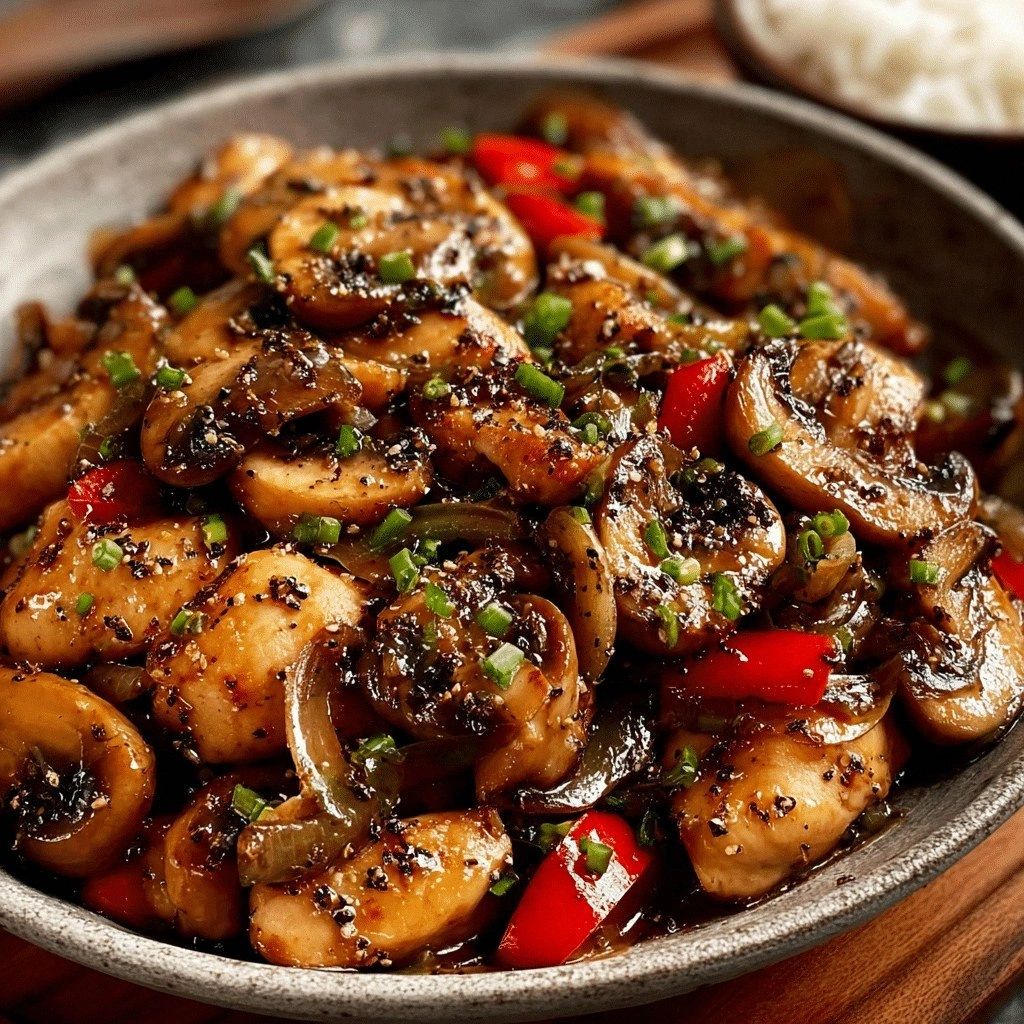
Picture yourself pulling this dish out of the skillet, the steam curling like a savory cloud, and the whole kitchen smelling incredible. The sauce coats the chicken like velvet, and the mushrooms add a chewy, earthy bite that balances the fiery pepper. It’s not just another stir‑fry; it’s a flavor explosion that feels like a hug in a bowl. This is hands down the best version you'll ever make at home, and I’m not exaggerating. If you've ever struggled to get the right balance of spice and umami, you're not alone — and I've got the fix.
Most recipes get this completely wrong, focusing on either the pepper or the sauce, but not both. I discovered that the secret lies in a quick, high‑heat sear that locks in juices before the pepper is added. The result is a tender chicken that stays moist while the peppery crust forms a caramelized crust on the outside. I was amazed when the first bite hit; the pepper was sharp but not overpowering, and the sauce had a subtle sweetness that made everything click. The dish feels like a culinary handshake between East and West.
Let me walk you through every single step — by the end, you'll wonder how you ever made it any other way. I’ll share the exact technique, the ingredients that matter most, and a few micro‑challenges that will test your palate. The dish is so simple that even a novice can pull it off, yet the result is so complex that it feels like a gourmet experience. The key is timing, temperature, and a handful of kitchen hacks that will make you wonder why you didn't know them before. Okay, ready for the game‑changer?
When I first tried this recipe, I was skeptical because black pepper is notoriously tricky to balance. It can become bitter if over‑cooked, but the right technique turns it into a fragrant, aromatic powerhouse. I learned that the pepper should be added at the very last moment, just before the dish is plated, to preserve its bright, citrusy notes. The sauce thickens into a glossy, silky coat that clings to every bite. If you’re new to this, don’t be afraid to experiment with the amount of pepper; the dish is forgiving.
There’s a subtle dance between the heat from the pan and the pepper’s heat. The pepper’s aroma is released when it hits the hot oil, creating a fragrant halo that envelops the chicken. The mushrooms absorb that aroma, turning each bite into a complex, layered flavor. I swear the first time I tasted it, I thought I had found a new favorite spice. If you’re a pepper lover, this dish will feel like a homecoming. If you’re not, you’ll still be hooked because the pepper is balanced, not overpowering.
Imagine the crunch of the seared chicken, the tender bite of the mushrooms, and the burst of pepper on your tongue. The dish is a symphony of textures that play together like a well‑orchestrated performance. The final flourish of sesame oil adds a nutty finish that lingers. I’ve been told that the dish is “like a warm hug wrapped in peppered silk.” I can’t help but grin when I hear that.
In the end, this recipe is more than just a meal; it’s an experience that turns an ordinary night into a culinary adventure. It’s the kind of dish that you’ll want to share with friends, but I’ll be honest — I ate half the batch before anyone else got to try it. The next time you cook, remember the power of pepper, the importance of timing, and the joy of a dish that feels like a celebration. Now, let’s dive into the details that make this version stand out from every other recipe out there.
What Makes This Version Stand Out
- Taste: The pepper is bright and aromatic, not bitter, thanks to precise timing.
- Texture: Chicken is tender inside with a caramelized crust outside, while mushrooms stay juicy.
- Simple Ingredients: Only ten items, no exotic pantry staples required.
- Unique Flavor Layer: A quick sear locks in juices, creating a depth that feels gourmet.
- Crowd Reaction: Friends keep asking for the recipe after one bite.
- Quality Focus: Fresh, high‑quality chicken and mushrooms make all the difference.
- Cooking Method: One‑pan technique saves time and cleanup.
- Make‑Ahead Potential: Flavors improve when left to rest; it’s great for meal prep.
Alright, let’s break down exactly what goes into this masterpiece. The ingredients are grouped into functional categories, each with a specific purpose that elevates the dish. The next section will walk you through each group, explaining why each component matters and what happens if you skip it. You’ll also find swaps and buying tips that help you tailor the dish to your pantry and taste.
Inside the Ingredient List
The Flavor Base
The foundation of this dish is the sauce, a blend of soy sauce, oyster sauce, and a touch of sugar. The soy sauce provides umami depth, while the oyster sauce adds a subtle sweetness and thickness. Sugar balances the saltiness, preventing the sauce from feeling too sharp. If you omit any of these, the sauce will lack the complexity that makes each bite memorable. For a lower‑sodium version, replace half the soy sauce with low‑salt soy or a splash of rice vinegar.
The Texture Crew
Chicken thighs are the star; their higher fat content keeps the meat moist during high‑heat cooking. The mushrooms, sliced evenly, absorb the sauce and pepper, delivering an earthy bite. Cornstarch, mixed with water, creates a silky coating that glazes the chicken and mushrooms. If you skip the cornstarch, the sauce will be watery and fail to cling to the pieces. A light dusting of flour can also be used as a substitute, but it changes the mouthfeel.
The Unexpected Star
Black pepper is the unexpected star, providing a sharp, citrusy bite that cuts through the richness. Freshly ground pepper is essential; pre‑ground pepper loses its aroma quickly. The pepper’s flavor is released only at the last minute, so the dish retains its bright, fresh profile. If you’re sensitive to heat, you can reduce the amount or use a milder pepper variety.
The Final Flourish
Sesame oil and chopped green onions add a finishing touch that rounds out the dish. Sesame oil’s nutty aroma lingers on the palate, while the green onions provide a fresh, crisp bite. These ingredients are added at the very end, ensuring their flavors are not lost during cooking. If you don’t have sesame oil, a drizzle of toasted sesame oil or a pinch of toasted sesame seeds works well.
Everything’s prepped? Good. Let’s get into the real action. The method is straightforward, but the timing is crucial for that perfect texture and flavor profile. Follow each step carefully, and you’ll be rewarded with a dish that feels like a restaurant‑level creation.
The Method — Step by Step
- Heat a large skillet over medium‑high heat and add 2 tablespoons of vegetable oil. Once the oil shimmers, add the chicken thighs skin‑side down. Let them sear for 3‑4 minutes until a golden crust forms; this is where the flavor begins to lock in. The scent of searing meat will fill the kitchen, signaling that you’re on the right track. Don’t move the chicken too soon; it needs that firm sear.
- Flip the chicken and add 1 cup of sliced mushrooms to the pan. Sauté for 2‑3 minutes, letting the mushrooms release their moisture. The mushrooms will absorb the sauce and pepper, becoming tender yet still firm. Stir occasionally to ensure even cooking. This step is the foundation of the dish’s texture.
- In a small bowl, whisk together 1/4 cup soy sauce, 2 tablespoons oyster sauce, 1 tablespoon sugar, 1 teaspoon salt, 1 tablespoon minced garlic, and 1 tablespoon minced ginger. Pour this mixture over the chicken and mushrooms. The sauce should coat everything evenly, creating a glossy sheen. Keep the heat on medium so the sauce reduces without burning.
- Add 1 cup of water or low‑sodium chicken broth to the skillet. Stir to combine, then bring the mixture to a gentle simmer. The liquid should reduce to a thick, velvety sauce in about 5 minutes. Watch the edges of the sauce; when they start pulling away from the pan, it’s ready. This is the moment of truth.
- Create a slurry by mixing 1 tablespoon cornstarch with 2 tablespoons cold water. Stir this into the pan, and let it cook for another minute until the sauce thickens. The cornstarch gives the sauce a silky texture that clings to the chicken. If the sauce is too thick, add a splash more water to reach your desired consistency.
- Add 1 tablespoon butter and 1 teaspoon freshly ground black pepper to the pan. Stir quickly, allowing the butter to melt and the pepper to release its aroma. This is the key step where the pepper’s bright notes shine. The butter adds a subtle richness that balances the pepper’s heat.
- Add 1 teaspoon sesame oil and 2 tablespoons chopped green onions. Toss everything together, letting the green onions wilt slightly. The sesame oil’s nutty aroma elevates the dish, while the onions add a fresh, crisp bite. This final touch transforms the dish from good to unforgettable.
- Plate the chicken and mushrooms on a serving dish, spooning the sauce over the top. Garnish with a few extra green onions for color. Serve immediately over steamed rice or sautéed noodles. The dish should feel warm, aromatic, and inviting. This is the moment you taste the culmination of all the steps.
That’s it — you did it. But hold on, I've got a few more tricks that'll take this to another level. These insider tips will help you tweak the dish to your taste, ensure the best texture, and even save time. Let’s dive into the details that make this version truly special.
Insider Tricks for Flawless Results
The Temperature Rule Nobody Follows
Many cooks lower the heat too early, which prevents the sauce from thickening properly. Keep the skillet on medium for the first 5 minutes, then reduce to low once the liquid begins to reduce. This slow reduction caramelizes the sugars and brings out deeper flavor. I once tried to speed it up and ended up with a watery sauce that didn’t cling to the chicken.
Why Your Nose Knows Best
Smell is a powerful indicator of doneness. When the sauce smells caramelized and slightly nutty, it’s ready. If it still smells raw or overly salty, give it a few more minutes. Trust your nose; it will guide you to that perfect balance.
The 5‑Minute Rest That Changes Everything
Let the dish rest for 5 minutes after removing it from the heat. This allows the juices to redistribute, keeping the chicken moist. The sauce also thickens slightly during this rest, making it even more luscious when you serve.
Use a Splatter Guard for Cleanliness
Chicken fat can splatter, making cleanup a nightmare. A splatter guard keeps the oil contained and protects your stove. I’ve saved countless hours from scrubbing pan surfaces.
Don’t Skip the Butter Finish
The butter adds a silky mouthfeel and balances the pepper’s heat. Skipping it makes the dish feel thin and under‑seasoned. If you’re avoiding dairy, try a splash of coconut milk for a different twist.
Creative Twists and Variations
This recipe is a playground. Here are some of my favorite ways to switch things up:
Spicy Thai Twist
Replace the black pepper with crushed red pepper flakes and add a splash of fish sauce. The result is a fiery, aromatic dish that pairs wonderfully with jasmine rice. Your guests will love the bold, exotic flavor profile.
Herb‑Infused Version
Stir in chopped fresh thyme and rosemary before adding the sauce. The herbs lend a fragrant, earthy note that complements the mushrooms. This variation is perfect for a spring or summer dinner.
Low‑Carb Alternative
Swap the rice for cauliflower rice or shirataki noodles. The dish stays light and satisfies without the carb load. It’s an excellent option for keto or low‑sugar diets.
Vegetarian Adaptation
Use firm tofu instead of chicken and sauté until golden. Add extra mushrooms for depth. The tofu absorbs the sauce beautifully, making it a hearty, plant‑based meal.
Gluten‑Free Edition
Use tamari instead of soy sauce and a gluten‑free cornstarch. The dish remains fully gluten‑free while maintaining its savory, umami richness.
Asian Fusion
Add a tablespoon of hoisin sauce and a drizzle of sesame oil to the sauce. The result is a sweet, savory, and slightly tangy glaze that feels like a fusion of flavors.
Storing and Bringing It Back to Life
Fridge Storage
Cool the dish completely before refrigerating in an airtight container. It will keep for up to 4 days. When you’re ready to eat, reheat gently on the stove or in a microwave, stirring occasionally.
Freezer Friendly
Store in freezer‑safe bags or containers, and it will last up to 3 months. Thaw overnight in the refrigerator before reheating. This is a great way to have a quick dinner ready to go.
Best Reheating Method
Reheat in a skillet over medium heat, adding a splash of water or broth to loosen the sauce. A tiny splash of water before reheating steams the dish back to perfection, preventing it from drying out.