I remember the night I was trying to salvage a disastrous stir‑fry that had turned into a soggy, flavorless mess. The pan was a battlefield of burnt garlic, wilted carrots, and a cauliflower head that looked more like a cloud than a vegetable. My friends had dared me to make a fried rice that would make even the most skeptical food critic swoon. I accepted the challenge with a grin, knowing that the secret to a perfect cauliflower fried rice is a delicate balance of texture, umami, and a dash of culinary swagger.
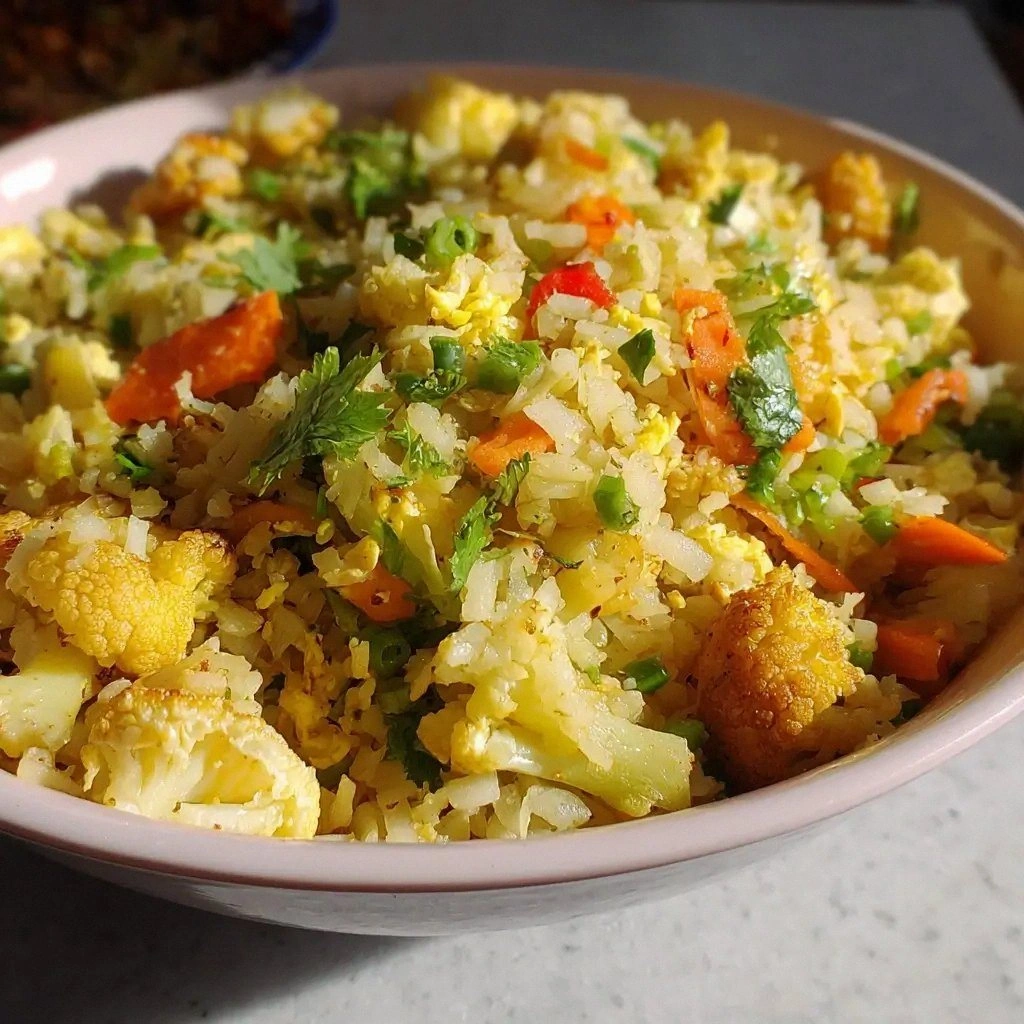
Picture this: the skillet crackles as oil glistens, the scent of garlic and ginger rises like a fragrant fog, and the cauliflower rice sizzles with a golden sheen. Your eyes catch the bright green of peas and the crisp orange of carrots, while the sound of sizzling eggs adds a rhythmic drumbeat. The first bite delivers a satisfying crunch that shatters like thin ice, followed by a silky, savory coating that feels like velvet on your tongue. I dare you to taste this and not go back for seconds; it’s a flavor explosion that will leave your taste buds dancing.
What sets this version apart from the endless variations you’ll find online is the intentional layering of flavors and textures, coupled with a few insider tricks that elevate the dish from simple to sensational. I’ve refined the technique so that every grain of cauliflower rice is individually toasted, giving it that coveted nutty aroma. The sauce isn’t just a splash of soy; it’s a carefully measured blend of soy, sesame, and a hint of sweetness that coats each bite like a silk scarf. The result? A low‑carb, protein‑rich dish that feels indulgent without the guilt.
There’s a hidden ingredient that most recipes overlook: a touch of toasted sesame seeds at the very end. They add a subtle crunch and a nutty finish that elevates the entire dish. I also discovered that using a high‑heat wok or skillet makes a world of difference; the quick sear locks in moisture and creates those coveted caramelized edges. Finally, the secret sauce is a simple ratio of soy sauce, sesame oil, and a splash of rice vinegar—balanced to give the dish that perfect umami punch.
Let me walk you through every single step—by the end, you’ll wonder how you ever made it any other way. I’ll share the micro‑challenges, the bold claims, and the little kitchen hacks that make this recipe a crowd‑pleaser. If you’ve ever struggled with cauliflower rice that turns mushy, you’re not alone, and I’ve got the fix. Stay with me here—this is worth it.
What Makes This Version Stand Out
- Texture: Every grain of cauliflower rice is toasted to a golden crisp, preventing that mushy, soggy texture that plagues most stir‑fries. The contrast between the crunchy veggies and the silky egg ribbons creates a satisfying mouthfeel.
- Flavor Depth: The sauce is a harmonious blend of soy, sesame, and a touch of rice vinegar, delivering a savory umami backbone that coats each bite like velvet.
- Low‑Carb, High‑Protein: With cauliflower as the base, the dish stays light on calories while packing a protein punch from eggs and optional protein additions.
- Make‑Ahead Friendly: This recipe can be prepared ahead and reheated without losing its texture—just add a splash of water before warming.
- Quick & Simple: From prep to plate, the entire process takes less than an hour, making it perfect for busy weeknights.
- Versatile Base: Swap in your favorite protein or veggies and it becomes a fully customizable meal.
Alright, let's break down exactly what goes into this masterpiece…
Inside the Ingredient List
The Flavor Base
Soy sauce and sesame oil are the backbone of the dish, providing a savory umami core and a nutty aroma. The soy sauce should be low‑sodium to keep the dish balanced; too much salt will overpower the subtle flavors of the veggies. If you prefer a sweeter profile, add a teaspoon of honey or maple syrup, but keep it light to avoid a syrupy texture. These liquids also help the cauliflower grains caramelize, creating that coveted golden crust.
The Texture Crew
Cauliflower rice is the star of the show, but it needs a partner to maintain crunch. Carrots, peas, and diced onion add bite and color, while eggs bind the mixture together, adding protein and a silky finish. The eggs should be scrambled just until set—overcooking them will dry out the dish. The combination of crunchy veggies and fluffy eggs creates a complex mouthfeel that satisfies both texture and flavor.
The Unexpected Star
Fresh ginger and garlic bring a punch of aromatics that elevate the dish from ordinary to extraordinary. They cut through the richness of the eggs and sesame oil, balancing the overall flavor profile. Mince the garlic finely and grate the ginger to release maximum flavor. If you’re not a fan of raw ginger, lightly sauté it first to mellow its bite.
The Final Flourish
Scallions, toasted sesame seeds, and a squeeze of lime (optional) add a bright, fresh finish that lifts the dish. The scallions provide a crisp, oniony note that contrasts with the mellow flavors, while sesame seeds add a subtle crunch and nutty aroma. A quick squeeze of lime at the end brightens the dish and adds a touch of acidity that balances the umami. These final touches transform a simple stir‑fry into a gourmet experience.
Everything's prepped? Good. Let's get into the real action…
The Method — Step by Step
- Heat a wok or large skillet over medium‑high heat. Add 1 tablespoon of vegetable oil and swirl until shimmering but not smoking. This is where the aroma begins to bloom, signaling that the pan is ready for the aromatics.
- Add minced garlic and grated ginger, sautéing for 30 seconds until fragrant. Stir constantly to avoid burning; the scent should be sharp and inviting. The quick aromatics lay the flavor foundation.
- Toss in diced onion, carrots, and peas, cooking for 3–4 minutes until vegetables are just tender. The colors should brighten, and the vegetables should still hold a slight bite. This step locks in natural sweetness.
- Push veggies to the side of the pan, pour beaten eggs into the center, and scramble until just set. Stir into veggies once the eggs are fluffy. Eggs should be moist and not dry; they bind the mixture together.
- Add cauliflower rice, mixing thoroughly. Cook for 5 minutes, allowing the cauliflower to soften but still retain a slight bite. The grains should develop a golden crust that enhances the overall texture.
- Drizzle soy sauce and sesame oil over the mixture, stirring to coat everything evenly. The sauce should give a glossy sheen and a savory aroma that permeates the dish. Adjust the amount based on your salt preference.
- Season with salt and pepper, tasting as you go. Keep an eye on salt, as soy sauce already adds saltiness. This is the moment of truth—your dish should taste balanced, not briny.
- Fold in sliced scallions, reserving a few for garnish. Stir for another minute to let the scallions soften slightly. The scallions add a fresh brightness that lifts the entire dish.
- Taste and tweak seasoning, adding more soy or sesame if needed. The final dish should balance savory, umami, and a hint of sweetness. Serve hot, optionally garnishing with extra scallions or a squeeze of lime for extra zing.
That's it — you did it. But hold on, I've got a few more tricks that'll take this to another level…
Insider Tricks for Flawless Results
The Temperature Rule Nobody Follows
Cooking at the right heat is crucial. A high‑heat pan ensures a quick sear that locks in moisture. If the pan is too cool, the cauliflower will steam instead of toast, resulting in a soggy texture. Aim for medium‑high heat and keep the oil shimmering.
Why Your Nose Knows Best
Smell is your best ally. When the cauliflower starts to caramelize, you’ll notice a nutty, toasted aroma. That’s the cue to reduce the heat slightly to avoid burning. Trust your nose to guide you to the perfect crunch.
The 5‑Minute Rest That Changes Everything
After cooking, let the pan rest for 5 minutes before serving. This allows the flavors to meld and the steam to redistribute, giving the dish a cohesive taste. It also prevents the eggs from overcooking if you’re reheating.
The Egg‑First Technique
Scrambling eggs before adding the veggies ensures they’re fluffy and not dry. This technique also creates a subtle separation that adds visual appeal. It’s a simple step that elevates the overall quality.
The Quick Lime Finish
A quick squeeze of lime at the end adds brightness and cuts through the richness. The acidity also balances the saltiness of soy sauce. If you’re not a fan of citrus, a splash of rice vinegar works just as well.
Creative Twists and Variations
This recipe is a playground. Here are some of my favorite ways to switch things up:
Spicy Sriracha Kick
Add a tablespoon of sriracha to the sauce for heat that pairs beautifully with the mild cauliflower. The spiciness balances the sweetness of the carrots and the umami of the soy sauce. Serve with a side of cooling cucumber salad.
Thai Coconut Twist
Replace half the soy sauce with coconut aminos and stir in a splash of coconut milk. The result is a creamy, slightly sweet dish reminiscent of Thai curries. Garnish with fresh cilantro for an extra pop.
Protein‑Packed Shrimp
Add 8 ounces of shrimp, sautéed until pink, before adding the cauliflower rice. The shrimp brings a briny flavor that complements the sesame and scallions. This version turns the dish into a satisfying main course.
Vegetarian Mushroom Medley
Sauté sliced shiitake and cremini mushrooms with the onions for a meaty texture. The mushrooms absorb the sauce, adding depth and richness. This variation is perfect for a hearty, plant‑based meal.
Mediterranean Herb Infusion
Stir in chopped parsley, oregano, and a pinch of dried thyme. The herbs add a fragrant, earthy note that complements the sesame oil. This version is ideal for a light lunch or a side dish.
Storing and Bringing It Back to Life
Fridge Storage
Store in an airtight container for up to 3 days in the refrigerator. The dish retains its texture better when kept chilled. Before eating, give it a quick stir to redistribute any settled sauce.
Freezer Friendly
Freeze in portioned containers for up to 2 months. Thaw in the refrigerator overnight. When reheating, add a splash of water or broth to rehydrate the cauliflower grains.
Best Reheating Method
Reheat in a skillet over medium heat, adding a tablespoon of oil and a splash of water. The steam helps the cauliflower regain its bite. Finish with a sprinkle of scallions for freshness.