Picture this: I’m standing in my cramped kitchen, the timer on the oven has just buzzed, and I’ve realized I’ve burned the last batch of my “quick‑fix” chicken stir‑fry. Smoke curled up like a lazy cat, the kitchen smelled like a burnt‑toast nightmare, and my confidence took a nosedive faster than a soufflé in a draft. I was about to throw in the towel when a friend dared me to try something completely different – a satay‑infused spring‑roll bowl that could survive the chaos of a weekday lunchbox and still taste like a weekend feast. I laughed, I accepted, and I dove headfirst into a pantry raid that would change my meal‑prep game forever.
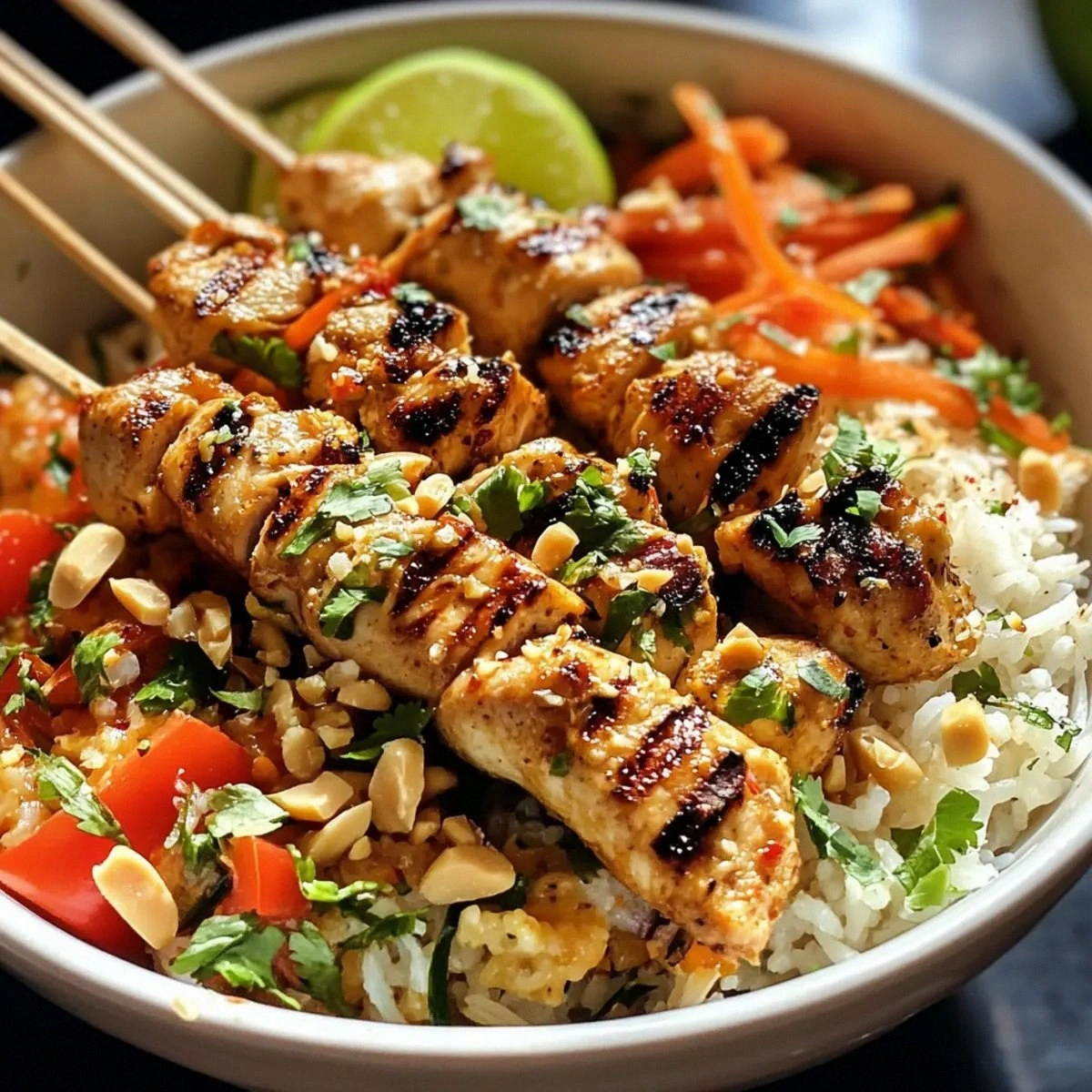
The moment the chicken hit the pan, a sizzle erupted that sounded like a tiny fireworks show. The air filled with the sweet, nutty perfume of coconut milk mingling with the earthy punch of turmeric and the sharp zing of ginger. My senses went into overdrive: the glossy, caramel‑brown edges of the chicken, the bright green pop of fresh cilantro (I added that later, but you get the idea), and the subtle heat that made my nose twitch in anticipation. I could already hear the crunch of peanuts waiting to join the party, and I felt the buttery smoothness of the sauce coat each bite like a silk scarf draped over a mannequin.
Most satay recipes either drown you in sauce or leave the chicken dry as a desert. This version? It’s the Goldilocks of satay spring‑roll bowls – just the right balance of creamy, spicy, and tangy, with textures that dance from crunchy to silky in every forkful. I’ve taken the classic Thai street‑food vibe, gave it a bowl‑friendly makeover, and layered in fresh veggies that stay crisp even after a week in the fridge. The secret? A quick marination trick that locks in moisture, plus a finishing drizzle of lime that brightens everything like a spotlight on stage.
And here’s the kicker: I’m going to reveal the one ingredient most people skip – a splash of lime juice added at the very end of cooking, not as a garnish. Trust me, this tiny tweak flips the flavor from “good” to “hands down the best version you’ll ever make at home.” Let me walk you through every single step – by the end, you’ll wonder how you ever made it any other way.
What Makes This Version Stand Out
- Flavor Explosion: The combination of yellow curry powder, turmeric, and a hint of chili creates a layered heat that builds without overwhelming.
- Texture Symphony: Crispy peanuts, crunchy fresh veggies, and silky chicken satay sauce give you a mouthfeel orchestra in every bite.
- Meal‑Prep Magic: Each component stays distinct in the fridge, so you never end up with soggy noodles or wilted greens.
- Simplicity Meets Sophistication: Only 16 ingredients, but each one is purpose‑chosen to elevate the dish without a grocery list marathon.
- Crowd‑Pleaser Factor: Even the pickiest eaters love the sweet‑spicy balance; I’ve watched office teams fight over the last bowl.
- Ingredient Quality: Using bone‑in chicken thighs ensures juiciness, while low‑sodium soy sauce keeps the salt level in check.
- Cooking Method: A quick sear followed by a gentle simmer locks in flavor and prevents the dreaded “dry chicken” disaster.
- Make‑Ahead Potential: The sauce actually deepens in flavor after a night in the fridge, making day‑two lunches even better.
Inside the Ingredient List
The Flavor Base
1 pound Chicken Thighs: The dark meat’s higher fat content keeps the satay sauce from drying out the chicken. If you use breast meat, you’ll end up with a rubbery texture that no amount of sauce can rescue. Look for thighs with a little pink flesh – they’ll stay juicy even after a quick sear.
2 tablespoons Olive Oil: Olive oil is the silent hero that helps the spices bloom and prevents sticking. You can swap in avocado oil for a higher smoke point if you plan to crank the heat up.
2 cloves Garlic & 1 tablespoon Ginger Paste: These aromatics form the aromatic backbone. Fresh ginger gives a zing that dried ginger can’t match; if you’re in a pinch, grated fresh ginger works even better.
The Spice Crew
3 tablespoons Low‑Sodium Soy Sauce: It adds umami without drowning the dish in salt. If you’re watching sodium, dilute with a splash of water, but keep the flavor intensity by adding a dash of fish sauce.
1 tablespoon Yellow Curry Powder: This is the star that brings warmth, earthiness, and that signature golden hue. I prefer a Thai‑style blend; it often contains coriander, cumin, and fenugreek, which adds depth.
1 teaspoon Ground Turmeric & 1 teaspoon Ground Coriander: Turmeric lends a subtle bitterness and a health‑boosting anti‑inflammatory punch, while coriander adds citrusy notes that brighten the sauce.
1 teaspoon Chili Powder: Adjust to your heat tolerance – I like a moderate kick, but feel free to double it for a fire‑breather version.
The Creamy Connector
1 cup Coconut Milk: This is the silky river that carries all the flavors together. Full‑fat coconut milk gives richness; if you’re cutting calories, use a light version but expect a thinner sauce.
1 tablespoon Brown Sugar or Honey: The sweet element balances the heat and salt, creating that classic satay sweet‑spicy harmony. Honey adds a floral nuance; brown sugar brings molasses depth.
1 teaspoon Salt & 1/2 teaspoon Black Pepper: Salt is the flavor enhancer, while pepper adds a subtle bite. Taste as you go – you can always add more later.
The Fresh Finish
2 cups Fresh Vegetables (cabbage, cucumber, carrots): These provide crunch and a refreshing contrast to the rich sauce. Thinly slice for quick eating; you can also shred the cabbage for a more delicate texture.
1/4 cup Chopped Peanuts: The peanuts give a nutty crunch that mimics the traditional satay garnish. If you’re allergic, toasted pumpkin seeds work as a surprising alternative.
2 tablespoons Lime Juice: The final splash of lime is the game‑changer that lifts the entire bowl, making the flavors sing like a choir. Add it right at the end to preserve its bright acidity.
Everything's prepped? Good. Let's get into the real action…
The Method — Step by Step
First, combine the chicken thighs, 1 tablespoon olive oil, minced garlic, ginger paste, soy sauce, yellow curry powder, turmeric, coriander, chili powder, salt, and pepper in a large bowl. Toss everything until the meat is evenly coated – think of it as giving the chicken a luxurious spice spa. Let the mixture sit for at least 15 minutes; this is the moment where the flavors start to marry, and you’ll notice the sauce turning a deeper amber.
Kitchen Hack: If you’re short on time, use a zip‑top bag to massage the spices into the chicken – it’s faster and ensures every surface is coated.Heat a large skillet over medium‑high heat. Add the remaining 1 tablespoon olive oil, then place the marinated chicken pieces in a single layer. Hear that sizzle? That’s the sound of flavor locking in. Cook for 3‑4 minutes per side until the exterior is caramelized and the interior reaches 165°F (74°C). Once done, remove the chicken and set aside; you’ll finish it in the sauce later.
In the same skillet, reduce the heat to medium and pour in the coconut milk, stirring to deglaze the pan. Scrape up those browned bits – they’re flavor gold. Add the brown sugar (or honey) and let the mixture simmer gently for 2‑3 minutes, allowing the sauce to thicken just enough to coat the back of a spoon.
Now, return the chicken to the pan, nestling each piece into the creamy sauce. Let everything simmer together for another 5 minutes so the meat absorbs the satay goodness. At this point, you’ll notice the sauce turning a richer, velvety hue, and the chicken will look glossy, like it’s been lacquered with a tropical glaze.
While the chicken finishes, prepare your fresh vegetables. Thinly slice cabbage, cucumber, and carrots into match‑stick‑like strips. Toss them lightly with a pinch of salt and a drizzle of lime juice to keep them crisp and vibrant. This quick “quick‑pickle” step adds a subtle tang that balances the richness of the sauce.
Once the sauce has thickened to your liking, stir in the lime juice. This final splash is pure magic – it brightens the entire bowl, cutting through the coconut richness and giving the dish a fresh, zingy finish. Taste and adjust salt or sugar if needed; remember, you can always add more, but you can’t take it out.
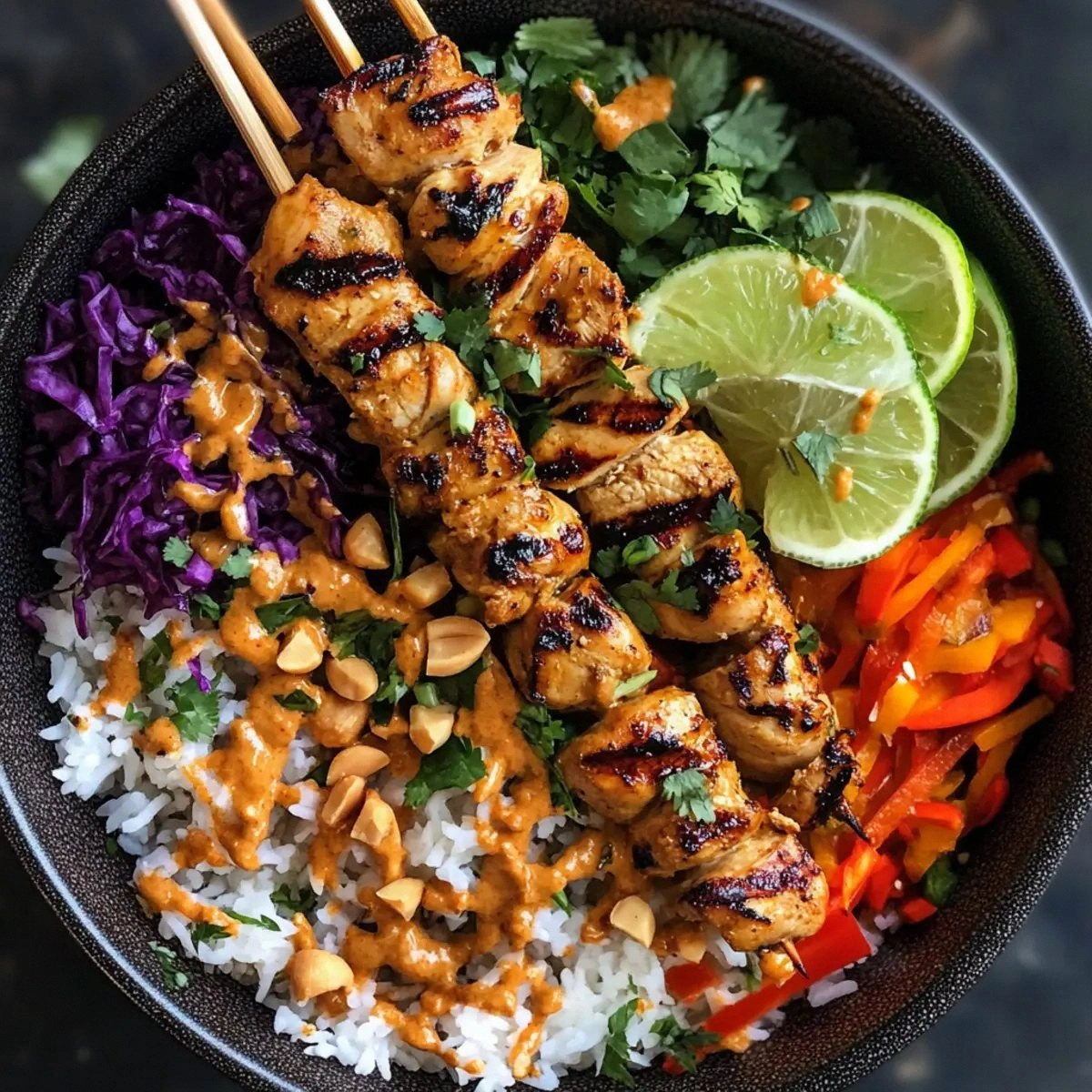
Watch Out: Adding lime too early will cause the coconut milk to separate. Keep it for the very end to preserve that silky texture.To assemble the bowls, start with a base of the fresh vegetables, then place a generous scoop of the satay‑coated chicken on top. Drizzle extra sauce over everything, and sprinkle chopped peanuts for that satisfying crunch. For an added visual pop, garnish with a few cilantro leaves (optional) and a wedge of lime on the side.
Let the bowls rest for a couple of minutes before diving in. This short pause lets the sauce settle and the flavors meld even more. I dare you to taste this and not go back for seconds – the combination is that addictive.
Store leftovers in airtight containers: keep the sauce in a separate jar if you plan to reheat later, so the veggies stay crisp. When reheating, add a splash of water or extra coconut milk and stir until glossy again. And that’s it — you did it. But hold on, I've got a few more tricks that'll take this to another level…
Insider Tricks for Flawless Results
The Temperature Rule Nobody Follows
Never start with a cold pan. Preheat your skillet for at least 2 minutes before adding oil; this ensures an immediate sear that locks in juices. I once tried a “cold‑pan” method and ended up with chicken that looked more like a boiled slab than a satay masterpiece. The difference is night‑and‑day – hot pan = caramelization; cold pan = steam.
Why Your Nose Knows Best
When the sauce starts to simmer, trust your nose more than the timer. If you smell a nutty, toasted aroma, you’re at the perfect thickening point. Over‑cooking turns the coconut milk grainy – a subtle “toasted almond” scent is your cue to turn off the heat.
The 5‑Minute Rest That Changes Everything
After the chicken finishes cooking, let it rest for five minutes before slicing. This short pause lets the fibers relax and re‑absorb the sauce, making each bite juicier. Skipping this step is the reason many people report “dry” satay chicken.
Peanut Power Boost
Toast the peanuts in a dry skillet for just 2 minutes before chopping. The extra toasty flavor adds a depth that raw peanuts simply can’t provide. I’ve seen people skip this step and then wonder why the bowl feels “flat.”
Veggie Longevity Hack
To keep the fresh vegetables crisp for up to four days, store them in a separate container with a paper towel to absorb excess moisture. If they sit in the sauce, they’ll wilt and lose that satisfying crunch. I once mixed everything together and ended up with a soggy mess – lesson learned.
Creative Twists and Variations
This recipe is a playground. Here are some of my favorite ways to switch things up:
Peanut‑Free Power
Swap the peanuts for toasted sesame seeds and add a drizzle of tahini. The nutty flavor remains, but you avoid common allergens. This version works great with a side of jasmine rice instead of the veggie base.
Spicy Sriracha Kick
Stir in a tablespoon of sriracha into the coconut sauce just before adding lime. The heat becomes a bold, lingering fire that pairs perfectly with the sweet coconut. Perfect for those who love a serious heat‑wave.
Herbaceous Green
Replace the lime juice with a splash of lemongrass‑infused oil and garnish with fresh Thai basil. The herbal notes add a fragrant layer that transports you straight to a Bangkok night market.
Grilled Veggie Upgrade
Char the cabbage, carrots, and cucumber on a grill for 2‑3 minutes per side before assembling. The smoky char adds depth and a slightly caramelized edge that complements the satay sauce.
Coconut‑Rice Bed
Serve the chicken and sauce over a bed of coconut‑infused jasmine rice. The rice soaks up the sauce, turning each spoonful into a creamy, fragrant bite.
Low‑Carb Zoodle Version
Swap the fresh vegetables for spiralized zucchini noodles. The light texture makes the bowl feel even fresher, and the satay sauce clings beautifully to the zoodles.
Storing and Bringing It Back to Life
Fridge Storage
Place the chicken and sauce in one airtight container, and keep the fresh vegetables in a separate one. This prevents the veggies from getting soggy. The bowls stay delicious for up to four days; just give everything a quick toss before serving.
Freezer Friendly
The cooked chicken and sauce freeze beautifully. Portion into freezer‑safe bags, leaving a little headspace for expansion. Thaw overnight in the fridge, then reheat with a splash of coconut milk or water to restore the sauce’s silkiness.
Best Reheating Method
Use a skillet over medium heat, adding a tablespoon of water or coconut milk to the sauce. Stir continuously until the mixture is glossy again. Avoid microwaving alone, as it can cause the sauce to separate and the veggies to become limp.