I was sitting on the couch, scrolling through a sea of taco posts that all looked the same—soft, soggy, and frankly, a little boring. Then my roommate dared me: “Make something that actually crunchs like fireworks and still feels like a hug.” I laughed, grabbed the nearest chuck roast, and set a timer for an experiment that would end up becoming the most viral taco I’ve ever made. The kitchen turned into a battlefield of aromas: the deep, earthy scent of beef roasting, the sharp zing of lime, and the buttery whisper of melted Monterey Jack. My hands were slick with avocado, my ears were filled with the sizzle of a hot skillet, and the whole room felt electric, like the moment before a thunderstorm hits. The first bite? A perfect marriage of crispy, shredded beef that crackles under your teeth, creamy guacamole that slides like silk, and a tortilla that holds everything together without breaking a sweat. It’s the kind of taco that makes you pause mid‑conversation, stare at the plate, and whisper, “I dare you to taste this and not go back for seconds.”
What sets this version apart isn’t just the crunch. It’s a carefully orchestrated sequence of steps that transform a humble chuck roast into a texture‑contrasting masterpiece. Most recipes try to cheat by using pre‑shredded meat or a quick‑cook method that leaves the beef either too dry or too soggy. I refused to settle. I slow‑roasted the beef until it was tender enough to fall apart with a fork, then gave it a quick, high‑heat blast in a skillet to create those coveted crispy edges. The guacamole? I added a splash of orange juice—an unexpected twist that brightens the flavor without turning it sweet. And the cheese? Monterey Jack melts just enough to bind the toppings while still offering a subtle nuttiness that elevates the whole bite.
If you’ve ever struggled with tacos that fall apart, or guacamole that turns brown before you can serve it, you’re not alone. I’ve been there, staring at a sad, wilted avocado mash and thinking, “There has to be a better way.” The fix? A dash of lime zest, a pinch of salt, and a secret technique that locks in moisture while giving the beef that irresistible crunch. Picture yourself pulling these tacos out of the skillet, the whole kitchen smelling like a Mexican street market at sunset, the steam rising, the cheese glistening, and the guac glistening like emeralds. This isn’t just food; it’s a performance.
Okay, ready for the game‑changer? I’m about to walk you through every single step—down to the exact moment when the beef should start pulling away from the pan, the precise temperature that makes the tortilla just warm enough, and the exact timing for the guac to stay vibrant. By the end, you’ll wonder how you ever lived without this version. Let’s dive in and create a taco that will have your friends begging for the recipe and your taste buds doing a happy dance.
What Makes This Version Stand Out
- Crunch Factor: The quick skillet sear after slow roasting creates a crackling exterior that shatters like thin ice with every bite, while the interior stays melt‑in‑your‑mouth tender.
- Flavor Depth: The taco‑style seasoning penetrates the beef during the long roast, giving a layered spice profile that’s both smoky and bright.
- Texture Harmony: Creamy guacamole, melty Monterey Jack, and the subtle snap of fresh onions create a symphony of textures that keep you chewing happily.
- Simplicity Meets Sophistication: Only a handful of pantry staples are needed, but the technique feels like a chef’s secret—no fancy gadgets required.
- Crowd Reaction: I’ve served these at parties and watched the room go silent as people stare at the plate, then erupt into applause after the first bite.
- Ingredient Quality: Using a well‑marbled chuck roast ensures the meat stays juicy, and ripe avocados guarantee that buttery guac.
- Cooking Method: The two‑stage cooking (slow roast + high‑heat sear) is the key to that perfect balance of tenderness and crunch.
- Make‑Ahead Potential: The beef can be prepared a day ahead, stored, and then crisped up right before serving, saving you stress on busy nights.
Alright, let's break down exactly what goes into this masterpiece...
Inside the Ingredient List
The Flavor Base
The cornerstone of any great taco is the seasoning blend. Our taco‑style seasoning is a mix of cumin, smoked paprika, garlic powder, and a whisper of chipotle for heat. When you rub it into the chuck roast before the long, slow roast, the flavors have hours to seep deep into the meat fibers. Skipping this step means you’ll end up with bland beef that relies solely on the sauce to carry the taste, which is a tragedy. If you don’t have a pre‑made blend, combine 1 tbsp cumin, 1 tbsp smoked paprika, 1 tsp garlic powder, ½ tsp onion powder, ½ tsp chipotle powder, and a pinch of salt. Trust me, the aroma alone will convince you that you’re a culinary wizard.
The Texture Crew
Texture is where this taco earns its crown. The boneless beef chuck roast provides a rich, marbled canvas that becomes tender after a low‑and‑slow roast. The subsequent high‑heat sear creates those coveted crispy edges—think of them as the taco’s armor. The shredded Monterey Jack cheese adds a velvety melt that binds the toppings without overwhelming them. And the warm tortillas, whether corn or flour, act as the perfect vessel: they’re pliable enough to fold but sturdy enough to hold the juicy fillings without tearing. If you use a tortilla that’s too thin, it will disintegrate; too thick, and you’ll lose that delicate bite.
The Unexpected Star
Ripe avocados are the heart of the guacamole, but the secret weapon is a splash of orange juice. It adds a subtle citrus sweetness that balances the acidity of lime juice and the sharpness of red onion. The lime zest intensifies that citrus punch, while the red onion provides a crunchy bite that contrasts the creamy avocado. If you skip the orange juice, the guac can feel one‑dimensional; if you over‑do it, you’ll lose the fresh tang. The key is a measured 1 tablespoon—just enough to brighten without sweetening.
The Final Flourish
Fresh cilantro, both in the guacamole and as a garnish, injects a herbaceous brightness that cuts through the richness of the beef and cheese. The optional salsa or chili‑based sauce lets you dial in heat to your personal preference—just a drizzle will add a smoky kick without drowning the other flavors. White onion, if you choose to add it, gives an extra crunch and a subtle sweetness that rounds out the guac. Remember, the goal is balance: each component should shine without stealing the spotlight.
Everything's prepped? Good. Let's get into the real action...
The Method — Step by Step
Preheat your oven to 300°F (150°C). While it warms up, pat the chuck roast dry with paper towels—dry meat sears better. Generously season all sides with salt, black pepper, and the taco‑style seasoning, massaging it into every crevice. Place the roast on a rack inside a roasting pan, add a splash of water to the bottom (just enough to create steam), and cover loosely with foil. Roast for about 2.5 to 3 hours, or until a fork slides in with little resistance. The kitchen will fill with an earthy, comforting aroma that tells you you’re on the right track.
While the beef is roasting, prepare the guacamole. Halve the avocados, remove the pits, and scoop the flesh into a bowl. Mash gently—leave a few chunks for texture. Add lime juice, orange juice, lime zest, finely diced red onion, and chopped cilantro. Season with salt and pepper to taste. Mix just until combined; over‑mixing turns the guac into a puree. Cover the bowl with plastic wrap pressed directly onto the surface to prevent oxidation. That fresh, citrusy scent? That’s the promise of flavor waiting to happen.
When the roast reaches tenderness, remove it from the oven and let it rest for 10 minutes. This pause is crucial; it lets the juices settle, preventing them from spilling out when you shred. After resting, use two forks to pull the meat apart into generous shreds. You should see long, fibrous strands that still hold a bit of moisture—this is the foundation for that perfect bite.
Heat a large cast‑iron skillet over medium‑high heat until it’s smoking hot—about 400°F (205°C). Add a thin drizzle of oil (just enough to coat the bottom). When the oil shimmers, spread the shredded beef in an even layer. Let it sit untouched for 2 minutes; you’ll hear a satisfying sizzle as the edges start to caramelize. Flip sections of the beef to expose new surfaces, and continue cooking until the pieces are golden‑brown and crisp on the edges, about 5‑7 minutes total. This is the moment of truth: the beef should smell toasty and have a slightly crunchy texture that contrasts the interior tenderness.
While the beef crisps, warm your tortillas. Stack them on a plate, cover with a damp paper towel, and microwave for 30‑45 seconds, or heat them one‑by‑one in a dry skillet for 15 seconds per side. Warm tortillas are pliable, preventing tears when you fold them around the fillings. The steam that rises from the warm tortillas adds a subtle softness that balances the crispy beef.
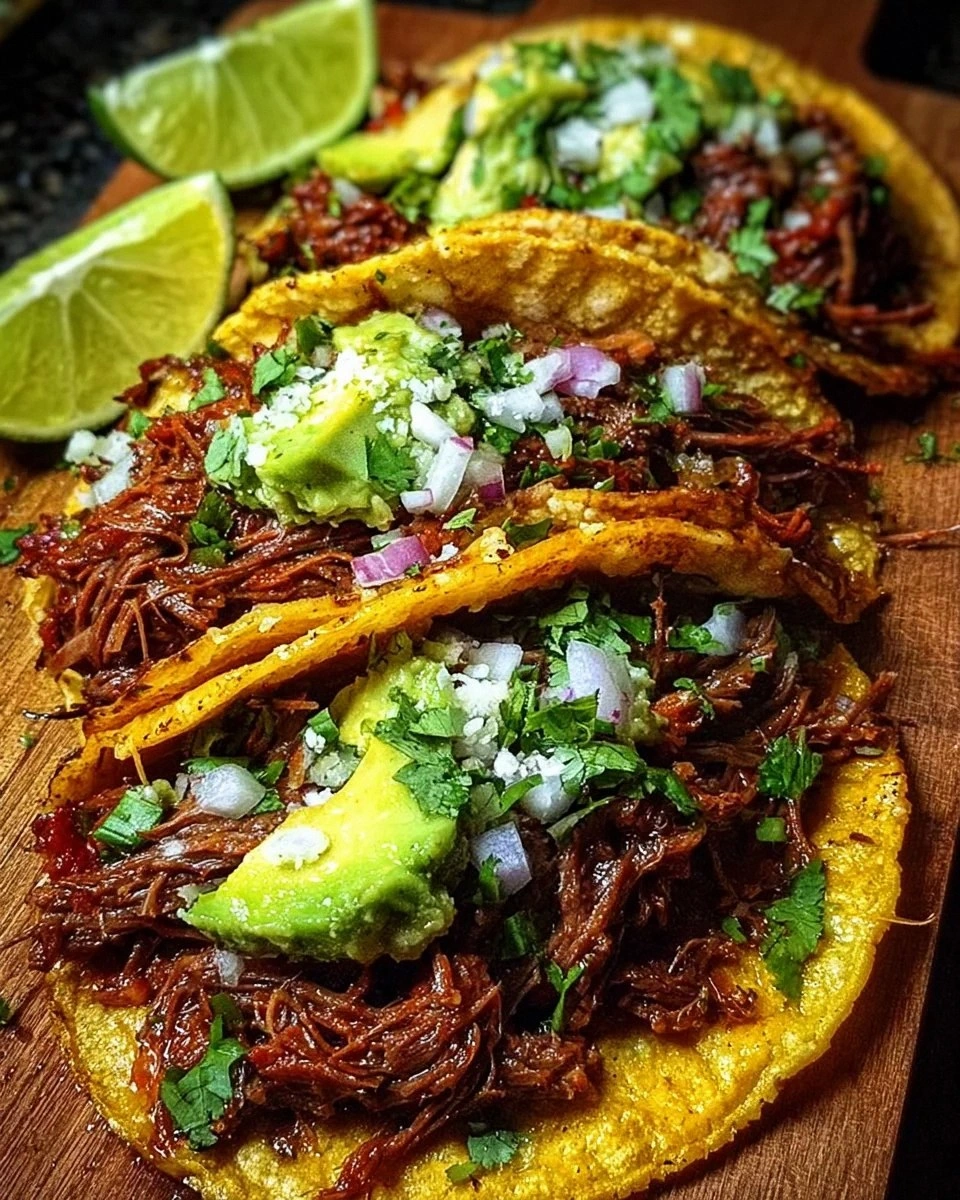
Assemble each taco: place a generous mound of crispy shredded beef in the center of a tortilla, add a spoonful of guacamole, sprinkle shredded Monterey Jack cheese, and finish with a handful of fresh cilantro. If you like heat, drizzle a little salsa or chili‑based sauce. The cheese will melt slightly from the residual heat of the beef, creating a glossy, cohesive layer.
Serve immediately while the beef is still hot and the tortillas are warm. The contrast of textures—crisp beef, creamy guac, melty cheese, and soft tortilla—creates a flavor explosion that will have everyone reaching for another. And remember: I’ll be honest — I ate half the batch before anyone else got to try it. That’s how good this is.
That's it — you did it. But hold on, I've got a few more tricks that'll take this to another level...
Insider Tricks for Flawless Results
The Temperature Rule Nobody Follows
Most home cooks think “high heat = fast cooking,” but with shredded beef you actually want a two‑stage temperature approach. Start low and slow (300°F) to break down collagen, then finish hot (400°F) for that crackle. If you skip the low‑and‑slow phase, the meat stays tough; skip the high‑heat finish, and you lose the crunch. I once tried to roast at 425°F straight through, and the result was a dry, crumbly mess that could barely hold together. Trust the thermometer, not the timer.
Why Your Nose Knows Best
Your sense of smell is a better indicator of doneness than any clock. When the beef hits that golden‑brown stage, you’ll notice a nutty, caramel aroma that signals the Maillard reaction is in full swing. If you can’t smell that, keep the heat up a bit longer. Conversely, if the scent turns overly smoky, pull the pan off the heat—over‑cooking will make the beef bitter.
The 5‑Minute Rest That Changes Everything
After the high‑heat sear, let the beef rest for a brief 5 minutes before assembling. This short pause allows the exterior to firm up just enough to stay crispy when you bite into it, while the interior stays juicy. I’ve seen people skip this rest and end up with soggy tacos that lose their crunch within seconds. A quick rest is a tiny step with a massive payoff.
Guac Preservation Pro
To keep guacamole from turning brown, press a piece of plastic wrap directly onto its surface before sealing the bowl. The airtight contact stops oxidation. Adding a teaspoon of lime juice not only flavors but also acts as a natural preservative. If you’re prepping ahead, store the guac in a shallow container—less depth means less air exposure.
Tortilla Toast Trick
For an extra layer of texture, lightly toast the warmed tortilla on a dry skillet for 10 seconds per side after microwaving. This adds a subtle char that complements the crispy beef and prevents the tortilla from becoming soggy once the guac and juices hit it. I swear this tiny extra step turns a good taco into a legendary one.
Creative Twists and Variations
This recipe is a playground. Here are some of my favorite ways to switch things up:
Spicy Chipotle Ranch
Swap the salsa for a chipotle ranch drizzle. Mix chipotle peppers in adobo with a splash of ranch dressing for a smoky, creamy heat that pairs perfectly with the beef’s crispness.
Breakfast Taco Remix
Add a fried egg on top of each taco and replace Monterey Jack with crumbled queso fresco. The runny yolk becomes a luscious sauce, turning the taco into a brunch centerpiece.
Asian Fusion
Incorporate a splash of soy sauce and a pinch of five‑spice into the seasoning blend, then garnish with pickled ginger and cilantro. The result is a taco that whispers of teriyaki while keeping the Mexican soul.
Vegetarian Swap
Replace the beef with shredded jackfruit marinated in the same taco seasoning. The texture mimics shredded meat, and the jackfruit absorbs the flavors beautifully, making a plant‑based version that still delivers crunch when pan‑seared.
Cheesy Overload
Mix in a blend of cheddar and pepper jack with the Monterey Jack for a sharper, spicier cheese profile. Top with a drizzle of queso fundido for extra gooey goodness.
Storing and Bringing It Back to Life
Fridge Storage
Place the shredded beef in an airtight container and store for up to 3 days. The guacamole should be kept in a separate sealed bowl with plastic wrap pressed onto its surface. When ready to serve, reheat the beef in a skillet over medium heat for 3‑4 minutes, adding a splash of water to revive the crisp edges.
Freezer Friendly
Cool the roasted beef completely, then portion into freezer‑safe bags (about 1‑pound per bag). Freeze for up to 2 months. Thaw overnight in the fridge, then crisp in a hot skillet as described in the method. The guac does not freeze well; prepare fresh when you’re ready to serve.
Best Reheating Method
To bring the beef back to life, heat a skillet over medium‑high, add a teaspoon of oil, and toss the shredded beef for 2‑3 minutes. Add a tiny splash of water (about 1 tablespoon) and cover for 30 seconds; the steam will re‑moisturize the meat while preserving the crispy bits. Warm the tortillas in the same pan for a few seconds on each side to restore their flexibility.