Picture this: it’s a rainy Saturday afternoon, the kind that makes you want to crawl under a blanket with a hot cup of tea, but the pantry is screaming for something with a little more attitude. I was rummaging through my fridge when I found a lonely bunch of rosemary, a few garlic cloves, and a half‑used bag of bread flour that had been waiting for a purpose. I tossed a quick “let’s make focaccia” idea into the air, only to realize that the standard loaf was too boring for my mood. That’s when I thought, “What if I could turn that classic Italian flatbread into bite‑size, fluffy muffins that explode with herbaceous aroma?” The result? A batch of rosemary garlic focaccia muffins that not only rescued the pantry but also became the talk of the house.
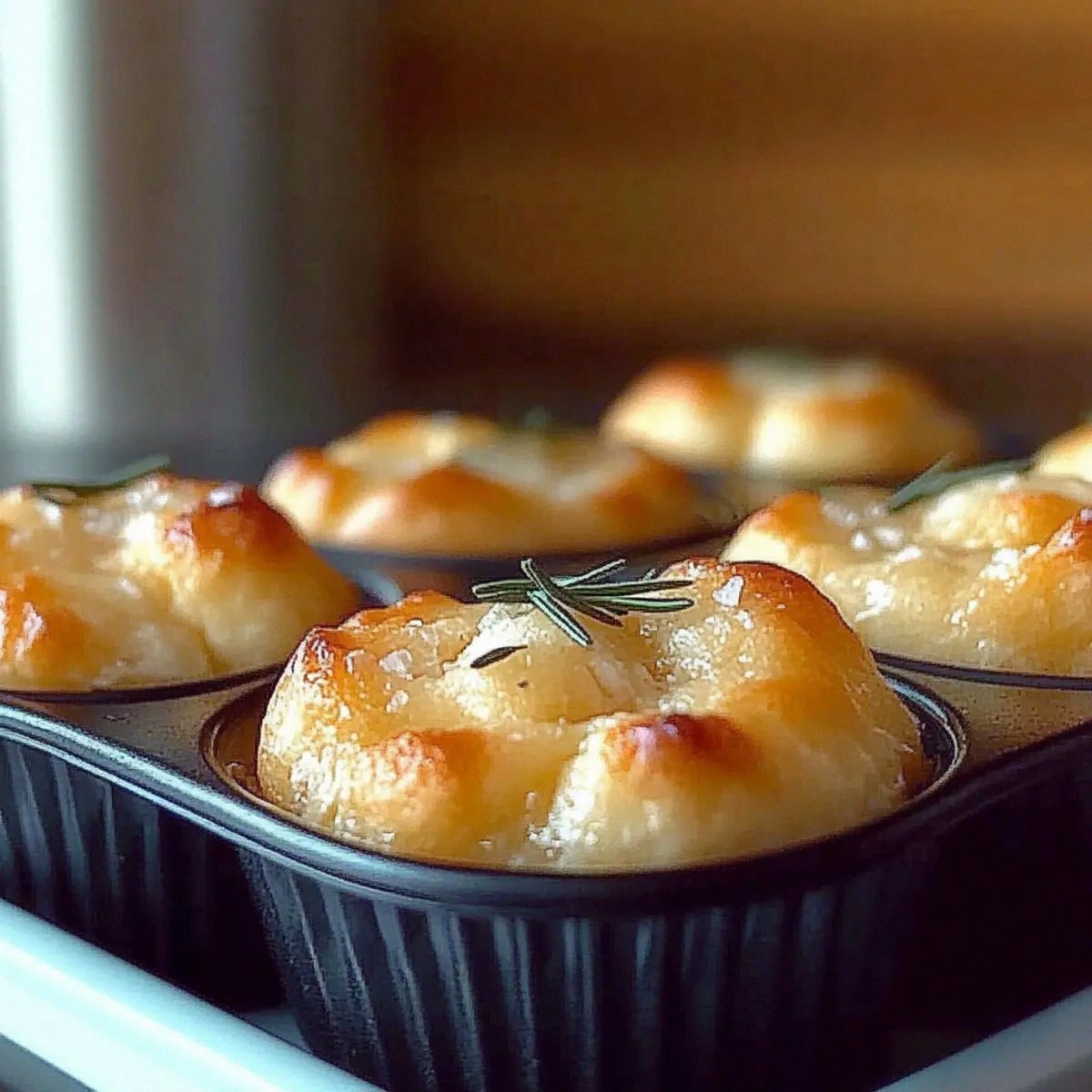
The moment those muffins hit the oven, the kitchen transformed into a Mediterranean trattoria. The air filled with the earthy perfume of rosemary, the sweet sharpness of garlic, and the comforting, yeasty warmth that makes your stomach do a happy dance. When you finally pull them out, the tops are speckled with sea‑salt crystals that glisten like tiny pearls, and the edges are crisped to a golden‑brown perfection that shatters with a satisfying snap—think of it as a tiny piece of crunchy fireworks. As you bite in, the interior is pillowy, almost like a cloud that’s been kissed by olive oil, while the rosemary and garlic give a bold, savory punch that lingers just long enough to keep you reaching for more.
Most focaccia recipes get this completely wrong: they either end up dense and doughy or overly dry and crumbly. I’ve tried a dozen variations that left me with either a soggy mess or a rock‑hard brick, and I’m sure you’ve been there too—maybe you’ve even given up on focaccia altogether. This version, however, strikes the perfect balance between a soft, airy crumb and a crisp, herb‑laden crust, thanks to a few game‑changing tweaks that I’ll spill the beans on. Think of it as the difference between a generic coffee and a perfectly pulled espresso shot—both are coffee, but one will make you a fan for life.
And now the fun part: I’m about to walk you through every single step—by the end, you’ll wonder how you ever made focaccia any other way. I dare you to taste this and not go back for seconds. Ready? Let’s get our hands dirty and create something that will wow every taste bud in the room.
What Makes This Version Stand Out
- Flavor Explosion: The combination of fresh rosemary and roasted garlic creates a savory depth that outshines ordinary focaccia. Each bite delivers a burst of aromatic herbs that feels like a walk through an Italian herb garden.
- Texture Harmony: The interior stays fluffy and light, while the exterior forms a crisp, salty crust. It’s the perfect contrast—soft as a cloud, crunchy as a fresh toast.
- Simplicity Meets Sophistication: Only ten ingredients, all pantry‑friendly, yet the result feels like something you’d order at a boutique bakery.
- Ingredient Quality: Using bread flour and extra‑virgin olive oil gives the dough structure and richness that all‑purpose flour simply can’t match.
- Crowd‑Pleaser: Whether it’s a brunch spread, a snack for the kids, or a side for dinner, these muffins disappear faster than you can say “more, please.”
- Make‑Ahead Magic: You can bake them ahead of time, freeze, and reheat with a splash of water for a fresh‑out‑of‑the‑oven experience.
- Versatile Base: The dough is a blank canvas for endless variations—cheese, sun‑dried tomatoes, olives—you name it.
- Quick Turnaround: From mixing to the first bite it’s under an hour, making it ideal for spontaneous cravings.
Inside the Ingredient List
The Flavor Base
Active Dry Yeast (2 teaspoons): This is the engine that lifts the dough, creating those airy pockets you love. If you skip the yeast, you’ll end up with a dense, bread‑like muffin that lacks the signature lightness. For a faster rise, dissolve the yeast in warm water with a pinch of sugar and let it proof for five minutes.
Honey (1 tablespoon): Not only does honey feed the yeast, it adds a subtle sweetness that balances the salty finish. It also contributes to a beautifully browned crust thanks to caramelization. If you’re allergic to honey, maple syrup works as a 1:1 swap.
Warm Water (1 cup): The temperature is crucial—aim for 105‑110°F (40‑43°C). Too hot and you’ll kill the yeast; too cold and the rise will crawl. A quick tip: run the water over the back of your hand; it should feel comfortably warm, not scalding.
The Texture Crew
Bread Flour (3 cups): High protein content gives the dough structure, allowing it to trap gas bubbles for that lofty crumb. All‑purpose flour would work in a pinch, but expect a slightly denser muffin. When shopping, look for flour labeled “bread flour” or “high gluten.”
Sea Salt (1 teaspoon): Salt regulates yeast activity and enhances the overall flavor profile. Skipping it would make the muffins taste flat, like a song missing its chorus. Use a fine sea salt for even distribution.
Extra‑Virgin Olive Oil (2 tablespoons): This oil adds richness and a subtle fruitiness that pairs perfectly with rosemary. It also helps the crumb stay moist longer. If you’re on a tight budget, a light olive oil will do, but don’t substitute with butter here—it changes the texture.
The Unexpected Star
Butter (2 tablespoons): Melted butter is folded in after the initial knead, creating a tender crumb and a buttery aroma that makes the muffins irresistible. It also contributes to a slightly richer crust. For a dairy‑free version, use coconut oil, but expect a faint coconut note.
Finishing Salt (¼ cup): Sprinkled on top before baking, this coarse salt adds a delightful crunch and a burst of salty flavor that makes each bite pop. It also gives the muffins a professional bakery look. If you don’t have coarse salt, crush regular sea salt with a mortar and pestle.
The Final Flourish
Fresh Rosemary (handful): Fresh rosemary delivers an aromatic punch that dried rosemary can’t match. Roughly chop it to release its oils; the tiny needles will caramelize in the oven, adding texture. If you’re out of fresh, use 1 tablespoon of dried rosemary, but reduce the amount by half.
Garlic Cloves (3 cloves): Minced garlic infuses the dough with a warm, pungent depth. Roast the cloves briefly in olive oil before mixing for a sweeter, less sharp flavor. If you’re a garlic lover, feel free to add an extra clove—just be ready for a stronger bite.
Everything's prepped? Good. Let’s get into the real action—mixing, kneading, and that glorious rise that will turn this simple dough into a masterpiece.

The Method — Step by Step
First, combine the warm water, honey, and active dry yeast in a small bowl. Stir gently and let it sit for about five minutes until it becomes foamy—this is the yeast waking up and ready to work its magic. If you don’t see bubbles, your water might have been too hot or the yeast is old; give it another minute and watch for that frothy layer. Once active, the mixture will smell sweet and slightly yeasty, a signal that the dough is about to rise beautifully.
In a large mixing bowl, whisk together the bread flour and sea salt. Make a well in the center and pour in the yeast mixture, followed by the extra‑virgin olive oil. Using a wooden spoon, stir until the dough starts to come together, then switch to your hands for a rough knead. Power transition: Okay, ready for the game‑changer? This is where the butter joins the party.
Turn the dough onto a lightly floured surface and knead for about eight minutes. You’re looking for a smooth, elastic texture that springs back when pressed. This is the moment of truth—if the dough resists, keep kneading; if it’s too sticky, sprinkle a little more flour, but don’t overdo it. The goal is a dough that feels supple, not stiff.
Place the dough in a lightly oiled bowl, cover with a clean kitchen towel, and let it rise in a warm spot for 45 minutes to an hour, or until it has doubled in size. While it rises, mince the garlic and roughly chop the rosemary; the aroma will fill your kitchen, teasing your senses. If you’re in a hurry, pop the bowl in a turned‑off oven with the light on—the gentle warmth speeds up fermentation.
Once doubled, gently deflate the dough and fold in the herb‑oil mixture, spreading it evenly. Then, using a spoon or your hands, portion the dough into a greased muffin tin—about ¾ full each. The dough should be soft and puffy, ready to puff up further during baking.
Brush the tops generously with the remaining herb‑oil, then sprinkle the finishing salt and a few extra rosemary needles for visual appeal. The salt crystals will melt slightly, creating those glistening specks that make the muffins look bakery‑ready. Let the tin rest for another 15 minutes; the dough will puff just a bit more, giving you that airy interior.
Preheat your oven to 425°F (220°C). Slide the muffin tin onto the middle rack and bake for 20‑25 minutes, or until the tops are golden brown and the edges pull away from the tin with a gentle tug. The scent at this stage is intoxicating—think sun‑kissed Mediterranean hills. If you like an extra crunch, broil for the last 2 minutes, watching closely so they don’t burn.
Remove the muffins and let them cool on a wire rack for at least 10 minutes. This rest allows the interior to set, preventing them from collapsing when you bite into them. Serve warm, drizzled with a touch more olive oil if desired, and watch as the crowd reaches for seconds. That’s it—you did it. But hold on, I’ve got a few more tricks that’ll take this to another level...
Insider Tricks for Flawless Results
The Temperature Rule Nobody Follows
Never bake focaccia muffins in a cold oven. Starting at a high temperature (425°F) creates an instant oven‑spring, giving you that dramatic rise and a crisp crust. If you preheat too slowly, the dough will spread and lose that airy interior. I once baked them at 350°F and ended up with flat, dense muffins—lesson learned. So crank that heat up and trust the process.
Why Your Nose Knows Best
When the dough is proofing, trust the scent. A properly fermented dough will smell slightly sweet and yeasty, not sour or alcoholic. If you detect a strong sour odor, the dough may be over‑fermented, leading to a gummy texture. This is where your kitchen instincts become your secret weapon.
The 5‑Minute Rest That Changes Everything
After you’ve filled the muffin tin, give the dough a brief 5‑minute rest before the final proof. This short pause lets the gluten relax, making the final rise more uniform and the crumb even lighter. Skipping this step often results in a denser top and uneven texture. I’ve seen bakers skip it and wonder why their muffins look “flat‑top.”
Butter vs. Oil Debate
While olive oil gives flavor, a splash of butter in the dough adds richness and a tender crumb. The key is to melt the butter and incorporate it after the first knead, not at the very start, to avoid inhibiting gluten development. If you love buttery notes, increase the butter to 3 tablespoons—but keep the olive oil for that authentic Mediterranean finish.
Finishing Salt Secrets
Don’t just sprinkle any salt; use a coarse finishing salt like fleur de sel or Maldon. The larger crystals provide a satisfying crunch and a burst of flavor that fine salt can’t match. For a twist, try a mixture of sea salt and smoked salt for a subtle smoky undertone that pairs beautifully with rosemary.
Creative Twists and Variations
This recipe is a playground. Here are some of my favorite ways to switch things up:
Cheesy Herb Explosion
Stir in ½ cup of shredded mozzarella or provolone into the dough before portioning. The cheese melts into gooey pockets, adding a creamy contrast to the herbaceous crust. Perfect for kids or cheese lovers.
Sun‑Dried Tomato & Basil
Replace half of the rosemary with chopped sun‑dried tomatoes and a tablespoon of fresh basil. The tomatoes add a sweet‑tart note, while basil brings a fresh, slightly peppery flavor. This variation feels like a summer picnic in every bite.
Olive & Feta Delight
Fold in ¼ cup of chopped Kalamata olives and ¼ cup of crumbled feta cheese. The briny olives and tangy feta complement the rosemary, creating a Mediterranean tapas vibe. Serve with a drizzle of balsamic reduction for extra flair.
Spicy Chili‑Garlic
Add a finely minced red chili and a dash of crushed red pepper flakes to the garlic‑rosemary oil. The heat pairs wonderfully with the fragrant herbs, giving the muffins a subtle kick that’s perfect for a brunch with friends.
Sweet Herb Breakfast
Swap the finishing salt for a light dusting of cinnamon sugar and drizzle a thin honey glaze after baking. The rosemary’s piney notes mingle with sweet honey, turning these muffins into a breakfast treat that’s both savory and sweet.
Storing and Bringing It Back to Life
Fridge Storage
Place cooled muffins in an airtight container or zip‑top bag and store them in the refrigerator for up to three days. The olive oil helps keep them from drying out, but a quick reheating will restore that fresh‑out‑of‑the‑oven feel.
Freezer Friendly
Wrap each muffin individually in parchment paper, then seal them in a freezer‑safe bag. They’ll keep for up to two months. When you’re ready to enjoy, let them thaw at room temperature for 15 minutes, then pop them in a 350°F oven for 8‑10 minutes.
Best Reheating Method
Preheat a skillet over medium heat, add a splash of water (just a teaspoon), and cover with a lid for two minutes. The steam revives the crumb, while the skillet crisps the top. That tiny splash of water is the secret that turns a day‑old muffin back into a golden masterpiece.