I’ll be honest — I ate half the batch before anyone else got to try it, and that was only because the aroma was so intoxicating it practically demanded a taste test. It all started on a rainy Tuesday when my favorite coffee shop ran out of their signature cinnamon roll, leaving me with a sudden, desperate craving for something sweet, buttery, and spiced. I rummaged through the pantry, found a half‑forgotten jar of dulce de leche, and thought, “What if I sandwiched that golden caramel between two cinnamon‑kissed cookies?” The result was a revelation that turned my kitchen into a cozy sanctuary, the kind of place where you can hear the clock tick and still feel like time has slowed down.
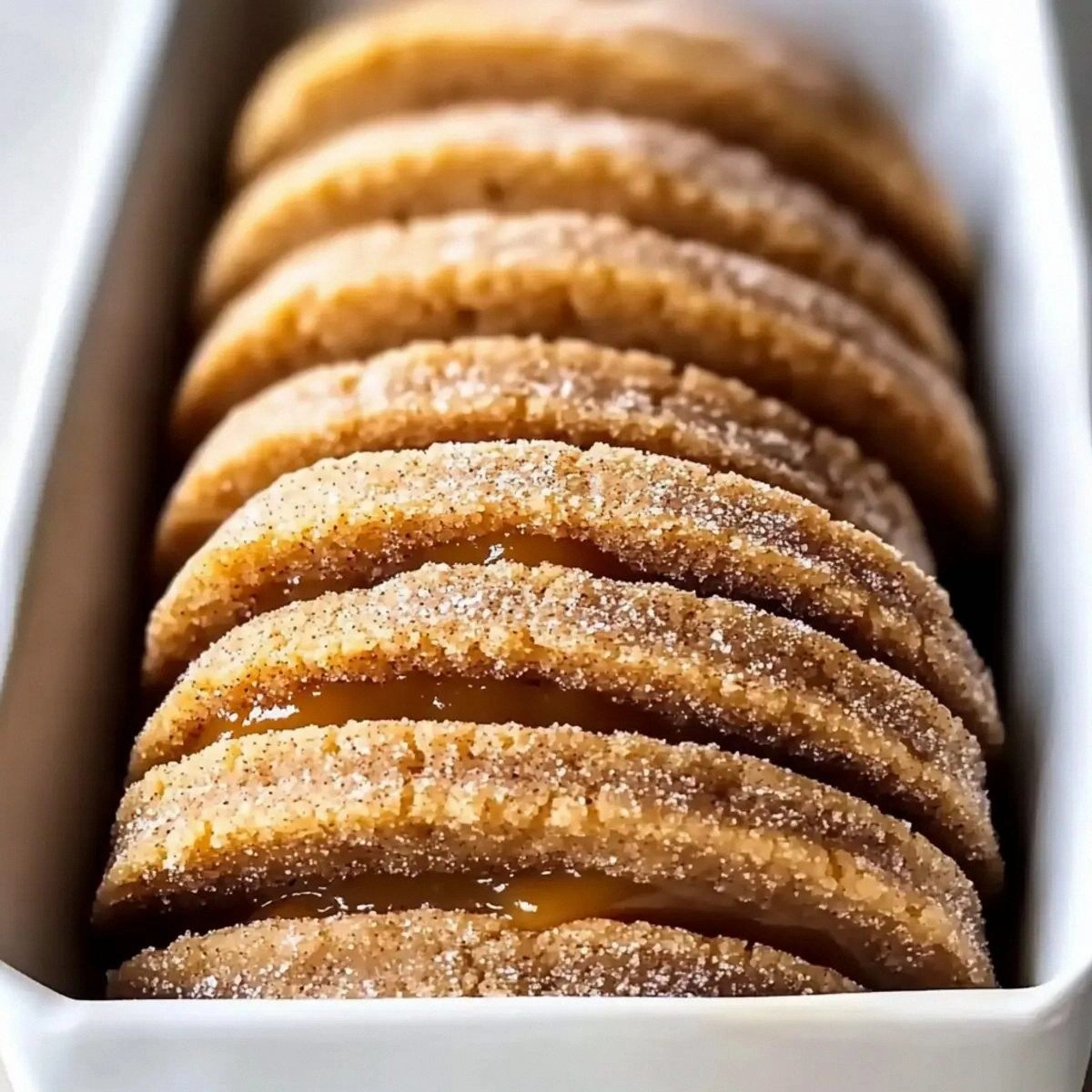
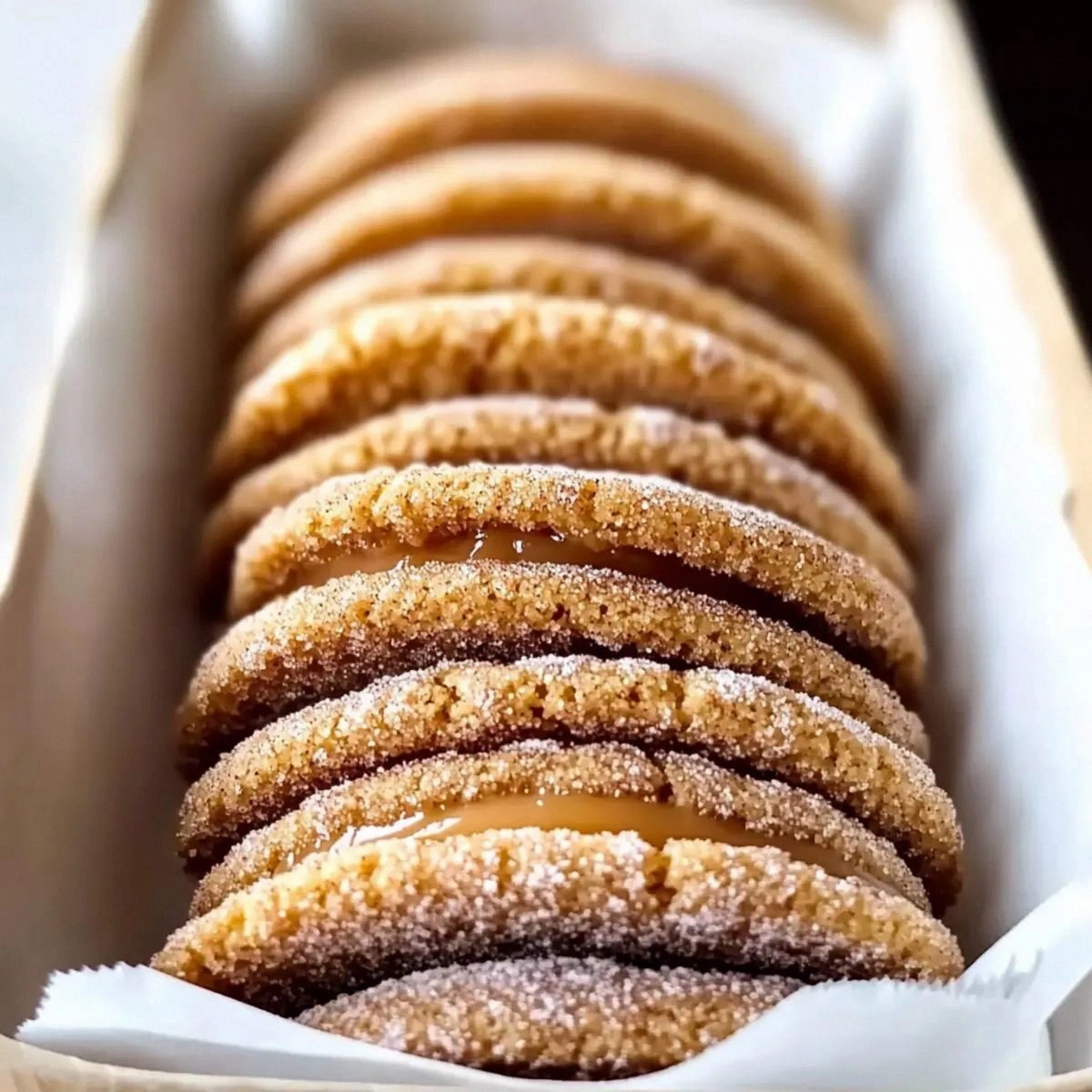
Picture yourself pulling a tray of these cookies from the oven, the whole kitchen smelling like a warm hug wrapped in cinnamon and caramel. The cookies themselves have a crisp edge that shatters like thin ice, yet the interior stays soft enough to melt in your mouth, creating a texture contrast that feels like a well‑orchestrated symphony. When you bite into the sandwich, the dulce de leche oozes out, coating your tongue in a velvety sweetness that makes you want to close your eyes and sigh. Most recipes get this completely wrong—either the cookies are too dry or the filling is too runny. Here’s what actually works: a precise butter‑to‑flour ratio, a splash of cinnamon sugar for that aromatic punch, and a generous dollop of dulce de leche that’s just the right thickness.
I dared you to taste this and not go back for seconds, because once you experience that buttery crunch paired with the caramel depth, you’ll understand why this is hands down the best version you’ll ever make at home. The secret isn’t a fancy gadget or an exotic spice; it’s a simple technique of chilling the dough just long enough to prevent spreading, and a quick flash‑bake that gives the edges a golden kiss without over‑cooking the centers. The result? A cookie that holds its shape, stays tender, and invites you to linger over a cup of tea or coffee for hours.
Okay, ready for the game‑changer? I’m about to walk you through every single step—by the end, you’ll wonder how you ever made it any other way. Stay with me here — this is worth it. Let’s dive into the details that make these Dulce de Leche Cinnamon Sandwich Cookies the ultimate cozy‑moment treat.
What Makes This Version Stand Out
- Taste: The sweet, buttery base is elevated by a caramel‑rich dulce de leche that never overpowers, while a whisper of cinnamon sugar adds a warm, spicy finish.
- Texture: A crisp, buttery edge gives way to a melt‑in‑your‑mouth interior, creating a satisfying bite contrast that most cookie recipes lack.
- Simplicity: Only ten pantry‑friendly ingredients, no exotic spices, and a straightforward method that even a kitchen newbie can master.
- Uniqueness: The combination of a classic cinnamon‑sugar cookie with a luscious Latin American caramel filling is rarely paired, making it a conversation starter.
- Crowd Reaction: Guests invariably ask for the recipe on the spot; it’s the kind of treat that turns casual visitors into repeat fans.
- Ingredient Quality: Using real unsalted butter and high‑quality dulce de leche ensures a rich, authentic flavor that shortcuts can’t mimic.
- Cooking Method: A short bake at a high temperature creates that coveted caramelized edge without drying out the center.
- Make‑Ahead Potential: The cookies store beautifully, and the filling can be pre‑scooped, letting you assemble them whenever the craving hits.
Inside the Ingredient List
The Flavor Base
Unsalted butter is the cornerstone of any great cookie, providing richness and a tender crumb. I use a full cup of room‑temperature butter so it creams easily with the sugar, trapping air that later expands during baking. If you skip the butter or replace it with a margarine substitute, you’ll notice a bland, greasy mouthfeel that never quite reaches that buttery bliss. For the best results, opt for European‑style butter with a higher butterfat content; it adds depth and a slightly nutty aroma.
The Sweetening Squad
Granulated sugar does more than sweeten; it helps create that delicate crunch on the cookie’s edge. One cup is enough to balance the caramel richness of the dulce de leche without making the cookie overly sweet. If you’re watching sugar, you can substitute half with coconut sugar for a subtle caramel note, but keep in mind the texture will be a tad softer. The cinnamon sugar mixture (¼ cup) is a blend of ground cinnamon and sugar that adds a fragrant spice that’s both comforting and slightly exotic.
The Texture Crew
All‑purpose flour provides the structural backbone, and at two cups it creates a sturdy yet tender cookie. Baking soda (1 tsp) is the leavening agent that gives a subtle lift, preventing the cookies from becoming dense. The half‑teaspoon of salt is crucial; it amplifies the sweetness and balances the caramel’s richness. Skipping the salt is a common mistake that leads to a flat, overly sweet cookie that feels one‑dimensional.
The Unexpected Star
Dulce de leche, the silky caramel‑like spread, is the secret weapon that transforms an ordinary cinnamon cookie into a show‑stopping dessert. One cup of this golden elixir is enough to generously fill each sandwich, ensuring every bite delivers a gooey surprise. If you can’t find dulce de leche, you can make a quick version by simmering sweetened condensed milk for an hour, stirring constantly to avoid scorching. The result will be just as luscious, though the store‑bought version offers a consistent texture that’s hard to beat.
Everything's prepped? Good. Let's get into the real action...
The Method — Step by Step
Preheat your oven to 375°F (190°C) and line two baking sheets with parchment paper. As the oven warms, the kitchen will fill with a faint, buttery scent that signals good things are on the way. While you wait, gather all your ingredients so you can move quickly—no rummaging mid‑mix.
In a large mixing bowl, cream together the 1 cup of unsalted butter and 1 cup of granulated sugar until the mixture is pale, fluffy, and the texture resembles a cloud. This should take about 3‑4 minutes with an electric mixer on medium speed; you’ll notice the mixture lighten in color—a visual cue that air has been incorporated.
Add the large egg and 1 teaspoon of vanilla extract, beating until fully combined. The batter should look glossy and smooth, with the egg fully emulsified. Pro tip: If the mixture looks curdled, keep beating a minute longer; the sugar will dissolve and the texture will smooth out.
Kitchen Hack: Add a splash of milk (about 2 tbsp) if the dough feels too dry; it helps achieve a silkier consistency without altering flavor.In a separate bowl, whisk together 2 cups of all‑purpose flour, 1 teaspoon of baking soda, ½ teaspoon of salt, and the ¼ cup of cinnamon sugar. Whisking ensures the leavening agent is evenly distributed, preventing pockets of soda that could cause uneven rise.
Gradually add the dry mixture to the wet ingredients, stirring with a spatula until just combined. Over‑mixing at this stage can develop gluten, leading to tough cookies.
Watch Out: Stop mixing as soon as you see no more streaks of flour; the dough should be slightly shaggy.Divide the dough in half. To one half, fold in the ¼ cup of butter (softened) and the ¼ cup of cinnamon sugar, creating a speckled, aromatic dough that will become the “cinnamon‑kissed” side of the sandwich. This extra butter adds a richer mouthfeel and intensifies the cinnamon aroma.
Kitchen Hack: Roll each dough portion between two sheets of parchment into a ¼‑inch slab; this ensures uniform thickness for even baking.Using a 2‑inch cookie cutter (or a round glass), cut out circles from both dough halves. Place the plain (non‑cinnamon) circles on one baking sheet and the cinnamon‑enhanced circles on the other. Keep the shapes uniform; this helps the sandwich assemble neatly later.
Bake the cookies for 10‑12 minutes, rotating the trays halfway through. You’ll know they’re done when the edges turn a light golden brown and the tops develop a faint sheen. The scent at this point is pure comfort—think grandma’s kitchen on a lazy Sunday.
While the cookies cool on a wire rack, warm the 1 cup of dulce de leche in a microwave‑safe bowl for 30‑45 seconds, just until it becomes pourable. Using a small offset spatula, spread a generous dollop onto the flat side of each plain cookie, then top with a cinnamon‑sugar cookie, pressing lightly to create a sandwich. The filling should ooze slightly at the edges, creating that irresistible “gooey‑pull” visual cue.
That's it — you did it. But hold on, I've got a few more tricks that'll take this to another level, ensuring each bite is as unforgettable as the first.
Insider Tricks for Flawless Results
The Temperature Rule Nobody Follows
Most home bakers bake at 350°F, but raising the temperature to 375°F creates a quick caramelization on the cookie’s edge while keeping the center soft. This tiny adjustment shortens bake time by a minute or two, preserving that melt‑in‑your‑mouth interior. I once tried the lower temperature and ended up with a dry, crumbly cookie—lesson learned: heat matters more than you think.
Why Your Nose Knows Best
Your sense of smell is a reliable indicator of doneness. When the cookies start to emit a nutty, toasted aroma, that’s the exact moment the edges have browned just enough. Trust that nose signal over the clock; it prevents over‑baking and ensures a perfect texture every time.
The 5‑Minute Rest That Changes Everything
After baking, let the cookies rest on the wire rack for at least five minutes before assembling. This short pause allows the interior to set, so the dulce de leche doesn’t seep through the cookie walls. A friend once tried to sandwich them while still hot, and the filling leaked everywhere—let them cool, and you’ll avoid that mess.
Butter Temperature Trick
Using butter that’s just soft enough to press a finger into (about 68°F) creates a dough that spreads minimally. If the butter is too warm, the cookies will flatten; if too cold, they won’t blend properly, leaving pockets of unmixed butter. A quick tip: leave the butter out for 30 minutes on the counter, or give it a gentle microwave zap for 5 seconds.
The Light‑Touch Press
When you press the two cookies together, apply just enough pressure to adhere without squashing the filling. A gentle press ensures the dulce de leche stays centered and creates a clean seam. Too much force will cause the caramel to ooze out, turning the sandwich into a sticky mess.
Creative Twists and Variations
This recipe is a playground. Here are some of my favorite ways to switch things up:
Spicy Chili Chocolate
Add a pinch of ground chili powder to the cinnamon sugar and swirl in a tablespoon of melted dark chocolate into the dulce de leche. The heat from the chili pairs beautifully with the sweet caramel, creating a sophisticated flavor profile that will wow adventurous eaters.
Nutty Crunch
Fold finely chopped toasted pecans or walnuts into the cinnamon‑sugar dough before cutting out the circles. The nuts add a delightful crunch that contrasts with the soft interior, and their buttery flavor complements the caramel perfectly.
Coconut Dream
Replace the regular butter in the cinnamon‑sugar dough with coconut oil and sprinkle unsweetened shredded coconut on top before baking. The subtle coconut aroma adds a tropical twist, making these cookies perfect for a summer gathering.
Espresso Infusion
Stir a teaspoon of instant espresso powder into the plain dough and add a dash of coffee‑flavored liqueur to the dulce de leche. The coffee notes deepen the caramel flavor, turning the sandwich into a sophisticated after‑dinner treat.
Mini Bite‑Size
Use a smaller cookie cutter (about 1 inch) to create bite‑size versions. These mini sandwiches are perfect for parties, allowing guests to sample multiple variations without feeling overly full.
Storing and Bringing It Back to Life
Fridge Storage
Place the assembled cookies in an airtight container and store them in the refrigerator for up to five days. The cool environment keeps the dulce de leche from becoming overly runny while preserving the cookie’s crispness.
Freezer Friendly
If you want to make a big batch, freeze the baked cookie shells (unfilled) on a parchment sheet, then transfer them to a zip‑top bag. They’ll keep for three months. When you’re ready, thaw at room temperature, spread fresh dulce de leche, and enjoy.
Best Reheating Method
To revive a day‑old sandwich, place it on a baking sheet and warm it in a 300°F oven for 5‑7 minutes. Add a tiny splash of water (about a teaspoon) to the tray; the steam will re‑moisturize the cookie edges, making them feel freshly baked.