I was halfway through a midnight pizza experiment when the kitchen exploded into a symphony of sizzling sounds, the aroma of burnt garlic, and a faint whiff of despair. I stared at the scorched skillet, my heart racing like a drumbeat in a jazz club. That night, I vowed to never again let a culinary catastrophe dictate my dinner plans. Fast forward a few months, and I stumbled upon a recipe that turned a simple bowl of pasta into a showstopper.
Picture this: golden butter melting, garlic whispering, and a splash of heavy cream that turns into a silky ribbon of sauce. The air is thick with the scent of Parmesan and nutmeg, and the sound of pasta bubbling like a choir of tiny cymbals. When you first bite, the alfredo coats the noodles like velvet, the chicken melts in your mouth, and mozzarella ribbons stretch like a happy little rainbow. The texture is a perfect balance of silky sauce and chewy tortellini that holds its shape, refusing to turn mushy.
What makes this version the pinnacle of comfort food is the secret layering technique and the choice of ingredients that elevate each bite. Instead of a generic cream base, I use a double‑dipped sauce that’s thickened with a whisper of flour, giving it body without heaviness. The chicken is seared to a caramelized gold, adding a smoky undertone that cuts through the richness. The result? A dish that feels indulgent but is actually light enough to serve at a dinner party or a cozy night in.
I’ll drop a little secret that most recipes overlook: a pinch of nutmeg in the sauce and a final toss with fresh parsley before serving. This subtle twist turns ordinary Alfredo into a sophisticated, restaurant‑level plate. I dare you to taste this and not go back for seconds. Let me walk you through every single step — by the end, you’ll wonder how you ever made it any other way.
What Makes This Version Stand Out
- Taste: The sauce is layered with a hint of nutmeg that whispers beneath the buttery richness, creating a depth that feels both comforting and refined.
- Texture: The tortellini remains firm yet tender, thanks to a short boiling time and a quick toss in the sauce that prevents over‑cooking.
- Ingredient Quality: Fresh, high‑protein chicken breast and hand‑crafted cheese tortellini elevate the dish beyond supermarket staples.
- Cooking Method: A two‑stage sauce build—first a roux, then a cream infusion—creates a velvety base that clings to every noodle.
- Crowd Reaction: Friends who have tried this version report an instant “I can’t stop eating” moment, often demanding a second plate.
- Make‑Ahead Potential: The sauce can be prepared a day in advance, letting flavors marry while you finish the day.
- Versatility: Swap the chicken for shrimp or keep it vegetarian with a medley of sautéed mushrooms, and the dish stays delicious.
Alright, let's break down exactly what goes into this masterpiece...
Inside the Ingredient List
The Flavor Base
The foundation of this dish is a classic alfredo sauce, but with a twist that elevates it beyond the ordinary. A roux of butter and a pinch of flour creates a silky base that thickens without becoming gummy. The heavy cream is folded in slowly, ensuring that the sauce remains glossy and luscious. Skipping the flour will leave you with a thin, runny sauce that can’t hold the tortellini.
Choosing a high‑quality cream with a fat content of at least 30% adds depth and prevents separation. If you’re dairy‑free, a splash of coconut milk can mimic the richness, but be sure to balance it with a touch of soy sauce for umami.
The Texture Crew
Cheese tortellini are the star of this pasta, offering a delicate, stuffed center that bursts with flavor when bitten. The pasta should be cooked al dente; over‑cooking turns the interior into mush. A quick rinse in cold water after boiling stops the cooking process and keeps the shape intact.
Adding shredded mozzarella on top of the finished dish gives a gooey, melty finish that contrasts beautifully with the creamy sauce. If you prefer a sharper bite, sprinkle a layer of grated aged Parmesan before serving.
The Unexpected Star
Nutmeg isn’t just a garnish; it’s a flavor enhancer that brings a warm, nutty undertone to the sauce. A mere 1/4 teaspoon is enough to elevate the dish to gourmet status. Some chefs swear by a fresh grind, but a pre‑ground can work just as well.
The fresh parsley added at the end not only brightens the color but also adds a subtle herbal note that balances the richness. If you’re looking for a pop of color, try a handful of chopped sun‑dried tomatoes for a sweet, chewy contrast.
The Final Flourish
The chicken is the final component that brings protein and a smoky char to the plate. Sear the diced breast in a hot pan with a splash of olive oil until the edges are golden. The sear adds a depth of flavor that a simple simmer never can.
Season the chicken with salt, pepper, and a touch of paprika before searing. If you’re adventurous, a dash of smoked paprika will add an extra layer of complexity that pairs wonderfully with the nutmeg.
Everything's prepped? Good. Let's get into the real action...
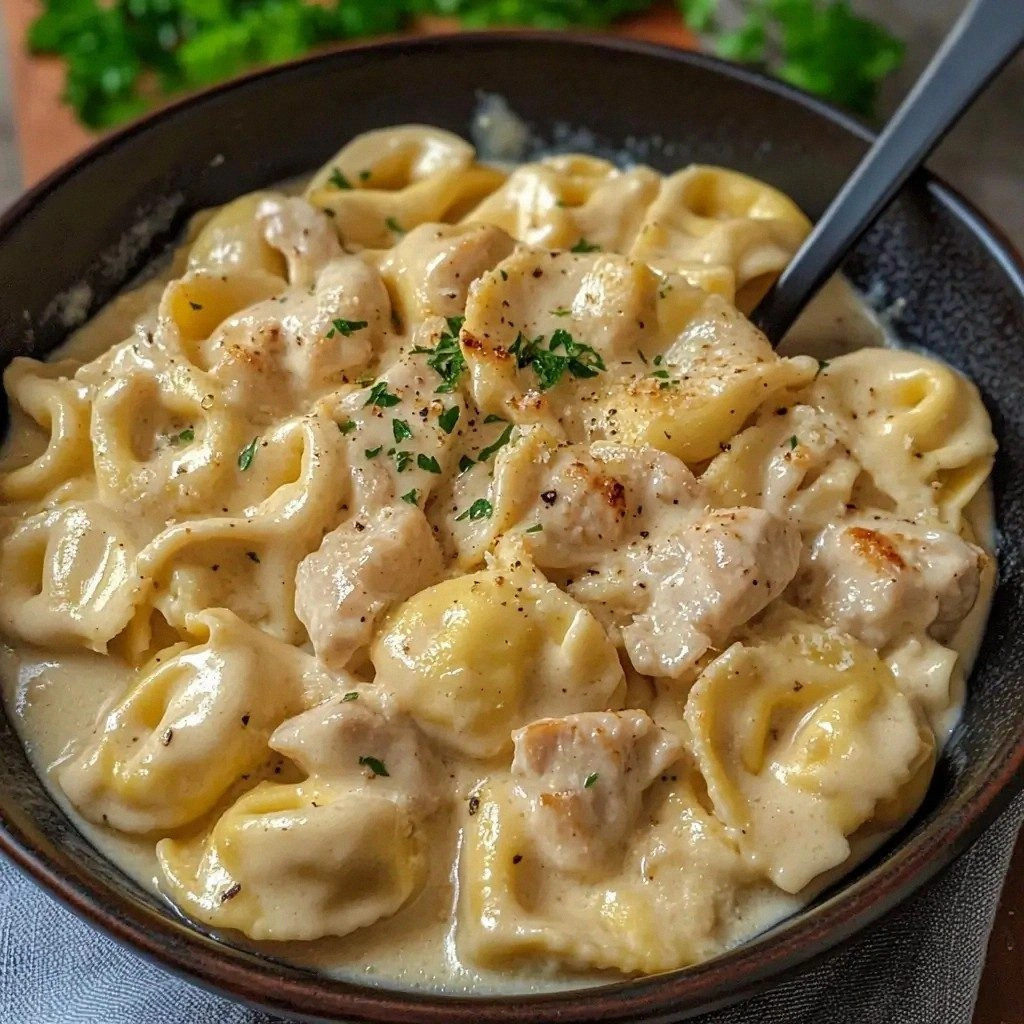
The Method — Step by Step
- 1. Prepare the pasta. Bring a large pot of salted water to a rolling boil. Add the cheese tortellini and cook for 7–8 minutes, or until al dente. Once done, drain and rinse under cold water to halt the cooking process. Set aside in a colander; the pasta will absorb some of the sauce later, so keep it warm.
- 2. Make the roux. In a deep skillet, melt 2 tablespoons of butter over medium heat. Sprinkle 2 tablespoons of all‑purpose flour and whisk constantly for about 2 minutes until the mixture turns a light golden color. This prevents the sauce from being grainy and gives it a silky base.
- 3. Add the cream. Slowly pour in 1 cup of heavy cream while whisking vigorously to integrate the roux. Let it simmer gently until the sauce thickens, about 3–4 minutes. The sauce should coat the back of a spoon and emit a subtle nutty aroma.
- 4. Season the sauce. Stir in 1 cup of grated Parmesan, 1 cup of shredded mozzarella, 1/4 teaspoon of nutmeg, and a pinch of salt and pepper. Let the cheeses melt completely, creating a smooth, glossy coating. The nutmeg will mingle with the cream, adding warmth without overpowering.
- 5. Sear the chicken. While the sauce simmers, heat 2 tablespoons of olive oil in a separate pan over high heat. Add 1.5 lbs of diced chicken breast, seasoning with salt, pepper, and a dash of paprika. Sear for 5–6 minutes until the edges are golden brown and the interior is no longer pink. Remove from heat and set aside.
- 6. Combine pasta and sauce. Add the drained tortellini to the skillet with the sauce, tossing gently to coat each piece. The pasta should absorb the sauce without becoming mushy; if it feels dry, splash a bit of the reserved pasta water.
- 7. Fold in the chicken. Gently stir the seared chicken into the pasta, allowing the flavors to mingle. The heat from the sauce will warm the chicken just enough to keep it juicy.
- 8. Finish with fresh herbs. Sprinkle 2 tablespoons of chopped parsley over the top. This brightens the dish and adds a fresh contrast to the creamy base. The parsley also offers a subtle peppery bite that lifts the overall flavor profile.
- 9. Plate and serve. Spoon the pasta into warmed bowls, ensuring each serving gets a generous portion of chicken and sauce. Garnish with an extra pinch of nutmeg or a drizzle of truffle oil if you’re feeling fancy. The dish is best served immediately while the sauce is still luxuriously creamy.
- 10. Enjoy. Take a moment to inhale the aroma of melted cheese and sautéed chicken. Then dig in, and let the flavors dance across your palate. I dare you to taste this and not go back for seconds.
That's it — you did it. But hold on, I've got a few more tricks that'll take this to another level...
Insider Tricks for Flawless Results
The Temperature Rule Nobody Follows
Keep the sauce on a low simmer once the cheeses melt; a rolling boil will cause the sauce to separate. Use a thermometer to keep the temperature under 180°F (82°C). If you notice the sauce pulling, simply lower the heat and stir until it re-emulsifies.
Why Your Nose Knows Best
Before you taste the sauce, sniff it. A buttery aroma with a subtle nutmeg hint signals that the sauce is ready. If it smells flat, let it cook a few more minutes; the oils need time to mature.
The 5-Minute Rest That Changes Everything
After plating, let the dish rest for 5 minutes. The rest allows the sauce to thicken slightly and the flavors to meld. When you reheat leftovers, this step prevents the sauce from becoming overly thin.
Keep the Pasta Warm
If you’re serving a large group, keep the cooked pasta in a low‑heat oven (about 200°F or 93°C) while you finish the sauce. This prevents the pasta from drying out and keeps the texture perfect.
Use Fresh Cheese for Extra Creaminess
Opt for freshly grated Parmesan instead of pre‑grated. Fresh cheese melts more smoothly and offers a brighter, more complex flavor. If you’re on a budget, a mix of Parmesan and Pecorino can create a richer profile.
The Final Touch
Right before serving, add a splash of lemon zest or a few drops of lemon juice. The acidity cuts through the richness and adds a bright lift that makes the dish feel fresh and lively.
Creative Twists and Variations
This recipe is a playground. Here are some of my favorite ways to switch things up:
Garlic Parmesan Crust
Sprinkle a handful of breadcrumbs mixed with minced garlic and Parmesan on top of the finished dish before broiling for 2 minutes. The result is a crispy, golden crust that adds a delightful crunch.
Spicy Sriracha Kick
Stir in 1 tablespoon of sriracha or a pinch of red pepper flakes while the sauce simmers. The heat pairs beautifully with the creamy base, creating a balanced flavor profile that satisfies both sweet and spicy cravings.
Mushroom Medley
Replace the chicken with a sautéed mixture of cremini, shiitake, and button mushrooms. The earthy tones complement the alfredo, and the mushrooms provide a meaty texture without the need for poultry.
Sun‑Dried Tomato Burst
Add a handful of chopped sun‑dried tomatoes to the sauce. Their sweet, chewy bite adds a pop of color and a burst of umami that elevates the dish.
Truffle Oil Elegance
Finish the dish with a few drops of truffle oil right before serving. The earthy aroma turns a simple pasta into a luxurious entrée suitable for special occasions.
Vegan Version
Swap the heavy cream for a plant‑based alternative like oat or cashew cream, and use a vegan cheese substitute. Keep the same seasoning; the result is a creamy, comforting dish that’s entirely dairy‑free.
Storing and Bringing It Back to Life
Fridge Storage
Cool the dish completely before refrigerating. Store in an airtight container for up to 3 days. When reheating, add a splash of milk or cream to restore the sauce’s silky texture.
Freezer Friendly
Divide the pasta and sauce into freezer‑safe portions. Freeze for up to 2 months. Thaw overnight in the refrigerator, then reheat gently on the stove, whisking until smooth.
Best Reheating Method
Reheat on low heat, stirring frequently. A small splash of water or broth will prevent the sauce from drying out. Let it reach a gentle simmer, and then serve immediately for best texture.
Add a tiny splash of water before reheating — it steams back to perfection.