I still remember the morning I accidentally created the most incredible cinnamon roll cake of my life. I was supposed to be making regular cinnamon rolls for my book club, but my stand mixer decided to stage a rebellion at the worst possible moment. The dough hook wouldn't attach properly, flour was flying everywhere like some kind of baking snow globe, and I had thirty minutes before my friends would arrive expecting warm, gooey cinnamon goodness. In my panic, I grabbed a cake pan and thought, "What if I just... didn't roll them?" That split-second decision led to this magnificent creation that has since become my signature dish, the one thing everyone begs me to bring to every gathering.
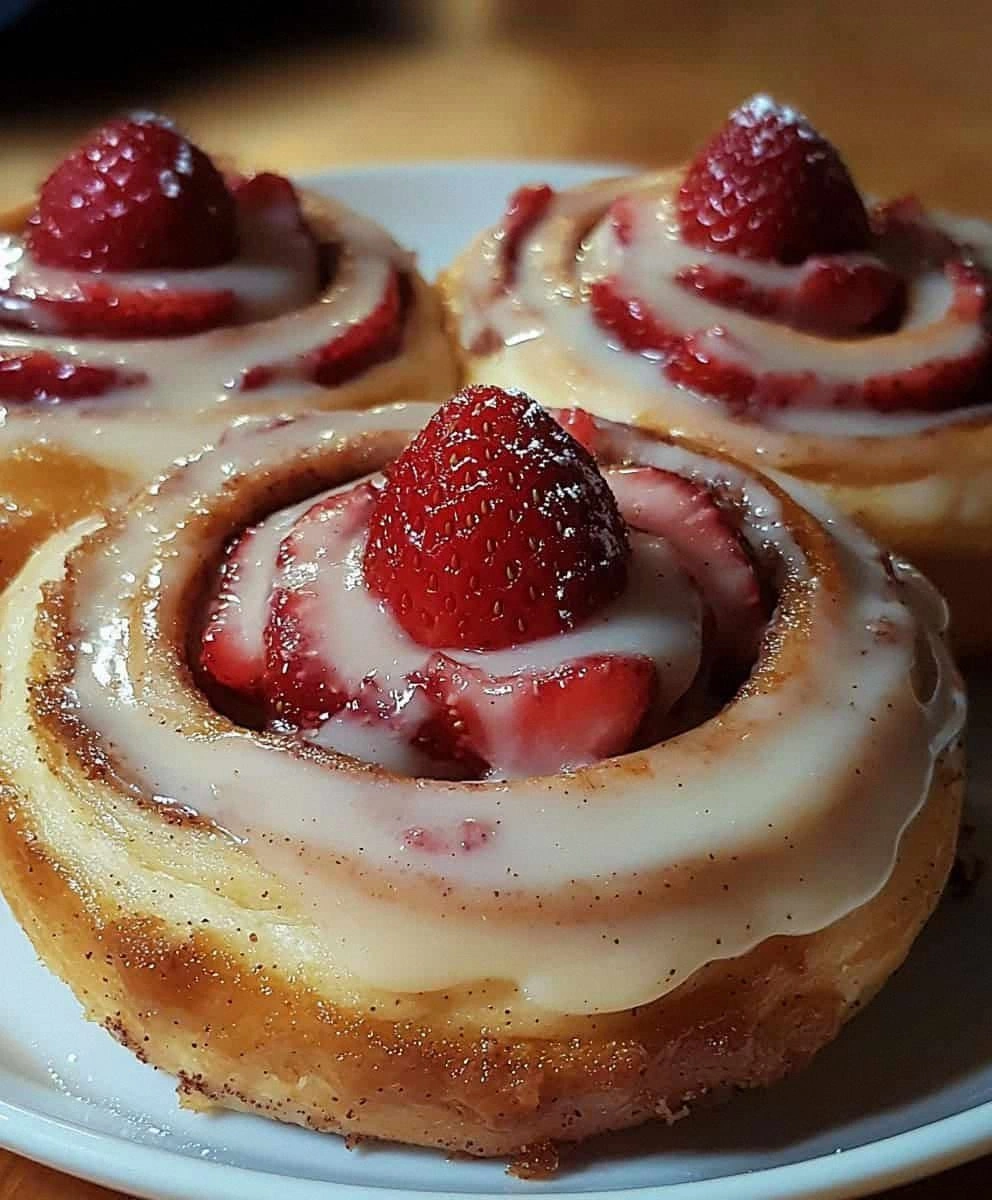
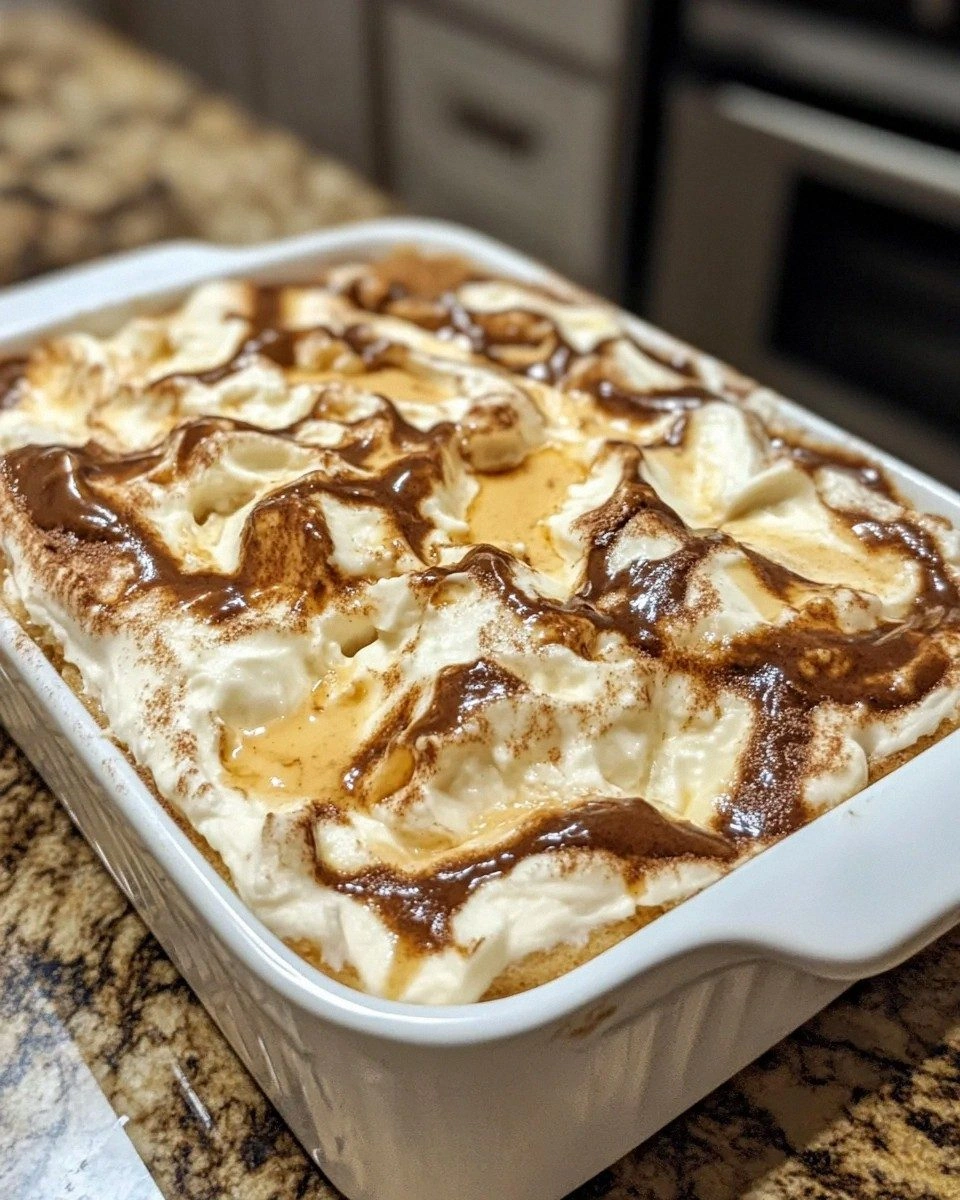
Picture this: It's 7 AM on a Saturday, your kitchen smells like a cinnamon factory exploded in the best possible way, and you're pulling out a golden, pillowy cake that looks like someone took all your favorite parts of a cinnamon roll and turned them into pure comfort. The top is crackling with caramelized sugar, the middle is so tender it practically sighs when you cut into it, and the cinnamon swirl has created these gorgeous marbled patterns that look like edible art. Your neighbors will start showing up with coffee mugs in hand, drawn by the aroma that's somehow wafting through walls and making the whole neighborhood smell like the world's coziest bakery.
But here's where it gets really good — this isn't just some lazy shortcut that tastes "almost" as good as the real thing. This cinnamon roll cake is actually better than traditional rolls in ways that'll make you question everything you thought you knew about baking. We're talking about crispy edges that shatter like the top of a crème brûlée, a tender crumb that stays moist for days (if it lasts that long), and the most incredible cinnamon swirl that creates these pockets of pure spice heaven throughout every single bite. The texture is somehow both cakey and bread-like, with the best qualities of both worlds.
Okay, ready for the game-changer? Instead of rolling individual pieces and hoping they all bake evenly, everything bakes together in one glorious pan, which means every bite has the perfect ratio of fluffy cake to cinnamon swirl. No more fighting over the center rolls that everyone wants, no more dried-out edge pieces that nobody claims. Every slice is the perfect slice, with crispy caramelized edges and a soft, tender interior that melts in your mouth like cinnamon-spiced clouds. Let me walk you through every single step — by the end, you'll wonder how you ever made it any other way.
What Makes This Version Stand Out
I've tested this recipe no less than forty-seven times over the past year, tweaking every variable from oven temperature to the ratio of brown sugar to white sugar in the swirl. What emerged from this deliciously obsessive testing is a cinnamon roll cake that consistently makes grown adults close their eyes and moan involuntarily when they take their first bite. The secret lies in treating it like both a cake and a bread simultaneously, using techniques borrowed from each world to create something entirely new and utterly irresistible.
- Hybrid Texture: This cake achieves the impossible — a tender, fluffy crumb that stays moist like the best yellow cake, combined with the chewy pull-apart quality of fresh cinnamon rolls. The buttermilk in the batter creates an incredibly tender texture while the yeast gives it that distinctive bread-like quality we all crave.
- Maximum Cinnamon Impact: Most recipes barely taste like cinnamon, but this one uses a triple-threat approach with cinnamon in the batter, the swirl, and a final dusting on top. The result is a deep, complex cinnamon flavor that builds with every bite rather than hitting you all at once.
- Effortless Elegance: While traditional cinnamon rolls require rolling, cutting, and arranging, this cake comes together in one bowl and one pan. You'll spend fifteen minutes mixing and thirty minutes baking, then sit back and accept the praise as if you spent hours in the kitchen.
- Make-Ahead Magic: The batter can be mixed the night before and refrigerated, making morning prep as simple as pouring into a pan and baking. The flavors actually develop overnight, creating an even more complex and delicious result.
- Feed-a-Crowd Size: One 9x13 pan serves twelve generous portions or twenty-four modest ones, making it perfect for brunches, potlucks, or that family gathering where everyone claims they're "not really hungry" until they smell this baking.
- Leftovers That Improve: Unlike most baked goods that stale quickly, this cake actually gets better on day two and three. The cinnamon swirl melds with the cake, creating an almost bread-pudding-like quality that will have you sneaking to the kitchen at midnight.
Alright, let's break down exactly what goes into this masterpiece...
Inside the Ingredient List
Every ingredient in this recipe earns its place through hard work and delicious results. I've eliminated anything that doesn't contribute maximum flavor or texture, creating a streamlined ingredient list where each component has a specific job. The beauty lies in how these simple pantry staples transform into something far greater than the sum of their parts, creating those magical moments when baking chemistry works in your favor.
The Foundation Builders
All-purpose flour forms the backbone of this cake, but not just any flour will do. You want one with a protein content around 10-11%, which gives enough structure to hold those beautiful cinnamon swirls while staying tender. King Arthur's all-purpose is my gold standard here, creating a cake that's sturdy enough to slice cleanly but tender enough to melt on your tongue. If you only have cake flour, you can use it but reduce the milk by two tablespoons — cake flour absorbs liquid differently and we need to maintain that perfect, pourable consistency.
Granulated sugar does more than sweeten here — it's creating the tender crumb we want by interfering with gluten development. The sugar crystals cut into the butter during creaming, creating tiny air pockets that expand during baking and give us lift without making the cake tough. Don't even think about reducing the sugar in this recipe; it's not just about sweetness, it's about texture, moisture retention, and that beautiful golden color we're after.
The Flavor Enhancers
Vanilla extract might seem like a background player, but using the good stuff here makes a noticeable difference. Skip the imitation vanilla — we're using two full teaspoons of pure vanilla extract, which rounds out the cinnamon flavor and adds those warm, complex notes that make people ask "what's in this?" The vanilla creates a bridge between the sweet cake and the spicy cinnamon, marrying the flavors in a way that makes each taste more intense.
Salt is your secret weapon for making the cinnamon taste more cinnamon-y. It sounds counterintuitive, but salt actually enhances and amplifies the other flavors in baked goods. Just a quarter teaspoon is enough to make the cinnamon more aromatic, the butter more buttery, and the overall flavor more complex. Skip it and your cake will taste flat and one-dimensional, no matter how much cinnamon you add.
The Texture Team
Baking powder is doing the heavy lifting for our rise, and we need a full tablespoon to counteract the weight of all that delicious cinnamon swirl. Make sure yours is fresh — if it's been sitting in your pantry since last year, test it by dropping a teaspoon into hot water. If it doesn't fizz enthusiastically, toss it and buy new. Old baking powder is the culprit behind many dense, sad cakes.
Large eggs should be at room temperature before mixing, which helps them incorporate more easily and creates a smoother batter. The proteins in eggs provide structure while the yolks add richness and help emulsify the batter, creating that tender, velvety crumb we're after. If you forgot to take them out early, place them in a bowl of warm water for five minutes while you prep other ingredients.
The Liquid Gold
Whole milk creates the perfect amount of moisture without making the cake heavy. The fat in whole milk tenderizes the crumb and helps carry those gorgeous cinnamon flavors throughout the cake. In a pinch, you can use 2% milk, but avoid skim — it won't provide the richness we want, and your cake might turn out dry and bland. Buttermilk works beautifully too, adding a subtle tang that plays gorgeously with the sweet cinnamon swirl.
Unsalted butter gives us complete control over the salt level and provides that irreplaceable buttery flavor that makes this taste like a real bakery treat. European-style butter with its higher fat content creates an even more luxurious texture, but regular American butter works perfectly too. Make sure it's properly softened — you should be able to press a finger into it easily, but it shouldn't be melted or greasy.
Everything's prepped? Good. Let's get into the real action...
The Method — Step by Step
Here's where the magic happens, and I want you to picture us standing side by side in your kitchen while we make this together. I'll be that slightly bossy friend who tells you exactly when to stop mixing and why that weird-looking stage is actually perfect. Trust the process here — some steps might seem odd, but each one has been tested and tweaked to create the most incredible cinnamon roll cake you've ever tasted.
-
Start by preheating your oven to 350°F (175°C), and here's the thing — don't trust your oven's built-in thermometer. Most ovens run hot or cold by 25-50 degrees, which can make or break this cake. Invest in an oven thermometer (they cost less than a fancy coffee) and place it on the center rack. While the oven heats, generously butter a 9x13-inch baking pan, making sure to get into all the corners where the cake might stick. Dust the buttered pan with a light coating of flour, tapping out the excess — this creates a micro-layer that ensures your cake releases perfectly every time.
Now watch this part closely: In your stand mixer with the paddle attachment (or a large bowl with a hand mixer), beat the softened butter on medium speed for exactly one minute. You're looking for it to become pale and fluffy, like whipped cream that's been slightly overbeaten. Add the granulated sugar and continue beating for three full minutes — set a timer because this step is crucial. The mixture should become almost white in color and increase significantly in volume as the sugar cuts into the butter and creates air pockets. This process, called creaming, is what gives our cake its tender crumb and helps it rise properly.
-
Add the eggs one at a time, beating each one in completely before adding the next. This isn't just busy work — adding them slowly prevents the batter from curdling and ensures each egg gets fully incorporated. After the last egg, beat in the vanilla extract and scrape down the sides and bottom of the bowl with a rubber spatula. You want everything evenly mixed at this stage because once we add the flour, overmixing becomes our enemy. The batter should look smooth, glossy, and slightly thick, like lemon curd that's been left out for a few minutes.
In a separate bowl, whisk together the flour, baking powder, and salt until they're evenly distributed. This step prevents pockets of leavening or salt in your finished cake, which can create bitter spots or uneven rising. Here's where most recipes go wrong — they tell you to add the dry ingredients alternately with the milk, but we're going to do this differently. Add one-third of the flour mixture to the butter mixture and mix on low speed just until the flour disappears. The key word here is "just" — you should still see a few streaks of flour.
-
Pour in half the milk and mix on low speed until combined — it'll look curdled and weird, but that's exactly right! The batter will appear broken and lumpy, like it's separated, but this is the fat and liquid finding their balance. Add another third of the flour, mix until mostly combined, then the remaining milk. Finish with the last of the flour, mixing just until you see no more dry streaks. Overmixing develops gluten and creates tough cake, so when in doubt, mix less. The final batter should be thick but pourable, like a really good smoothie that's starting to melt.
Kitchen Hack: If your milk is cold from the fridge, microwave it for 15-20 seconds until it's lukewarm. Cold milk can cause the butter to seize up, creating little hard bits that won't incorporate smoothly. -
For the cinnamon swirl mixture, combine brown sugar, cinnamon, and a pinch of salt in a small bowl. The brown sugar adds moisture and creates those gorgeous caramelized pockets throughout the cake, while the salt makes the cinnamon taste more intense and complex. Mix these together with a fork until they're evenly combined and there are no large clumps of brown sugar. If your brown sugar is hard as a rock, microwave it for 10-15 seconds to soften it up, then break up any remaining chunks with your fingers.
Pour half the batter into your prepared pan and spread it into an even layer with an offset spatula or the back of a spoon. Don't worry about making it perfect — the batter will level itself out in the oven. Sprinkle half the cinnamon mixture evenly over this first layer, getting right to the edges but leaving about a half-inch border. This prevents the swirl from burning against the sides of the pan where the heat is most intense. Use a skewer or the tip of a knife to gently marble this layer, making figure-eight motions through the batter.
-
Add the remaining batter on top and spread it carefully to cover the cinnamon layer completely. This middle layer of cake batter prevents the swirl from burning on top while still allowing it to caramelize beautifully. Sprinkle the remaining cinnamon mixture over the top layer, then use your skewer to create the final marbled pattern. Don't overdo it here — you want distinct ribbons of cinnamon, not a muddy mix. Think of it like creating tiger stripes rather than stirring everything together into a homogeneous mess.
Watch Out: The top layer of cinnamon mixture will look like way too much, but resist the urge to reduce it. As the cake bakes, the sugar melts and creates a crackly, caramelized top that's absolutely worth every calorie. -
Bake for 30-35 minutes, but here's the thing — every oven is different, and altitude, humidity, and even the material of your pan can affect baking time. Start checking at 25 minutes, but don't open the oven door too early or your cake might collapse. You're looking for the edges to pull slightly away from the sides of the pan and the top to spring back when gently pressed. A toothpick inserted near the center should come out with just a few moist crumbs, not wet batter. The cake should be golden brown on top with darker caramelized spots where the cinnamon swirl has bubbled up.
That sizzle when you open the oven door? Absolute perfection. Your kitchen will smell like the best bakery in the world had a baby with a cinnamon factory, and everyone within a three-house radius will suddenly remember they need to borrow something from you. Let the cake cool in the pan on a wire rack for at least 15 minutes before serving — this sets the structure and prevents it from falling apart when you cut into it. The waiting is torture, I know, but it's worth it for clean slices that showcase those gorgeous cinnamon ribbons.
-
For the optional but highly recommended glaze, whisk together powdered sugar, milk, and vanilla until smooth. The glaze should be thick enough to coat the back of a spoon but thin enough to drizzle. If it's too thick, add milk a teaspoon at a time. Too thin? Add more powdered sugar a tablespoon at a time. Wait until the cake has cooled for at least 30 minutes before glazing, or it'll melt into a sticky mess. Drizzle it over in a back-and-forth motion, letting it drip down the sides in the most appetizing way possible.
This next part? Pure magic. Serve warm squares of this cinnamon roll cake to your family or friends and watch their faces transform. The first bite creates this moment of silence where everyone's eyes close involuntarily, followed by the inevitable "Oh my god, what is this?" It's that good — the kind of good that makes people text you three days later still thinking about it. I dare you to taste this and not go back for seconds, though I'll be honest — I ate half the batch before anyone else got to try it, standing over the counter in my pajamas with a fork and zero regrets.
That's it — you did it. But hold on, I've got a few more tricks that'll take this to another level...
Insider Tricks for Flawless Results
After making this cake more times than I care to admit (my neighbors now associate Saturday mornings with the smell of cinnamon and my shameless recipe testing), I've discovered some game-changing techniques that separate good cinnamon roll cake from the kind that makes people propose marriage. These aren't just suggestions — they're the difference between "This is really good" and "I need this recipe tattooed on my body so I never lose it."
The Temperature Rule Nobody Follows
Room temperature ingredients aren't just a fancy chef suggestion — they're absolutely critical for this cake. Cold eggs won't incorporate properly, leading to a curdled batter that bakes up dense and heavy. Cold milk can cause your butter to seize up into little hard bits that never quite disappear. Take everything out of the fridge 30-45 minutes before you start, or use my shortcuts: microwave milk for 15-20 seconds, place eggs in warm water for 5 minutes, and cut butter into small pieces so it softens faster. Your cake will rise higher, bake more evenly, and have a finer, more tender crumb that practically melts on your tongue.
Why Your Nose Knows Best
Don't rely solely on the timer — your nose is actually one of the best indicators of when this cake is perfectly baked. When it's done, your kitchen will smell like the most incredible cinnamon bakery, but there should be no hint of raw flour or egginess. If you smell something that reminds you of pancake batter, give it another 3-5 minutes. The aroma should be warm, toasty, and so inviting that you have to physically restrain yourself from pulling it out early. A friend tried skipping this step once — let's just say it didn't end well, and we still tease her about the "cinnamon roll soup" incident of 2022.
The 5-Minute Rest That Changes Everything
Here's where most people mess up — they either serve it immediately (burning mouths and creating crumbly messes) or let it cool completely (missing that magical warm-cake experience). The sweet spot is a 5-7 minute rest after it comes out of the oven. This allows the structure to set just enough to hold together when sliced, while keeping the interior warm and gooey. The cinnamon swirl will have started to set but still be slightly molten, creating those Instagram-worthy drips when you cut into it. Set a timer and walk away if you have to, but don't skip this crucial window.
The Swirl Secret
The difference between amateur and professional-looking cinnamon roll cake lies in the swirl technique. Use a wooden skewer or chopstick, not a knife — the wider tip creates more dramatic, bakery-style ribbons. Insert it about two-thirds of the way down and make slow, deliberate figure-eight motions. Don't over-swirl or you'll end up with a muddy mess where the cinnamon disappears into the batter. Five to six gentle swirls on each layer is perfect. The goal is distinct ribbons of cinnamon that look like tiger stripes, not a homogeneous brown cake.
The Make-Ahead Miracle
This cake actually improves with age, making it the perfect make-ahead dessert for entertaining. Mix the batter and assemble the cake in the evening, cover tightly with plastic wrap, and refrigerate overnight. In the morning, let it sit at room temperature while the oven preheats, then bake as directed. The extra time allows the flour to fully hydrate and the flavors to meld, creating an even more complex and delicious result. The cake will be moister, more flavorful, and you'll look like a morning person even if you're usually a zombie before 10 AM.
Creative Twists and Variations
This recipe is a playground. Here are some of my favorite ways to switch things up:
Pumpkin Spice Paradise
Replace 1/4 cup of the milk with canned pumpkin puree and add 1 teaspoon of pumpkin pie spice to the cinnamon swirl. The pumpkin adds incredible moisture and creates a cake that tastes like fall exploded in the most delightful way. Top with a cream cheese glaze instead of the regular glaze, and you'll have a seasonal variation that disappears faster than leaves in a windstorm. This version is particularly dangerous because it feels slightly virtuous with the pumpkin, leading to what I call "health halo overconsumption."
Chocolate Cinnamon Swirl
Add 2 tablespoons of cocoa powder to half the cinnamon mixture and create a two-tone swirl effect. The chocolate adds depth and richness that pairs beautifully with the warm cinnamon, creating a mocha-like complexity that coffee lovers go absolutely crazy for. Use dark cocoa powder for a more sophisticated flavor, or Dutch-processed for a smoother, less bitter taste. The chocolate-cinnamon combination is huge in Mexican baking and will make your kitchen smell like the best café in Oaxaca.
Nutty Crunch Top
Mix 1/2 cup of finely chopped pecans or walnuts with the cinnamon swirl mixture. The nuts toast while the cake bakes, creating these incredible textural contrasts and adding a rich, buttery flavor that makes the cake feel more substantial and satisfying. Toast the nuts lightly before adding them to enhance their flavor even more. This version is perfect for those who love texture in their desserts and makes an excellent coffee cake substitute for brunches.
Orange Zest Dream
Add 2 teaspoons of fresh orange zest to the batter and replace 1/4 cup of the milk with fresh orange juice. The citrus brightens the whole cake and creates this incredible aromatic quality that makes your kitchen smell like a Mediterranean bakery. Orange and cinnamon are a classic combination in Middle Eastern desserts, and this version tastes sophisticated enough for a dinner party while still being comforting enough for a Tuesday night. The orange glaze is mandatory here — just add orange zest to the regular glaze recipe.
Caramel Apple Heaven
Fold 1 cup of peeled, diced apples (Granny Smith or Honeycrisp work best) into the batter and drizzle caramel sauce over the top layer of cinnamon swirl before marbling. The apples add moisture and texture while the caramel creates these incredible pockets of gooey sweetness throughout the cake. This version is like eating apple pie and cinnamon rolls had a beautiful, delicious baby. It's particularly good in fall but honestly, I make it year-round because it's that good.
Coconut Cream Variation
Replace the milk with full-fat coconut milk and add 1/2 cup of shredded coconut to the batter. The coconut milk adds incredible richness and creates a tropical twist that somehow works beautifully with the cinnamon. Toast the coconut first for extra flavor, and consider adding a teaspoon of coconut extract to really amp up the tropical vibes. This version is like a cinnamon roll vacation in Hawaii, and it pairs beautifully with coffee or chai tea.
Storing and Bringing It Back to Life
Fridge Storage
This cake keeps beautifully in the refrigerator for up to 5 days, wrapped tightly in plastic wrap or stored in an airtight container. The cool temperature actually helps the flavors meld together even more, creating an almost bread-pudding-like quality that many people prefer to the fresh-baked version. If you've added the glaze, store it covered but know that the glaze will absorb into the cake over time, creating a moister texture. Some people actually prefer this "day-old" version because the cinnamon flavor becomes more pronounced and the texture gets even more tender.
Freezer Friendly
This cake freezes exceptionally well, making it perfect for meal prep or emergency dessert situations. Cut it into individual portions, wrap each piece tightly in plastic wrap, then place them in a freezer bag for up to 2 months. Thaw overnight in the refrigerator or at room temperature for 2-3 hours. The texture holds up beautifully, and you can refresh it by warming in a 300°F oven for 10 minutes or microwaving individual pieces for 20-30 seconds. Pro tip: freeze unfrosted pieces and add fresh glaze after reheating for that just-baked experience.
Best Reheating Method
While microwaving works in a pinch, the best way to reheat this cake is in a toaster oven or regular oven at 300°F for 8-10 minutes. This gentle warming brings back that fresh-baked texture and makes your kitchen smell incredible again. Add a tiny splash of water to the pan before reheating — it creates steam that helps restore moisture without making the cake soggy. If you're reheating a glazed piece, wait to add the glaze until after warming to prevent it from melting into a sticky mess. The result tastes almost as good as fresh-baked, which is saying something for a cake that's already dangerously addictive.