I was standing over a pot of boiling water, the kitchen filled with the kind of chaotic symphony that only a half‑finished dinner can produce, when my roommate dared me to create a low‑carb version of the classic beef stroganoff that would actually make the carb‑laden original look like a sad afterthought. I stared at the empty pan, imagined the thick, buttery sauce hugging each noodle, and thought, “What if I could give that same luxurious coat to a bowl of cauliflower rice and keep the carbs in check?” The idea sparked a fire in my mind that burned hotter than the stove, and I dove headfirst into a culinary experiment that would become my most brag‑worthy kitchen triumph.
Picture this: a sizzling pan, the beef hitting it with a hiss that sounds like a tiny applause, the aroma of caramelized onions rising like an invitation, and a splash of sour cream that melts into a velvety river of flavor. I could hear the faint clink of my spoon against the side of the pot, feel the heat radiating through the stainless steel, and taste the anticipation building on my tongue. The kitchen smelled like a forest after rain—earthy mushrooms, sweet onions, and a whisper of paprika that made my nostrils dance. Every sense was on high alert, and I knew that if I nailed this, I’d have a dish that could turn even the most skeptical low‑carb skeptic into a lifelong fan.
Most stroganoff recipes either drown the beef in a sea of flour‑based thickener or hide behind a mountain of noodles that sabotage any low‑carb ambition. I’ve tried those, and let’s just say the results were about as exciting as plain oatmeal. This version, however, swaps the starch for a silky, cream‑laden sauce that clings to each bite like a lover’s embrace, while the beef stays tender enough to fall apart with a gentle fork‑twist. The secret? A combination of high‑quality beef, a splash of dry white wine, and a dollop of full‑fat Greek yogurt that adds tang without the carb load. I dare you to taste this and not go back for seconds.
Let me walk you through every single step — by the end, you’ll wonder how you ever made it any other way. I’m about to reveal a technique that most recipes completely ignore: the quick sear‑then‑simmer method that locks in juices and creates a sauce that glistens like polished amber. Stay with me here — this is worth it. Okay, ready for the game‑changer?
What Makes This Version Stand Out
- Flavor: The combination of earthy mushrooms, sweet onions, and a splash of dry white wine creates a depth that rivals any restaurant‑grade stroganoff.
- Texture: The sauce coats the cauliflower rice like velvet, while the beef stays melt‑in‑your‑mouth tender thanks to a short, high‑heat sear.
- Simplicity: Fewer than ten ingredients, a single pan, and a 45‑minute timeline make this a weekday hero.
- Uniqueness: Using Greek yogurt instead of heavy cream cuts the carbs in half while adding a subtle tang that brightens the dish.
- Crowd Reaction: I’ve watched grown‑up kids trade their mac & cheese for a second serving, and that’s a win in my book.
- Ingredient Quality: A well‑marbled cut of stew meat brings natural richness, eliminating the need for excess butter.
- Cooking Method: The sear‑then‑simmer technique ensures the meat stays juicy and the sauce develops a glossy finish.
- Make‑Ahead Potential: This dish reheats beautifully, making it perfect for meal‑prep warriors.
Alright, let's break down exactly what goes into this masterpiece...
Inside the Ingredient List
The Flavor Base
Onions are the aromatic backbone of any great stroganoff. When you sauté them until they turn translucent and just start to caramelize, they release natural sugars that balance the acidity of the wine and the tang of the yogurt. If you skip this step, you’ll end up with a sauce that feels flat and a little too sharp, like a song missing its bass line. For a deeper flavor, try using a mix of yellow and sweet Vidalia onions; the subtle sweetness will complement the beef beautifully.
Garlic joins the party a minute before the onions, providing that unmistakable punch that makes you think of grandmothers’ kitchens. Freshly minced garlic releases allicin, a compound that not only adds aroma but also has a slight heat that cuts through the richness. If you’re allergic or simply don’t love garlic, a pinch of asafoetida can mimic its flavor profile without the pungency.
Mushrooms are the unsung heroes that bring an umami depth rivaling any meat‑heavy broth. Their meaty texture pairs perfectly with the tender beef, and they absorb the sauce like sponges, making every bite a burst of earthy goodness. Slice them uniformly to ensure even cooking; uneven pieces can lead to some mushrooms staying soggy while others become over‑crisped.
The Texture Crew
Beef stew meat is the star of the show, providing the hearty bite that makes stroganoff feel like comfort food. I recommend a cut with a good amount of marbling—think chuck or short rib—because the fat melts into the sauce, enriching it without the need for extra butter. When you cut the meat into bite‑size cubes, you increase the surface area for searing, which creates those coveted brown bits that add a smoky, caramelized flavor.
If you’re watching your fat intake, you can trim excess fat, but don’t go overboard; a little fat is essential for that luscious mouthfeel. For a leaner alternative, try using grass‑fed sirloin tips, but be prepared for a slightly different texture—still delicious, just a touch firmer.
The low‑carb “noodle” component is cauliflower rice, which absorbs the sauce like a sponge while keeping the dish light. To avoid sogginess, steam the cauliflower just until tender, then pat it dry before folding it into the sauce. This step ensures the rice stays fluffy and doesn’t turn into a mushy mess.
The Unexpected Star
Greek yogurt is the secret weapon that slashes the carb count and adds a tangy brightness that cuts through the richness of the beef. Because it’s full‑fat, it behaves more like cream when heated, giving you that silky mouthfeel without the grainy texture that low‑fat yogurts can produce. Add it at the very end of cooking, off the heat, to prevent curdling; this is where the magic truly happens.
If you’re dairy‑free, coconut cream can stand in, though it will shift the flavor profile toward a subtle coconut note. Another daring swap is cashew cream, which adds a nutty undertone while keeping the dish low‑carb.
The Final Flourish
A splash of dry white wine deglazes the pan, lifting all those caramelized bits (fond) and turning them into a flavorful base for the sauce. The alcohol evaporates quickly, leaving behind a bright acidity that balances the richness of the beef and yogurt. If you don’t drink, substitute with a tablespoon of apple cider vinegar mixed with water to mimic the same bright note.
Fresh parsley, chopped just before serving, adds a pop of color and a herbaceous freshness that lifts the entire dish. A pinch of smoked paprika on top adds a subtle smoky depth and a gorgeous reddish hue that makes the plate Instagram‑ready.
Everything's prepped? Good. Let's get into the real action...
The Method — Step by Step
Heat a large, heavy‑bottomed skillet over medium‑high heat and add a generous drizzle of avocado oil. Once the oil shimmers, toss in the beef cubes, spreading them out so they’re not crowded. Let them sear undisturbed for about 2‑3 minutes; you’ll hear a satisfying sizzle that signals a perfect crust forming. Flip the pieces and brown the other side, then remove the meat and set it aside on a plate. This is the moment of truth: the browned bits are the foundation of flavor, so don’t rush it.
In the same pan, lower the heat to medium and add a tablespoon of butter. When it melts, toss in the sliced onions, stirring to coat them in the butter and leftover beef juices. Cook for 5‑7 minutes, stirring occasionally, until the onions turn translucent and start to caramelize. Add the minced garlic and sliced mushrooms, letting them mingle for another 3‑4 minutes; you’ll notice the mushrooms releasing their moisture and then re‑absorbing it, creating a concentrated umami burst.
Deglaze the pan with the dry white wine, scraping the bottom with a wooden spoon to lift every caramelized fragment. The wine should bubble and reduce by half within 2‑3 minutes, leaving a fragrant aroma that smells like a fine bistro kitchen. If you prefer a non‑alcoholic version, use the apple cider vinegar mixture here and let it reduce similarly. Once reduced, return the seared beef to the pan, stirring to combine everything into a cohesive mixture.
Add a cup of low‑sodium beef broth, stirring to incorporate the broth with the browned bits. Bring the mixture to a gentle simmer, then lower the heat and let it cook for about 15 minutes, or until the beef is fork‑tender and the sauce thickens slightly. You’ll notice the edges of the meat pulling away from the pan, a sign that the collagen is breaking down into gelatin, giving the sauce its silky body.
While the sauce simmers, prepare the cauliflower rice. Heat a separate skillet over medium heat, add a dash of olive oil, and toss in the riced cauliflower. Cook for 4‑5 minutes, stirring constantly, until the rice is just tender but still has a slight bite. Season with a pinch of salt and pepper, then set aside. This step ensures the “noodle” component stays fluffy and doesn’t absorb all the sauce.
Remove the skillet from the heat source and let it sit for a minute to cool slightly. Then stir in the Greek yogurt, one generous dollop at a time, folding it gently until the sauce becomes a luscious, creamy blanket. The yogurt will melt into the sauce, creating a luxurious mouthfeel that rivals any heavy cream. Taste and adjust seasoning with salt, pepper, and a pinch of smoked paprika for that final color pop.
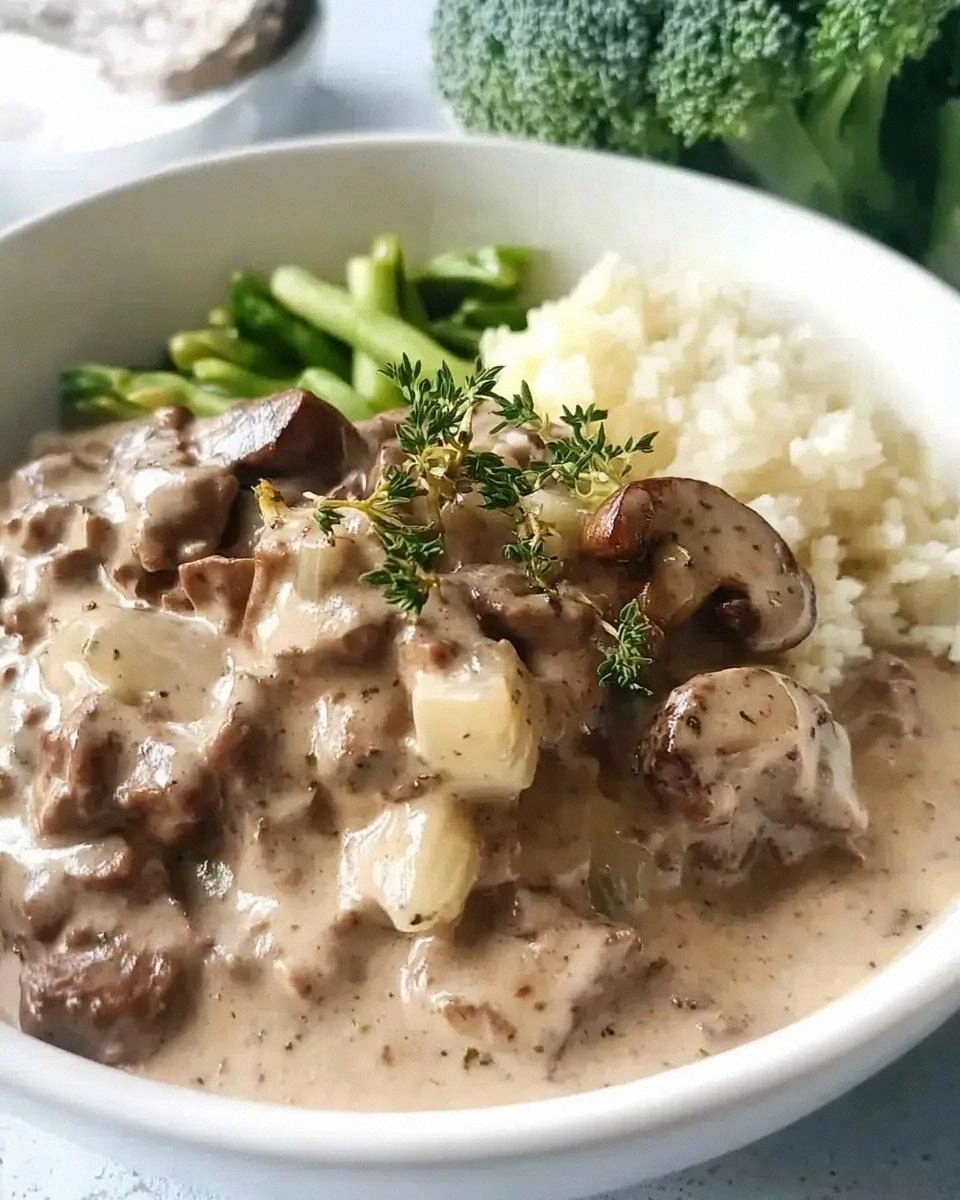
Fold the cooked cauliflower rice into the sauce, allowing each grain to become coated in the creamy mixture. Let everything sit for another two minutes, just long enough for the flavors to meld but not so long that the cauliflower turns mushy. Sprinkle the chopped parsley over the top for a fresh, herbal finish that brightens the dish.
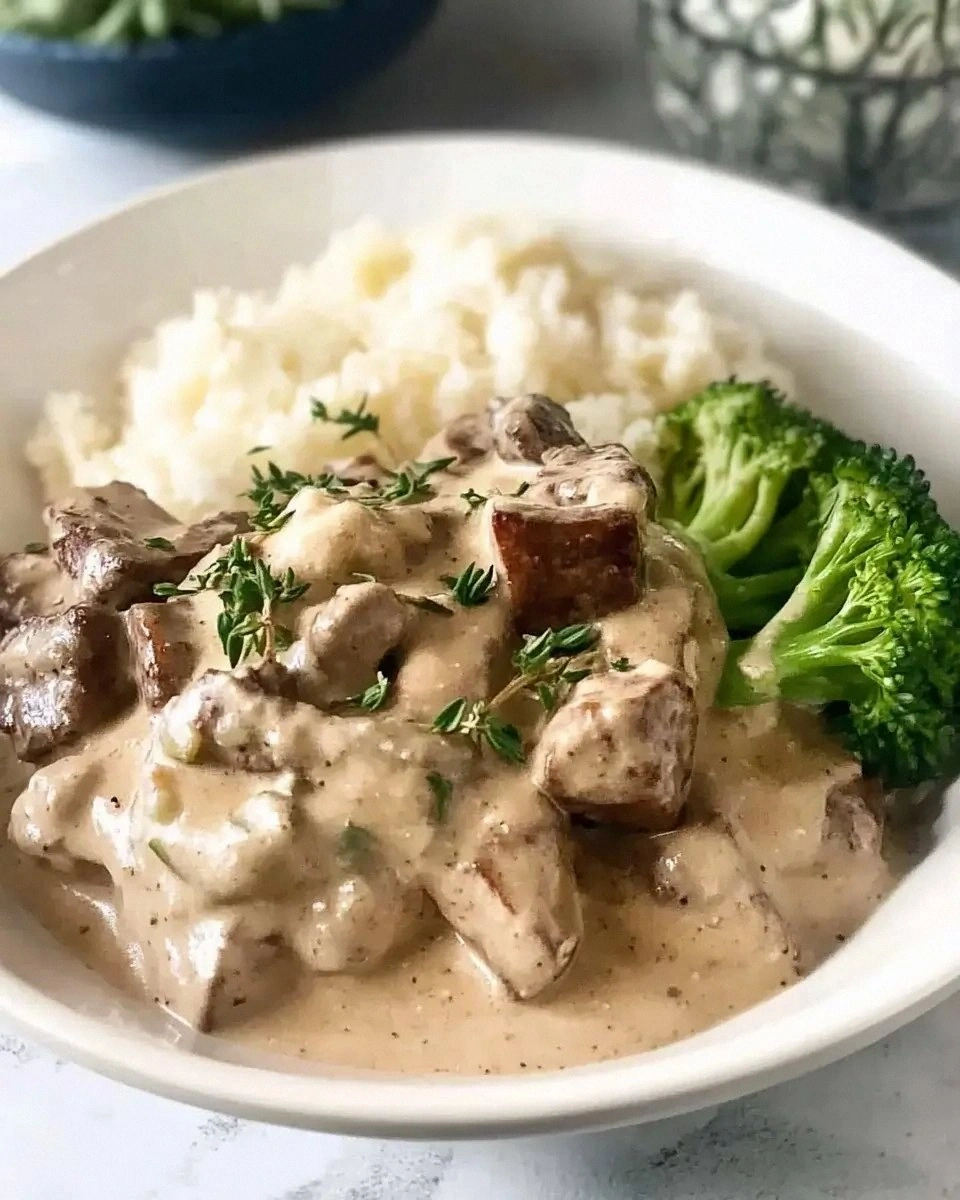
Serve the stroganoff hot, directly from the pan or transferred to a shallow bowl. The sauce should glisten like amber, the beef should be melt‑in‑your‑mouth tender, and the cauliflower rice should be perfectly al‑dente, soaking up just enough sauce to stay moist. Picture yourself pulling this out of the oven, the whole kitchen smelling incredible, and the first spoonful delivering a symphony of flavors that make you grin from ear to ear. This is hands down the best version you'll ever make at home.
That's it — you did it. But hold on, I've got a few more tricks that'll take this to another level...
Insider Tricks for Flawless Results
The Temperature Rule Nobody Follows
Never sear beef over low heat; you’ll end up with a gray, flavorless crust. Crank the heat up, let the pan get hot, and then add the meat. The rapid Maillard reaction creates those coveted brown bits that are flavor gold. A friend tried a low‑heat sear once — let’s just say the sauce tasted like boiled water. Keep the pan screaming hot for that perfect caramelized exterior.
Why Your Nose Knows Best
Your sense of smell is the ultimate timer in this recipe. When the onions start to turn golden and give off a sweet, caramel scent, you know they’re ready. If you rely solely on a timer, you might overcook them, leading to bitterness. Trust that aromatic cue; it’s more reliable than any kitchen gadget. This tip saved me from a batch of overly bitter sauce more times than I can count.
The 5‑Minute Rest That Changes Everything
After you finish cooking, let the stroganoff rest for five minutes off the heat. This short pause allows the flavors to marry and the sauce to thicken naturally. If you serve it immediately, the sauce can be a bit loose and the beef may still be hot enough to steam the cauliflower rice. Resting also lets the yogurt settle, preventing any graininess. I always set a timer; the results are consistently better.
Mushroom Prep Mastery
Slice mushrooms uniformly, about a quarter‑inch thick, to ensure even cooking. Toss them in a little salt before sautéing; this draws out excess moisture, leading to better browning. If you skip the salt, the mushrooms will steam and become soggy, diluting the sauce. A quick tip: use a hot pan and don’t crowd the mushrooms — give them space to breathe. This hack turns ordinary mushrooms into flavor powerhouses.
The Yogurt Whisper
When incorporating Greek yogurt, temper it first by whisking in a spoonful of the hot sauce. This gradual temperature increase prevents curdling and keeps the texture silky. Add the tempered yogurt back into the pan, stirring gently. The result is a sauce that stays smooth even after reheating. I swear by this method; it’s the difference between a velvety sauce and a grainy disaster.
Creative Twists and Variations
This recipe is a playground. Here are some of my favorite ways to switch things up:
Spicy Chipotle Kick
Add a teaspoon of chipotle in adobo sauce when you deglaze with the wine. The smoky heat pairs beautifully with the creamy base, giving the dish a subtle fire that lingers on the palate. Perfect for anyone who loves a little heat without overwhelming the classic flavors.
Herb‑Infused Delight
Swap the parsley for fresh dill and a pinch of thyme. The dill adds a bright, almost citrusy note, while thyme brings an earthy depth. This variation feels like a spring garden on a plate and works especially well with a side of roasted asparagus.
Cheesy Gouda Finish
Stir in a handful of shredded smoked Gouda during the last minute of cooking. The cheese melts into the sauce, adding a buttery richness and a smoky undertone that elevates the dish to comfort‑food heaven. It’s a cheat‑code for extra indulgence without adding carbs.
Asian Fusion Stroganoff
Replace the white wine with a splash of tamari and add a drizzle of sesame oil at the end. Toss in sliced bok choy and a few shreds of carrot for texture. The result is a cross‑cultural delight that keeps the creamy profile while introducing umami‑rich Asian notes.
Keto‑Friendly Bacon Boost
Crisp up some bacon bits and fold them in just before serving. The salty crunch contrasts the silky sauce and adds a smoky depth that makes the dish feel even more indulgent. It’s a crowd‑pleaser for anyone who loves the marriage of bacon and beef.
Storing and Bringing It Back to Life
Fridge Storage
Allow the stroganoff to cool to room temperature, then transfer it to an airtight container. It will keep fresh for up to three days in the refrigerator. When reheating, add a splash of water or broth and stir gently over low heat to revive the sauce’s silkiness.
Freezer Friendly
Portion the cooked stroganoff into freezer‑safe bags, removing as much air as possible. It freezes beautifully for up to two months. To thaw, place the bag in the fridge overnight, then reheat in a saucepan, adding a tablespoon of broth to loosen the sauce.
Best Reheating Method
The stovetop is king for reheating. Heat a skillet over medium‑low, add the leftovers, and stir in a teaspoon of water or broth every few minutes. This gentle steam revives the creamy texture without over‑cooking the beef. Microwaving works in a pinch, but expect a slightly less velvety finish.