I was standing in my kitchen, half‑heartedly scrolling through a thousand “quick dinner” posts, when my roommate shouted, “You’re still on that boring chicken‑and‑rice thing?!” I could almost hear the sarcasm crackle like a hot pan. I stared at the empty pot, the clock ticking, and realized I needed something that would make even the most skeptical palate swoon. That moment of culinary desperation birthed what I now call the Slow Cooker Marry Me Tortellini—a dish so decadently creamy, so perfectly balanced, that it practically whispers, “Say yes.” I dared myself to create a one‑pot wonder that would marry the comforting hug of a classic Italian sauce with the hands‑off convenience of a slow cooker, and trust me, the result is nothing short of a love story on a plate.
Picture this: the slow cooker humming in the background like a low‑key jazz bass, while the kitchen fills with the scent of buttered onions caramelizing, garlic whispering its aromatic secrets, and sun‑dried tomatoes releasing a sweet‑tangy perfume that makes you think of sun‑kissed Mediterranean cliffs. You’ll hear the gentle sizzle as butter meets pan, the soft pop of the chicken browning, and later, the satisfying clink of a wooden spoon against the pot as you stir the sauce into a velvety river of cream. The first bite? It coats the tortellini like velvet, the cheese melting into the broth, the basil adding a fresh burst that feels like a spring garden in your mouth. Your senses will be doing a happy dance, and you’ll be thinking, “Is this really happening? Or did I just stumble onto a culinary cheat code?”
Most recipes out there either drown the pasta in a watery broth or drown the sauce in a mountain of cheese. Both are crimes in my kitchen. This version stands out because it respects each component: the chicken stays juicy thanks to a quick sear, the tortellini stays al‑dente because it’s added at the perfect moment, and the sauce achieves that buttery, dreamy texture without turning into a greasy mess. The secret? A blend of Italian seasoning and a daring dash of Cajun spice that adds a subtle kick, plus a smart use of cornstarch at the end for those who crave a silkier finish. And let’s not forget the sun‑dried tomatoes—those little ruby gems that give a sweet‑tart pop you didn’t know you were missing.
I’m about to walk you through every single step—yes, every sizzle, every stir, every taste test—so that by the end you’ll be convinced this is the best version you’ll ever make at home. I dare you to taste this and not go back for seconds. Ready? Let’s dive in, because the next part? Pure magic.
What Makes This Version Stand Out
- Flavor Explosion: The combination of sun‑dried tomatoes, garlic, and a pinch of Cajun seasoning creates layers that unfold on the palate like a well‑written novel—each bite reveals something new.
- Creamy Perfection: Heavy cream and Parmesan mingle to form a sauce that clings to every tortellini curve, delivering a luxurious mouthfeel that feels like a hug from an Italian nonna.
- One‑Pot Simplicity: Thanks to the slow cooker, you set it and walk away, freeing up precious time for Netflix, a glass of wine, or a quick dance in the living room.
- Texture Mastery: Browning the chicken first gives it a caramelized crust, while adding the tortellini at the end preserves its tender bite—no soggy pasta here.
- Crowd‑Pleaser: Even the pickiest eaters can’t resist the cheesy, buttery goodness, making it perfect for family dinners, potlucks, or that “I‑need‑something‑impressive‑but‑easy” date night.
- Ingredient Quality: Fresh tortellini and real sun‑dried tomatoes in oil elevate the dish from “just okay” to “marry‑me‑please.”
- Make‑Ahead Friendly: The sauce holds up beautifully in the fridge, and you can assemble the whole thing ahead of time—just reheat and serve.
- Season‑Proof: This dish shines year‑round, whether you’re craving comfort in winter or a bright, herb‑forward dinner in summer.
Inside the Ingredient List
The Flavor Base
The onion and garlic are the dynamic duo that lay the foundation for any great sauce. Finely chopping the onion ensures it melts into the broth, releasing natural sugars that add a subtle sweetness. If you skip the garlic, you’ll lose that aromatic punch that makes the sauce sing. For a deeper flavor, try caramelizing the onion a few minutes longer until it turns amber—just watch it closely so it doesn’t burn.
The Texture Crew
Chicken breasts or cutlets provide the protein backbone, and when browned in butter and olive oil, they develop a crispy edge that shatters like thin ice under a fork. If you’re short on time, chicken thighs work just as well and stay juicier, but they’ll add a richer flavor profile. The cheese tortellini is the star of the show; fresh tortellini offers an unbeatable silkiness, while frozen works in a pinch—just thaw it in warm water for a minute before adding.
The Unexpected Star
Sun‑dried tomatoes in oil are the secret weapon. Their concentrated sweetness and tangy depth cut through the richness of the cream, preventing the dish from feeling cloyingly heavy. Drain them well, then julienne for a better texture that distributes flavor evenly. If you can’t find sun‑dried tomatoes, substitute with a handful of chopped roasted red peppers for a milder, smoky twist.
The Final Flourish
Fresh basil leaves, sliced just before serving, add a bright, herbaceous lift that feels like a spring breeze. Parmesan cheese, freshly grated, introduces a nutty umami note and helps thicken the sauce naturally. A splash of unsalted butter at the end gives the sauce a glossy finish, while a pinch of Italian seasoning and Cajun spice injects that “wow” factor you didn’t know you needed. Salt and black pepper are your taste‑adjusters—season gradually and taste often.
Everything's prepped? Good. Let’s get into the real action...
The Method — Step by Step
Start by seasoning the chicken pieces with a generous pinch of salt, black pepper, Italian seasoning, and Cajun seasoning. Heat a large skillet over medium‑high heat, add 2 tbsp of unsalted butter and 1 tbsp of olive oil. When the butter foams, lay the chicken in a single layer; you’ll hear a satisfying sizzle that signals a perfect sear. Cook for 3‑4 minutes per side until the edges turn golden brown, then transfer the chicken to the slow cooker. This step locks in juices and creates those caramelized bits that will later flavor the sauce.
In the same skillet, add the finely chopped onion. Reduce the heat to medium and let it sweat for about 2 minutes, stirring occasionally. When the onion becomes translucent, toss in the minced garlic and the julienned sun‑dried tomatoes. The aroma should hit you like a wave of nostalgia—garlic’s sharp bite mingling with the sweet, earthy perfume of the tomatoes. Cook for another minute, just until the garlic turns fragrant but not brown.
Pour the remaining 2 cups of chicken stock into the skillet, stirring to dissolve any browned bits. Let the mixture come to a gentle simmer, then transfer everything (onion, garlic, tomatoes, and stock) into the slow cooker, joining the browned chicken. This creates a rich, aromatic broth that will become the sauce’s backbone.
Set the slow cooker to the “Low” setting and let it cook for 2 hours. During this time, the chicken will become tender, and the flavors will meld together, forming a base that’s deeper than any store‑bought sauce. If you’re in a hurry, switch to “High” for 1 hour, but the “Low” route yields a silkier texture.
After the chicken is tender, stir in 1 cup of heavy cream and 0.5 cup of freshly grated Parmesan cheese. The sauce should immediately thicken, coating the chicken and vegetables like a glossy veil. If you prefer an even thicker sauce, whisk together 1 tbsp of cornstarch with 2 tbsp of cold water, then stir it in now and let the slow cooker run for another 10 minutes on “Low.”
While the sauce is finishing, bring a pot of salted water to a boil and cook the fresh tortellini according to package directions—usually 2‑3 minutes for fresh, a bit longer for frozen. Drain and set aside. The key is not to overcook; you want the tortellini to retain that firm, “al‑dente” bite that will hold up when mixed into the creamy sauce.
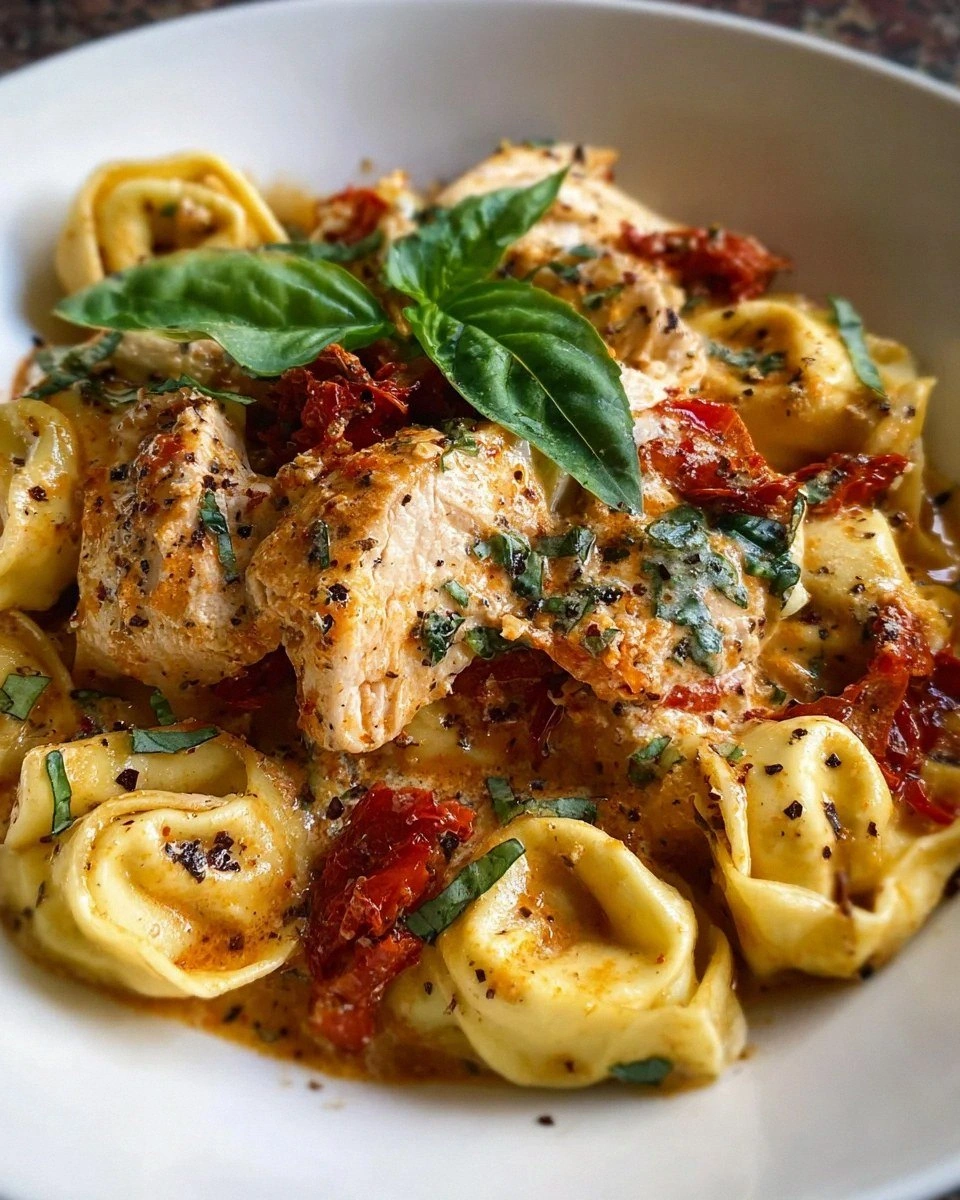
Now comes the moment of truth: gently fold the cooked tortellini into the slow cooker, making sure each piece is enveloped in the sauce. Add the sliced basil leaves and the remaining 2 tbsp of butter, stirring until the butter melts and the basil releases its fragrant oils. The dish should look like a luxurious, amber‑colored pool with flecks of green basil and ruby sun‑dried tomato ribbons.
Turn off the slow cooker, let the dish rest for 5 minutes—this allows the flavors to settle and the sauce to thicken just a touch more. Serve hot, topped with an extra sprinkle of Parmesan and a few fresh basil leaves for garnish. Picture yourself pulling this out of the pot, the whole kitchen smelling incredible, and hearing the satisfied sighs of your guests. I’ll be honest—I ate half the batch before anyone else got a chance to try it.
That’s it — you did it. But hold on, I’ve got a few more tricks that’ll take this to another level...
Insider Tricks for Flawless Results
The Temperature Rule Nobody Follows
Never rush the searing step by using high heat from the get‑go. Start medium‑high, give the butter a moment to melt, then increase to high once the chicken hits the pan. This gradual heat buildup ensures a deep, caramelized crust without burning the butter. A friend once cranked the stove to “max” immediately and ended up with a bitter, burnt flavor that ruined the whole dish—lesson learned.
Why Your Nose Knows Best
Your sense of smell is a better indicator of doneness than a timer. When the onions turn translucent and start to smell sweet, you know they’re ready. When the garlic becomes fragrant (but not brown), you’re at the perfect moment to add the tomatoes. Trust that nose; it’s the secret weapon of seasoned chefs.
The 5‑Minute Rest That Changes Everything
After you turn off the slow cooker, let the dish sit uncovered for five minutes. This short rest lets the sauce thicken naturally and the basil’s flavor to mellow, preventing a harsh, raw herb taste. Skipping this step is a common mistake—people serve it immediately and complain the sauce is too thin.
Butter Finish for Gloss
A final swirl of cold butter at the end adds a glossy sheen and a buttery richness that feels luxurious on the palate. It’s the same technique used in classic French sauces, and it elevates this home‑cooked dish to restaurant quality. If you’re dairy‑free, a drizzle of good‑quality olive oil works as a substitute, though you’ll miss the buttery snap.
Seasoning Layering
Season in stages: first the chicken, then the onions, then the final sauce. This builds depth, ensuring no single element is under‑seasoned. I’ve seen cooks dump all the salt at once and end up with a flat‑tasting sauce—layering prevents that.
Creative Twists and Variations
This recipe is a playground. Here are some of my favorite ways to switch things up:
Spicy Chipotle Twist
Swap the Cajun seasoning for 1 tsp of chipotle powder and add a diced chipotle pepper in adobo sauce. The smoky heat pairs beautifully with the creamy sauce, turning the dish into a bold, southwestern‑Italian hybrid that will wow spice lovers.
Mushroom Medley
Add 1 cup of sliced cremini and shiitake mushrooms after the onions. Their earthy umami deepens the broth, making the dish heartier—perfect for a chilly evening when you need comfort.
Pesto Infusion
Stir in 2 tbsp of basil pesto right before serving. The pesto adds a fresh, herbaceous punch and a vibrant green color that makes the plate pop. This variation is great for summer gatherings.
Vegan Swap
Replace chicken with firm tofu cubes, use plant‑based cream (such as oat or cashew cream), and swap Parmesan for nutritional yeast. The flavor profile changes, but the creamy, comforting essence remains.
Cheesy Overload
Add ½ cup of shredded mozzarella and ¼ cup of ricotta when you stir in the cream. The extra cheese creates a gooey, pull‑apart texture that feels like a cheesy casserole—ideal for kids.
Storing and Bringing It Back to Life
Fridge Storage
Let the dish cool to room temperature, then transfer it to an airtight container. It will keep fresh for up to 3 days. When reheating, add a splash of water or extra stock to revive the sauce’s silkiness, and stir gently over low heat.
Freezer Friendly
Portion the cooked tortellini and sauce (without the fresh basil) into freezer‑safe bags or containers. Freeze for up to 2 months. Thaw overnight in the fridge, then reheat on the stove, adding a tablespoon of butter and a dash of fresh basil at the end.
Best Reheating Method
The stovetop is king. Warm the leftovers over medium‑low heat, stirring occasionally, and add a teaspoon of cream or water to bring back that luscious mouthfeel. Microwaving works in a pinch, but you’ll lose some of the sauce’s glossy sheen.