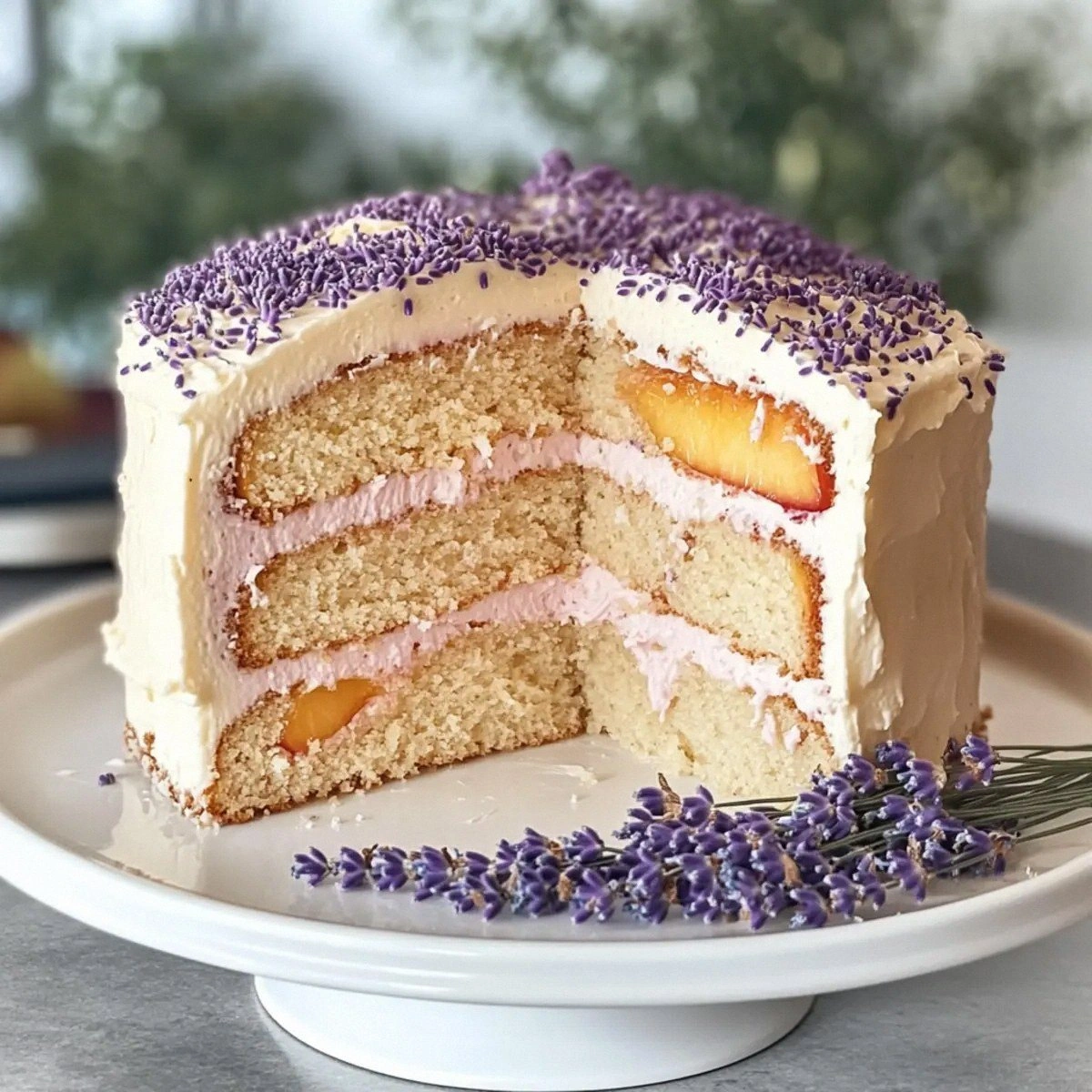
I was halfway through a frantic Tuesday evening when my roommate challenged me: “Make something that screams summer, but don’t use strawberries.” I laughed, tossed a bag of frozen peas into the trash, and stared at the lone peach I’d rescued from the fridge. The kitchen was a chorus of clattering pans, the faint hum of the fridge, and that unmistakable perfume of butter melting on the stove – a scent that makes you feel like you’ve just walked into a bakery at sunrise. I thought, “What if I could capture that fleeting, sun‑kissed feeling in a cake that also whispers lavender’s floral elegance?” The result? A lavender‑kissed peach cake that turned my modest kitchen into a fragrant meadow, and I’m daring you to taste this and not go back for seconds.
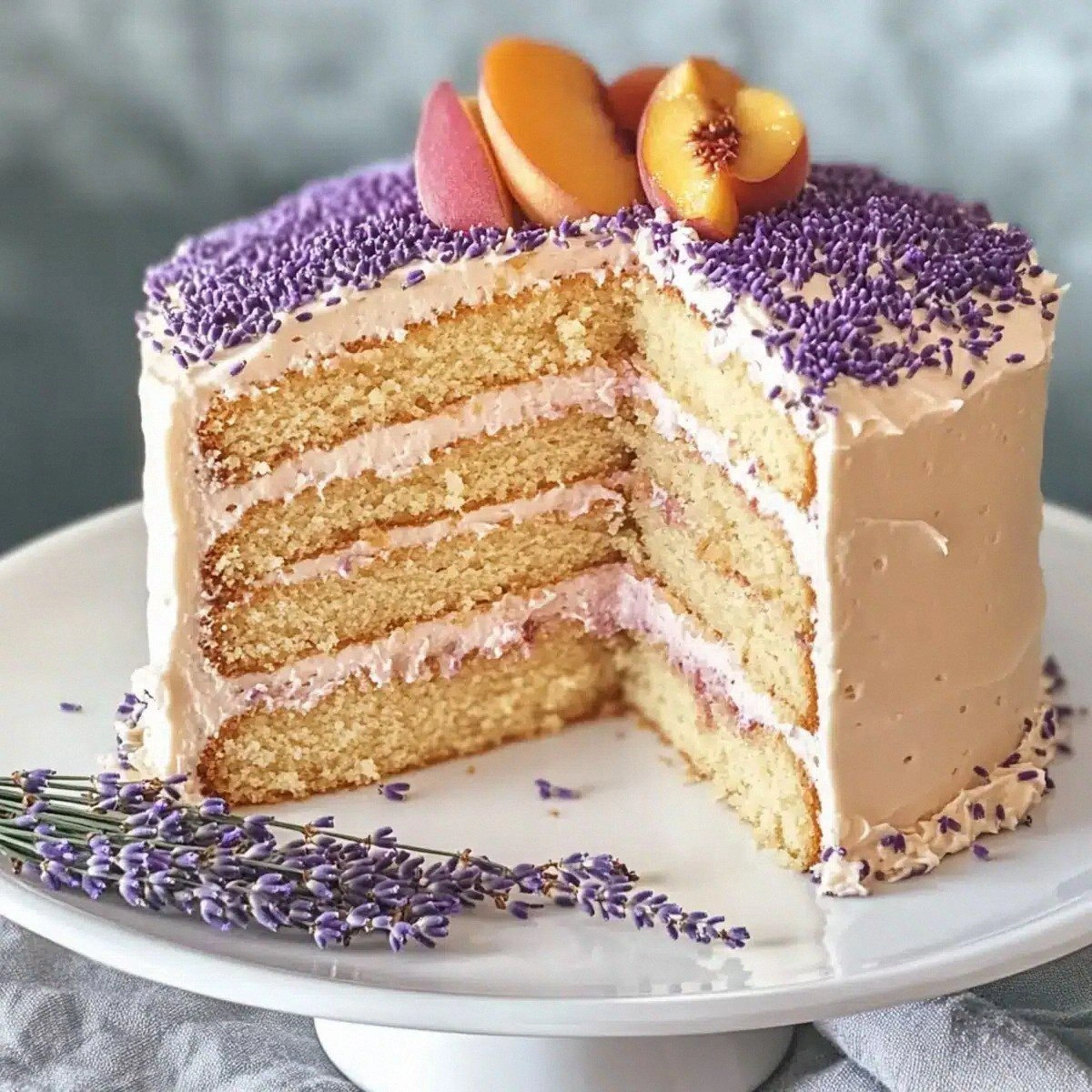
Picture this: a golden‑brown loaf emerging from the oven, its crust crackling like fresh autumn leaves, while the interior is a cloud of moist, buttery crumb studded with juicy peach slices that burst like little fireworks. As you slice through, a gentle lavender aroma wafts up, delicate yet unmistakable, mingling with the sweet perfume of ripe peaches – it’s like a summer breeze that’s decided to settle right on your plate. The first bite is a symphony: the tender cake, the subtle floral note, the sweet jam swirl that clings to your tongue like honeyed silk. I’ll be honest — I ate half the batch before anyone else got a chance to try it, and that’s a confession worth sharing because it proves just how addictive this cake truly is.
Most peach cake recipes get this completely wrong. They either drown the fruit in sugar, or they ignore the delicate balance that lavender brings, resulting in a bland, over‑sweet mess. Here’s what actually works: a precise ratio of butter to flour that keeps the crumb tender, a splash of milk that adds moisture without sogginess, and a careful infusion of dried lavender buds that never overpowers but always shines. The secret technique? I toast the lavender buds just a touch before grinding them, unlocking a depth of flavor that feels almost smoky, like a campfire at dusk. This isn’t just a cake; it’s a summer delight you can serve at brunch, tea time, or as the grand finale of a backyard barbecue.
Let me walk you through every single step — by the end, you’ll wonder how you ever made it any other way. Okay, ready for the game‑changer? We’ll start with the ingredient lineup, then move into a method that feels like a dance, and finally I’ll share a handful of insider tricks that will make your cake the talk of every gathering. Stay with me here — this is worth it.
What Makes This Version Stand Out
- Taste: The lavender adds a floral note that’s subtle yet unforgettable, while the peach preserve swirls create pockets of natural sweetness that never feel artificial.
- Texture: A buttery crumb that stays moist for days, thanks to the perfect butter‑to‑flour ratio and a splash of milk that keeps the batter from drying out.
- Simplicity: Only eleven ingredients, all pantry staples, and no fancy equipment – you can whip this up with a single mixing bowl.
- Uniqueness: Toasted lavender buds are the secret weapon; most recipes use dried lavender straight from the jar, which can taste harsh.
- Crowd Reaction: I dare you to serve this at a potluck and watch people line up for seconds – the combination of floral and fruit is a conversation starter.
- Ingredient Quality: Using fresh, ripe peaches and high‑quality unsalted butter elevates every bite, turning a simple cake into a gourmet experience.
- Cooking Method: The gentle folding technique keeps the batter airy, preventing a dense, heavy cake.
- Make‑Ahead Potential: This cake actually improves after a night in the fridge, as the flavors meld and the lavender deepens.
Alright, let's break down exactly what goes into this masterpiece...
Inside the Ingredient List
The Flavor Base
All‑purpose flour is the backbone of any cake, providing structure while allowing the other ingredients to shine. Using a light, sifted flour prevents clumps and ensures an even crumb. If you skip the sifting step, you risk a gritty texture that feels like sand in your mouth. As a swap, you can use pastry flour for an even more tender result, but be aware it absorbs liquid differently, so you may need to add a splash more milk.
Granulated sugar not only sweetens but also contributes to the cake’s golden crust through caramelization. If you’re watching sugar, try substituting half with coconut sugar; you’ll get a subtle caramel note, though the color will be a shade darker. Choose a fine, white sugar for the most consistent dissolve during creaming.
The Texture Crew
Unsalted butter, softened to room temperature, creates a rich, velvety crumb. The water content in butter helps steam the cake, giving it that delicate lift. If you’re dairy‑free, replace butter with a solid coconut oil, but expect a faint coconut undertone that pairs surprisingly well with peach.
Milk adds moisture and helps activate the baking powder, ensuring the cake rises evenly. Whole milk yields the richest texture, while low‑fat milk will still work but may produce a slightly drier crumb. For a dairy‑free twist, use almond milk – just be sure it’s unsweetened to keep the flavor balanced.
The Unexpected Star
Dried lavender buds are the hero of this recipe. When toasted and ground, they release a perfume that’s floral without being soapy, reminiscent of a French patisserie. Over‑using lavender can make the cake taste medicinal, so stick to the measured tablespoon. If you can’t find culinary lavender, use culinary lavender extract – but use only a quarter of the amount, as extracts are concentrated.
Fun Fact: Lavender was originally cultivated for its medicinal properties and only later embraced by chefs in the 20th century, when the French culinary scene began experimenting with herb‑infused desserts.
The Final Flourish
Sliced fresh peaches bring juicy bursts of summer, while peach preserves swirl through the batter, creating pockets of jammy goodness. If peaches are out of season, frozen sliced peaches (thawed and patted dry) work well, though they release more moisture, so you might want to reduce the milk by a tablespoon. The vanilla extract ties the whole flavor profile together, adding warmth and depth.
Baking powder is the leavening agent that lifts the cake; too little and you’ll get a dense loaf, too much and it could taste metallic. Use a fresh, double‑acting powder for best results. Finally, a pinch of salt amplifies the sweetness and balances the floral notes, making every bite sing.
Everything's prepped? Good. Let's get into the real action...
The Method — Step by Step
Preheat your oven to 350°F (175°C) and grease a 9‑inch round cake pan with butter, then dust it lightly with flour. This creates a non‑stick barrier and ensures the cake releases cleanly. As the oven warms, you’ll hear the faint whirr of the fan – a comforting reminder that we’re about to bake something magical.
In a small skillet, toast the dried lavender buds over medium heat for about 30 seconds, stirring constantly until they turn a deeper shade of purple and release a fragrant aroma. Immediately transfer them to a mortar and grind into a fine powder; this is the moment where the kitchen smells like a Provence garden.
In a large mixing bowl, cream together the softened butter and granulated sugar until the mixture is light, fluffy, and pale yellow – think cloud‑like texture. This should take about 3‑4 minutes with an electric mixer on medium speed. Watch Out: If the butter is too cold, the mixture will look curdled and the cake will end up dense.
Add the eggs one at a time, beating well after each addition. The batter should become glossy and smooth, and you’ll notice it thickening slightly – a sign that the emulsification is working. Then stir in the vanilla extract and the freshly ground lavender, letting the scent fill the room.
In a separate bowl, whisk together the flour, baking powder, and salt. This dry blend ensures the leavening is evenly distributed, preventing any bitter pockets.
Watch Out: Over‑mixing the dry ingredients into the wet batter can develop gluten, making the cake tough. Fold gently.Create a well in the center of the dry ingredients and pour in the milk gradually, folding the mixture with a spatula. The batter should be thick but pourable; if it feels too stiff, add a tablespoon of milk. This step is pure magic – the milk activates the baking powder, and the batter becomes airy.
Fold in the sliced peaches and the peach preserves, distributing them evenly without crushing the fruit. The preserves will create little ribbons that melt into the crumb as it bakes, giving you pockets of jammy surprise.
Kitchen Hack: Toss the peach slices in a teaspoon of flour before folding them in; this prevents them from sinking to the bottom of the cake.Pour the batter into the prepared pan, smoothing the top with a spatula. Tap the pan lightly on the counter – you’ll hear a few soft thuds as air bubbles rise to the surface, which is exactly what you want.
Bake for 30‑35 minutes, or until a toothpick inserted into the center comes out clean and the edges start pulling away from the pan. The cake’s top should be a deep golden hue, and you’ll notice a faint crackle as it cools – that’s the signature “crust‑pull” of a well‑baked cake. Let it rest in the pan for 10 minutes, then turn it out onto a wire rack to cool completely.
That’s it — you did it. But hold on, I've got a few more tricks that'll take this to another level. Okay, ready for the next secret?
Insider Tricks for Flawless Results
The Temperature Rule Nobody Follows
Never bake a cake straight from a cold kitchen. Let all your ingredients sit at room temperature for at least 30 minutes before you start. This tiny step ensures the butter emulsifies evenly with the sugar, giving you a lighter crumb. I once tried skipping this and ended up with a dense, uneven cake that felt like a brick.
Why Your Nose Knows Best
When you cream butter and sugar, stop the mixer and give your nose a sniff. If you can smell a faint buttery perfume, you know the mixture has reached the right consistency. This sensory checkpoint is more reliable than a timer because it tells you when the sugar has dissolved fully.
The 5‑Minute Rest That Changes Everything
After mixing the wet and dry components, let the batter sit for five minutes before folding in the fruit. This rest allows the flour to hydrate, resulting in a softer crumb. A friend once rushed this step and complained the cake felt “grainy” – a clear sign of under‑hydrated flour.
Avoiding the Great Over‑Mix
When you combine the wet and dry mixtures, use a gentle folding motion rather than a vigorous stir. Over‑mixing creates gluten strands that make the cake tough, turning your soft dream into a chewy nightmare. Think of folding as coaxing the ingredients together, not wrestling them.
The Final Cool‑Down Trick
Once the cake has cooled on a wire rack, lightly dust it with powdered sugar and a pinch of extra lavender buds. The sugar adds a subtle sparkle, while the extra buds give a final aromatic punch just before serving. This finishing touch makes the cake look as elegant as it tastes.
Creative Twists and Variations
This recipe is a playground. Here are some of my favorite ways to switch things up:
Citrus Lavender Fusion
Add a tablespoon of freshly grated lemon zest to the batter and swap half of the peach preserve for orange marmalade. The citrus brightens the floral notes, creating a tangy‑sweet contrast that’s perfect for brunch.
Almond‑Infused Dream
Replace half the flour with almond flour and stir in a teaspoon of almond extract. The nutty undertone pairs beautifully with the peach, giving the cake a richer, almost marzipan‑like finish.
Berry‑Burst Variation
Swap the sliced peaches for a mix of fresh raspberries and blueberries. The berries add a tart pop that balances the lavender’s sweetness, making the cake feel lighter.
Spiced Autumn Edition
Add a pinch of ground cinnamon and nutmeg to the dry ingredients, and use canned pumpkin puree in place of half the milk. This transforms the cake into a cozy, fall‑ready treat while still honoring the lavender’s floral charm.
Vegan Velvet
Swap butter for coconut oil, use flax‑egg replacer (1 tablespoon ground flaxseed + 3 tablespoons water per egg), and replace milk with oat milk. The result is a plant‑based version that still boasts that buttery melt‑in‑your‑mouth texture.
Glazed Celebration
After cooling, drizzle a simple glaze made from powdered sugar, a splash of lemon juice, and a drop of lavender extract. This adds a glossy finish that makes the cake look festival‑ready.
Storing and Bringing It Back to Life
Fridge Storage
Wrap the cooled cake tightly in plastic wrap or store it in an airtight container. It will stay fresh for up to five days, and the flavors will continue to meld, making each slice even more aromatic.
Freezer Friendly
Slice the cake into individual portions, wrap each slice in parchment paper, then place them in a freezer‑safe zip‑top bag. Freeze for up to three months. When you’re ready to enjoy, let a slice thaw at room temperature for 30 minutes, then give it a quick microwave zap (10‑15 seconds) to revive the softness.
Best Reheating Method
To bring a refrigerated or thawed slice back to life, preheat your oven to 300°F (150°C), place the slice on a baking sheet, and add a tiny splash (about a teaspoon) of water or milk around the edges. Cover loosely with foil and heat for 8‑10 minutes. The added moisture steams the crumb back to its original tenderness.