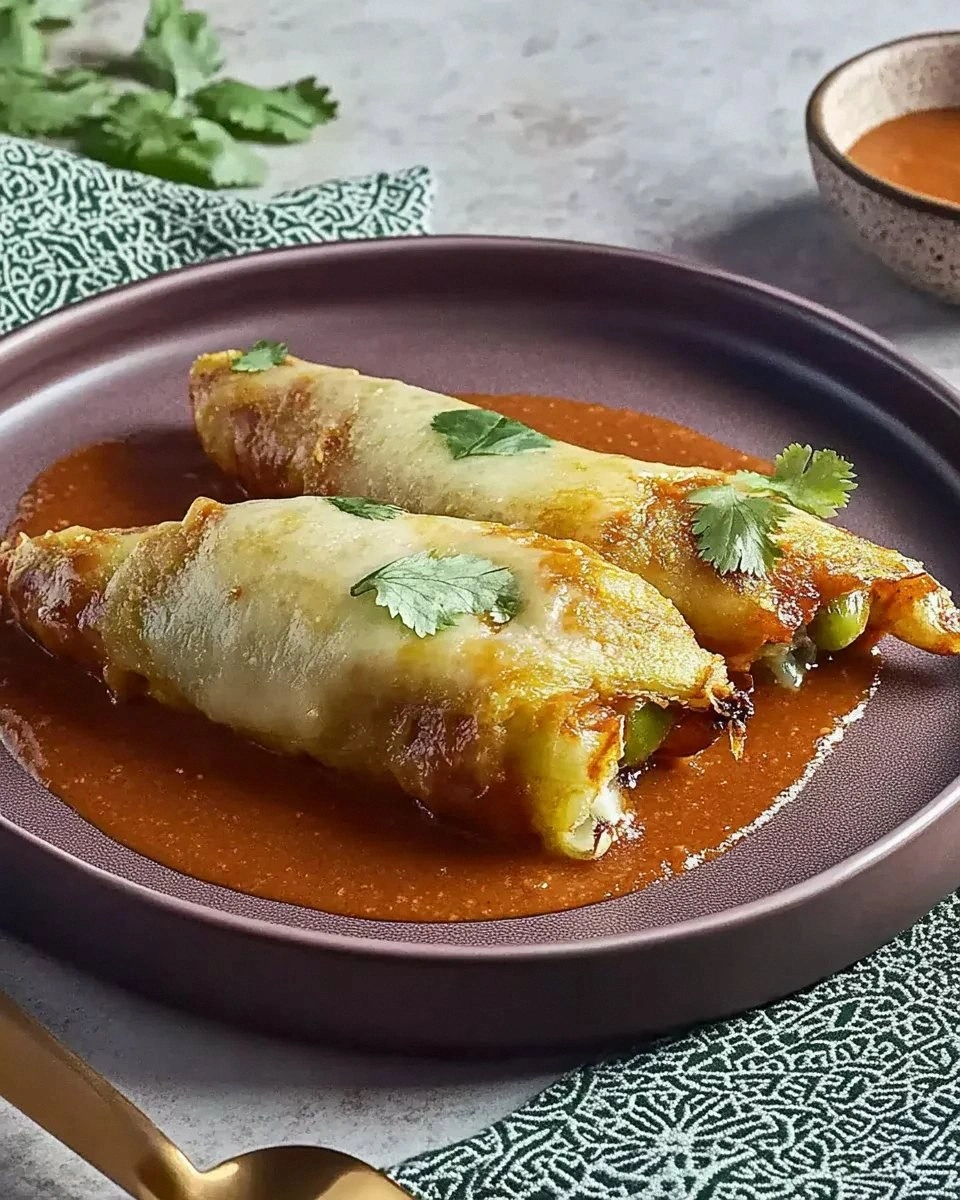
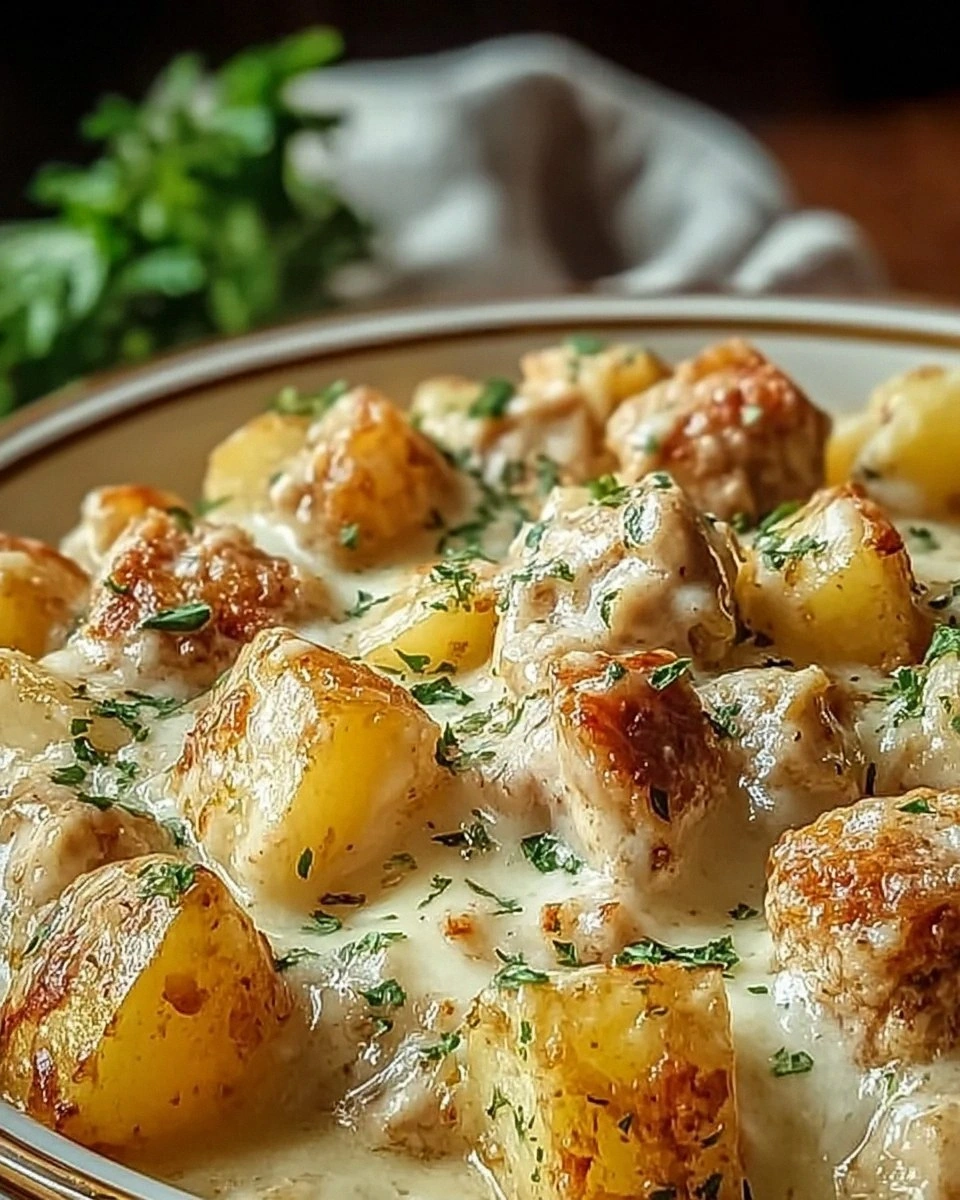
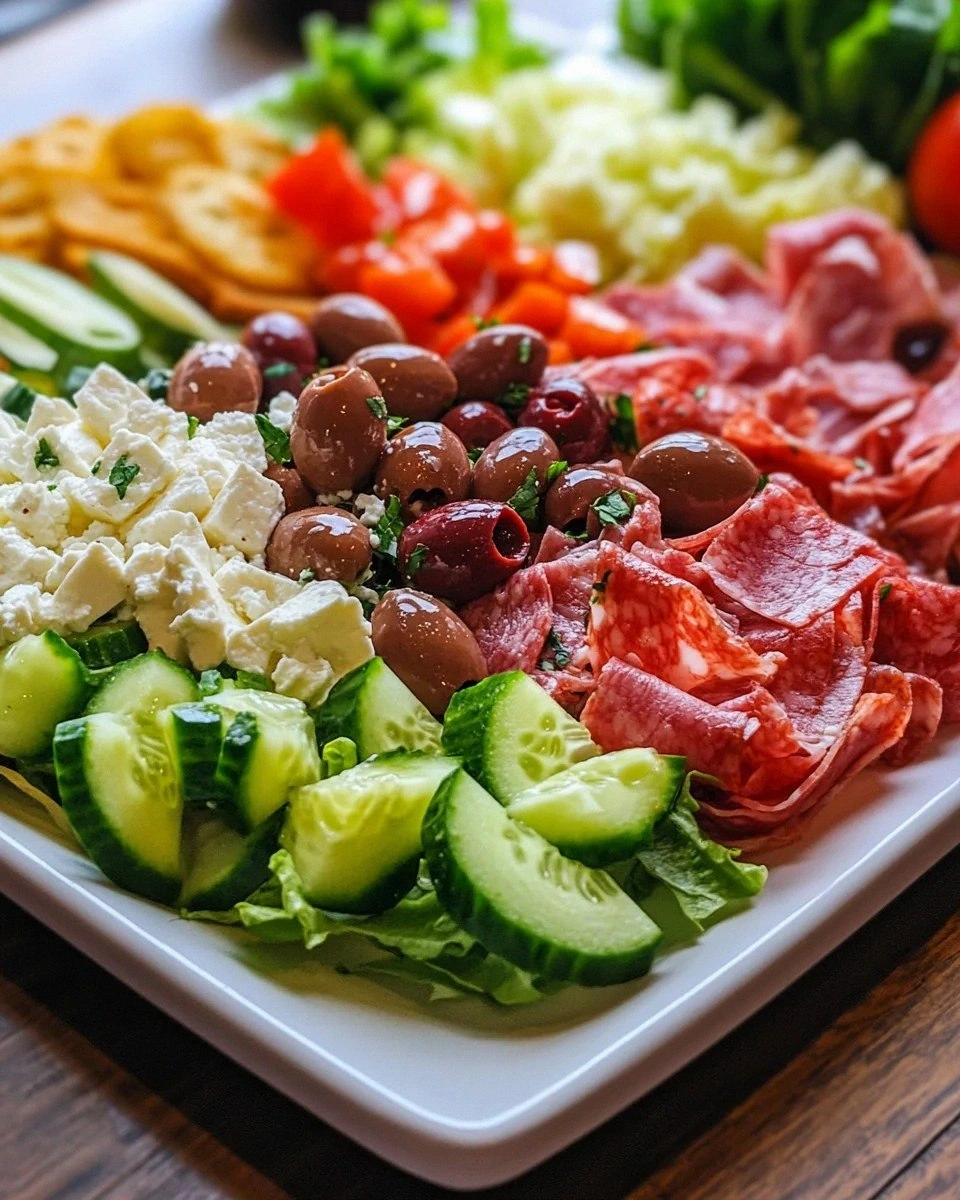
Picture this: I’m standing in my tiny kitchen, a half‑cooked batch of bland, over‑stuffed bell peppers cooling on the counter, while my roommate is already eyeing the last slice of pizza like a hawk. I had promised a “simple yet impressive” dinner, and the only thing impressive about my attempt was how quickly I realized I’d missed the mark. The smell of burnt onion lingered like an unwelcome guest, the peppers were soggy, and the whole thing tasted like a sad version of a grocery‑store casserole. I dared myself to turn that disaster into a triumph, and after a night of frantic Googling, a few frantic phone calls to a Greek aunt, and a sprinkle of culinary bravery, I finally nailed the ultimate Mediterranean Spinach Feta Stuffed Peppers.
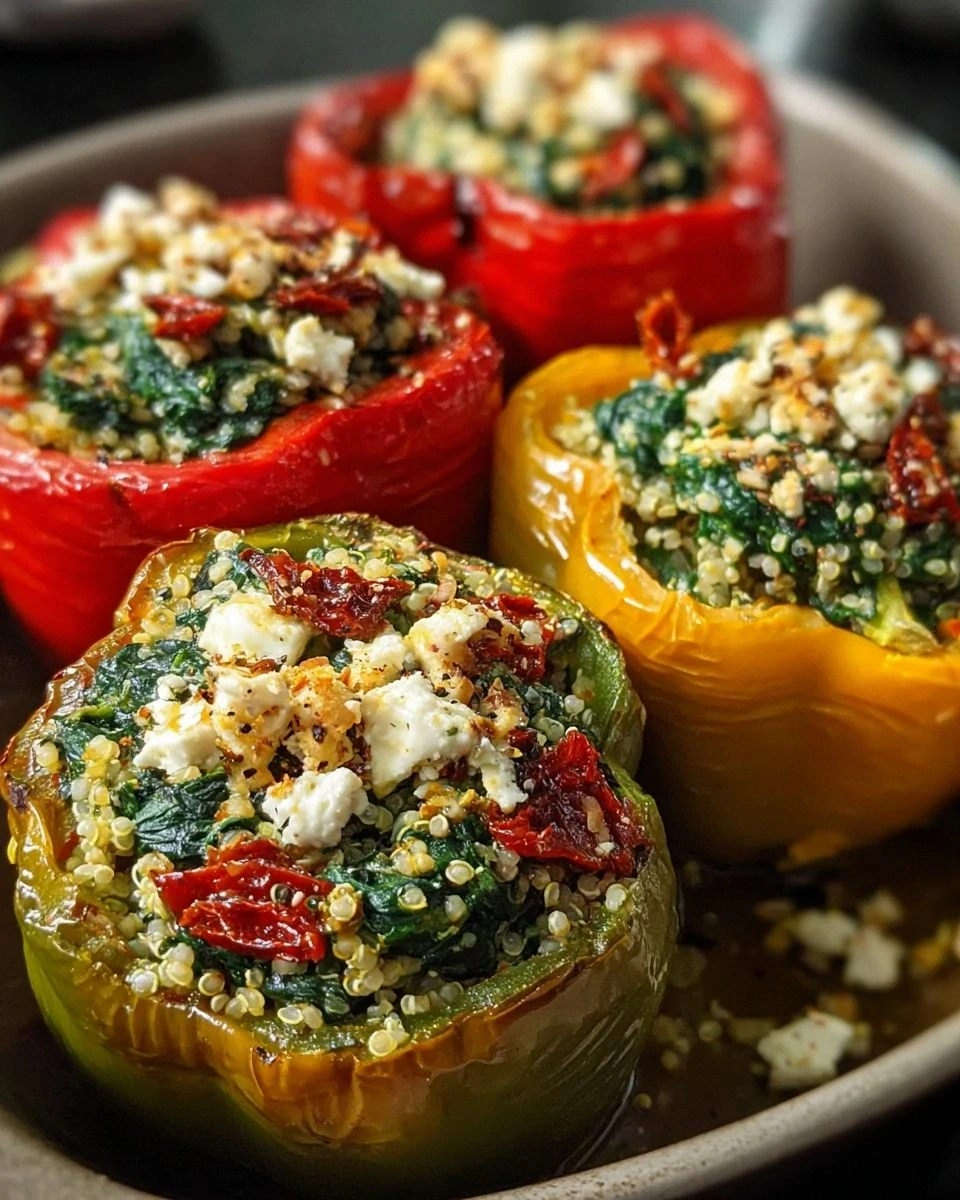
The moment the oven door swung open, a wave of fragrant rosemary, tangy feta, and sweet roasted pepper hit my nostrils, and I could swear the whole apartment inhaled in unison. The colors were a Mediterranean sunset trapped in a dish: glossy ruby peppers, emerald spinach flecks, and ivory crumbles of feta that melted into creamy pockets. You could hear the gentle sigh of the peppers as they cooled, a soft exhale that promised a perfect bite. The texture? Imagine a crisp, caramelized skin that gives way to a luscious, herb‑infused filling that’s as fluffy as a cloud yet hearty enough to satisfy a grown‑up appetite.
What makes this version a cut above the rest? Most recipes either drown the peppers in a watery tomato sauce or overload them with cheese until the flavors become a single‑note monotone. I’ve stripped away the excess, focusing on balance: the natural sweetness of roasted peppers, the bright acidity of lemon, and the salty, briny bite of feta, all tied together with a whisper of garlic and olive oil. The secret weapon is a quick‑sautéed spinach‑quinoa blend that adds body without heaviness, and a dash of fresh dill that sings like a Greek bouzouki in the background. You’ll be amazed at how a handful of pantry staples can create a dish that feels like a seaside tavern’s specialty.
And here’s the kicker: I’m about to reveal a technique that most home cooks overlook—a brief “flash‑roast” of the peppers before stuffing, which locks in moisture while giving the skins a subtle char that adds depth without bitterness. This step is the difference between a soggy mess and a pepper that holds its shape like a proud little vessel. Let me walk you through every single step — by the end, you’ll wonder how you ever made it any other way.
What Makes This Version Stand Out
- Flavor Harmony: The blend of feta, lemon, and fresh herbs creates a bright, balanced profile that never overwhelms the palate.
- Texture Play: A crisp, caramelized pepper skin meets a fluffy, slightly grainy quinoa‑spinach filling for a satisfying bite.
- Simplicity: Fewer than ten ingredients, all pantry‑friendly, yet the result feels gourmet.
- Unique Twist: The flash‑roast technique adds a smoky undertone that most recipes completely miss.
- Crowd‑Pleaser: Even the pickiest eaters rave; I dare you to taste this and not go back for seconds.
- Ingredient Quality: Using authentic Greek feta and fresh, locally sourced peppers elevates the dish instantly.
- Cooking Method: Oven‑baked to perfection, no deep‑frying, keeping it light yet indulgent.
- Make‑Ahead Potential: Assemble ahead, refrigerate, then bake when you’re ready – perfect for busy weeknights.
Inside the Ingredient List
The Flavor Base
The first star of the show is feta cheese. Its crumbly, tangy nature adds a salty punch that cuts through the natural sweetness of the peppers. If you skimp on feta, you’ll lose that signature Mediterranean zing; a good-quality Greek feta will melt just enough to become creamy without turning watery. Pro tip: look for feta packed in brine, not the dry, pre‑crumbled versions that often sit on the shelf for months.
Next up, fresh lemon juice provides the bright acidity that lifts the entire dish. A splash of lemon right before baking prevents the filling from becoming dull, and it also helps the spinach retain its vivid green color. If you’re out of lemons, a teaspoon of white wine vinegar can stand in, but the citrusy aroma will be missed.
The Texture Crew
Quinoa (or rice, if you prefer) is the secret binder that keeps the stuffing from turning into a soggy heap. It adds a subtle nutty flavor and a pleasant bite. Skipping it means you’ll have a watery mixture that can’t hold its shape inside the pepper. Cook the quinoa just until fluffy, then let it cool slightly before mixing – this prevents steam from making the peppers soggy later.
Fresh spinach is the green powerhouse that brings a mild earthiness and a dose of nutrients. It wilts down dramatically, so start with a generous cup; you’ll end up with a surprisingly small volume. If you substitute kale, expect a tougher texture and a slightly bitter edge.
The Unexpected Star
Olive oil isn’t just for sautéing; it also acts as a flavor carrier, coating the garlic and onions so they release their aromatics evenly. Use a good extra‑virgin olive oil – the fruitier notes will complement the feta beautifully. A cheap oil will leave the dish tasting flat and greasy.
Dill and oregano bring the herbaceous Mediterranean vibe. Dill adds a fresh, almost anise‑like note that pairs perfectly with lemon, while oregano contributes an earthy, slightly piney depth. If you’re allergic to dill, a pinch of mint can provide a similar lift without the same flavor profile.
The Final Flourish
The bell peppers themselves are the edible containers that turn this into a show‑stopper. Choose firm, glossy peppers with tight skins – they’ll hold their shape during baking. Red peppers are sweet, but feel free to mix in orange or yellow for a rainbow effect. If you’re daring, try a smoky poblano for a different heat level.
Finally, a light dusting of breadcrumbs on top adds a golden crust that crackles like thin ice when you bite into it. This step is optional, but it gives the dish an extra layer of texture that most home cooks overlook.
Everything's prepped? Good. Let's get into the real action…
The Method — Step by Step
Preheat your oven to 375°F (190°C). While the oven warms, line a baking sheet with parchment paper – this prevents sticking and makes cleanup a breeze. I like to set a timer for the oven so I don’t lose track while I’m prepping the peppers. The kitchen will start to smell faintly of warm metal, a subtle reminder that the magic is about to begin.
Slice the tops off each bell pepper, remove the seeds, and set the tops aside for a later garnish if you wish. Place the peppers upright on the prepared sheet. Okay, ready for the game‑changer? Pop them under the broiler for 2‑3 minutes, turning once, until the skins blister and start to blacken in spots. This flash‑roast creates those coveted smoky notes while keeping the flesh firm.
Kitchen Hack: If your broiler is finicky, use a kitchen torch to char the peppers evenly. A quick swirl over the skin gives you that same smoky flavor without heating the whole oven.While the peppers are roasting, heat 2 tablespoons of olive oil in a large skillet over medium heat. Add the diced onion and sauté until translucent, about 3‑4 minutes. Then toss in the minced garlic and cook for another 30 seconds – you’ll hear a gentle sizzle that signals the aromatics are waking up.
Stir in the chopped spinach and let it wilt, which should take about 2 minutes. As the spinach collapses, it releases a sweet, earthy perfume that fills the kitchen. If the pan looks dry, splash in a splash of water; the spinach will finish cooking in its own steam.
Now add the cooked quinoa, dried oregano, dried dill, and a generous pinch of salt and pepper. Mix everything together, letting the flavors meld for another minute. This next part? Pure magic. Remove the skillet from heat and fold in the crumbled feta, grated Parmesan, and lemon juice. The mixture should look glossy and slightly clumpy – that’s exactly how it should be.
Kitchen Hack: For an ultra‑light filling, crumble the feta with your hands instead of a fork; the irregular pieces create pockets of molten cheese when baked.- Watch Out: Overfilling the peppers will cause the filling to spill out during baking, creating a mess and uneven cooking. Fill each pepper to the brim, then gently tap the side of the baking sheet to settle the mixture.
Using a spoon, generously stuff each roasted pepper with the spinach‑quinoa‑feta mixture. Pack it in tightly – the filling should rise to the top of the pepper, but don’t crush it; you want a little air pocket for steam to circulate.
Sprinkle the optional breadcrumbs over each stuffed pepper for that crunchy crown. Return the peppers to the oven and bake for 25‑30 minutes, until the tops are golden and the peppers are tender when pierced with a knife. You’ll know it’s done when the edges start pulling away from the skin, a visual cue that the caramelization is complete.
While the peppers bake, prepare a quick garnish: drizzle a little extra‑virgin olive oil, a squeeze of fresh lemon, and a scatter of chopped dill over the tops. This final flourish adds a glossy finish and a burst of freshness that lifts the entire dish.
Remove the peppers from the oven and let them rest for five minutes – this rest period lets the juices redistribute, ensuring each bite is moist and flavorful. Plate them on a rustic platter, garnish with the saved pepper tops if you like, and watch your guests’ eyes widen. Picture yourself pulling this out of the oven, the whole kitchen smelling incredible… That moment? Pure culinary triumph.
That's it — you did it. But hold on, I've got a few more tricks that'll take this to another level…
Insider Tricks for Flawless Results
The Temperature Rule Nobody Follows
Most home cooks bake at 350°F, thinking “a little hotter won’t hurt.” In reality, the 375°F setting creates a gentle convection that caramelizes the pepper skins without overcooking the interior. The higher heat also sets the crumbly feta just enough to form a thin, golden crust. I once tried a lower temperature and ended up with soggy peppers that fell apart when I tried to serve them.
Why Your Nose Knows Best
Before you even open the oven, trust your sense of smell. When the peppers start to emit a sweet, roasted aroma with a hint of char, they’re nearing perfection. If you detect a burnt odor, pull them out immediately – over‑roasted peppers become bitter and can dominate the delicate feta flavor.
The 5‑Minute Rest That Changes Everything
After baking, let the peppers sit for exactly five minutes. This short rest allows the steam inside to settle, preventing the filling from sliding out when you cut into it. Skipping this step is the most common mistake I see; people slice immediately and end up with a soggy mess on the plate.
Breadcrumb Boost
If you love crunch, toast your breadcrumbs in a pan with a drizzle of olive oil and a pinch of smoked paprika before sprinkling them on top. The toasted crumbs add a smoky depth that complements the feta and lemon perfectly. I tried this once and the result was a textural contrast that made the dish unforgettable.
Layered Flavor with Garlic
Instead of using raw garlic, try roasting the cloves alongside the peppers for 10 minutes. Roasted garlic becomes sweet and mellow, losing its harsh bite while adding a caramelized undertone to the filling. This subtle switch can elevate the entire profile from good to legendary.
Creative Twists and Variations
This recipe is a playground. Here are some of my favorite ways to switch things up:
Sun‑Dried Tomato Surprise
Fold in a quarter cup of chopped sun‑dried tomatoes into the filling for a sweet‑tart pop. The tomatoes add a chewy texture that contrasts nicely with the soft quinoa and spinach.
Spicy Harissa Heat
Swap the lemon juice for a tablespoon of harissa paste and add a pinch of cayenne. The result is a fiery Mediterranean kick that pairs beautifully with the cooling feta.
Cheesy Overload
Blend in half a cup of shredded mozzarella with the feta for an extra‑gooey melt. This variation is perfect for cheese lovers who want that stretchy pull on each bite.
Grain‑Free Power
Replace quinoa with cauliflower rice for a low‑carb version. The cauliflower absorbs the flavors while keeping the filling light and fluffy.
Herbaceous Garden
Add a handful of chopped fresh basil and mint to the filling for a bright, herb‑forward twist. This works especially well in summer when those herbs are at their peak.
Meaty Mediterranean
Stir in ½ cup of cooked, crumbled lamb or ground turkey for a protein boost. The meat adds richness and makes the dish suitable for a heartier main course.
Storing and Bringing It Back to Life
Fridge Storage
Allow the stuffed peppers to cool completely, then transfer them to an airtight container. They’ll keep fresh for up to four days. When you’re ready to eat, reheat in a 350°F oven for 15‑20 minutes, covering loosely with foil to retain moisture.
Freezer Friendly
These peppers freeze beautifully. Wrap each pepper individually in plastic wrap, then place them in a freezer‑safe bag. They’ll stay good for up to three months. To reheat, thaw overnight in the fridge, then bake at 375°F for 25 minutes, adding a splash of water before covering to create steam and prevent drying.
Best Reheating Method
The secret to reviving the crispness is a quick steam‑boost. Before reheating, drizzle a teaspoon of water over each pepper and cover with foil. The steam keeps the filling moist while the foil protects the outer skin from over‑browning. Finish the last five minutes uncovered to re‑crisp the tops.