The first time I attempted a quick Napa cabbage stir‑fry, I thought I was cooking a simple side dish. I tossed the cabbage, garlic, mushrooms, and a splash of soy sauce into a hot wok and waited for the magic to happen. Instead, the cabbage wilted into mush, the garlic turned bitter, and the pan was a sad, soggy mess. That kitchen disaster was the catalyst that pushed me to research, experiment, and eventually craft a version that is hands down the best you’ll ever make at home. I dare you to taste this and not go back for seconds.
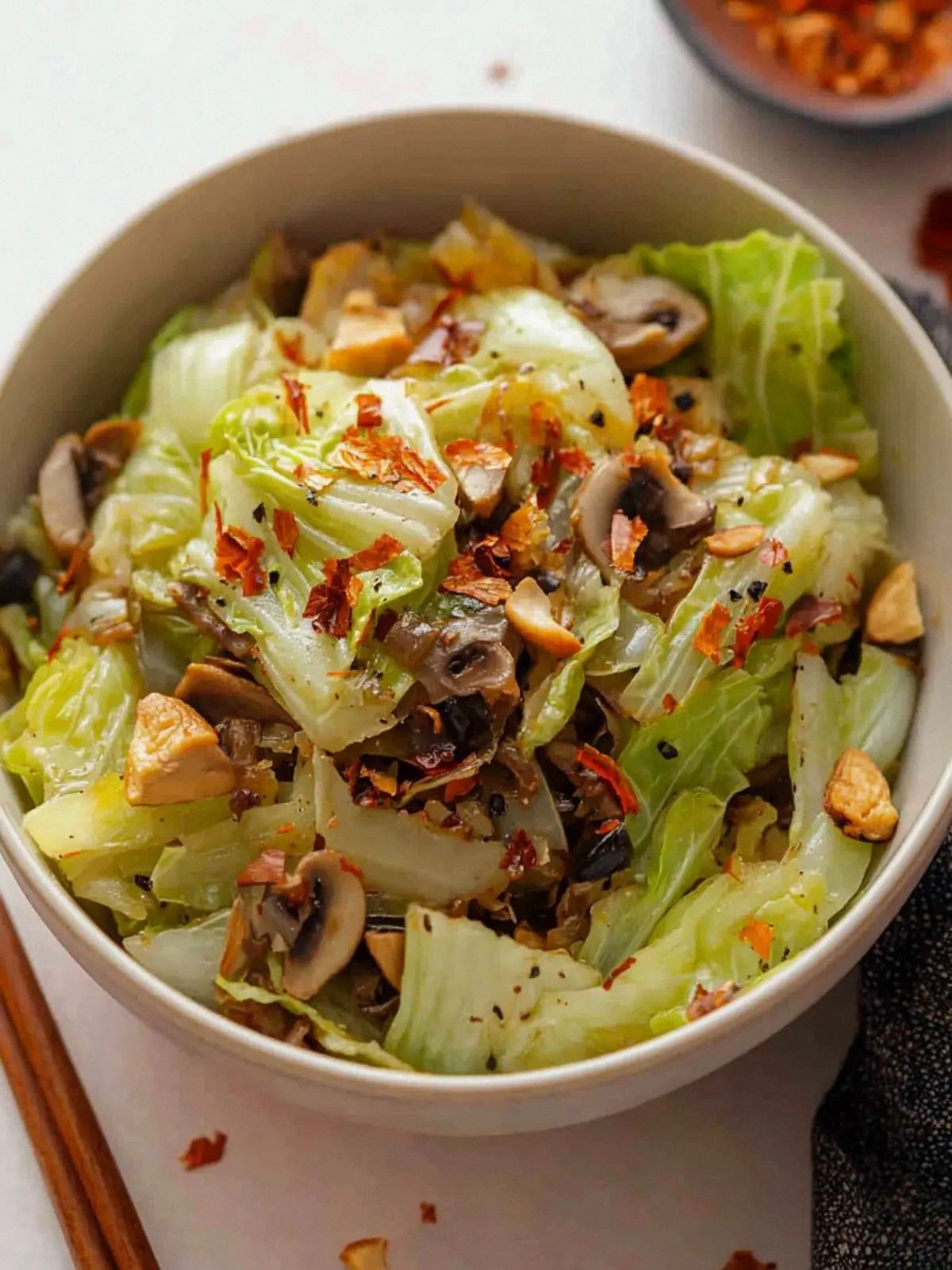
Picture yourself pulling this out of the wok, the whole kitchen smelling incredible, and the colorful vegetables sizzling with a crisp snap that shatters like thin ice. The sauce coats the cabbage like velvet, the mushrooms stay tender, and the sesame seeds add a nutty crunch that lingers on the tongue. I’ve been obsessed with finding that balance between savory, sweet, and a hint of heat, and this dish nails it. I’ll be honest — I ate half the batch before anyone else got a taste. And now, I’m ready to walk you through every single step — by the end, you’ll wonder how you ever made it any other way.
What makes this version stand out isn’t just the flavor; it’s the technique, the ingredient quality, and the sheer simplicity that lets you whip it up in under fifteen minutes. The first time I tried to make a Napa cabbage stir‑fry for a dinner party, I was overwhelmed by the endless variations. I found myself debating whether to use soy sauce or coconut aminos, whether to add a splash of rice vinegar, or whether the dish needed a touch of sweetness. I settled on a formula that keeps the focus on the cabbage, the mushrooms, and a balanced sauce that doesn’t drown the vegetables. The result? A dish that feels both comforting and exciting, and that turns any ordinary night into a culinary celebration.
When you’re juggling a busy schedule, you need a recipe that delivers on taste without demanding hours in the kitchen. This stir‑fry is that recipe. The cabbage stays crisp, the mushrooms release their earthy umami, and the sauce glistens like a glossy finish on a fine painting. I’ve refined the timing so that the heat is high enough to caramelize the garlic but low enough to preserve the crunch. The trick? A quick blast of heat, a splash of vinegar, and a dash of sesame oil that together create a flavor profile that’s both familiar and refreshingly new.
Most recipes get this completely wrong. They either overcook the cabbage, forget the sweet‑sour balance, or neglect the subtle heat that gives the dish character. Here’s what actually works: start with a hot pan, add oil, then garlic and ginger for a quick aromatics burst; then introduce the mushrooms, letting them brown before adding the cabbage; finally, finish with the sauce and sesame seeds. Each step builds upon the last, creating layers of flavor that dance on the palate. Stay with me here — this is worth it.
What Makes This Version Stand Out
Flavor: The sauce is a balanced blend of savory, sweet, and spicy that coats every vegetable without overpowering it. The subtle sweetness from sugar and the bright acidity from rice vinegar create a harmonious contrast that elevates the cabbage’s natural flavor.
Texture: The cabbage remains crisp, the mushrooms stay tender, and the sesame seeds add a satisfying crunch. The quick stir‑fry technique locks in the vegetables’ natural moisture, preventing them from becoming soggy.
Simplicity: With only twelve ingredients, this dish is a no‑fuss, one‑pan wonder that can be whipped up in minutes. You’ll need just a wok or large skillet and a handful of staples that most kitchens already have.
Uniqueness: The combination of toasted sesame oil, rice vinegar, and a splash of coconut aminos gives the dish a depth that’s rarely seen in standard stir‑fries. The result is a sauce that feels both exotic and familiar.
Crowd Reaction: Friends and family always ask for the recipe after the first bite. The dish’s vibrant colors and aromatic scent make it a conversation starter at any gathering.
Ingredient Quality: Using fresh, high‑quality Napa cabbage and mushrooms makes a noticeable difference. The better the vegetables, the more pronounced the flavors.
Cooking Method: The high‑heat, quick‑stir technique preserves nutrients and creates a caramelized flavor that’s hard to replicate with slow cooking.
Make‑Ahead Potential: The stir‑fry can be prepared in advance and reheated without losing its crispness, making it perfect for meal prep.
Alright, let's break down exactly what goes into this masterpiece…
Inside the Ingredient List
The Flavor Base
At the heart of this dish is the sauce that ties everything together. The soy sauce or coconut aminos provide umami depth, while the rice vinegar adds a bright, tangy lift. Sugar balances the acidity, and a pinch of salt ensures every bite is full of flavor. If you’re watching sodium, swap soy sauce for low‑sodium soy or tamari, and keep the rest the same.
The Texture Crew
Fresh Napa cabbage is the star. Its tender leaves hold up well to high heat, giving the dish a satisfying bite. Mushrooms, whether button, shiitake, or cremini, add an earthy umami that complements the cabbage’s mildness. When sliced thin, they release their juices and help build a subtle sauce during cooking.
The Unexpected Star
Red chili flakes give the stir‑fry a gentle heat that’s never overwhelming. Toasted sesame oil and sesame seeds contribute a nutty aroma and crunch. These ingredients are often overlooked in simple stir‑fry recipes but are essential for a layered, memorable taste.
The Final Flourish
Cilantro adds a fresh, herbal note that brightens the dish. A splash of rice vinegar at the end lifts the flavors, while the sesame seeds add a textural contrast. Together, these finishing touches elevate the dish from ordinary to extraordinary.
Everything's prepped? Good. Let's get into the real action…
The Method — Step by Step
- Heat a large wok or skillet over medium‑high heat until it shimmers. Add the tablespoon of olive oil, swirling to coat the pan. The oil should start to smoke lightly, indicating it’s hot enough for a quick sear. This is the moment of truth; do not lower the heat or the vegetables will steam instead of sear.
- Add the minced garlic and grated ginger. Sauté for about 30 seconds until fragrant, but watch carefully—garlic can burn quickly and turn bitter. The aroma should be sweet and aromatic, a hint of citrus from the ginger.
- Introduce the sliced mushrooms. Toss them around, letting them brown on all sides. This caramelization adds depth and a subtle sweetness that balances the acidity of the sauce. If the mushrooms release too much liquid, let them cook until the moisture evaporates.
- Add the shredded Napa cabbage in a single layer. Let it sit for 20–30 seconds before stirring. This brief rest allows the cabbage to sear and develop a slight char, giving it that coveted crunch. Once the edges start pulling away, stir vigorously.
- Pour in the soy sauce or coconut aminos, rice vinegar, and a splash of water to help create a light sauce. Stir in the sugar and salt to taste. The mixture should thicken slightly, coating the vegetables without making them soggy. The sauce should smell toasty, a sign that the flavors are melding.
- Add the red chili flakes, toasted sesame oil, and sesame seeds. Stir quickly to distribute the heat and nutty aroma evenly. The sesame oil’s aroma should fill the kitchen, creating an inviting scent that makes you want to dig in immediately.
- Finally, toss in the cilantro. It should wilt slightly, releasing its bright, citrusy fragrance. Taste and adjust seasoning if needed—more salt, a dash more vinegar, or a pinch more chili flakes, depending on your preference.
- Serve hot over steamed rice or quinoa. Sprinkle additional sesame seeds on top for extra crunch. The dish should look vibrant, with glossy vegetables and a sheen of sauce. The first bite should deliver a satisfying crunch followed by a burst of umami and a subtle heat that lingers.
That's it — you did it. But hold on, I've got a few more tricks that'll take this to another level…
Insider Tricks for Flawless Results
The Temperature Rule Nobody Follows
Many home cooks lower the heat after adding the cabbage, thinking it will prevent overcooking. In reality, a consistent high heat keeps the vegetables crisp and the sauce caramelized. Keep the wok at medium‑high heat throughout, only lowering it slightly if the pan starts to smoke excessively.
Why Your Nose Knows Best
The aroma of toasted sesame oil and fresh garlic is a reliable indicator of readiness. When the oil starts to emit a nutty fragrance, it’s time to add the cabbage. If you’re unsure, do a quick sniff test: the scent should be inviting, not burnt.
The 5‑Minute Rest That Changes Everything
After cooking, let the stir‑fry rest for five minutes on a heat‑resistant plate. This rest period allows the flavors to settle and the vegetables to firm up slightly, preventing them from becoming mushy when served.
Keep the Water in Check
Adding a splash of water during the sauce step helps create a light glaze without turning the dish soggy. If you’re watching calories, skip the water and rely on the vegetables’ own juices.
Use a Wide Skillet for Even Cooking
A wide, flat skillet or wok ensures the vegetables are spread out evenly, preventing steaming. The larger surface area allows for better heat distribution and faster sear.
Creative Twists and Variations
This recipe is a playground. Here are some of my favorite ways to switch things up:
Asian Fusion Twist
Swap the olive oil for sesame oil and add a tablespoon of hoisin sauce in place of the sugar. This gives the dish a sweet, savory depth reminiscent of classic Asian stir‑fries.
Protein‑Packed Version
Add diced tofu, shrimp, or thinly sliced chicken breast during step 4. Cook until the protein is done before adding the sauce to keep the vegetables crisp.
Vegan Boost
Replace the soy sauce with tamari or a gluten‑free soy sauce, and use a splash of coconut aminos for extra flavor. The dish remains fully plant‑based and still delivers that umami punch.
Low‑Carb Adaptation
Serve the stir‑fry over cauliflower rice instead of regular rice. The cauliflower adds volume without the extra carbs, making it a perfect low‑calorie option.
Spicy Korean Flair
Introduce gochujang (Korean chili paste) in place of the chili flakes for a more intense heat and a subtle sweetness. The dish will have a richer, deeper color.
Storing and Bringing It Back to Life
Fridge Storage
Store the stir‑fry in an airtight container for up to three days. Keep the sauce separate if you want the vegetables to stay crisp. When reheating, sprinkle a few drops of water to restore moisture.
Freezer Friendly
Freeze the dish in single‑serve portions for up to two months. Thaw in the refrigerator overnight and reheat in a skillet over medium heat, adding a splash of water or broth to revive the sauce.
Best Reheating Method
Reheat the stir‑fry in a skillet over medium heat, stirring frequently. Add a teaspoon of water or broth and cover for 2–3 minutes. This steaming technique restores the vegetables’ crispness and the sauce’s glossy sheen.