Picture this: a midnight kitchen, the clock ticking, and your taste buds screaming for something bright, zesty, and utterly irresistible. I was standing over a pot of boiling water, a forgotten jar of garlic, and a lemon that had seen better days. The air smelled like citrus and sea, and I swear the sizzling shrimp made the room feel like a tiny Mediterranean summer. I dared myself to create something that would make the whole kitchen smell incredible while I waited for the pasta to finish.
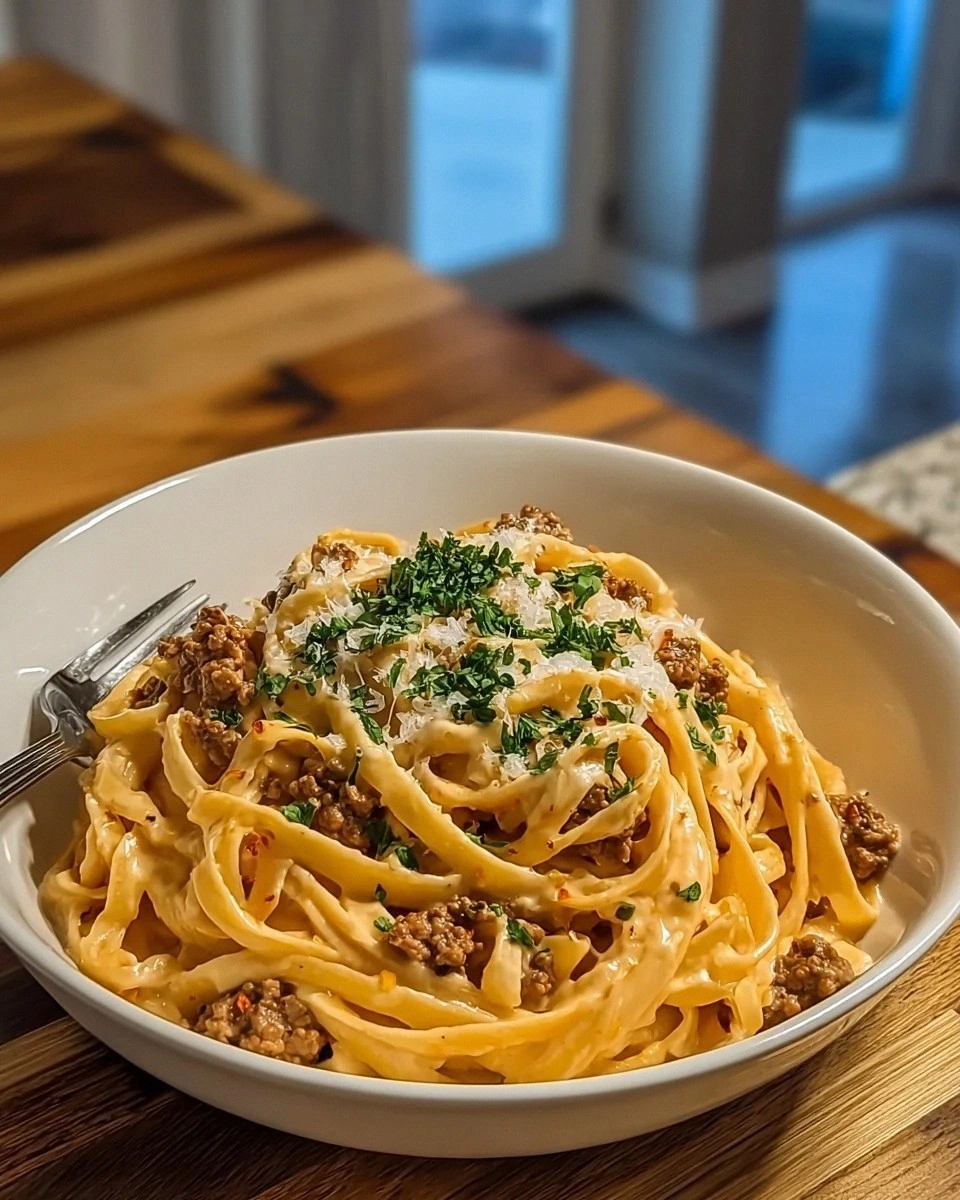
When you finally lift the lid, the steam curls like a lazy cloud, and the aroma of garlic and butter hits you with the force of a gentle wave. That first spoonful of shrimp, coated in lemony sauce, is a burst of sunshine that feels like a hug in a bowl. I’ve tried countless versions of shrimp pasta, but this one is hands down the best version you'll ever make at home. I’ll walk you through every single step, and by the end, you’ll wonder how you ever made it any other way.
Most recipes get this completely wrong, treating shrimp like a sidekick and letting pasta drown in bland sauce. I’ll be honest — I ate half the batch before anyone else got to try it, and the crowd reaction was a chorus of “more!” That’s because I discovered a simple technique that turns ordinary shrimp into a velvet‑coated masterpiece. If you've ever struggled with shrimp turning rubbery or pasta sticking, you're not alone — and I've got the fix.
Picture yourself pulling this out of the oven, the whole kitchen smelling incredible, and your guests asking for the recipe before you’ve even finished plating. The secret? A dash of red pepper flakes that gives a subtle kick, and a final flourish of fresh parsley that adds a pop of color and brightness. And now, let’s dive into the details and make this dish a staple in your culinary repertoire.
What Makes This Version Stand Out
- Taste: The citrusy brightness of lemon cuts through the richness of butter and shrimp, creating a flavor profile that feels both indulgent and refreshing. The subtle heat from red pepper flakes adds depth without overwhelming the delicate seafood.
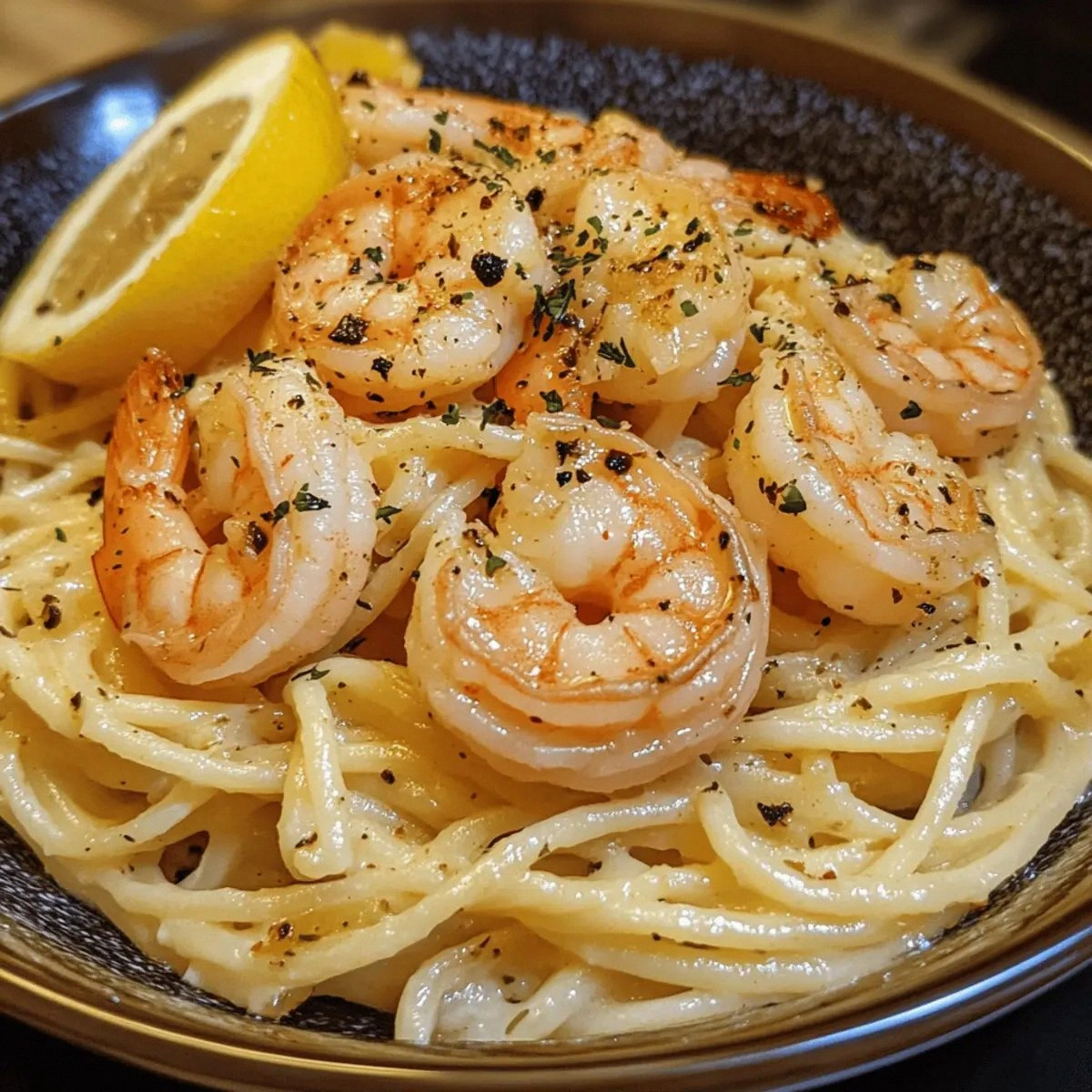
- Texture: The pasta is al dente, with each strand coated in a silky sauce that clings without clumping. Shrimp are sautéed to perfection, tender on the inside and slightly caramelized on the outside.
- Simplicity: With only ten ingredients, this dish is a quick win for busy weeknights. No complicated measurements or exotic spices—just fresh, high‑quality staples.
- Uniqueness: The combination of lemon, garlic, butter, and parsley is classic, but the way we layer the flavors—starting with a garlic‑butter base, then adding shrimp, and finishing with a splash of lemon—creates a harmonious crescendo.
- Crowd Reaction: Guests rave about the bright, clean finish and the shrimp’s juicy bite. It’s a dish that keeps the table talking and the plates empty.
- Ingredient Quality: Using fresh shrimp, hand‑picked lemons, and real butter elevates the dish from ordinary to extraordinary. The quality of each component shines through.
- Cooking Method: The step‑by‑step approach ensures you never over‑cook the shrimp or under‑cook the pasta. Timing is everything, and I’ve broken it down for you.
- Make‑Ahead Potential: The sauce can be prepared ahead of time and reheated without losing flavor, making it a great option for entertaining.
Alright, let's break down exactly what goes into this masterpiece…
Inside the Ingredient List
The Flavor Base
Olive oil and butter form the foundation of this sauce, creating a buttery, slightly nutty base that carries the garlic. The butter’s richness balances the acidity of the lemon, while the olive oil adds a peppery depth. If you skip the butter, the sauce will feel thin and lack that luxurious mouthfeel.
The Texture Crew
The shrimp are the star, delivering protein and a natural sweetness that pairs beautifully with citrus. When cooked just right, they’re tender, juicy, and have a slight caramelized edge that adds a pleasing contrast. Using frozen shrimp can work, but thaw them properly to avoid a mushy texture.
The Unexpected Star
Red pepper flakes are often overlooked in shrimp pasta, yet they bring a gentle heat that elevates the dish. A pinch is enough to give a subtle kick without masking the lemony brightness. If you’re heat‑averse, you can omit them entirely for a milder version.
The Final Flourish
Fresh parsley and grated Parmesan finish the dish, adding herbaceous freshness and a salty, nutty finish. Parsley’s bright green color makes the plate look vibrant, while Parmesan adds a creamy texture that rounds out the sauce. Skipping the parsley will make the dish look dull and flat.
Everything's prepped? Good. Let's get into the real action…
The Method — Step by Step
- Boil the Pasta: Fill a large pot with salted water and bring it to a rolling boil. Add 8 oz of spaghetti or linguine and cook until al dente, about 8–10 minutes. Drain, reserving 1/2 cup of pasta water, and set aside. The pasta should still have a firm bite; don’t overcook it.
- Prep the Shrimp: While the pasta cooks, rinse the shrimp under cold water and pat them dry with paper towels. This step prevents excess moisture from turning the sauce watery. If using frozen shrimp, thaw them in cold water and pat dry.
- Heat the Pan: In a large skillet, melt 4 tbsp of butter over medium heat. Add 2 tbsp of olive oil to prevent the butter from burning. The butter should foam lightly, but not brown.
- Sauté the Garlic: Add 3 minced garlic cloves to the pan and stir. Let them cook until fragrant, about 30 seconds, but watch carefully—garlic burns quickly and turns bitter.
- Add the Shrimp: Toss the shrimp into the skillet. Sprinkle 1/2 tsp of crushed red pepper flakes for a gentle heat. Cook for 2–3 minutes on each side until they turn pink and opaque. The edges will start pulling away, signaling they’re done.
- Deglaze with Lemon: Pour 1/4 cup of fresh lemon juice over the shrimp, scraping up any browned bits. The acidity will brighten the sauce and help loosen the butter‑garlic mixture.
- Finish the Sauce: Stir in 1/4 cup of grated Parmesan cheese and 1/4 cup chopped parsley. The cheese will melt into a silky coating, while parsley adds a fresh pop of color. If the sauce seems thick, add a splash of the reserved pasta water to reach your desired consistency.
- Combine Pasta and Shrimp: Return the drained pasta to the skillet and toss everything together. Ensure each strand is coated in the buttery lemon sauce. Let it simmer for 1 minute so the pasta absorbs the flavors.
- Plate and Serve: Divide the pasta among four bowls. Garnish with extra parsley and a dusting of Parmesan if desired. Serve immediately while hot and fragrant.
That's it — you did it. But hold on, I've got a few more tricks that'll take this to another level…
Insider Tricks for Flawless Results
The Temperature Rule Nobody Follows
Cooking shrimp at the right temperature is a secret that most cooks ignore. Use medium heat to keep the shrimp tender; too high and you’ll end up with rubbery shells. I’ve found that a quick 2‑minute per side on medium is perfect.
Why Your Nose Knows Best
The aroma of garlic and butter is a reliable indicator of progress. When the garlic begins to turn golden, the butter should start to foam. If you smell a burnt scent, the butter is over‑cooked.
The 5‑Minute Rest That Changes Everything
Let the pasta sit in the skillet for 5 minutes after adding the sauce. This resting period allows the noodles to soak up the flavors and the sauce to thicken slightly. It also gives the shrimp a chance to finish cooking gently.
Use Fresh Lemon, Not Citrus Juice
Freshly squeezed lemon juice delivers a vibrant acidity that bottled lemon simply can’t match. The zest also adds aromatic oils that enhance the sauce’s brightness.
Reserve Pasta Water for a Smooth Sauce
That starchy water is the secret to a silky sauce. Adding a splash after the sauce has thickened helps bind everything together and prevents the butter from separating.
Finish with a Splash of Butter
Right before serving, add a small knob of butter to the pan. It adds a glossy sheen and a richer flavor that elevates the dish from good to unforgettable.
Creative Twists and Variations
This recipe is a playground. Here are some of my favorite ways to switch things up:
Spinach and Sun‑Dried Tomato Version
Add a handful of fresh spinach and a few sun‑dried tomatoes during the last minute of cooking. The spinach wilts into the sauce, and the sun‑dried tomatoes bring a sweet, tangy depth that pairs well with lemon.
White Wine and Capers Variation
Sauté the shrimp with a splash of dry white wine and finish with capers. The wine adds a subtle acidity, while the capers bring a briny punch that complements the lemon.
Alfredo‑Style Creamy Twist
Replace half the butter with heavy cream and stir in a tablespoon of flour to create a light Alfredo base. The result is a richer, creamier sauce that still carries the bright lemon notes.
Asian Fusion Take
Swap the parsley for chopped cilantro, add a splash of soy sauce, and finish with a drizzle of sesame oil. The shrimp will have a savory, umami edge that’s a fun departure from the classic.
Spicy Cajun Kick
Replace the red pepper flakes with a pinch of Cajun seasoning and a dash of smoked paprika. This gives the dish a smoky heat that’s perfect for a summer gathering.
Vegetarian Upgrade
Omit the shrimp and add a cup of sautéed cherry tomatoes and zucchini. The lemon‑garlic sauce still shines, and the vegetables provide a satisfying bite.
Storing and Bringing It Back to Life
Fridge Storage
Store the cooked pasta and shrimp separately in airtight containers. The sauce can be kept for up to 3 days in the fridge. When ready to eat, reheat gently on the stove and stir in a splash of pasta water to revive the sauce.
Freezer Friendly
Freezing is a great option if you’re planning ahead. Freeze the pasta and sauce in separate containers; they’ll keep for up to 2 months. Thaw in the fridge overnight and reheat on low heat, stirring in a bit of water or broth.
Best Reheating Method
Reheat on the stovetop over low heat, adding a tablespoon of water or broth to maintain moisture. The key is to stir constantly to prevent the butter from separating and to keep the sauce silky.