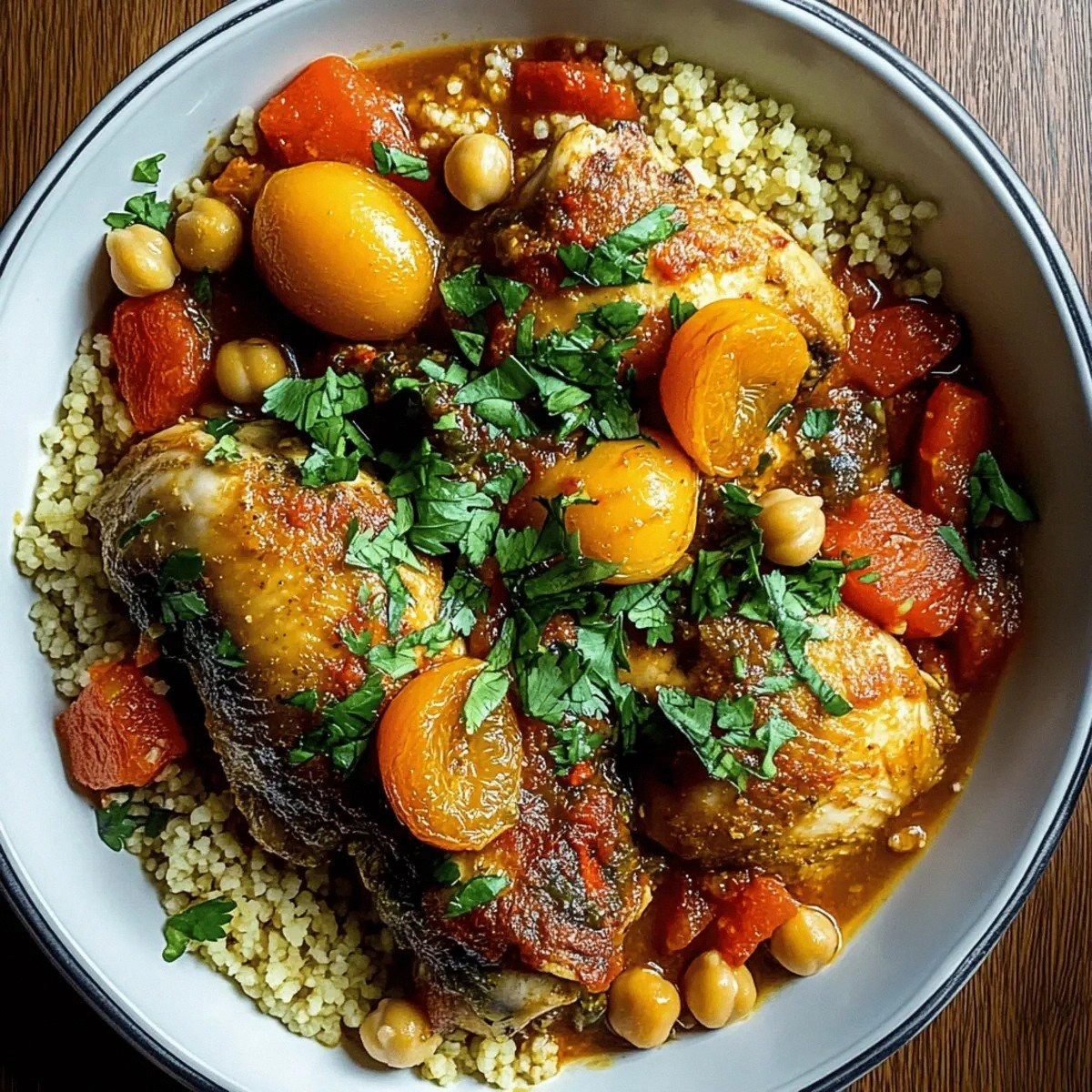
I'll be honest — I ate half the batch before anyone else got to try it. There I was, standing over the stove at 11:30 PM, "testing" the sauce for the fourth time with a hunk of crusty bread that was supposed to be for tomorrow's lunch. The intoxicating aroma of warm spices had hijacked my kitchen, and I was powerless against the siren call of tender chicken swimming in that mahogany-colored gravy. This Moroccan chicken stew isn't just another weeknight dinner; it's the culinary equivalent of wrapping yourself in a cashmere blanket while someone you love whispers sweet nothings in your ear.
Picture yourself pulling this out of the oven, the whole kitchen smelling like a spice market in Marrakech where cinnamon mingles with cumin and the air itself tastes of adventure. The first time I made this, my neighbor knocked on my door asking if I was running an underground restaurant because the hallway smelled so incredible. That sizzle when the chicken hits the pan? Absolute perfection. The way the apricots plump up like little jewels, soaking up all that savory-sweet sauce? Pure magic. And don't even get me started on what happens when you break up the chicken with your spoon and it falls apart into these silky strands that absorb every last drop of flavor.
Most recipes get this completely wrong. They throw everything into a pot and hope for the best, ending up with muddy flavors and tough chicken that tastes like disappointment. Here's what actually works: building layers of flavor slowly, letting each spice toast until it releases its essential oils, giving the chicken time to braise until it's spoon-tender. The result is a stew so complex and satisfying that you'll find yourself making involuntary happy noises with every bite. I dare you to taste this and not go back for seconds.
The secret weapon? Those humble dried apricots that transform into tangy-sweet bursts that cut through the richness like a ray of sunshine through storm clouds. Combined with briny green olives and earthy chickpeas, they create a flavor symphony that dances between sweet, savory, and tangy in a way that makes your taste buds stand up and applaud. Let me walk you through every single step — by the end, you'll wonder how you ever made it any other way.
What Makes This Version Stand Out
Flavor Depth: We're not just dumping spices into a pot and hoping for the best. Each spice gets its moment to bloom in hot oil, releasing essential oils that create layers of complexity most recipes miss entirely. The difference between raw and toasted cumin is like the difference between a sleepy Monday morning and New Year's Eve in Times Square.
Texture Paradise: Silky chicken that falls off the bone, plump chickpeas that pop between your teeth, apricots that melt into sweet pockets of joy, and olives that provide that perfect briny counterpoint. It's like a party where every guest brings something interesting to the conversation.
One-Pot Wonder: Despite tasting like you spent hours slaving over a hot stove, this entire masterpiece comes together in a single pot. Less dishes, more Netflix time. My dishwasher and I are practically best friends now.
Make-Ahead Magic: This stew actually tastes better the next day when all those flavors have had time to mingle and get to know each other properly. I always make a double batch because the leftovers are like finding money in your winter coat pocket.
Pantry-Friendly: Everything in this recipe lives happily in your pantry or freezer, making it the perfect emergency dinner for when you can't face another grocery run. Those dried apricots you bought for that salad you never made? They're about to become your new favorite ingredient.
Crowd-Pleaser Guarantee: I've served this to picky toddlers, spice-phobic relatives, and that friend who claims they don't like "ethnic food" (ugh, I know). They all asked for seconds and the recipe. This is the dish that converts cauliflower-haters into vegetable evangelists.
Health in Disguise: Packed with lean protein, fiber-rich chickpeas, and antioxidant spices, this stew nourishes your body while your soul does a happy dance. It's comfort food that doesn't require elastic waistband pants.
Alright, let's break down exactly what goes into this masterpiece...
Inside the Ingredient List
The Flavor Base
The chicken thighs are the unsung heroes here, bringing rich, deep flavor that breast meat can only dream about. Dark meat stays tender even after long cooking, and those little pieces of skin render down into crispy flavor bombs that season the entire stew. If you're still buying boneless, skinless chicken breasts for everything, we need to talk about your life choices. The bone adds collagen that thickens the sauce naturally, while keeping the meat juicier than a gossip columnist's latest scoop.
Onion and garlic form the aromatic foundation that makes everything else taste like more. Don't rush chopping the onion — those little pieces will practically dissolve into the sauce, adding natural sweetness that balances the warm spices. I like to slice my onion into half-moons rather than dicing because they hold their shape better and create these silky ribbons throughout the stew.
Olive oil isn't just a cooking fat here; it's carrying the flavors of all those spices throughout the dish. Use the good stuff — the kind that tastes like peppery grass and sunshine. Cheap oil makes cheap-tasting food, and we're not about that life.
The Spice Symphony
Cumin is the earthy backbone that gives this stew its distinctive North African personality. Freshly ground cumin smells like you've buried your nose in a field on a warm day, while the pre-ground stuff tastes like dusty disappointment. If you've never ground your own spices, prepare for a revelation that will ruin takeout forever.
Coriander adds bright, citrusy notes that wake up all the other flavors like a splash of cold water to the face. It's the friend who tells you when you have spinach in your teeth — absolutely essential for keeping everything in balance. The seeds have a completely different personality than fresh cilantro, so don't skip this thinking they're interchangeable.
Ginger brings zing and warmth without the sharp bite of fresh ginger. Ground ginger melts seamlessly into the sauce, creating background heat that builds slowly rather than smacking you in the face. It's like the difference between a gentle hug and a bear squeeze from your overenthusiastic cousin.
The Sweet-Tart Game Changers
Dried apricots are the ingredient that makes people stop mid-chew and ask "what IS that?" They plump up in the cooking liquid, transforming into jammy jewels that burst with sweet-tart flavor. The trick is adding them at the right time — too early and they dissolve into mush, too late and they stay tough and leathery. You're looking for that Goldilocks moment where they're soft but still hold their shape.
Green olives bring briny, salty punches that cut through the richness like a skilled fencer. Don't even think about using those bland canned black olives — they have the personality of wet cardboard. Look for olives with attitude, the kind that make your mouth pucker and your taste buds sing.
The Texture Makers
Chickpeas are your protein-packed little sponges, soaking up all the sauce while maintaining their delightful pop. Canned works perfectly here — we're not running a restaurant, and life's too short for soaking beans overnight. Just rinse them well unless you enjoy the taste of canning liquid (spoiler alert: you don't).
Everything's prepped? Good. Let's get into the real action...
The Method — Step by Step
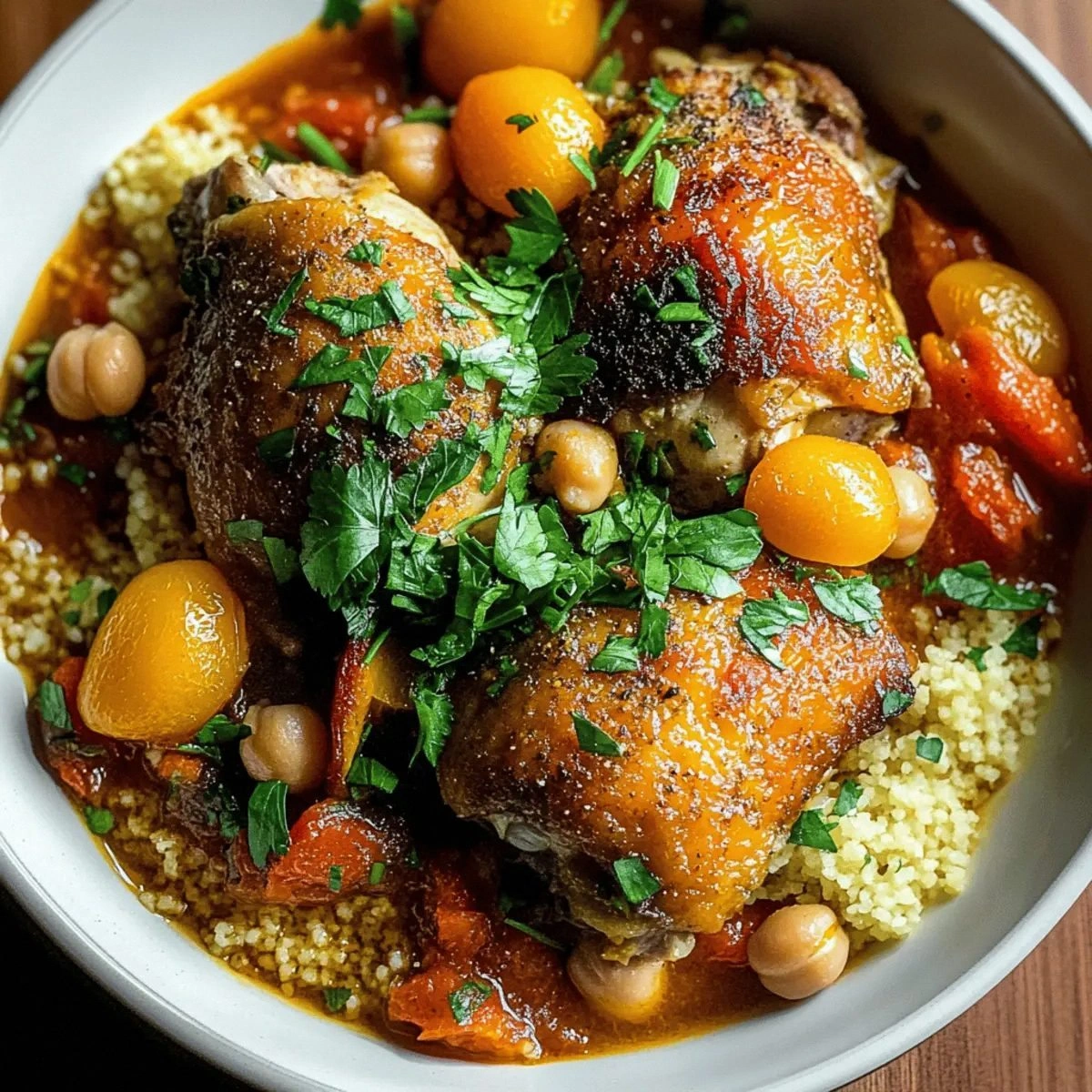
- Heat olive oil in a heavy-bottomed pot over medium-high heat until it shimmers like a mirage in the desert. Pat your chicken thighs dry with paper towels — moisture is the enemy of beautiful browning. Season them generously with salt and pepper, then lay them skin-side down in the hot oil. Don't crowd the pan or they'll steam instead of sear. Let them cook undisturbed for 5-6 minutes until the skin turns golden-brown and crispy. This is the moment of truth where we're building the flavor foundation that will make your kitchen smell like a Moroccan grandmother's cooking paradise.
- Flip the chicken and brown the other side for another 4 minutes. Remove the chicken to a plate — don't worry if it's not cooked through yet, we're just developing flavor here. Those brown bits stuck to the bottom? That's liquid gold, packed with concentrated chicken flavor that will make your sauce taste like it's been simmering for hours. If you've ever wondered why restaurant food tastes better, this step is half the answer.
- Add the sliced onion to the same pot, scraping up those beautiful brown bits with a wooden spoon. The onion should sizzle enthusiastically when it hits the pan. Cook for 6-7 minutes, stirring occasionally, until the edges start to caramelize and turn golden. Your kitchen should smell like you're doing something very right with your life right now.
- Clear a space in the center of the pot and add your spice collection — cumin, coriander, ginger, cinnamon, cayenne, and turmeric. Let them toast for 30 seconds until they become fragrant and start to darken slightly. This is where the magic happens, where raw spices transform into something that makes you close your eyes and inhale deeply. Stir constantly or they'll burn faster than your ex's new relationship.
- Add the minced garlic and cook for another 30 seconds. Garlic burns faster than gossip spreads at a family reunion, so keep it moving. The aroma should be intoxicating at this point — if your neighbors haven't started sniffing around, they're either not home or have no sense of smell.
- Pour in the diced tomatoes with their juices, breaking them up with your spoon. Add the chicken broth and give everything a good stir, scraping up any remaining brown bits. Return the chicken to the pot, nestling it into the liquid. The sauce should come about halfway up the chicken — add more broth if needed.
- Bring everything to a gentle simmer, then reduce heat to low, cover, and let it bubble away for 25 minutes. This is when the chicken transforms from tough bird to spoon-tender perfection. Don't be tempted to crank up the heat — low and slow is the secret to meat that falls apart at the mere suggestion of a fork.
- After 25 minutes, add the chickpeas, apricots, and olives. Stir gently to combine without breaking up the chicken. Cover and simmer for another 10-15 minutes until the apricots are plump and the sauce has thickened slightly. The apricots should look like they've been to the spa — relaxed and glowing.
- Taste and adjust seasoning with salt and pepper. The sauce should be rich and complex, with a perfect balance of sweet, savory, and tangy. If it tastes flat, add a pinch more salt. If it's too thick, splash in some broth. If it's too thin, simmer uncovered for a few minutes. This is your moment to play flavor conductor.
- Sprinkle with fresh cilantro or parsley for a pop of color and freshness. Serve hot over couscous or rice, making sure everyone gets a good mix of chicken, chickpeas, apricots, and olives in their bowl. The sauce should pool around the edges of the plate, begging to be soaked up with bread.
That's it — you did it. But hold on, I've got a few more tricks that'll take this to another level...
Insider Tricks for Flawless Results
The Temperature Rule Nobody Follows
Here's the thing about browning meat — your pan needs to be hot enough that the chicken sizzles immediately when it hits the oil, but not so hot that the spices burn. I test by flicking a tiny drop of water into the oil; if it dances and evaporates instantly, you're golden. Too many home cooks are afraid of high heat, but that's what creates the caramelization that makes food taste like it came from a restaurant instead of a hospital cafeteria.
If you've ever struggled with rubbery chicken, you're probably cooking it at too low a temperature. We want that initial sear to lock in juices, then gentle simmering to break down connective tissue. It's like the difference between a gentle massage and someone jumping on your back — both involve pressure, but only one leaves you feeling better.
Why Your Nose Knows Best
Trust your sense of smell throughout this process. When the onions are perfectly caramelized, they'll smell sweet and slightly nutty. When the spices are toasted just right, you'll get an intoxicating aroma that makes you want to bottle it as perfume. If something smells burnt or bitter, it probably is, and no amount of wishful thinking will save it.
I once had a friend who insisted on following recipes to the letter, setting a timer for everything. She couldn't figure out why her food never tasted as good as mine until I told her that cooking is a conversation, not a monologue. Your ingredients will tell you when they're ready — you just have to listen with your nose.
The 5-Minute Rest That Changes Everything
After the stew is done, let it rest for 5 minutes off heat before serving. This allows the flavors to settle and meld, the sauce to thicken slightly, and the chicken to relax into its juices. It's like the difference between a quick handshake and a proper hug — both are greetings, but one is infinitely more satisfying.
During this rest, the apricots will continue to plump up, absorbing just enough liquid to become jammy without falling apart. The chickpeas will soak up flavor from the sauce, and the whole dish will transform from good to unforgettable. Patience is a virtue, especially when it comes with delicious rewards.
Creative Twists and Variations
This recipe is a playground. Here are some of my favorite ways to switch things up:
The Lamb Lover's Dream
Swap the chicken for lamb shoulder cut into 2-inch chunks. Lamb loves warm spices even more than chicken does, and the longer cooking time creates the most tender, fall-apart meat that tastes like it came from a Moroccan grandmother's kitchen. Add an extra 20 minutes to the simmering time, and prepare for your house to smell like a spice merchant's paradise.
The Vegetarian Powerhouse
Replace chicken with chunks of butternut squash and add a can of white beans along with the chickpeas. The squash becomes caramelized and sweet, while the beans add protein and creaminess. Use vegetable broth instead of chicken broth, and you've got a vegetarian meal that even carnivores crave.
The Sweet Heat Edition
Add a tablespoon of honey along with the apricots, and double the cayenne if you like living dangerously. The interplay between sweet and spicy creates an addictive quality that has people going back for thirds. Serve with cooling yogurt on the side for the full experience.
The Coastal Catch
Substitute firm white fish like halibut or cod for the chicken, adding it only in the last 10 minutes of cooking. The delicate fish absorbs all those beautiful flavors while staying flaky and tender. This version feels lighter but still satisfies that Moroccan craving.
The Winter Warmer
Add chunks of carrots and potatoes along with the chickpeas for a heartier version that'll stick to your ribs on cold nights. The vegetables soak up the sauce and become little flavor bombs throughout the stew. Perfect for when you need comfort food that doubles as a complete meal.
The Summer Fresh Take
Use fresh apricots when they're in season, adding them in the last 5 minutes so they hold their shape but still warm through. Add fresh mint instead of cilantro for a brighter, more refreshing version that works beautifully on hot summer evenings when you want something satisfying but not heavy.
Storing and Bringing It Back to Life
Fridge Storage
Store leftovers in an airtight container for up to 4 days. The flavors actually improve with time, so don't be surprised if Tuesday's dinner tastes even better than Sunday's. Let it cool completely before refrigerating — hot food in cold fridges creates condensation that waters down your beautiful sauce. I like to store the chicken in the sauce, which keeps everything moist and flavorful.
When reheating, add a splash of water or broth to loosen the sauce, which thickens as it cools. Warm gently over medium-low heat, stirring occasionally, until heated through. The chicken will be even more tender on day two, practically falling apart at the slightest provocation.
Freezer Friendly
This stew freezes beautifully for up to 3 months. Portion it into individual containers for easy weeknight dinners — future you will be so grateful. Leave about an inch of space at the top of containers for expansion. Thaw overnight in the refrigerator, then reheat with a bit of added liquid.
The apricots and olives actually hold up better to freezing than you might expect. They'll be slightly softer but still provide those essential flavor contrasts that make this dish special. Freeze in flat bags for space-saving storage that thaws faster than bulky containers.
Best Reheating Method
Low and slow is the key to reheating without drying out the chicken. Add a splash of water or broth, cover, and warm over gentle heat. The microwave works in a pinch, but use 50% power and stir every minute to prevent hot spots. For best results, reheat on the stovetop with a lid slightly ajar, stirring occasionally.
If the sauce seems too thick after reheating, thin it with a bit of water or broth. Taste and adjust seasoning — sometimes a pinch of salt brightens everything up again. Garnish with fresh herbs to make it feel like you just made it, even if you're eating week-old leftovers.