Ever watched a batch of pancakes collapse into a soggy mess while the kitchen smells like burnt sugar? I’ve been there, flipping flabby stacks that taste like cardboard, and the only thing that saved me was a single ingredient that turned everything upside down. That ingredient was ricotta, a creamy Italian staple that lifts the batter into clouds of airy bliss. If you’ve ever stared at a bowl of batter and wondered why it never rises like a soufflé, this recipe is the answer.
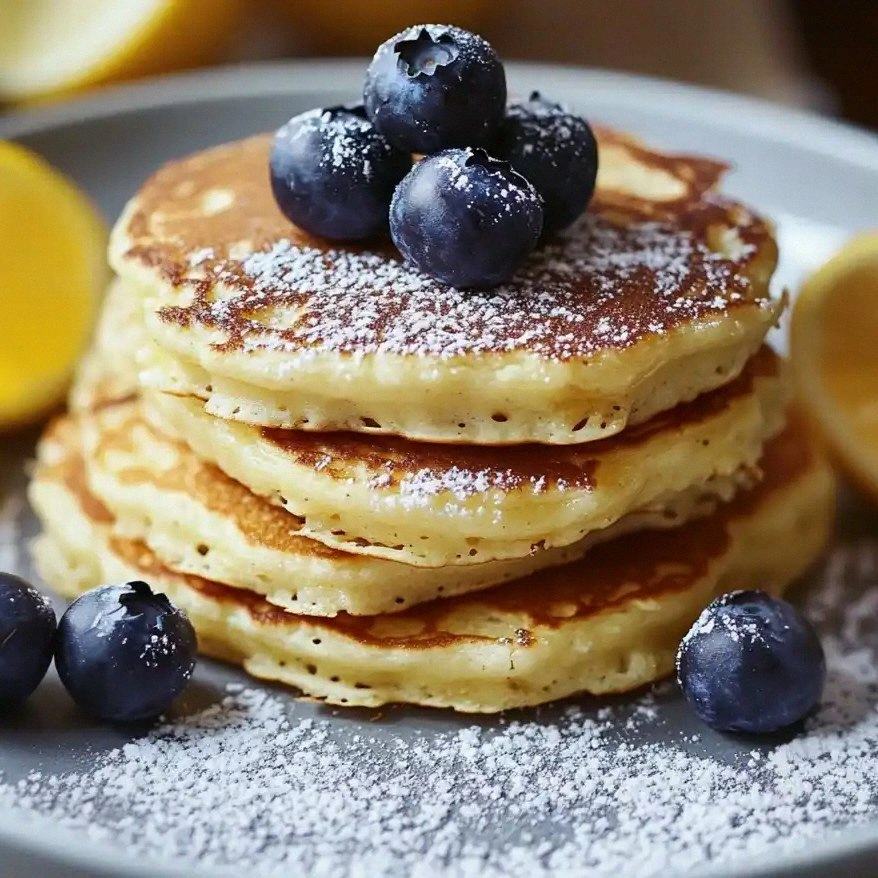
Picture this: a golden, fragrant dome of batter sizzling on the pan, steam curling like a lazy cloud. The aroma of citrus and vanilla hits the nose, and the first bite feels like a splash of sunshine on a chilly morning. The texture is so light it almost melts in your mouth, yet the edges stay crisp enough to give that satisfying crunch you crave. I dare you to taste this and not go back for seconds. Trust me, the moment that first bite hits, you’ll be convinced that this is hands down the best version you’ll ever make at home.
What sets these pancakes apart is the marriage of ricotta’s silky smoothness and lemon’s bright zing, creating a flavor profile that’s both comforting and invigorating. The batter is so airy that it feels like a cloud, but the lemon zest and juice give it a punch that wakes up your palate. Most recipes get this completely wrong by overmixing or using too much liquid, but I’ve discovered the exact balance that keeps the pancakes fluffy without being wet. I’ll be honest — I ate half the batch before anyone else got to try it. That’s how good they are.
Now, imagine pulling a stack of these out of the pan, the whole kitchen smelling incredible, and serving them to friends who’ll instantly say, “I’ve never had pancakes like this before.” That’s the power of a recipe that’s been perfected, tweaked, and tested until every bite is flawless. Let me walk you through every single step — by the end, you’ll wonder how you ever made it any other way.
What Makes This Version Stand Out
- Fluffiness: The ricotta adds a light, airy texture that turns ordinary pancakes into cloud‑like treats, ensuring each bite is soft and tender.
- Zesty Brightness: Fresh lemon juice and zest give an instant burst of citrus that cuts through the richness, leaving a clean finish.
- Simple Prep: With only 12 ingredients, the recipe stays approachable, yet the flavor profile feels gourmet.
- Versatile Appeal: It works as a breakfast staple, a brunch crowd‑pleaser, or even a sweet dessert when topped with berries.
- Make‑Ahead Friendly: The batter keeps well for a few hours, so you can assemble and bake later, saving precious morning time.
- Ingredient Quality: Using fresh lemon, real ricotta, and butter makes all the difference; you’ll taste the difference in every bite.
Alright, let’s break down exactly what goes into this masterpiece…
Inside the Ingredient List
The Flavor Base
All-purpose flour is the backbone of our batter, providing structure while remaining neutral enough to let the lemon shine. If you’re looking for a gluten‑free option, swap it for a 1:1 blend of rice and potato flours. Skipping the flour will turn the pancakes into a dense, almost dumpling‑like texture that’s not what we’re after.
The Texture Crew
Baking powder and baking soda work together to trap air, creating the signature lift. The baking powder provides the initial lift, while the soda reacts with the acidic lemon juice to produce a secondary rise. If you omit either, the pancakes will be flat and heavy.
The Unexpected Star
Ricotta isn’t just a filler; it’s the secret weapon that gives our pancakes a silky mouthfeel. It’s rich enough to add body but light enough to keep the batter airy. If you don’t have ricotta on hand, a blend of Greek yogurt and a splash of milk can mimic its properties, though the flavor will shift slightly.
The Final Flourish
Fresh lemon juice and zest are the finishing touches that elevate the entire dish. The zest carries bright oils that give a lingering citrus aroma, while the juice adds acidity that balances the richness of the ricotta and butter. Vanilla extract rounds out the flavor, adding a subtle warmth that ties everything together. If you’re in a pinch, a teaspoon of almond extract can add a nutty twist.
Everything’s prepped? Good. Let’s get into the real action…
The Method — Step by Step
- In a medium bowl, whisk together flour, baking powder, baking soda, sugar, and salt until well combined. The dry mix should feel like a fine, airy powder, ready to absorb the wet ingredients. This is the foundation; don’t rush it. It’s like laying the groundwork for a skyscraper—every layer matters.
- In a separate bowl, blend the ricotta, eggs, milk, lemon juice, lemon zest, vanilla, and melted butter. Whisk until the mixture is smooth and the ricotta is fully incorporated. The batter should look glossy, like a bright, creamy lake. This is where the magic starts.
- Pour the wet mixture into the dry mixture and stir just until combined. It’s okay if the batter is a bit lumpy; overmixing will develop gluten and make the pancakes chewy. Think of it like a gentle dance—just enough contact, no hard moves.
- Let the batter rest for 5 minutes. This short pause lets the leavening agents activate fully, ensuring a light rise when cooked. While the batter sits, grab a clean skillet and preheat it over medium heat. The skillet should feel hot enough that a splash of water sizzles and evaporates immediately.
- Lightly oil the skillet or use a nonstick spray. When the oil shimmers, pour a ¼ cup of batter per pancake, leaving space for expansion. The batter should spread to about 4 inches in diameter. If you’re making a big batch, you can flip the pan to ensure even distribution.
- Cook until bubbles form on the surface and the edges look set, about 2–3 minutes. Flip carefully with a spatula and cook the other side until golden brown, another 2 minutes. The sound of the sizzle should be a satisfying, rhythmic click.
- Remove the pancakes from the skillet and keep them warm on a low‑heat oven or a covered dish. Repeat with the remaining batter, adding more butter or oil to the pan as needed. Remember, a hot pan is your best friend—no more than a few pancakes at once.
- Serve immediately with a dusting of powdered sugar, a drizzle of honey, or fresh berries. The pancakes are best enjoyed hot, but if you’re prepping ahead, store them in an airtight container for up to 2 days.
That’s it— you did it. But hold on, I've got a few more tricks that'll take this to another level. These insider tips will help you perfect the process and avoid common pitfalls.
Insider Tricks for Flawless Results
The Temperature Rule Nobody Follows
Many cooks think a high heat is essential, but a medium‑low heat keeps the pancakes tender. If the pan is too hot, the exterior will brown before the interior cooks, resulting in a dry center. Keep the skillet at a steady 325°F (165°C) and let the batter do its work.
Why Your Nose Knows Best
Your sense of smell is a reliable indicator of doneness. When the pancakes emit a subtle, buttery aroma with a hint of citrus, it’s time to flip. That scent means the batter has cooked through but hasn’t burned.
The 5‑Minute Rest That Changes Everything
Letting the batter rest for 5 minutes before cooking allows the leavening agents to fully activate, ensuring a light rise. Skipping this step can lead to dense, flat pancakes that feel like a pancake‑soup hybrid.
The Secret of the Perfect Flip
When flipping, use a wide spatula and slide it under the pancake gently. The batter should slide out with minimal resistance; if it sticks, the pan is too hot or the batter is too wet. A quick flip preserves the airy texture.
The Final Touch of Butter
Right before serving, dot each pancake with a small pat of melted butter. The butter melts into the layers, giving a glossy finish and a buttery bite that elevates the citrus flavor. It’s the small touch that makes a big difference.
Creative Twists and Variations
This recipe is a playground. Here are some of my favorite ways to switch things up:
Berry Burst
Fold fresh blueberries or raspberries into the batter before cooking. The berries burst with juice, adding a sweet‑tart counterpoint to the lemon. This variation is perfect for summer mornings.
Chocolate Drizzle
After flipping, drizzle melted dark chocolate over the hot pancakes. The chocolate melts into the layers, creating a decadent, gooey center. Pair with a dollop of whipped cream for a dessert‑like experience.
Savory Spin
Replace the lemon zest with finely chopped chives and add a pinch of smoked paprika. Serve with a side of scrambled eggs for a savory brunch that still feels light and fresh.
Almond Bliss
Swap the all‑purpose flour for almond flour and add a teaspoon of almond extract. The nutty flavor complements the lemon, creating a Mediterranean‑inspired pancake that’s gluten‑free.
Maple‑Honey Fusion
Drizzle a thin layer of maple syrup over the batter before cooking, then finish with a splash of honey on top. The combination of maple’s earthiness and honey’s floral notes adds depth to the citrus profile.
Coconut Coconut
Add shredded coconut to the batter for a tropical twist. The coconut adds a chewy texture and a subtle sweetness that pairs beautifully with lemon. Serve with coconut cream for an extra indulgence.
Storing and Bringing It Back to Life
Fridge Storage
Store leftover pancakes in an airtight container in the refrigerator for up to 2 days. When reheating, place them in a toaster or on a skillet over low heat for 30 seconds. The pancakes will regain their warmth without drying out.
Freezer Friendly
For longer storage, lay pancakes flat on a baking sheet and freeze until solid. Transfer to a freezer bag and store for up to 3 months. To reheat, pop them in a toaster or microwave for 20–30 seconds, then finish on a hot skillet for a crisp exterior.
Best Reheating Method
The best way to revive these pancakes is to toast them in a skillet with a light pat of butter. If they’re a bit dry, add a splash of water to the pan, cover, and steam for 30 seconds. This trick restores moisture and keeps the batter fluffy.