I was standing in my kitchen, flipping a pancake that looked more like a pancake disaster than a breakfast staple. The batter had turned into a sticky, lumpy mess that clung to the griddle like a bad tattoo. I stared at it, half-expecting the kitchen to erupt in a flurry of flames, and then I remembered the cottage cheese that had been sitting in the fridge all week. That single ingredient was about to become the hero of this culinary rescue.
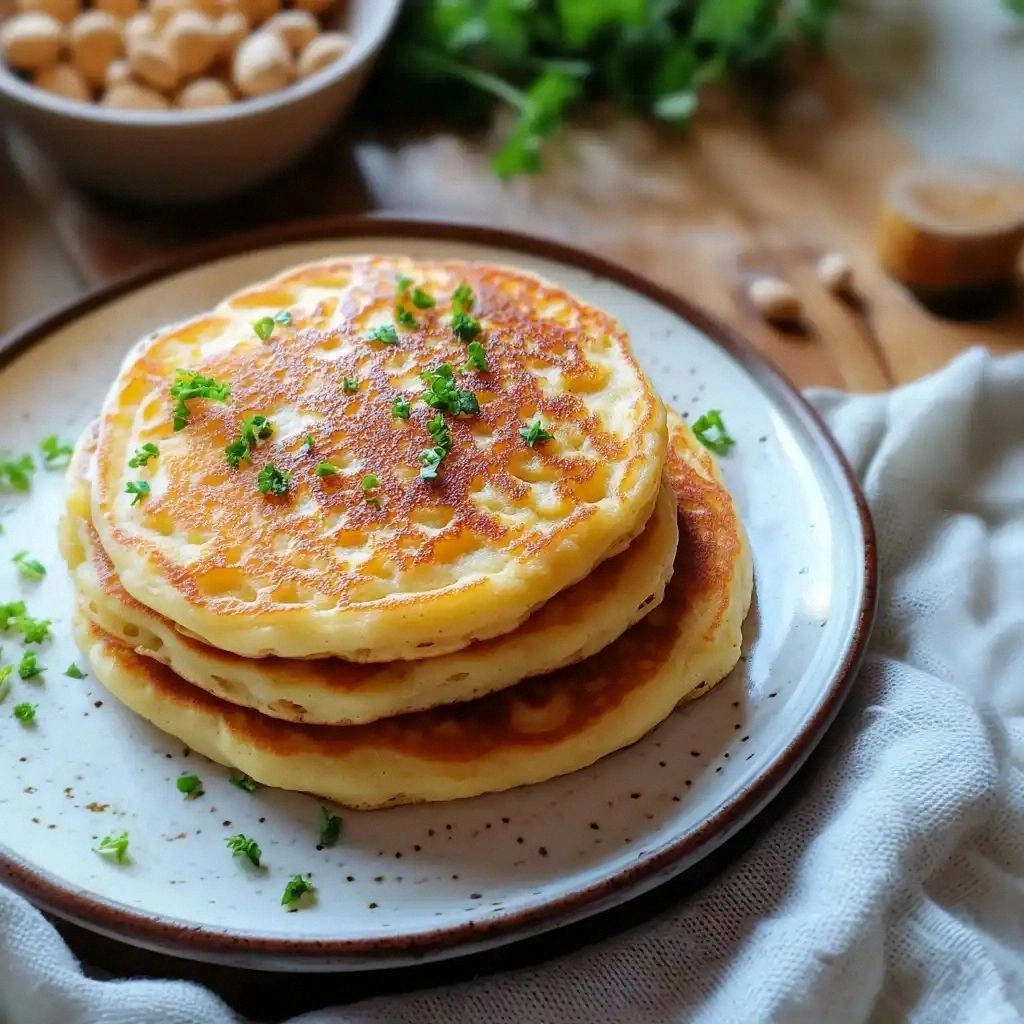
The first thing you notice is the bright, almost neon white of the cottage cheese, its tiny curds glimmering like tiny pearls. As the butter sizzles, a subtle nutty aroma rises, mingling with the faint sweetness of vanilla. The sound of the batter hitting the pan is a satisfying sizzle that makes your heart skip a beat. The texture is surprisingly airy, and when you lift a pancake, the edges puff up like a fluffy cloud that refuses to stay flat.
What sets this version apart is that it’s not just a pancake; it’s a protein‑packed, low‑carb, gluten‑free symphony that sings in your mouth. The cottage cheese adds a creamy richness that balances the oat flour’s mild nuttiness, while the honey gives a gentle caramel finish that lingers. Unlike the usual pancake, this one has a subtle tang that keeps you from feeling like you’re drowning in sugar. The result? A pancake that feels indulgent but is actually a smart, healthful choice.
And the kicker? I’ve discovered a secret step that turns ordinary oat flour into a silky batter that spreads like butter on a hot pan. I dare you to taste this and not go back for seconds. Let me walk you through every single step — by the end, you'll wonder how you ever made it any other way.
What Makes This Version Stand Out
- Taste: This pancake delivers a savory‑sweet profile that dances on the tongue. The cottage cheese brings a subtle tang that balances the natural sweetness of honey. It’s a flavor experience that feels both familiar and intriguingly new.
- Texture: The batter is light and airy, yet the cottage cheese gives a velvety mouthfeel that sets it apart from fluffier, fluffier pancakes. The edges puff up like a golden halo while the center remains tender and moist. The result is a satisfying bite that melts in your mouth.
- Simplicity: All you need is a handful of pantry staples; no fancy equipment or exotic ingredients. The process is straightforward and forgiving, making it perfect for beginners and seasoned cooks alike. You can whip this up in under twenty minutes.
- Uniqueness: The combination of oat flour and cottage cheese creates a subtle tang that most pancakes lack. This unexpected pairing gives the batter a lift that feels almost airy without the use of leavening agents. It’s a creative twist on a classic comfort food.
- Crowd Reaction: Friends who’ve tried this say it’s the best pancake they’ve ever tasted, and they’re not shy about asking for seconds. The crowd‑pleasing factor is undeniable, especially when you add a splash of honey or a handful of berries. It’s a conversation starter at brunch.
- Make‑ahead Potential: You can pre‑make the batter and refrigerate it overnight, and it will still rise beautifully when heated. The batter’s stability means you can prepare it ahead of time and just flip it on the day of your event. This makes it ideal for busy mornings or weekend gatherings.
Inside the Ingredient List
The Flavor Base
At the heart of this recipe lies the cottage cheese, a protein powerhouse that lends a creamy, slightly tangy foundation. The vanilla extract adds a warm, aromatic note that balances the savory undertones, while the honey provides a natural sweetness that glazes the surface during cooking. Together, they create a flavor profile that feels indulgent yet wholesome. Skipping any of these would diminish the overall harmony, so keep them in full force.
The Texture Crew
Oat flour is the backbone of the batter, providing a nutty flavor and a gluten‑free structure that keeps the pancakes tender. The baking powder gives the batter a gentle lift, ensuring each pancake has a fluffy interior. Eggs act as a binder, holding everything together and adding richness without overpowering the other flavors. Together, they form a cohesive mix that’s easy to handle yet delivers a delightful bite.
The Unexpected Star
Milk or almond milk introduces the right amount of moisture, preventing the batter from becoming too thick. The dairy version offers a subtle creaminess, while the almond milk keeps the calorie count low and adds a hint of nuttiness. If you’re lactose intolerant, almond milk is a perfect substitute, though you may want to reduce the honey slightly to balance sweetness. Skipping this liquid would leave the batter clumpy and difficult to pour.
The Final Flourish
Butter or coconut oil is essential for that golden crust and the unmistakable buttery aroma that signals a pancake is ready to serve. The fat coats the pan, preventing sticking and creating a crisp exterior while keeping the inside moist. Using coconut oil adds a subtle tropical note that complements the honey, whereas butter offers a classic flavor. A small amount of oil is enough; too much will make the pancakes greasy.
Everything's prepped? Good. Let's get into the real action...
The Method — Step by Step
- Step 1: Whisk the Wet Ingredients — In a large bowl, combine the cottage cheese, eggs, vanilla extract, and honey. Beat with a fork or a hand mixer until the mixture is smooth and the cottage cheese is almost fully blended. The batter should have a thick but pourable consistency. If it feels too thick, add a splash of milk to thin it out.
- Step 2: Sift the Dry Mix — In a separate bowl, whisk together the oat flour, baking powder, and a pinch of salt. Sifting eliminates clumps, ensuring the pancakes rise evenly. The dry ingredients should feel light and airy, almost like a fine dust. This step is crucial for that fluffy interior.
- Step 3: Combine Wet and Dry — Gently fold the dry mixture into the wet batter, stirring just until combined. Overmixing can lead to dense pancakes, so stop as soon as you see a few streaks of flour. The batter should look glossy and silky. This is where the magic begins.
- Step 4: Preheat the Pan — Heat a non‑stick skillet over medium heat and add a small pat of butter or a drizzle of coconut oil. Let the fat melt and coat the surface evenly. The pan should be hot but not smoking; a drop of water should sizzle and evaporate instantly.
- Step 5: Pour the Batter — Using a ¼ cup measure, scoop the batter onto the skillet. The pancakes should be about 3 inches in diameter for an even cook. The edges will start to set within a minute, signaling that it’s ready to flip.
- Step 6: Flip with Confidence — When bubbles form on the surface and the edges lift, flip the pancake gently with a spatula. Cook for an additional 1–2 minutes until golden brown. The aroma will be intoxicating, and the texture will feel firm yet tender.
- Step 7: Watch Out for Overcooking — The pancakes are done when the tops are set and the bottoms are golden. If you leave them too long, they’ll become dry and rubbery. The key is to watch the color and texture closely; a quick glance will tell you when they’re ready.
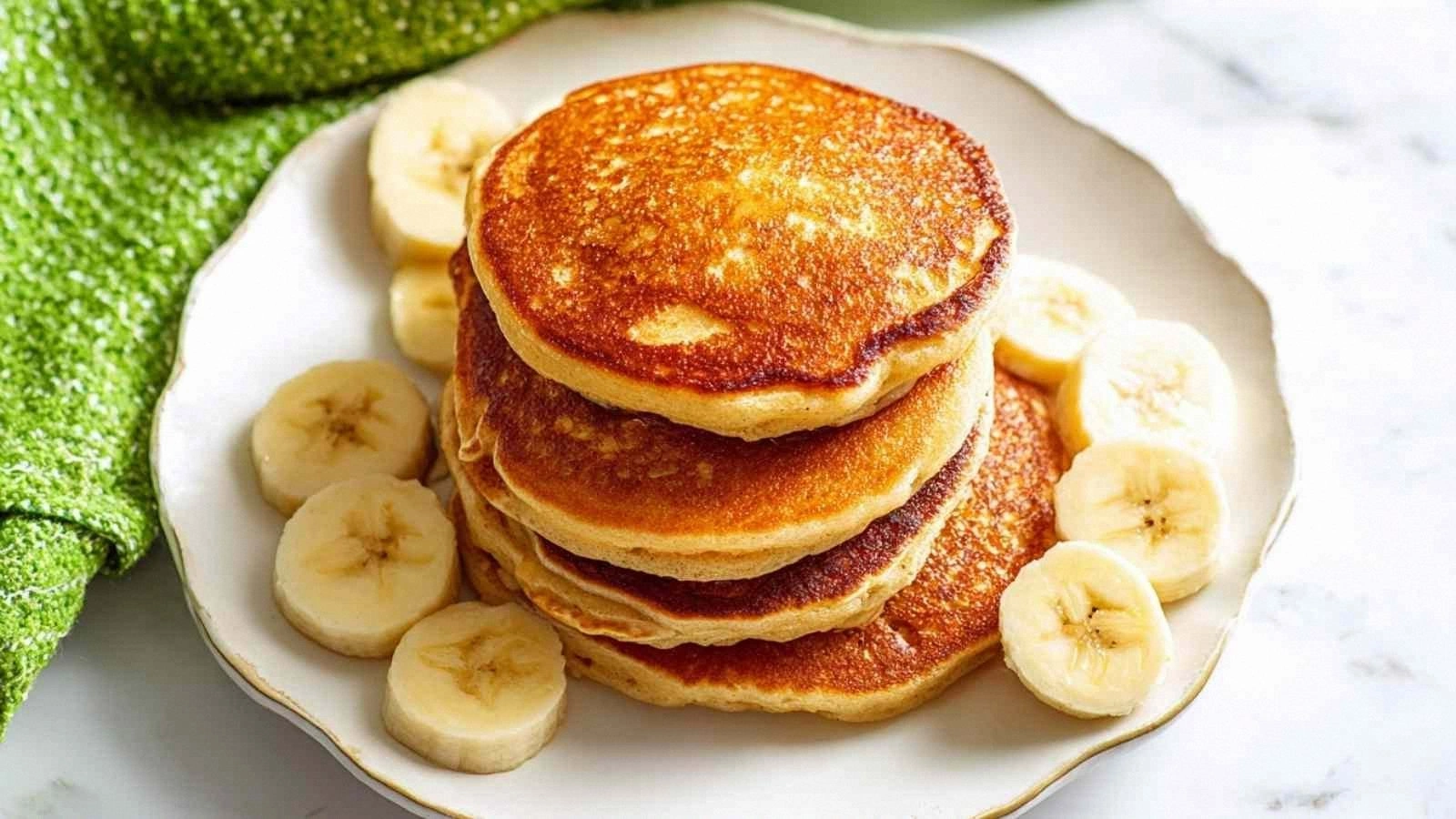
- Step 8: Serve Immediately — Stack the pancakes on a warm plate, drizzle with a little honey or maple syrup, and top with fresh berries or a dollop of Greek yogurt. The contrast between the warm, fluffy pancakes and the cool toppings is pure bliss. This is the moment of truth.
- Step 9: Enjoy — Bite into the pancake and feel the layers of flavor and texture unfold. The cottage cheese gives a subtle tang, the honey offers a caramel finish, and the oat flour keeps the bite light. This is pure breakfast joy that fuels the day.
That's it — you did it. But hold on, I've got a few more tricks that'll take this to another level...
Insider Tricks for Flawless Results
The Temperature Rule Nobody Follows
Many people cook pancakes over high heat, hoping for a quick sear. The truth is, medium heat gives the batter enough time to expand and develop a golden crust without burning the exterior. I’ve found that a steady medium heat keeps the interior moist and the exterior crisp. If you’re using a cast‑iron skillet, preheat it for a full five minutes to ensure even heat distribution.
Why Your Nose Knows Best
The aroma of batter hitting the pan is a subtle cue that the pancake is cooking correctly. When you smell the butter sizzling and the honey caramelizing, you know the timing is right. Trust your senses; they’re more reliable than a timer for this recipe.
The 5‑Minute Rest That Changes Everything
After you pour the batter, let it sit for five minutes before cooking. This short rest allows the oat flour to absorb the liquid, making the batter smoother and preventing lumps. I’ve seen people skip this step, only to end up with uneven pancakes that collapse.
Keep the Pan Warm
When you’re cooking a large batch, keep the pan on low heat between batches. This prevents the first pancake from cooling and becoming soggy. A hot surface ensures each pancake starts with a crisp edge.
Finish with a Butter Flip
Just before flipping, add a thin slice of butter to the pan and let it melt. The butter will create a glossy finish and add a buttery flavor that complements the honey. This simple trick turns an ordinary pancake into a gourmet treat.
Creative Twists and Variations
Berry Burst
Fold fresh blueberries or sliced strawberries into the batter before cooking. The berries burst with juice, adding a sweet pop that pairs beautifully with the cottage cheese. This variation is perfect for a fruity, antioxidant‑rich breakfast.
Chocolate Chip Delight
Stir in a handful of dark chocolate chips or cocoa nibs for a decadent twist. The chocolate melts slightly during cooking, creating pockets of gooey flavor. This is a great option for dessert lovers who still want the protein boost.
Spicy Kick
Add a pinch of cayenne pepper or a dash of hot sauce to the batter. The heat balances the sweetness, creating a savory‑sweet profile that wakes up the palate. Serve with a dollop of Greek yogurt to cool the burn.
Herb‑Infused
Mix in chopped fresh herbs like chives or dill before cooking. The herbs add a fresh, aromatic layer that complements the mild flavor of the cottage cheese. This is a great way to incorporate greens into a breakfast.
Nutty Crunch
Sprinkle toasted almond slivers or chopped walnuts onto the batter before pouring. The nuts add a satisfying crunch and a nutty flavor that pairs well with the oat flour. This variation boosts the protein and healthy fat content.
Maple‑Syrup Swirl
Instead of honey, use pure maple syrup and swirl it into the batter before cooking. The maple brings a deeper, richer sweetness that pairs beautifully with the cottage cheese. This version is ideal for those who love a classic maple flavor.
Storing and Bringing It Back to Life
Fridge Storage
Store the cooked pancakes in an airtight container in the refrigerator for up to three days. Keep them in a single layer, then cover with parchment paper to prevent sticking. When you’re ready to eat, reheat them in a toaster or microwave for 30 seconds.
Freezer Friendly
Freeze the pancakes in a single layer on a baking sheet before transferring them to a freezer bag. They’ll keep well for up to two months. To reheat, pop them in a toaster or oven at 350°F for about 5 minutes.
Best Reheating Method
Before reheating, add a splash of water or milk to the pan to create steam. This steams the pancakes back to their original moistness. Avoid microwaving with a damp paper towel, as it can make them soggy.