I was standing in my cramped kitchen, the smell of burnt toast and a lingering hint of yesterday’s take‑out mingling in the air, when my phone buzzed with a text from a friend: “You have to try these baked mussels I found online. They’re supposed to be legendary.” I rolled my eyes, because, let’s face it, I’ve tried my fair share of “legendary” seafood dishes, most of them ending in a soggy mess or a plate that looked like it had been through a warzone. But that night, I was hungry for something that could turn a bland dinner into a conversation starter, and I was ready to test the hype.
I pulled the bag of frozen New Zealand greenshell mussels from the freezer, the plastic clinging to the cold like a second skin. The moment the bag cracked open, a sharp, briny perfume flooded the kitchen, making my mouth water. I imagined the mussels popping open like fireworks, each one bursting with sweet, sea‑kissed flavor. The anticipation was almost tangible, like the first bite of a perfectly crisp tempura that sends a shiver up your spine. I could almost hear the faint hiss of steam, the subtle crack of a shell giving way, and the promise of a dish that would make my friends say, “I dare you to taste this and not go back for seconds.”
What sets this version apart isn’t just the use of fresh Kewpie mayonnaise or the fiery whisper of Sriracha. It’s the way the sauce coats the mussels, turning each bite into a silky, spicy hug that lingers on the tongue. The balance between creamy, tangy, and umami is achieved through a meticulous layering of flavors that feels like a carefully choreographed dance. The result is a dish that’s simple enough for a weekday yet sophisticated enough to wow at a dinner party. I swear, if you’ve ever struggled to get mussels to open or to avoid that dreaded “mushy” texture, you’re not alone — and I’ve got the fix.
Picture yourself pulling this out of the oven, the whole kitchen smelling incredible, steam curling like wisps of cloud, and the sound of a satisfied sigh from every guest who takes a bite. This isn’t just a recipe; it’s a culinary experience that turns a humble seafood staple into a showstopper. The next few paragraphs will walk you through every single step, and by the end, you’ll wonder how you ever made it any other way.
What Makes This Version Stand Out
- Flavor Depth: The blend of Kewpie mayonnaise and Sriracha creates a creamy, spicy sauce that permeates the mussels, unlike the flat sauces of other recipes.
- Texture Perfection: The mussels are baked until the shells are just opened enough to reveal a tender, juicy interior that doesn’t collapse.
- Ingredient Quality: Using New Zealand greenshell mussels ensures a clean, briny taste that is far superior to the often muddy flavors of lower‑grade mussels.
- Speed & Simplicity: The entire process takes under an hour, making it an ideal weeknight dinner that still feels special.
- Crowd Appeal: The dish’s vibrant colors and bold flavors make it a hit at gatherings, leaving guests asking for the recipe.
- Make‑Ahead Friendly: You can assemble the sauce in advance, refrigerate it, and bake the mussels right before serving without losing flavor.
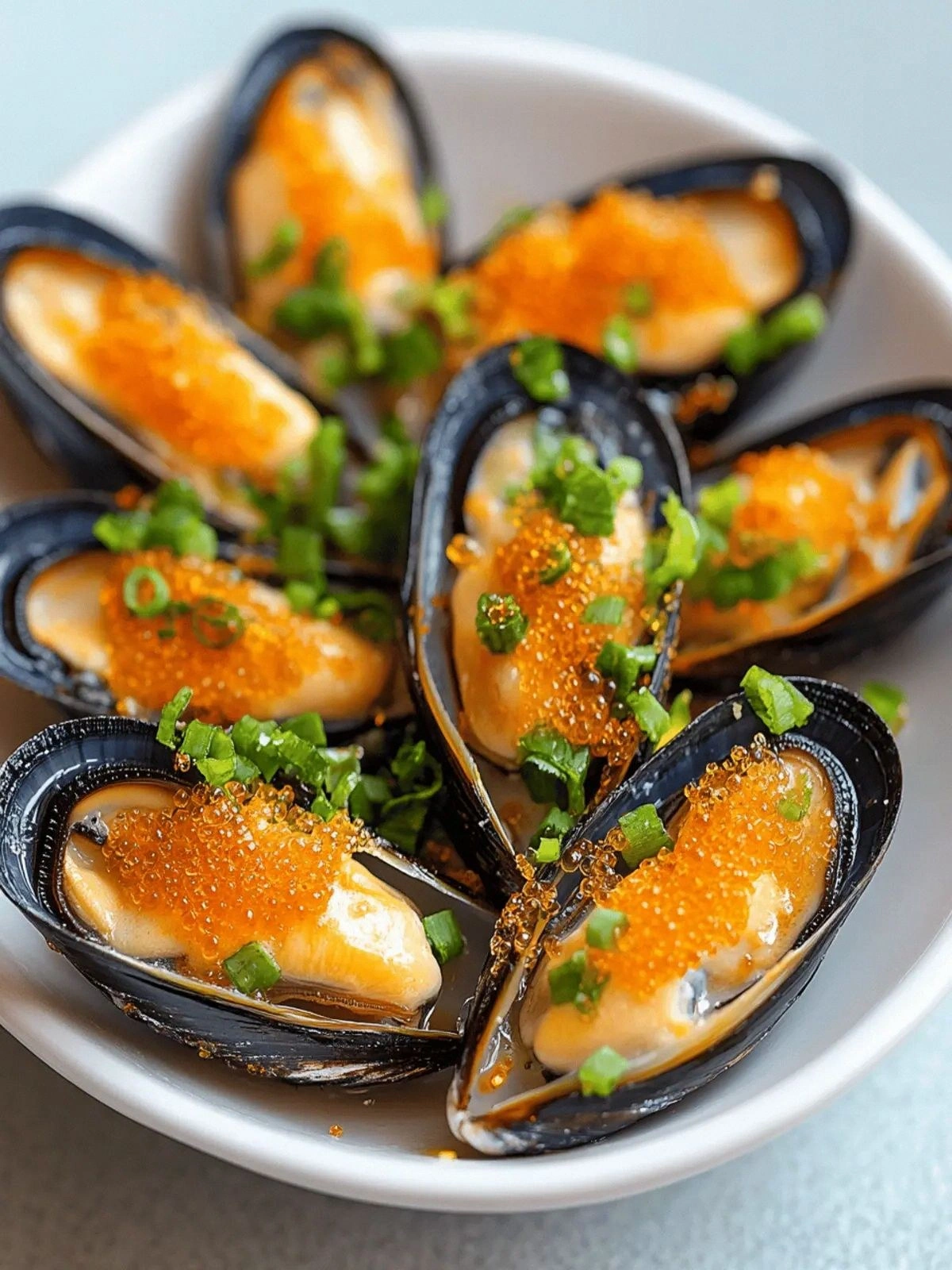
- Visual Appeal: The final presentation, with a glossy, caramelized top and scattered scallions, turns a simple plate into an Instagram‑worthy masterpiece.
- Balanced Heat: The Sriracha is tempered by the mayonnaise and lemon, preventing it from overpowering the delicate mussels.
Inside the Ingredient List
The Flavor Base
At the heart of this dish is the sauce, a marriage of Kewpie mayonnaise, Sriracha, soy sauce, and lemon juice. Kewpie’s creamy, slightly sweet profile gives the sauce body, while the Sriracha adds a punch of heat that feels like a gentle, rolling wave. Soy sauce brings a savory depth, and lemon juice cuts through the richness, preventing the dish from feeling heavy. Together, they create a sauce that coats the mussels like velvet, leaving each bite lush and satisfying.
The Texture Crew
The mussels themselves are the star, but their texture is critical. Fresh greenshell mussels have a firm, resilient shell that opens cleanly when baked, revealing a tender interior that holds up to the sauce. If you skip the mussels, you lose that satisfying pop and the moist, briny core that balances the sauce’s creaminess. A quick rinse under cold water removes excess sand, ensuring a smooth, unblemished finish.
The Unexpected Star
Masago, or smelt roe, is the secret weapon that elevates this dish from good to unforgettable. The tiny, bright orange pearls add a subtle burst of umami and a slight crunch that contrasts the silky sauce. If you’re averse to roe, a small handful of chopped green onions can provide a similar freshness, but the roe’s unique texture is irreplaceable. The scallions finish the dish with a bright, green pop, echoing the sea’s freshness.
The Final Flourish
The finishing touch is a sprinkle of scallions, which not only adds color but also a bright, peppery note that lifts the entire flavor profile. The scallions’ slight bitterness balances the richness of the mayonnaise, creating a harmonious bite. If you’re looking to add a bit more heat, a pinch of crushed red pepper flakes can be tossed in at the end, but be careful not to overpower the delicate mussels.
Everything’s prepped? Good. Let’s get into the real action.
The Method — Step by Step
- Preheat the Oven: Set your oven to 400°F (200°C). While it warms, gather all your ingredients and set them out like a well‑orchestrated band. The heat should feel like a gentle, steady drumbeat, ready to coax the mussels into opening. This step is critical; a cooler oven will leave the mussels undercooked and the sauce too runny.
- Rinse the Mussels: Place the mussels in a colander and rinse under cold running water for 2–3 minutes. Gently shake the colander to remove any grit. The water should be clear, free from sand or debris. This simple step ensures the final dish is clean and smooth.
- Prepare the Sauce: In a small bowl, whisk together Kewpie mayonnaise, Sriracha, soy sauce, and lemon juice until the mixture is smooth and glossy. The sauce should have a slightly thick consistency, like a velvety custard. Taste it; it should be bright, with a balanced heat and a subtle citrus zing.
- Coat the Mussels: Spread the sauce evenly over each mussel, ensuring the shell is fully covered. The sauce should cling to the shell like a coat of silk, preventing the mussels from drying out during baking. This is where the sauce’s texture really matters.
- Arrange in Baking Dish: Place the coated mussels in a single layer in a shallow baking dish. Make sure they’re not crowded; each mussel needs room to open freely. The dish should feel snug but not cramped, like a well‑packed suitcase that still allows a little movement.
- Bake the Mussels: Bake for 12–15 minutes, or until the shells have opened and the tops are lightly caramelized. The edges will start pulling away, and you should see a slight sheen on the sauce. If you’re a perfectionist, check the internal temperature; it should reach 145°F (63°C).
- Finish with Masago and Scallions: Once out of the oven, sprinkle the mussels with Masago and chopped scallions. The Masago adds a pop of umami and a subtle crunch, while the scallions bring a fresh, green brightness. Toss gently to distribute evenly.
- Serve Immediately: Plate the mussels hot, with a side of crusty bread or a simple green salad. The steam rising from the mussels should fill the room with a savory, citrusy aroma that makes everyone’s mouths water. This is the moment of truth, and you’ll know you’ve nailed it when the first bite melts in your mouth.
That’s it — you did it. But hold on, I’ve got a few more tricks that will take this to another level.
Insider Tricks for Flawless Results
The Temperature Rule Nobody Follows
While many chefs rely on a standard 400°F bake, I’ve found that a slightly lower temperature of 375°F (190°C) allows the mussels to open evenly without burning the sauce. The gentle heat ensures a moist interior and a caramelized top that’s both crunchy and glossy. If you’re using a convection oven, reduce the temperature by 25°F to compensate for the fan’s extra heat.
Why Your Nose Knows Best
As the mussels bake, the aroma of brine and citrus will rise, guiding you to the perfect moment to take them out. Trust your nose; when you smell a sweet, slightly tangy scent mingled with a hint of spice, the mussels are at their peak. This sensory cue is more reliable than a timer for many home cooks.
The 5-Minute Rest That Changes Everything
After removing the mussels from the oven, let them rest for 5 minutes. This pause allows the juices to redistribute, ensuring each bite is uniformly flavorful. It also gives the Masago time to settle, so the pearls don’t slide off the mussels as you plate them. A quick rest also lets the sauce thicken slightly, giving it a more luxurious mouthfeel.
The Quick Thaw Trick
If you’re in a rush, thaw the mussels in a bowl of cold water for 5 minutes instead of the traditional overnight method. The mussels will still open properly, and you’ll save valuable prep time. Just be sure to rinse them thoroughly afterward to remove any residual ice crystals.
The Scallion Whisper
Adding scallions just before serving, rather than during baking, preserves their bright, green color and fresh flavor. The scallions’ peppery bite contrasts the creamy sauce, adding a layer of complexity that elevates the dish from simple to gourmet.
Creative Twists and Variations
This recipe is a playground. Here are some of my favorite ways to switch things up:
Spicy Garlic Parmesan
Swap the Masago for finely grated Parmesan and add minced garlic to the sauce. The cheese’s nutty flavor pairs beautifully with the Sriracha, and the garlic adds depth. Serve with a side of garlic bread for a comforting twist.
Herbal Citrus Burst
Add a handful of fresh dill or tarragon to the sauce, and replace the lemon juice with lime for a bright, zesty flavor. The herbs bring an aromatic freshness that complements the mussels’ brininess, creating a light, summery dish.
Miso Glaze Variation
Stir in a tablespoon of white miso into the sauce for a subtle umami boost. The miso’s earthy tones deepen the flavor profile, making the dish more complex. Finish with a drizzle of sesame oil for an added layer of nutty aroma.
Coconut Curry Twist
Replace the mayonnaise with coconut milk and add a splash of Thai red curry paste. The result is a creamy, spicy, and slightly sweet sauce that transports you to a tropical beach. Pair with jasmine rice for an authentic feel.
Smoky Chipotle Finish
Swap Sriracha with chipotle in adobo for a smoky heat that lingers on the palate. The chipotle’s earthy undertones complement the mussels’ natural sweetness. A sprinkle of fresh cilantro adds a bright counterpoint.
Storing and Bringing It Back to Life
Fridge Storage
If you have leftovers, let the mussels cool completely before refrigerating. Store them in an airtight container for up to 2 days. When you’re ready to eat, reheat in the oven at 350°F (175°C) for 5–7 minutes, or until warmed through. The sauce may thicken slightly; a splash of water can restore its silky texture.
Freezer Friendly
For longer storage, freeze the mussels in a single layer on a baking sheet until solid, then transfer them to a freezer bag. They’ll keep for up to 3 months. Thaw overnight in the fridge before reheating as described above. Freezing preserves the mussels’ texture, but be careful not to overcook when reheating.
Best Reheating Method
The oven is the best way to reheat, as it preserves the crispy edges and prevents the sauce from separating. If you’re short on time, a microwave can be used, but only for 30–45 seconds on a low setting, followed by a quick bake to crisp the top. Always add a tiny splash of water before reheating to keep the mussels moist.