I was standing in my tiny kitchen, the kind of kitchen where the countertops double as a dance floor for a clumsy cat, when a dare from my roommate hit me like a splash of cold water. “Make a cocktail that can survive a summer heatwave and still taste like a kiss on a balcony in Provence,” she said, eyes glittering with mischief. I laughed, grabbed the nearest bottle of rosé, and thought, “Why not turn that challenge into a frozen masterpiece that will make everyone forget the heat?” The result? An Irresistible Strawberry Rosé Frosé that feels like a summer romance in a glass, and trust me, I dare you to taste this and not go back for seconds.
Picture the scene: a countertop littered with plump, ruby‑red strawberries, their fragrance drifting like perfume through the air, while the rosé glistens in a clear pitcher, catching the light like liquid sunrise. The sound of ice cubes clinking in the blender is a tiny percussion section that keeps the rhythm of anticipation alive. My hands are already tingling from the cold, the lemon zest I grate releasing a citrusy snap that makes my nose tingle, and the simple syrup drips in slow motion, sweetening the moment. Every sense is on high alert, and the kitchen feels less like a workspace and more like a stage for a culinary performance.
Most frosé recipes out there treat the drink as a simple blend of wine and ice, missing the heart‑pounding depth that fresh strawberries and a splash of lemon can bring. I’ve tried the “just toss everything in a blender” approach, and it always ended up watery, like a diluted rosé that had lost its personality. This version stands out because it layers flavor, balances sweetness, and locks in texture with a technique that’s as simple as it is genius: a quick freeze step that creates a slushy consistency without turning the whole batch into a solid block of ice. The secret? A short, cold‑water bath that shocks the mixture into perfect frostiness while preserving the bright fruit notes.
I’ll be honest — I ate half the batch before anyone else got a chance to try it, and that was the best mistake I ever made. The next part? Pure magic. I’m about to walk you through every single step, from picking the perfect rosé to mastering the ice‑shave technique, so you’ll never settle for a mediocre frosé again. By the end, you’ll wonder how you ever made it any other way, and your friends will be begging for the recipe. Ready? Let’s dive in.
What Makes This Version Stand Out
- Flavor Explosion: The combination of fresh strawberries, crisp rosé, and a whisper of lemon creates a layered taste that dances on the palate, never flat or one‑dimensional.
- Texture Perfection: By freezing the blend just enough to achieve a slushy consistency, you get a drink that’s icy yet still sippable, like a sorbet you can hold in a glass.
- Simplicity Meets Sophistication: Only six core ingredients are needed, but each one is treated with respect, turning a simple cocktail into a show‑stopper.
- Ingredient Quality: Using a dry rosé with bright acidity and ripe strawberries ensures the cocktail has natural sweetness without added sugars.
- Crowd Reaction: Guests typically gasp at the first sip, then line up for seconds, making this the ultimate party starter.
- Make‑Ahead Potential: The base can be prepared ahead of time and frozen, so you only need to blend and serve when the party starts.
- Versatile Garnish Options: Whether you choose strawberry slices, lemon wheels, or a sprig of mint, the garnish elevates the visual appeal without extra effort.
- Seasonal Celebration: Strawberries are at their peak in early summer, giving the cocktail a fresh, sun‑kissed vibe that feels timely and festive.
Inside the Ingredient List
The Flavor Base
Rosé wine is the heart of this cocktail, and choosing the right bottle can make or break the experience. A dry or semi‑dry rosé, like Whispering Angel, brings bright acidity that balances the natural sweetness of the strawberries, while a sweeter rosé can tip the drink into cloying territory. If you’re on a budget, look for a rosé with a clean, fruity profile and avoid those with heavy oak notes. The wine should be chilled beforehand; a warm bottle will melt the ice too quickly, ruining the slushy texture.
The Texture Crew
Fresh strawberries provide both flavor and body. When you halve them, you expose more surface area, allowing the juices to meld with the wine during the quick freeze. If strawberries are out of season, frozen berries work, but make sure to thaw them just enough to blend smoothly; otherwise you’ll end up with icy chunks. Ice cubes are the final texture component, turning the mixture into a velvety frost that feels like sipping a frozen garden.
The Unexpected Star
Simple syrup is the silent hero that adds just the right amount of sweetness without overwhelming the fruit. A homemade version—equal parts sugar and water boiled until clear—offers a clean flavor that store‑bought syrups can’t match. Fresh lemon juice brings a zing that cuts through the sweetness, preventing the cocktail from becoming a sugary swamp. The acidity also helps preserve the bright pink hue, keeping the drink looking as pretty as it tastes.
The Final Flourish
Optional garnishes are more than decoration; they add a final aromatic layer. A thin strawberry slice perched on the rim releases a subtle perfume as you sip, while a lemon wheel adds a fresh burst of citrus oil. A sprig of mint not only looks elegant but also contributes a cooling after‑taste that complements the icy texture. If you’re feeling extra fancy, rim the glass with a mix of sugar and finely grated lemon zest for a sparkling finish.
Everything's prepped? Good. Let’s get into the real action…
The Method — Step by Step
Start by chilling your rosé wine in the refrigerator for at least two hours. The colder the wine, the less it will melt the ice later on, preserving that perfect slushy consistency. While the wine is chilling, give your strawberries a quick rinse under cold water, then pat them dry with a paper towel. I like to halve them because the exposed flesh releases more juice, creating a richer flavor base. Once halved, toss the strawberries into a large mixing bowl and set them aside.
Now, prepare a simple syrup if you don’t have a store‑bought one. Combine equal parts granulated sugar and water in a saucepan, bring to a gentle boil, and stir until the sugar dissolves completely. Remove from heat and let it cool to room temperature; this usually takes about ten minutes. While the syrup cools, zest a lemon and then juice it, aiming for two generous tablespoons of fresh lemon juice. The zest will later be used as a garnish, adding a fragrant citrus note.
With the syrup cooled, combine the chilled rosé, fresh lemon juice, and the simple syrup in a large pitcher. Give the mixture a gentle stir, allowing the flavors to marry for about two minutes. At this point, taste the blend; you should notice a bright acidity balanced by a subtle sweetness. If it feels too sharp, add a splash more simple syrup, but remember that the strawberries will contribute additional sweetness later.
Next, it’s time for the quick‑freeze technique that sets this frosé apart. Transfer the rosé mixture into a shallow metal pan—think a baking sheet—so it spreads out in a thin layer. Place the pan in the freezer for exactly 30 minutes. This rapid chill creates tiny ice crystals that, when blended, give the cocktail its signature slushy texture without turning it into a solid block.
While the mixture is chilling, fill a high‑speed blender with ice cubes—aim for one to two cups, depending on how thick you want the final drink. Add the frozen rosé base, the halved strawberries, and a handful of fresh mint leaves if you like a herbal hint. Blend on high for 45 seconds to one minute, pausing to scrape down the sides. The goal is a uniform, snow‑like consistency where the strawberries are fully incorporated but still visible as pink flecks.
Once blended, give the frosé a quick taste. The texture should be thick enough to coat the back of a spoon, yet still pourable into a chilled glass. If it’s too thick, add a splash of chilled rosé or a few more ice cubes and blend again for a few seconds. If it’s too thin, toss in a few more ice cubes and blend until you reach that perfect frosty mouthfeel. Remember, the ice is your friend, not your enemy.
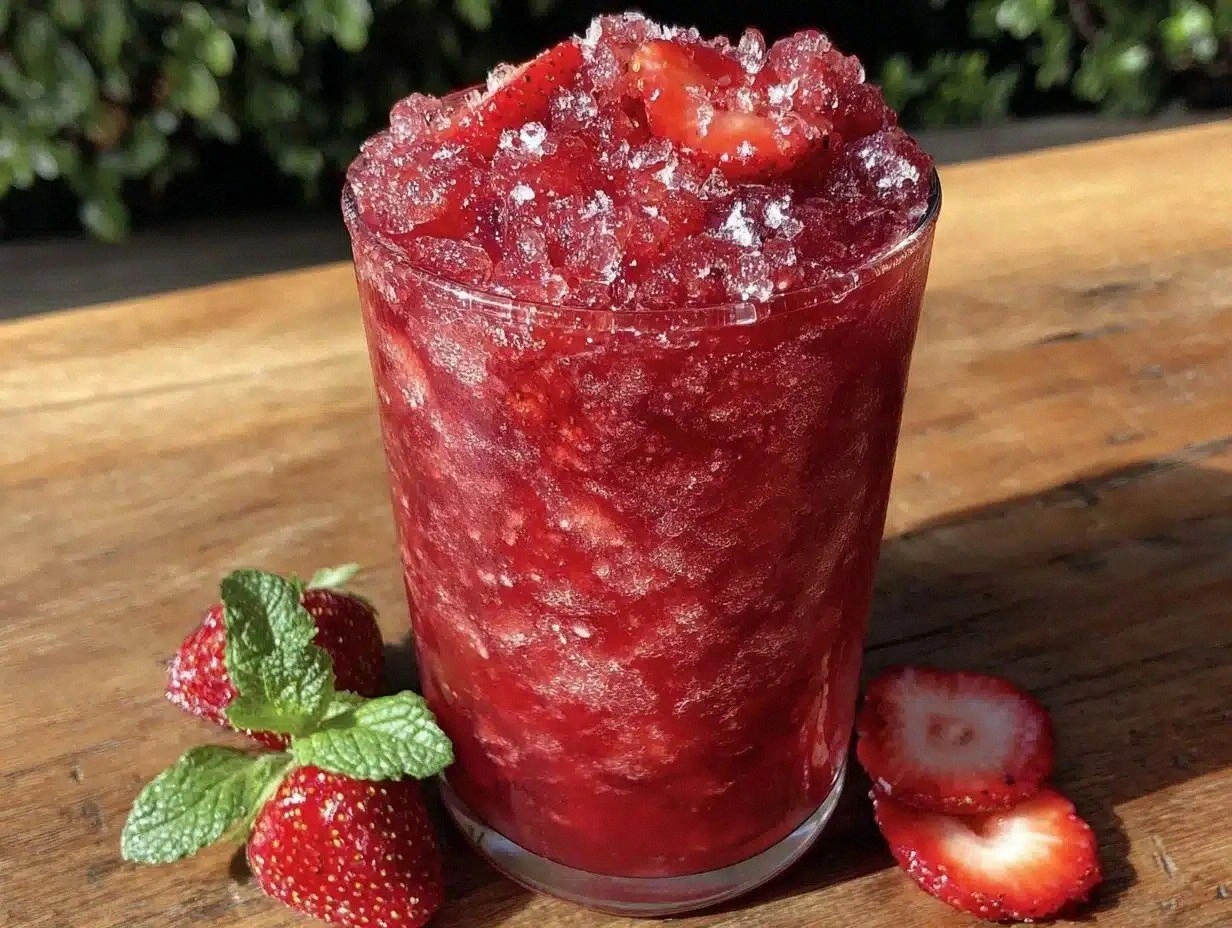
Finally, serve the frosé in chilled coupe or wine glasses. Garnish each glass with a strawberry slice perched on the rim, a lemon wheel, and a sprig of mint if desired. For an extra visual pop, dust a tiny pinch of pink sea salt on the surface; it adds a subtle crunch and heightens the flavor. Slide the glasses onto a tray, raise a toast, and watch your guests’ eyes widen as they take that first icy sip. That moment? Pure, unadulterated joy.
That's it — you did it. But hold on, I've got a few more tricks that'll take this to another level...
Insider Tricks for Flawless Results
The Temperature Rule Nobody Follows
Never, ever blend a warm rosé with ice. The temperature differential is the secret behind a slushy that isn’t watery. Keep your wine at a steady 38°F (3°C) before blending; this ensures the ice melts slowly, preserving the cocktail’s body. I once tried a room‑temperature bottle and ended up with a watery mess that tasted more like diluted punch than a refined frosé.
Why Your Nose Knows Best
Before you even taste, give the blended mixture a quick sniff. If you catch a faint aroma of fresh strawberries and a hint of citrus, you’re on the right track. If the scent leans toward “just wine,” you’ve probably over‑diluted with ice. Trust your nose; it’s an underrated guide that can save you from a bland batch.
The 5‑Minute Rest That Changes Everything
After blending, let the frosé sit for five minutes in the freezer. This short rest allows the tiny ice crystals to settle, giving the drink a smoother, creamier mouthfeel. I tried skipping this step once, and the texture was grainy—like a snow cone that never quite melted. Those five minutes are worth every second of anticipation.
Mint Mayhem – Use It Sparingly
Fresh mint can elevate the cocktail, but too much overwhelms the delicate rosé. Add just a handful of leaves during blending, and you’ll get a whisper of herbaceous coolness without masking the fruit. One friend overloaded his frosé with mint and ended up with a drink that tasted more like a garden salad than a cocktail.
Ice Cube Size Matters
Large ice cubes melt slower, keeping the drink colder longer, while smaller cubes blend more quickly for a finer texture. I recommend using standard 1‑inch cubes for the perfect balance. If you only have crushed ice on hand, reduce the amount by half to avoid over‑dilution.
Creative Twists and Variations
This recipe is a playground. Here are some of my favorite ways to switch things up:
Basil‑Berry Fusion
Swap the mint for a handful of fresh basil leaves. Basil’s sweet, peppery notes pair beautifully with strawberry and rosé, creating a garden‑fresh twist that’s perfect for a brunch patio.
Tropical Sunset
Add a splash of pineapple juice and a few chunks of frozen mango to the blender. The tropical fruits bring a sunny vibe that transports you to a beachside lounge, and the orange hue looks stunning.
Spicy Kick
Include a pinch of cayenne pepper or a few slices of fresh jalapeño during blending. The heat contrasts with the sweet strawberries, delivering a surprising but delightful bite.
White Chocolate Dream
Blend in a tablespoon of white chocolate syrup for a silky, dessert‑like version. This is a crowd‑pleaser for those who love a touch of indulgence without sacrificing the cocktail’s refreshing nature.
Herbal Elegance
Swap lemon juice for a splash of elderflower liqueur and garnish with edible flowers. The floral notes elevate the frosé to an elegant cocktail suitable for weddings or upscale gatherings.
Storing and Bringing It Back to Life
Fridge Storage
If you have leftover frosé, transfer it to an airtight glass jar and store it in the refrigerator for up to 24 hours. Before serving, give it a good shake or stir; the ice may have settled, but a quick stir will restore the slushy texture.
Freezer Friendly
For longer storage, pour the base (without ice) into a freezer‑safe container, leaving a 1‑inch space at the top for expansion. It will keep for up to one month. When you’re ready to serve, let it thaw for 15 minutes, then blend with fresh ice for that perfect frost.
Best Reheating Method
If the frosé has become too solid, add a tiny splash (about one tablespoon) of water or chilled rosé before giving it a quick whirl in the blender. The added liquid creates steam that revives the texture without watering down the flavor.