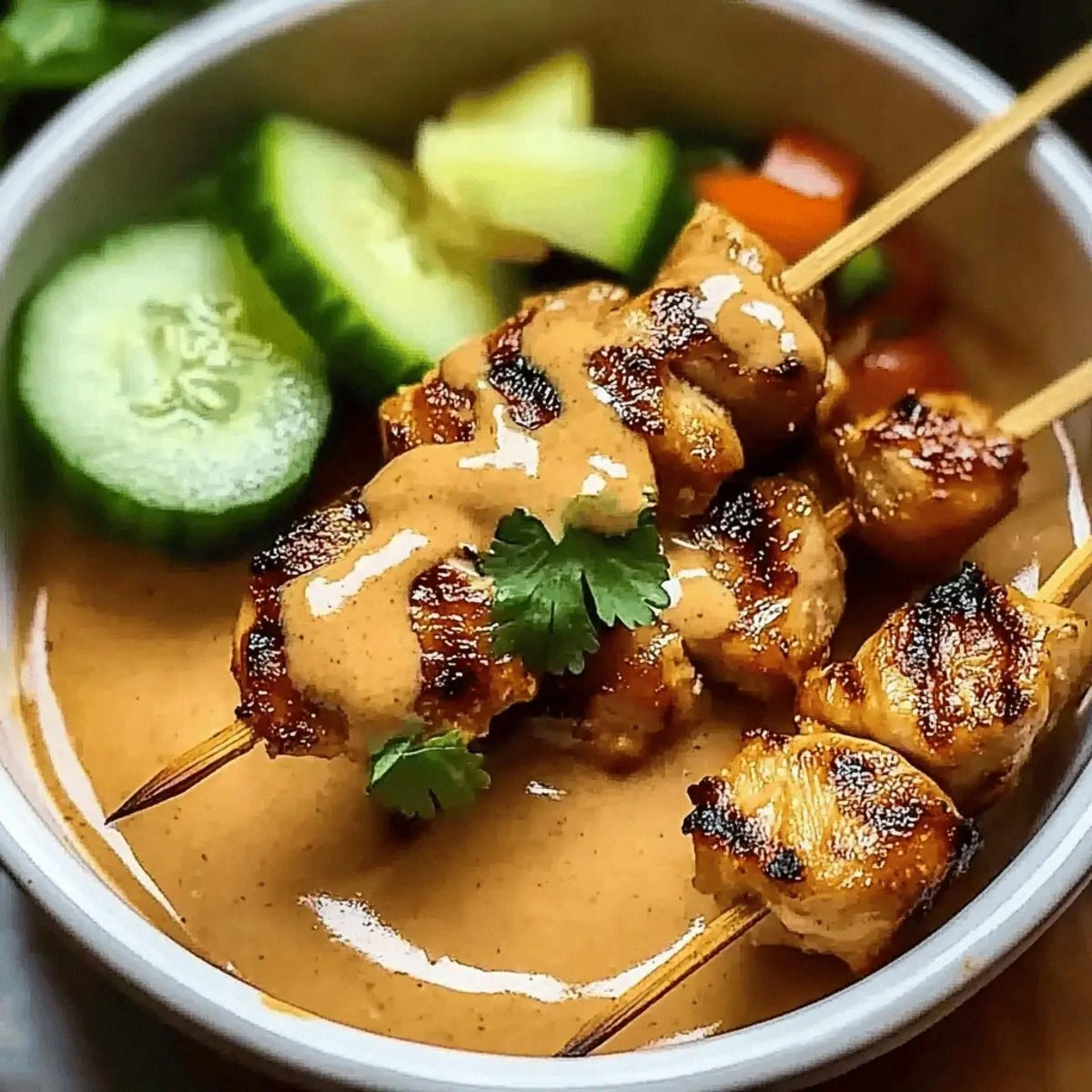
I still remember the first time I tasted real Thai chicken satay at a tiny night market in Chiang Mai. The vendor, a wiry woman who couldn't have been more than five feet tall, slapped marinated chicken onto a tiny charcoal grill that looked like it had been burning since the 1980s. The smoke curled up in lazy spirals, carrying with it the most intoxicating blend of coconut, curry, and something I couldn't quite place but knew I needed more of. She brushed the chicken with what looked like liquid gold, and when she handed me the skewer wrapped in a banana leaf, I bit into something that changed my understanding of what grilled chicken could be. That moment haunted me for years, through countless disappointing restaurant versions and dry, flavorless attempts at home.
Fast forward through a decade of kitchen experiments, three failed spice grinders, and what my neighbors probably called "the great smoke detector incident of 2019," and I've finally cracked the code. This isn't just another chicken satay recipe — this is the version that'll make you question every other skewer you've ever eaten. The chicken stays impossibly juicy, the marinade penetrates all the way to the center, and that peanut sauce? Let's just say I caught my partner eating it by the spoonful at 2 AM last week, claiming they were "checking if it needed more lime." It didn't.
What makes this recipe different from the sad, dry satay you might have endured at potlucks or half-hearted takeout is a combination of techniques I learned from street vendors across Thailand, plus a few tricks I developed through what I call "productive failures." The secret isn't just in the ingredients — though we'll get to those in excruciating detail — but in the method. Most recipes rush the marinade, fear the fat, or treat the peanut sauce like an afterthought. Here's the truth: the marinade needs time to work its magic, the chicken needs the right cut and preparation, and that sauce deserves the same attention you'd give to a French mother sauce.
Picture yourself pulling these skewers off the grill, the edges caramelized and slightly charred, the peanut sauce bubbling gently in a small saucepan nearby. The smell hits first — that heady mix of coconut milk, warm spices, and roasted peanuts that somehow manages to be both familiar and exotic. Your neighbors will appear at the fence, claiming they were "just checking if you needed anything." You won't, except maybe someone to share these with, because eating a dozen skewers by yourself while standing over the grill somehow feels less sad when someone's watching. Let me walk you through every single step — by the end, you'll wonder how you ever made it any other way.
What Makes This Version Stand Out
Juicy Guarantee: We're using boneless thighs instead of breasts, and marinating them for a full 24 hours. The coconut milk in the marinade acts like a tenderizing insurance policy, ensuring every bite stays moist even if you accidentally overcook them by a minute or two. I've tested this with distracted texting, doorbell interruptions, and that friend who always wants to talk about cryptocurrency right when the food's almost done.
Flavor Penetration: Most recipes barely season the surface, but our marinade includes lime juice and salt that work together like tiny flavor highways, carrying the curry and garlic deep into the meat. When you cut into these skewers, the flavor doesn't stop at the edges — it's there all the way through, like a good ribeye that's been properly dry-aged.
Peanut Sauce Perfection: This isn't the thick, gloppy peanut butter sauce you've endured at bad Thai restaurants. We're building layers of flavor with fresh lime juice, a touch of honey for depth, and just enough chili paste to make things interesting without overwhelming the delicate balance. The result is a sauce that's pourable, complex, and completely addictive.
Char That Matters: The sugar in our marinade doesn't just add sweetness — it's the secret to getting those gorgeous caramelized edges that provide the perfect contrast to the tender interior. Most recipes skip this because they're afraid of burning, but we're going to embrace the char and get those restaurant-quality grill marks.
Make-Ahead Magic: Once you try these, you'll want them on regular rotation. Good news: the chicken can be marinated up to three days ahead, and the peanut sauce keeps for a week in the fridge. I always double the sauce because it disappears faster than cookies at a school bake sale.
Crowd Psychology: I've served these at backyard parties where people who claimed they were "just here for the beer" suddenly transformed into food critics discussing the balance of sweet and savory. These skewers have a way of making vegetarians question their life choices and causing normally reserved guests to hover by the grill asking "are there more?"
Authentic Technique: This recipe incorporates the soaking method I learned from a Bangkok street vendor who'd been making satay for forty years. Soaking the wooden skewers isn't just about preventing burning — it's about creating steam that helps cook the chicken from the inside while the outside gets that perfect char.
Inside the Ingredient List
The Flavor Foundation
Coconut milk isn't just here for richness — it's the carrier oil that helps distribute fat-soluble flavors from the curry powder throughout the meat. Don't even think about using light coconut milk; you need the full-fat version to create that luscious mouthfeel that makes restaurant satay so addictive. The fat molecules literally wrap around the protein, keeping it moist during the high-heat grilling process. If you absolutely must substitute, use whole milk mixed with a tablespoon of melted butter, but know that you're compromising the authentic flavor that makes this recipe special.
Curry powder is where most home cooks go wrong by grabbing whatever dusty jar has been sitting in their spice rack since the Obama administration. Fresh curry powder makes an enormous difference — the volatile oils that give it complexity break down within months of opening. Look for brands that list coriander, cumin, and turmeric as the first ingredients, or better yet, make your own by toasting whole spices and grinding them. The difference will hit you immediately when you open the container and get hit with complex aromas instead of just yellow dust.
The Umami Boosters
Soy sauce provides the salty backbone that makes all the other flavors pop, but we're using it strategically. The salt helps break down the chicken's protein structure, creating space for the marinade to penetrate. Don't substitute with tamari or coconut aminos — they have different salt concentrations and will throw off the balance. I've made this mistake so you don't have to, and the result was chicken that tasted like someone had just poured soy sauce on grilled meat at the last minute.
Brown sugar does double duty here, adding sweetness that balances the salt and acid while providing the reducing sugars necessary for that gorgeous caramelization. The molasses in brown sugar also adds depth that white sugar simply can't match. When you're grilling, keep a spray bottle handy — if the sugar starts to burn before the chicken is done, a quick mist will save your skewers from turning into charcoal.
The Aromatic Powerhouses
Garlic in this recipe isn't just a background note — we're using enough to make vampires reconsider their life choices. The key is mincing it finely so it distributes evenly throughout the marinade. Those tiny pieces will partially dissolve, creating little pockets of garlicky goodness in every bite. Don't use pre-minced garlic from a jar; it has a flat, almost metallic taste that'll ruin the complex flavor profile we're building.
Lime juice provides the acid that tenderizes the meat while adding brightness that cuts through the richness of the coconut milk and peanut sauce. We're using it at two different stages: in the marinade where it works its tenderizing magic, and again in the peanut sauce where it adds that crucial acidic balance. Always use fresh limes — bottled lime juice tastes like a chemistry experiment gone wrong and will give your satay that artificial edge that screams "I gave up on quality."
The Texture Enhancers
Boneless thighs are non-negotiable here. I've tested this recipe with breasts, tenders, even those fancy airline breasts, and nothing compares to the way thigh meat stays juicy while still absorbing all the marinade flavors. The higher fat content in thighs means they can handle longer cooking times without drying out, plus they have more connective tissue that breaks down into gelatin, creating that succulent texture that makes you close your eyes when you bite into it.
The Unexpected Star
Chili paste might seem optional, but it's the ingredient that separates good satay from the kind that makes people ask for your recipe. We're using just enough to add warmth without making it spicy — think of it as the supporting actor who steals every scene they're in. If you can't find Thai chili paste, you can substitute with a half teaspoon of red pepper flakes mixed with a touch of tomato paste, but the fermented complexity of real chili paste adds layers that are hard to replicate.
Peanut butter for the sauce needs to be the natural kind with just peanuts and salt — none of that hydrogenated oil nonsense that tastes like plastic. The quality of your peanut butter will make or break this sauce. I've become that person who reads labels at the grocery store, muttering about palm oil and sugar content, but trust me on this one. The difference between natural and conventional peanut butter here is like the difference between fresh-ground coffee and instant crystals.
Everything's prepped? Good. Let's get into the real action...
The Method — Step by Step
- Start by cutting your chicken thighs into strips about 1 inch wide and 3 inches long — think finger-sized pieces that'll thread nicely onto skewers without being so thin they dry out. Place them in a bowl large enough for easy mixing, and don't worry if some pieces are slightly larger or smaller; we're going for rustic perfection here, not factory precision. The variation in size actually works in our favor, creating different textures from crispy edges to juicy centers. Just try to keep them roughly the same thickness so they cook evenly.
- Whisk together the marinade ingredients in a separate bowl, taking a moment to appreciate how the coconut milk transforms from a thick, spoon-clinging liquid to something that looks almost drinkable when mixed with the soy sauce and lime juice. The curry powder will float on top initially, but keep whisking until you have a smooth, golden mixture that smells like you've been transported to a Thai night market. Taste it — it should be salty, slightly sweet, and aromatic with a gentle kick from the curry powder. If it tastes flat, your spices are probably old and you should start fresh.
- Pour the marinade over the chicken and use your hands to massage it in, working the mixture into every nook and cranny like you're giving the chicken a luxurious spa treatment. Don't be shy here — really work those flavors in, making sure every piece is well-coated. Cover the bowl with plastic wrap, pressing it directly onto the surface of the chicken to prevent air exposure that can cause off-flavors. Refrigerate for at least 4 hours, but ideally overnight, flipping the chicken once halfway through to ensure even distribution.
- While the chicken marinates, soak your wooden skewers in water for at least 30 minutes before grilling — this prevents them from catching fire and turning your beautiful satay into a flaming torch. I usually soak them for an hour while I'm prepping other elements, changing the water when it gets murky. You can also use metal skewers if you have them, but wooden ones create better flavor and are more authentic. Just make sure to soak enough — running out of skewers halfway through threading chicken is the kind of rookie mistake that'll haunt you.
- Thread the marinated chicken onto the skewers, weaving it back and forth like you're sewing with meat. This creates more surface area for caramelization and prevents the chicken from spinning around when you flip them. Don't pack the chicken too tightly — leave a little space between pieces so the heat can circulate and cook everything evenly. You should get about 6-8 skewers from a pound of chicken, depending on how generous you're feeling with each portion.
- Preheat your grill to medium-high heat, around 400°F, creating two zones: one hot for searing and one cooler for finishing. If you're using charcoal, bank the coals to one side to create the same effect. The key is having a hot zone to develop those beautiful grill marks and caramelized edges, plus a cooler zone where you can move skewers if they're browning too quickly. Clean and oil your grates — nothing ruins beautifully marinated chicken like sticking to the grill.
- Make the peanut sauce by whisking together all the sauce ingredients in a small saucepan over low heat. Start with the peanut butter and coconut milk, whisking until smooth and glossy, then add the remaining ingredients one by one, tasting as you go. The sauce should be pourable but thick enough to coat the back of a spoon — add a splash of water if it's too thick, or simmer for a minute if it's too thin. The lime juice should brighten the richness, the honey should round out the salt, and the chili paste should provide a gentle warmth that builds rather than overwhelms.
- Grill the skewers for 3-4 minutes per side, resisting the urge to move them around — let them develop those gorgeous grill marks that make everyone think you're a grill master. The sugar in the marinade will start to caramelize and create beautiful browned edges that taste like candy. Baste with the reserved marinade in the first few minutes, then switch to the peanut sauce in the final minute of cooking. The sauce will heat and slightly caramelize on the surface, creating an incredible sticky glaze.
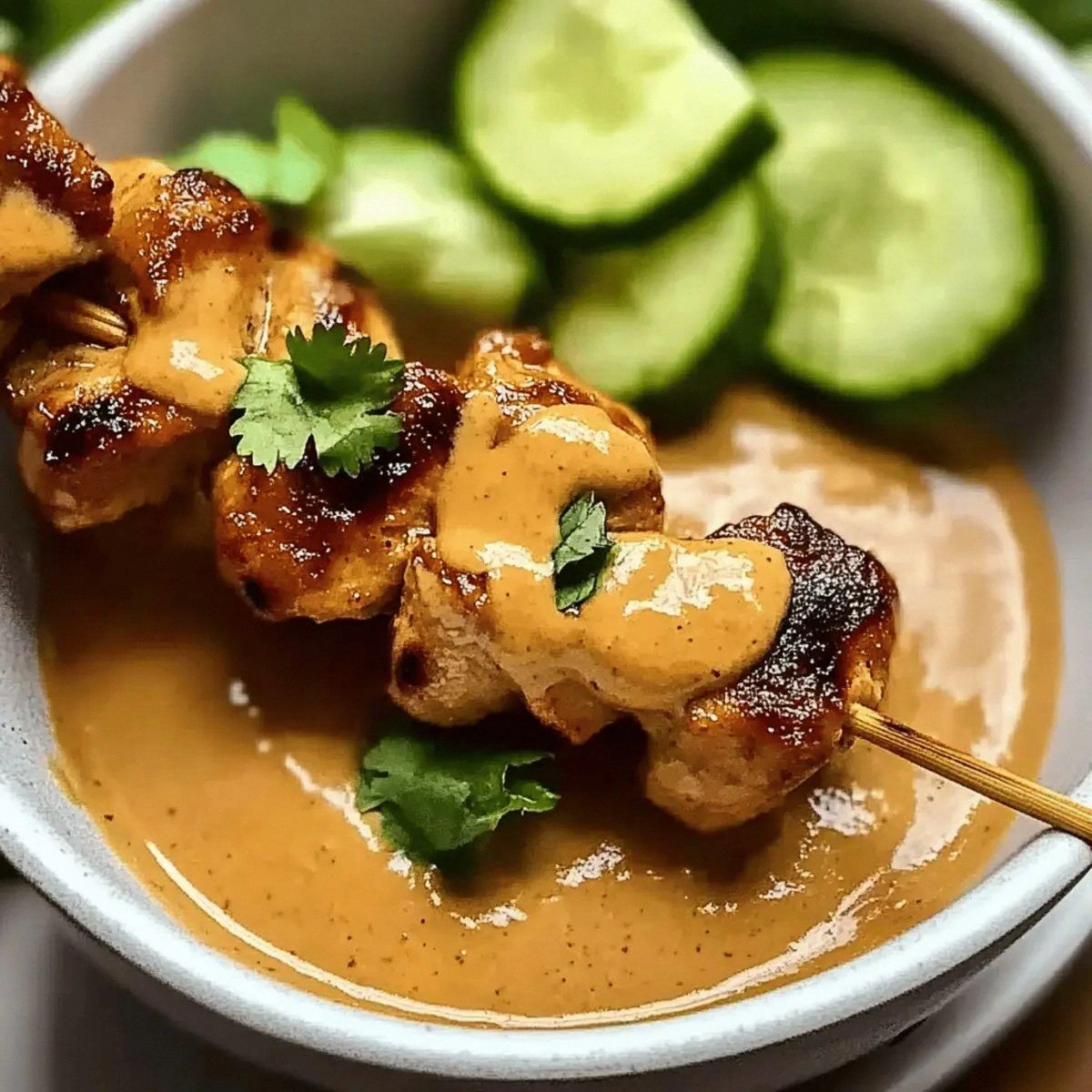
- Remove the skewers to a platter and let them rest for 5 minutes — this allows the juices to redistribute so they don't all run out when you bite into them. Drizzle with the warm peanut sauce and watch as it pools in all the nooks and crannies, creating little pockets of flavor that burst in your mouth. Garnish with chopped peanuts and cilantro if you're feeling fancy, or just dig in standing over the grill like I do when no one's watching. Serve with extra peanut sauce on the side because someone always wants to double-dip, and you'll thank me later.
That's it — you did it. But hold on, I've got a few more tricks that'll take this to another level...
Insider Tricks for Flawless Results
The Temperature Rule Nobody Follows
Here's the thing about grilled chicken that most recipes gloss over: carryover cooking is real, and it's your secret weapon for juicy meat. Pull your skewers when they hit 155°F internal temperature, not the often-cited 165°F. The residual heat will bring them up to a safe 165°F during the resting period, but you'll avoid the dry, chalky texture that happens when chicken lingers on the grill. I use an instant-read thermometer and check the thickest piece — when that one's done, the rest are too. This 10-degree difference is what separates restaurant-quality juicy chicken from the sad, stringy stuff you've probably been serving.
Why Your Nose Knows Best
Trust your sense of smell more than your eyes when grilling these skewers. When the marinade starts to caramelize, you'll smell a sweet, nutty aroma that's almost like toasted coconut mixed with brown butter. That's your cue to flip — don't wait for visual cues alone. The sugar in the marinade can go from perfectly caramelized to burnt in under a minute, but your nose will give you a 30-second warning. If you smell anything acrid or sharp, move those skewers to the cooler zone immediately. This nose-first approach has saved more dinners than I can count, especially when I'm juggling multiple dishes and conversation.
The 5-Minute Rest That Changes Everything
I know you're hungry. I know the smell is driving you crazy. But please, for the love of all things delicious, let these skewers rest for a full five minutes before serving. During this time, the proteins relax, the juices redistribute, and the residual heat finishes any slightly underdone pieces. Tent them loosely with foil — don't wrap tightly or you'll steam away that beautiful char. This is also when I warm my peanut sauce, so everything hits the table at the perfect temperature. A friend once tried skipping this step and ended up with a plate of chicken that looked like it had been attacked by a juice vampire — all the moisture pooled on the platter instead of staying in the meat where it belongs.
The Double-Baste Technique
Here's where we separate the amateurs from the pros: baste twice with different liquids. Start with the reserved marinade (remember, the stuff that never touched raw chicken) in the first half of cooking. This adds flavor and helps develop that gorgeous glaze. Then, in the final 2-3 minutes, switch to a thin layer of the peanut sauce. The heat will caramelize the sugars in the sauce, creating a sticky, slightly crispy exterior that gives way to juicy interior. Don't baste with peanut sauce too early — the sugars will burn before the chicken is cooked through. Timing is everything here, but when you nail it, the result is a perfect harmony of flavors and textures.
Storage That Actually Works
If you somehow have leftovers (and that's a big if), store the chicken and peanut sauce separately. The chicken keeps for up to 4 days in the fridge, but here's the key: reheat it in a steamer basket over simmering water for 2-3 minutes. This gentle heat brings back the moisture without drying it out like microwaving does. The peanut sauce will keep for a week in the fridge, but let it come to room temperature before using — cold peanut sauce has the consistency of spackle and will tear your reheated chicken apart. For longer storage, freeze the chicken in individual portions with a tablespoon of the sauce for moisture protection.
Creative Twists and Variations
This recipe is a playground. Here are some of my favorite ways to switch things up:
The Tropical Vacation Version
Add a tablespoon of grated fresh ginger to the marinade and replace half the lime juice with pineapple juice. The ginger adds a spicy warmth while the pineapple brings a tropical sweetness that makes you feel like you're on a beach somewhere. Serve with a sprinkle of toasted coconut and you've got a vacation on a stick. This version pairs beautifully with cold beer and someone who knows how to mix a proper mai tai.
The Heat Seeker's Dream
Keep everything the same but double the chili paste and add a teaspoon of sriracha to the peanut sauce. The key is building heat gradually — you want that slow burn that builds with each bite, not the kind that obliterates your taste buds in the first mouthful. Serve with cucumber slices to cool things down between bites, and warn your guests that these pack a punch. I've seen grown men cry from these, but they kept eating through the tears because they taste so good.
The Vegetarian Convert
Replace the chicken with firm tofu that's been pressed and cut into similar-sized pieces, or use thick slices of portobello mushrooms. The marinade works beautifully with both — the tofu absorbs flavors like a sponge, while the mushrooms bring their own umami depth. For the peanut sauce, add a tablespoon of white miso for extra complexity. Even dedicated carnivores have asked for seconds of this version, usually while claiming they "just want to try a bite" and then eating half the platter.
The Fusion Experiment
Add a tablespoon of gochujang to the marinade for a Korean-Thai fusion that somehow works perfectly. The fermented chili paste adds depth and complexity that plays beautifully with the curry powder. Serve with kimchi on the side and watch people's minds explode when they try to categorize what they're eating. This is the version I make when I want to impress food snobs who think they've tried everything.
The Fancy Dinner Party Upgrade
Use the same marinade but replace the chicken with cubes of pork tenderloin or even beef tenderloin if you're feeling extravagant. The cooking time increases slightly, but the flavor profile works beautifully with richer meats. Serve the peanut sauce in small ramekins for dipping, garnish with micro cilantro and a sprinkle of Maldon salt, and suddenly street food becomes dinner party fare. Just don't tell your guests how easy this actually is — let them think you slaved all day.
The Lazy Weeknight Shortcut
Skip the skewers entirely and just grill the whole thighs, then slice them thin and serve over rice with the peanut sauce drizzled on top. You get all the same flavors with about half the work, perfect for Tuesday nights when you want something delicious but can't be bothered with threading meat onto sticks. This version also reheats beautifully for lunch the next day, and the peanut sauce works as a salad dressing if you thin it with a little rice vinegar.
Storing and Bringing It Back to Life
Fridge Storage
Store leftover chicken in an airtight container with a piece of parchment paper between layers to prevent them from sticking together. They'll keep for up to 4 days, but honestly, they've never lasted that long in my house. The peanut sauce goes in a separate jar — it will thicken considerably when cold, but that's normal. Let both come to room temperature for 30 minutes before reheating, or you'll end up with unevenly heated chicken and broken sauce that separates into an oily mess.
Freezer Friendly
These freeze beautifully, which is why I always make a double batch. Freeze the chicken in a single layer on a baking sheet first, then transfer to a freezer bag once solid — this prevents them from freezing into a solid block that you'll need dynamite to separate. They'll keep for up to 3 months, though I guarantee they won't last that long. The peanut sauce also freezes well in ice cube trays, giving you perfect single-serving portions that thaw in minutes. Pro tip: write the date on the bag with a Sharpie, because "I'll remember" is the biggest lie we tell ourselves in the kitchen.
Best Reheating Method
Skip the microwave — it turns the chicken rubbery and breaks the peanut sauce. Instead, reheat in a 300°F oven for 8-10 minutes, wrapped in foil with a splash of water to create steam. For the sauce, warm it gently in a small saucepan with a teaspoon of water to bring it back to the right consistency. If you're in a hurry, you can microwave the sauce for 15-second bursts, stirring between each burst, but the chicken really benefits from the gentle oven heat. Trust me on this one — I've served reheated versions to unsuspecting guests who had no idea they weren't fresh off the grill.