Picture this: it’s a rainy Saturday morning, the kind that makes you want to crawl under a blanket and binge‑watch old sitcoms while the kitchen smells like a bakery. I was halfway through a marathon of “Friends” when a sudden craving hit me harder than Joey’s love for pizza. I wanted something that screamed comfort, something that could turn a lazy brunch into a full‑blown celebration. I raided the pantry, found a half‑eaten pack of Oreos, and thought, “What if I could marry those crunchy cookies with the warm, buttery hug of cinnamon rolls?” The result? A creation that blew my mind and, frankly, blew the socks off anyone who dared to try it.
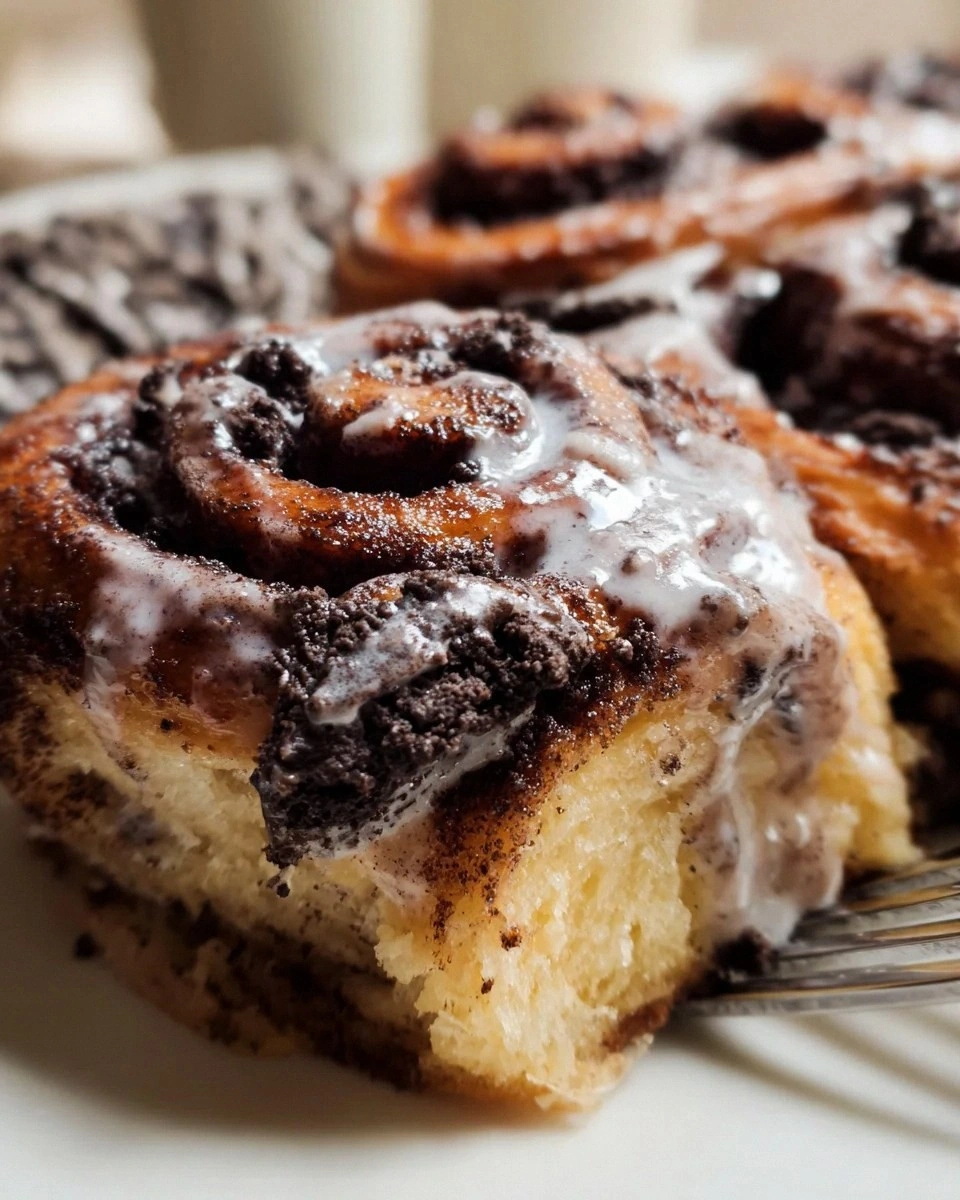
The first bite was a revelation. Imagine the classic cinnamon roll dough—soft, pillowy, slightly sweet—getting a surprise party from crushed Oreo crumbs that melt into the crumb, while bits of Oreo pieces give you that satisfying crunch. The filling? A caramel‑brown‑sugar swirl spiked with a whisper of Dutch‑process cocoa, layered with cinnamon, and studded with more Oreo chunks that burst like fireworks in your mouth. The glaze? A silky cream‑cheese frosting that drapes over each roll like a velvet curtain, sweet enough to make you smile but not so sugary that you feel like you’re chewing cement. I dared you to taste this and not go back for seconds, and honestly, I’m still not sure anyone could resist.
Most Oreo‑infused baked goods either drown the cookie’s signature crunch in a sea of soggy batter or end up tasting like a generic chocolate‑chip cookie with a gimmick. Most recipes get this completely wrong. Here’s what actually works: we keep the Oreo’s texture intact by folding crushed crumbs into the dough and sprinkling whole pieces into the filling, while a modest amount of cocoa powder adds depth without overpowering the classic cinnamon flavor. The secret? A two‑stage butter incorporation that keeps the dough tender yet sturdy enough to hold all that goodness without collapsing.
And there’s a technique that will make you look like a pastry wizard: we let the dough rise once, then roll it out, spread the filling, and give it a second, short rise after it’s been shaped. This double‑rise method creates an airy interior that’s light enough to float off the plate, yet the outer crust stays golden and just‑the‑right‑crisp. I’ll be honest — I ate half the batch before anyone else got to try it, but the leftovers survived the fridge like a champion, ready to be reheated into perfection. Ready for the game‑changer? Let me walk you through every single step — by the end, you’ll wonder how you ever made it any other way.
What Makes This Version Stand Out
- Flavor Fusion: The marriage of Oreo’s chocolate‑cream crunch with warm cinnamon creates a taste that feels both nostalgic and brand‑new, like discovering a secret level in a favorite video game.
- Texture Symphony: You get a fluffy, airy crumb, a buttery crust, and pockets of Oreo crunch that snap under your teeth, delivering contrast in every bite.
- Simplicity Meets Sophistication: Despite the impressive flavor profile, the ingredient list is straightforward, and the steps are easy enough for a weekend baker but impressive enough for a dinner party.
- Show‑Stopping Appeal: The glossy cream‑cheese glaze and visible Oreo shards make these rolls Instagram‑ready, guaranteeing compliments and double‑taps.
- Crowd‑Pleaser: Whether you’re feeding kids, teenagers, or the picky adult who claims “I don’t like sweets,” the combination of chocolate and cinnamon wins over almost everyone.
- Ingredient Quality: Using fresh, high‑quality Oreo crumbs and real Dutch‑process cocoa elevates the flavor beyond the generic “chocolate” label.
- Make‑Ahead Magic: The dough can be refrigerated overnight, and the baked rolls freeze beautifully, making it perfect for make‑ahead brunches.
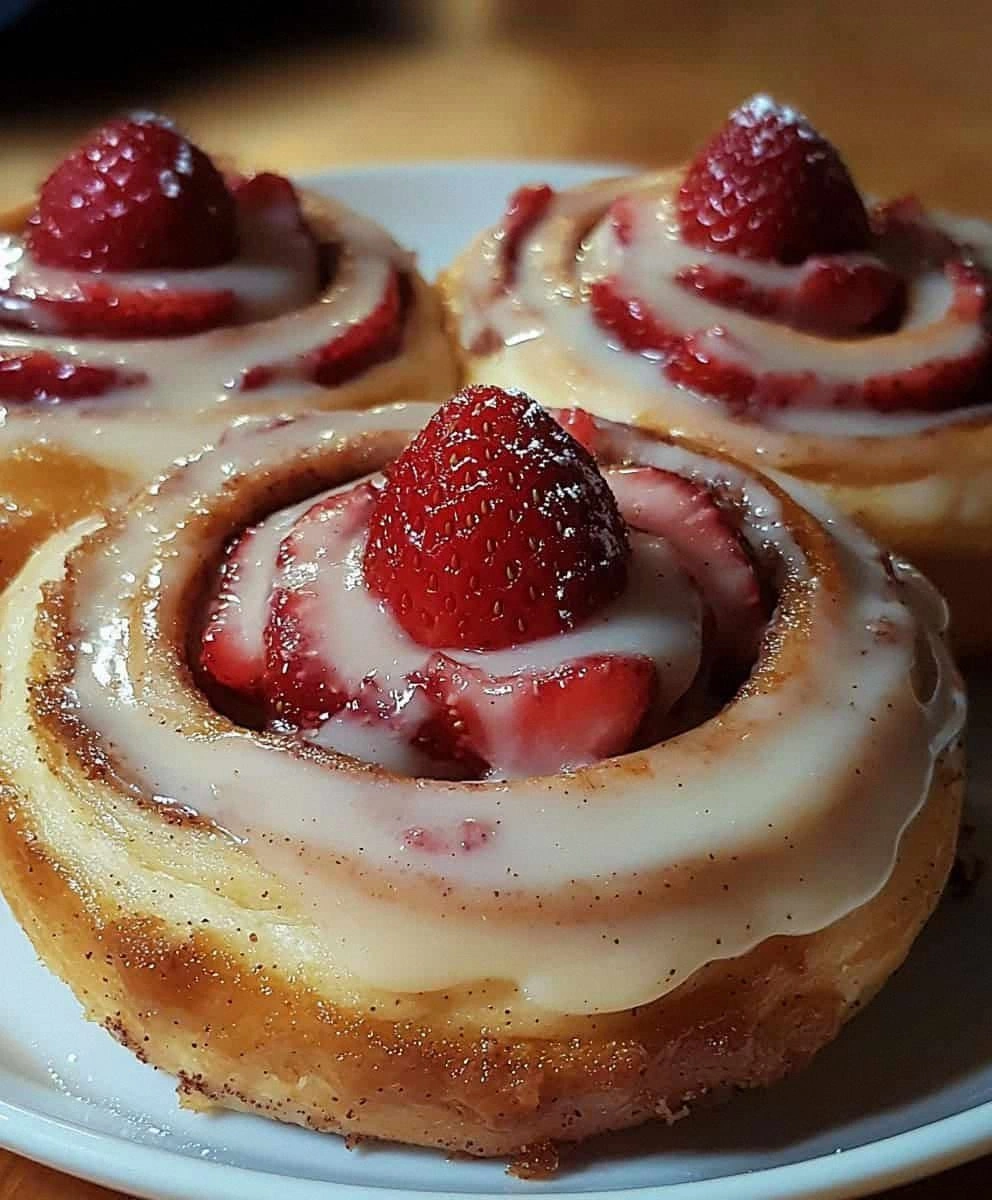
- Versatile Base: The dough serves as a canvas for endless variations—from pumpkin spice in the fall to strawberry glaze in the summer.
Inside the Ingredient List
The Flavor Base
Milk: Warm milk is the gentle wake‑up call for the yeast, coaxing it into life. It also adds a subtle creaminess that keeps the dough from feeling dry. If you skip it, you’ll end up with a dense roll that’s more biscuit than bun. For best results, heat it to about 110°F (43°C) and feel it’s comfortably warm to the touch, not scalding.
Active rise yeast: This tiny organism is the secret engine behind the airy texture. It ferments the sugars, creating carbon dioxide bubbles that puff the dough up. Using fresh, active yeast guarantees a reliable rise; old yeast can leave you with flat, disappointing rolls. If you’re in a pinch, you can substitute instant yeast, but reduce the proofing time by half.
Large eggs: Eggs enrich the dough, lending structure and a tender crumb. They also contribute a subtle golden hue that makes the rolls look bakery‑fresh. Skipping eggs will make the dough tougher and less flavorful. For a vegan twist, replace each egg with a “flax egg” (1 tbsp ground flaxseed + 3 tbsp water).
The Texture Crew
All‑purpose flour: The backbone of any good roll, flour provides the gluten network that traps the yeast’s gases. Using a high‑quality, unbleached flour gives you that perfect chew. If you substitute with cake flour, the rolls will be too crumbly; too much bread flour, and they become overly chewy. Sift the flour with the dry ingredients to ensure a light, even mix.
Unsalted butter: Butter adds richness and prevents the dough from drying out during baking. We split it—part melted into the dough for softness, part softened for the filling to create a glossy, buttery swirl. Using salted butter throws off the balance, making the rolls unexpectedly salty. Keep the butter at room temperature when mixing into the filling to avoid streaks.
Oreo crumbs: The secret ingredient that infuses each roll with that iconic cookie flavor. When folded into the dough, the crumbs distribute evenly, giving a subtle chocolate‑cream undertone throughout. If you over‑mix, the crumbs can turn soggy; fold gently. For an extra crunch, reserve a handful of crumbs to sprinkle on top before baking.
The Unexpected Star
Brown sugar: This adds moisture and a deep, caramel‑like sweetness to the filling, balancing the bitter notes of cocoa. Its molasses content keeps the filling from hardening as it cools. Using white sugar instead would make the filling too sharp and dry. Pack the brown sugar firmly when measuring to ensure the right sweetness level.
Ground cinnamon: Cinnamon brings the classic roll warmth that we all associate with cozy mornings. It also pairs beautifully with the chocolate notes from the Oreo and cocoa. Over‑spicing can dominate the flavor, so stick to the recommended amount. Freshly ground cinnamon from a stick yields a brighter aroma than pre‑ground.
Dutch process cocoa powder: A hint of cocoa deepens the flavor without turning the filling into a full‑on chocolate paste. Dutch‑process cocoa is alkalized, giving a smoother, richer taste. Regular natural cocoa would add a slightly acidic bite that clashes with the sweet filling. A tablespoon is enough to whisper chocolate without shouting.
Oreo pieces: Chopped Oreo pieces add a satisfying crunch and burst of cookie‑cream in every bite. They remain distinct during baking, giving texture contrast. If you crush them too fine, they blend into the dough and lose that crunch factor. Toss them in at the end of the filling mix to keep them intact.
The Final Flourish
Cream cheese: The base of our glaze, cream cheese provides that tangy, velvety finish that cuts through the sweetness. It also helps the glaze set without becoming runny. Using low‑fat cream cheese can result in a grainy texture; stick with full‑fat for smoothness. Soften it before mixing to avoid lumps.
Powdered sugar: This sweetens the glaze while keeping it light and glossy. Sifting the powdered sugar prevents clumps and ensures a silky finish. If you prefer a less sweet glaze, reduce the amount by a quarter. For a glossy shine, add a splash of milk or heavy cream.
Pure vanilla extract: Vanilla adds aromatic depth that ties all the flavors together, making the glaze taste like a dream. A good-quality vanilla extract makes a noticeable difference; cheap imitations can taste harsh. Too much vanilla can mask the Oreo flavor, so stick to the measured teaspoon.
Everything's prepped? Good. Let’s get into the real action…
The Method — Step by Step
Start by warming the milk in a small saucepan until it reaches about 110°F (43°C). Sprinkle the active rise yeast over the warm milk, give it a gentle stir, and let it sit for 5‑7 minutes. You’ll see it foam up like a tiny cloud—this is the sign that the yeast is alive and kicking. If it doesn’t foam, your yeast is dead and you’ll need to start over with fresh yeast.
In a large mixing bowl, combine the all‑purpose flour, white granulated sugar, and salt. Make a well in the center and pour in the proofed yeast mixture, the beaten eggs, and 4 tbsp of melted unsalted butter. Using a wooden spoon or a stand‑mixer's dough hook, mix until a shaggy dough forms.
Now comes the Oreo crumb integration. Gently fold in 1 cup of Oreo crumbs, ensuring they are evenly distributed without over‑mixing. This step is crucial; over‑mixing can crush the crumbs into a paste, losing that delightful texture. Once the crumbs are incorporated, the dough should feel soft, slightly sticky, and a shade darker than plain dough.
Turn the dough onto a lightly floured surface and knead for about 6‑8 minutes. You’re looking for a smooth, elastic ball that springs back when pressed. If the dough sticks excessively, sprinkle a little more flour—just enough to keep it manageable.
Place the kneaded dough in a lightly greased bowl, cover with a clean kitchen towel, and let it rise in a warm spot for 1‑1.5 hours, or until doubled in size. While you wait, preheat your oven to 350°F (175°C). The kitchen should smell faintly sweet and yeasty, a promise of the fluffiness to come.
While the dough is rising, prepare the filling. In a medium bowl, whisk together brown sugar, ground cinnamon, Dutch‑process cocoa powder, and 2 tbsp softened unsalted butter until crumbly. Fold in the chopped Oreo pieces, ensuring they’re evenly coated. The mixture should feel slightly moist but not wet; if it’s too dry, add a splash of milk.
Once the dough has doubled, punch it down gently to release excess air. Roll it out on a parchment‑lined baking sheet into a rectangle about 12 × 18 inches, about ¼‑inch thick. Spread the filling evenly, leaving a small border around the edges to prevent leakage.
Starting from the long side, tightly roll the dough into a log, sealing the seam with a light press. Slice the log into 10‑12 equal pieces—each slice should be about 1‑inch thick. Place the rolls on a greased 9‑x‑13‑inch baking pan, leaving a little space between them for expansion.
Cover the pan loosely with foil and let the rolls rise again for 30‑45 minutes, or until they’ve puffed up noticeably. This second rise is where the magic happens; the rolls become airy while the Oreo‑cinnamon filling stays molten. While they’re rising, whisk together the cream cheese, powdered sugar, and vanilla extract until smooth. If the glaze looks too thick, add a teaspoon of milk.
Slide the pan into the preheated oven and bake for 20‑25 minutes, or until the tops are a deep golden brown and a toothpick inserted into a roll (away from the filling) comes out clean. The kitchen will now be filled with an intoxicating blend of chocolate, cinnamon, and fresh‑baked dough—a scent that could coax even the most stoic cat out of hiding.
Remove the rolls from the oven and, while they’re still warm, drizzle the cream‑cheese glaze generously over each one. The glaze will melt into the crevices, creating a glossy, velvety coat that glistens like a sunrise. Let the rolls sit for 5‑10 minutes before serving so the glaze sets slightly. And now the fun part—dig in while they’re warm, and watch the smiles spread across the table.
That's it — you did it. But hold on, I've got a few more tricks that'll take this to another level…
Insider Tricks for Flawless Results
The Temperature Rule Nobody Follows
Never underestimate the power of a consistent temperature. Keep your milk, butter, and even the kitchen environment within a narrow range (around 105‑115°F for the milk, 70‑75°F room temperature). This steadiness ensures the yeast works efficiently and the dough rises uniformly. One time a friend tried to proof the dough in a chilly basement and ended up with rolls that were dense as a brick. Trust me, a warm spot—like an oven with the light on—makes all the difference.
Why Your Nose Knows Best
During the first rise, keep an eye (and a nose) on the dough. When it’s ready, it will emit a faint sweet yeasty aroma and feel noticeably puffy. If you’re impatient and check the clock instead of the dough, you’ll either under‑proof (resulting in tight rolls) or over‑proof (causing them to collapse). Trust your senses; they’re the most reliable kitchen gauge.
The 5‑Minute Rest That Changes Everything
After you’ve sliced the rolled dough, let the individual rolls sit for a quick 5‑minute rest before the second rise. This brief pause allows the gluten strands to relax, preventing the rolls from snapping back and creating a more uniform rise. A friend once skipped this step and ended up with uneven, misshapen rolls that looked like they’d been pulled apart by a toddler.
Glaze Timing is Everything
Apply the cream‑cheese glaze while the rolls are still hot out of the oven. The heat melts the glaze, allowing it to seep into every nook and cranny, creating that coveted “glazed‑into‑the‑roll” effect. If you wait until the rolls cool completely, the glaze will just sit on top, looking pretty but lacking that luxurious melt‑in‑your‑mouth quality.
Freezing Without Sacrificing Texture
When you want to make a batch ahead of time, freeze the unbaked rolls on a parchment sheet, then transfer them to a zip‑top bag. When you’re ready, let them thaw in the fridge overnight, give them a final rise, and bake as usual. The result is just as fluffy as fresh‑baked, proving that prep‑ahead isn’t just convenient—it’s a game‑changer for busy mornings.
Creative Twists and Variations
This recipe is a playground. Here are some of my favorite ways to switch things up:
White‑Chocolate Oreo Delight
Swap the Dutch‑process cocoa for 2 tbsp white chocolate chips melted into the filling. The result is a milder, sweeter roll that still packs that Oreo crunch. Perfect for those who prefer white chocolate over dark.
Pumpkin Spice Autumn Roll
Replace half the cinnamon with 1 tsp pumpkin pie spice, and add ¼ cup pumpkin puree to the dough. The earthy notes pair wonderfully with the chocolatey Oreo, making it a seasonal show‑stopper.
Nutty Crunch Variation
Stir in ½ cup chopped toasted pecans or walnuts into the filling along with the Oreo pieces. The nuts add an extra layer of texture and a buttery flavor that complements the cinnamon.
Vegan Oreo Rolls
Swap the eggs for flax eggs, use plant‑based butter, and replace cream cheese with a vegan cream‑cheese alternative. Use a plant‑based milk (almond or oat) for the yeast activation. The flavor remains surprisingly close to the original.
Double‑Chocolate Overload
Increase the cocoa powder to 2 tbsp and add ¼ cup cocoa nibs to the filling. Finish with a drizzle of chocolate ganache on top of the cream‑cheese glaze for an indulgent, dessert‑first experience.
Berry Burst
Fold ½ cup fresh raspberries or blueberries into the filling after mixing the Oreo pieces. The fruit’s tartness cuts through the sweetness, offering a fresh contrast that’s perfect for spring brunches.
Storing and Bringing It Back to Life
Fridge Storage
Allow the rolls to cool completely, then place them in an airtight container or a zip‑top bag. They’ll stay fresh for up to 4 days. If you notice the glaze hardening, gently warm the rolls in a microwave for 10‑15 seconds before serving.
Freezer Friendly
Wrap each roll individually in plastic wrap, then stack them in a freezer‑safe bag. They’ll keep for up to 2 months. To reheat, remove the wrap, place the rolls on a baking sheet, and bake at 350°F (175°C) for 8‑10 minutes. The interior will be as fluffy as the day you made them.
Best Reheating Method
For a quick microwave fix, place a roll on a microwave‑safe plate, sprinkle a tiny splash of water (about a teaspoon) around the edges, and cover loosely with a damp paper towel. Heat for 20‑30 seconds; the steam will revive the crumb, and the glaze will soften without turning rubbery. This trick works wonders for that “just‑out‑of‑the‑oven” experience.