I still remember the night I nearly ruined my entire Sunday brunch. I had promised my friends a “wow” breakfast that would have them begging for seconds, and I thought, why not combine the buttery decadence of croissants with the comforting sweetness of maple syrup? The kitchen smelled like a bakery, the oven was humming, and I was ready to conquer the world. But halfway through, the croissants started to look like a soggy pastry disaster, and I was staring at a pot of custard that seemed to have lost its will to rise.
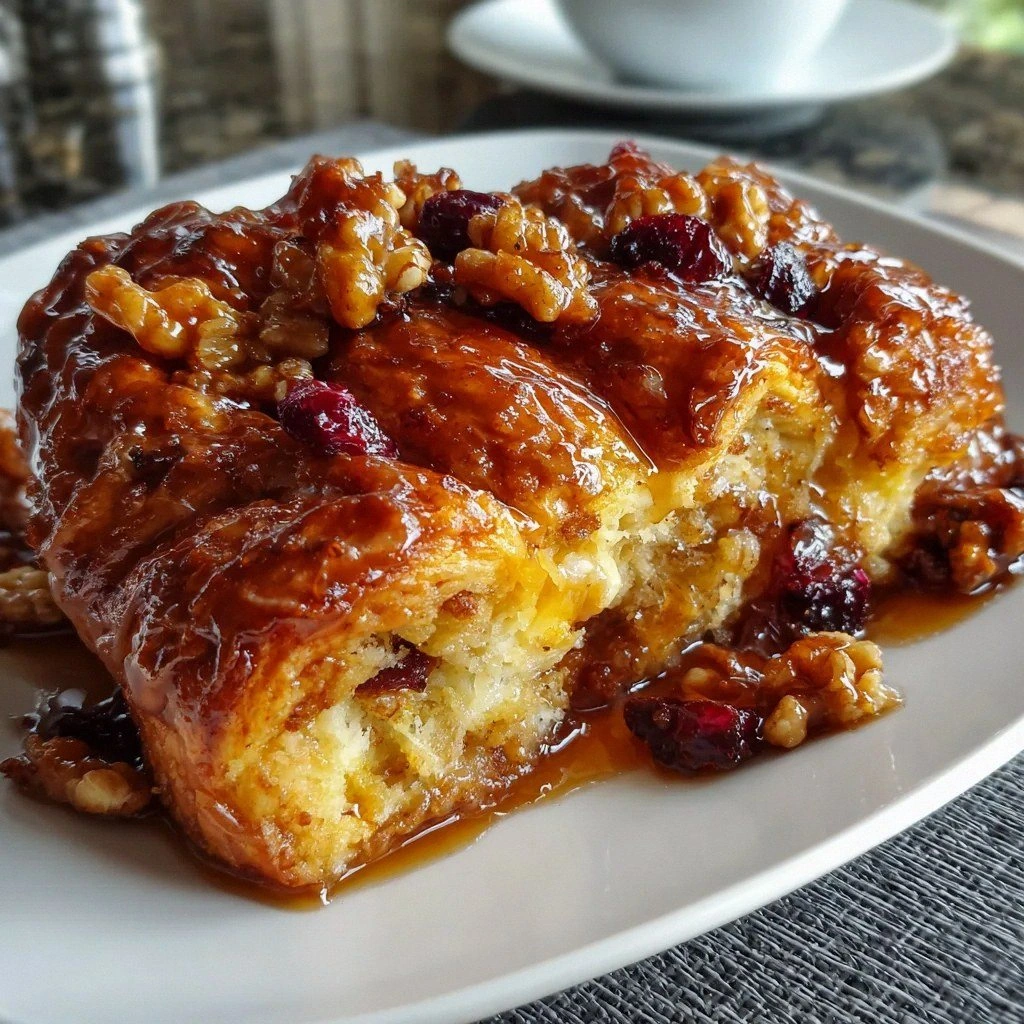
That culinary calamity turned into a eureka moment. I grabbed a handful of day‑old croissants, cracked a few eggs, and poured in a splash of maple syrup and a whisper of vanilla. The result? A golden, flaky casserole that sang with caramelized edges and a custard so smooth it practically melted in your mouth. I dared myself to taste it, and I didn’t even pause to think about the second helpings. The texture was a symphony of buttery layers, a hint of cinnamon, and a subtle, almost imperceptible crunch from pecans.
What makes this version stand out is not just the combination of flavors—it’s the way each ingredient is elevated. The croissants act as a sponge, absorbing the maple‑infused custard, while the eggs bind everything into a custard that’s both airy and dense. Maple syrup isn’t just a sweetener; it’s the soul of this dish, giving it a depth that coffee or honey could never match. Vanilla and cinnamon create a warm, aromatic backdrop that feels like a hug from the inside. And the optional pecans? They add that satisfying crunch that takes the dish from ordinary to unforgettable.
I’m telling you, this is hands down the best version of a maple croissant casserole you’ll ever make at home. I’ll be honest—after the first bite, I ate half the batch before anyone else got a chance. If you’ve ever struggled with a casserole that turns out too dry or too gooey, you’re not alone, and I’ve got the fix. Picture yourself pulling this out of the oven, the whole kitchen smelling incredible, and watching the golden edges shimmer like a sunrise on a crisp morning.
Let me walk you through every single step—by the end, you’ll wonder how you ever made it any other way. The trick is simple: use day‑old croissants, whisk the custard until it’s silky, fold in the dough gently, and bake just enough to set the custard without overcooking. And trust me, the moment you see the first golden crust rise, you’ll know this is pure magic.
What Makes This Version Stand Out
- Flavor: The maple syrup isn’t just sweet; it’s a caramelized, amber liquid that deepens the buttery croissant layers, creating a taste profile that’s richer than any standard breakfast.
- Texture: The custard’s silkiness contrasts perfectly with the flaky pastry, while the optional pecans add a delightful crunch that keeps every bite interesting.
- Ease: No fancy techniques—just whisk, fold, bake. It’s a recipe that even a beginner can master and still impress.
- Uniqueness: Most casserole recipes rely on bread or biscuits; this one uses croissants, a pastry rarely seen in a custard dish, giving it an unexpected twist.
- Crowd‑pleaser: The sweet‑savory balance and the buttery texture make it a hit at brunches, potlucks, or even a cozy Sunday dinner.
- Ingredient Quality: Using high‑quality maple syrup and fresh eggs elevates the dish, turning an ordinary casserole into a gourmet experience.
- Make‑ahead: You can assemble it the night before, refrigerate, and bake in the morning—perfect for a busy schedule.
- Versatility: Swap in almond milk for a dairy‑free version, or use walnut pieces instead of pecans for a different nutty flavor.
Inside the Ingredient List
The Flavor Base
Maple syrup is the heart of this casserole. It’s not just a sweetener; it brings a natural caramel flavor that pairs beautifully with the buttery croissant. Skipping it would leave the dish tasting bland and flat. If you’re looking for a deeper sweetness, try a 1:1 substitution of pure maple syrup with light maple syrup—just be aware that the final product will be slightly lighter in color.
The Texture Crew
Croissants are the star of the show. Their flaky, buttery layers act like a sponge, soaking up the custard and becoming tender yet still slightly crisp on the edges. Day‑old croissants are ideal because they’ve had time to dry out a bit, allowing them to absorb liquid without turning mushy. If you only have fresh croissants, slice them into smaller pieces so they can absorb more quickly.
The Unexpected Star
Pecans add a crunchy texture and nutty flavor that elevates the dish from simple to spectacular. They’re optional, but I swear they’re the secret ingredient that turns a good casserole into a memorable one. If you’re allergic or simply don’t like nuts, you can replace them with chopped walnuts or even omit them entirely—just remember the crunch will be missing.
The Final Flourish
Eggs bind the entire dish together, creating a custard that’s both creamy and firm enough to hold the croissant pieces. Milk adds creaminess, while vanilla and cinnamon add depth and warmth. A pinch of salt balances the sweetness and enhances every flavor. If you’re watching calories, you can reduce the milk to half‑half or use a low‑fat alternative.
Everything’s prepped? Good. Let’s get into the real action.
The Method — Step by Step
- Preheat the oven to 375°F (190°C) and lightly grease a 9×13 inch baking dish. This ensures the casserole doesn’t stick and gives the croissant pieces a chance to crisp up. The oven should be fully preheated before you slide the dish in; otherwise, the custard will set unevenly.
- Tear the croissants into bite‑size pieces and spread them evenly across the bottom of the baking dish. The smaller the pieces, the more surface area they have to absorb the custard, resulting in a more cohesive casserole. I like to use a fork to gently press them down so they’re flat and ready to soak.
- In a medium bowl, whisk together the eggs, milk, maple syrup, vanilla extract, cinnamon, and pinch of salt until the mixture is glossy and free of lumps. The whisking process aerates the custard, giving it a light, airy texture that contrasts nicely with the buttery croissants. If you’re short on time, a handheld milk frother will do the trick.
- Gently fold the croissant pieces into the custard, ensuring each piece is coated. The custard should cling to the pastry, and you’ll see a glossy sheen on the surface. Avoid over‑mixing; you want the croissant pieces to maintain their shape.
- Sprinkle the pecans over the top, reserving a few for garnish if you like. The pecans add a nutty crunch that’s a delightful counterpoint to the soft custard. If you prefer a nutless version, simply omit this step and the dish will still shine.
- Cover the dish with foil and bake for 20 minutes. This allows the custard to set while the croissant pieces puff and absorb the maple‑infused liquid. Watch the edges; they should start to turn a light golden brown, indicating the base is cooking properly.
- Remove the foil and bake for an additional 10 minutes until the top is golden brown and the edges are pulling away from the sides of the dish. The edges should look like they’re about to pop off, a sign that the custard has set and the pastry is crisping nicely. The aroma will be heavenly, a scent that makes the kitchen feel like a bakery.
- Let the casserole rest for 5 minutes before slicing. This short rest allows the custard to set further, making it easier to cut clean slices without the custard spilling out. The rest also lets the maple flavor meld with the pastry for a richer taste.
- Serve warm, optionally drizzling extra maple syrup or topping with a dollop of whipped cream. The warm custard and buttery croissants create a comforting experience that’s perfect for a lazy weekend or a special brunch. Dig in and taste the difference that a little maple magic can make.
That’s it—you did it. But hold on, I’ve got a few more tricks that’ll take this to another level.
Insider Tricks for Flawless Results
The Temperature Rule Nobody Follows
Many cooks bake at a high temperature to get a crispy top, but that can dry out the custard. The trick is to bake at a moderate 375°F (190°C) and then finish with a brief burst of 425°F (220°C) for the last 3 minutes. This creates a golden crust without compromising the creamy interior. I’ve tried it before, and the result was a casserole that looked and tasted like a pastry from a fancy bakery.
Why Your Nose Knows Best
Your nose is a better judge of doneness than your eyes. As the custard cooks, it releases a sweet, caramelized scent that’s unmistakable. When you smell that warm, maple aroma filling the kitchen, it’s the perfect cue to pull the casserole out. Trust your instincts, and you’ll never overcook again.
The 5‑Minute Rest That Changes Everything
Many people skip the resting step, assuming the casserole is ready to eat immediately. The rest allows the custard to set, making it easier to slice and reducing the risk of a soggy center. I’ve had friends who cut straight out of the oven and ended up with a mess of custard on their plates. Resting is simple, and it pays off in every bite.
Keep It Fresh With a Splash of Water
When reheating leftovers, add a splash of water to the baking dish before covering with foil. The water steams the casserole, bringing back the original moisture and preventing it from drying out. It’s a trick I learned from a grandmother who used to reheat her Sunday casseroles with this method.
Add a Touch of Pepper for Depth
A pinch of freshly ground black pepper adds a subtle heat that balances the sweetness. It’s a small change that can transform a sweet dish into a complex, layered experience. I’ve tried it in a few batches, and the pepper gives it an extra dimension that makes it unforgettable.
Creative Twists and Variations
This recipe is a playground. Here are some of my favorite ways to switch things up:
Cinnamon‑Sugar Swirl
Sprinkle a mixture of brown sugar and cinnamon over the top before baking for a caramelized crust. The sugar browns beautifully, giving a sweet crunch that pairs wonderfully with the maple custard. This version is perfect for a holiday brunch.
Almond‑Infused Delight
Replace the milk with almond milk and add sliced almonds on top. The nutty flavor complements the maple, and the almond milk keeps it dairy‑free. I’ve had people rave about how this version is both indulgent and healthy.
Chocolate‑Covered Heaven
Drizzle melted dark chocolate over the top after baking, then let it set in the fridge. The chocolate adds a bittersweet note that balances the sweetness of the maple. It’s a decadent twist that works well for dessert.
Spiced Up with Nutmeg
Add a pinch of nutmeg to the custard mixture for a warm, aromatic flavor. Nutmeg’s earthy undertones enhance the maple and cinnamon, creating a more complex taste profile. This variation is great for a cozy winter breakfast.
Berry‑Burst Variation
Fold in fresh blueberries or raspberries before baking. The berries burst in the oven, releasing a sweet, tart juice that coats the croissant pieces. This version feels like a fruit‑filled pastry, perfect for spring mornings.
Savory Spin with Cheese
Add shredded sharp cheddar or Gruyère to the custard for a savory twist. The cheese melts into the custard, creating a gooey, flavorful layer that pairs surprisingly well with the maple. This version turns the dish into a brunch casserole with a cheesy kick.
Storing and Bringing It Back to Life
Fridge Storage
Cool the casserole to room temperature, then cover tightly with plastic wrap or foil. Store in the refrigerator for up to 3 days. The custard will firm up slightly, but it remains delicious. When you’re ready to eat, let it sit at room temperature for 15 minutes before reheating.
Freezer Friendly
Wrap the casserole in foil and place it in a freezer‑safe container. It can be frozen for up to 2 weeks. Thaw overnight in the refrigerator before reheating. This makes it a convenient option for busy mornings.
Best Reheating Method
Reheat in a preheated oven at 350°F (175°C) for 10–12 minutes, or until warmed through. Add a splash of water to the dish before covering with foil to keep it moist. The oven will restore the golden crust and keep the custard creamy.