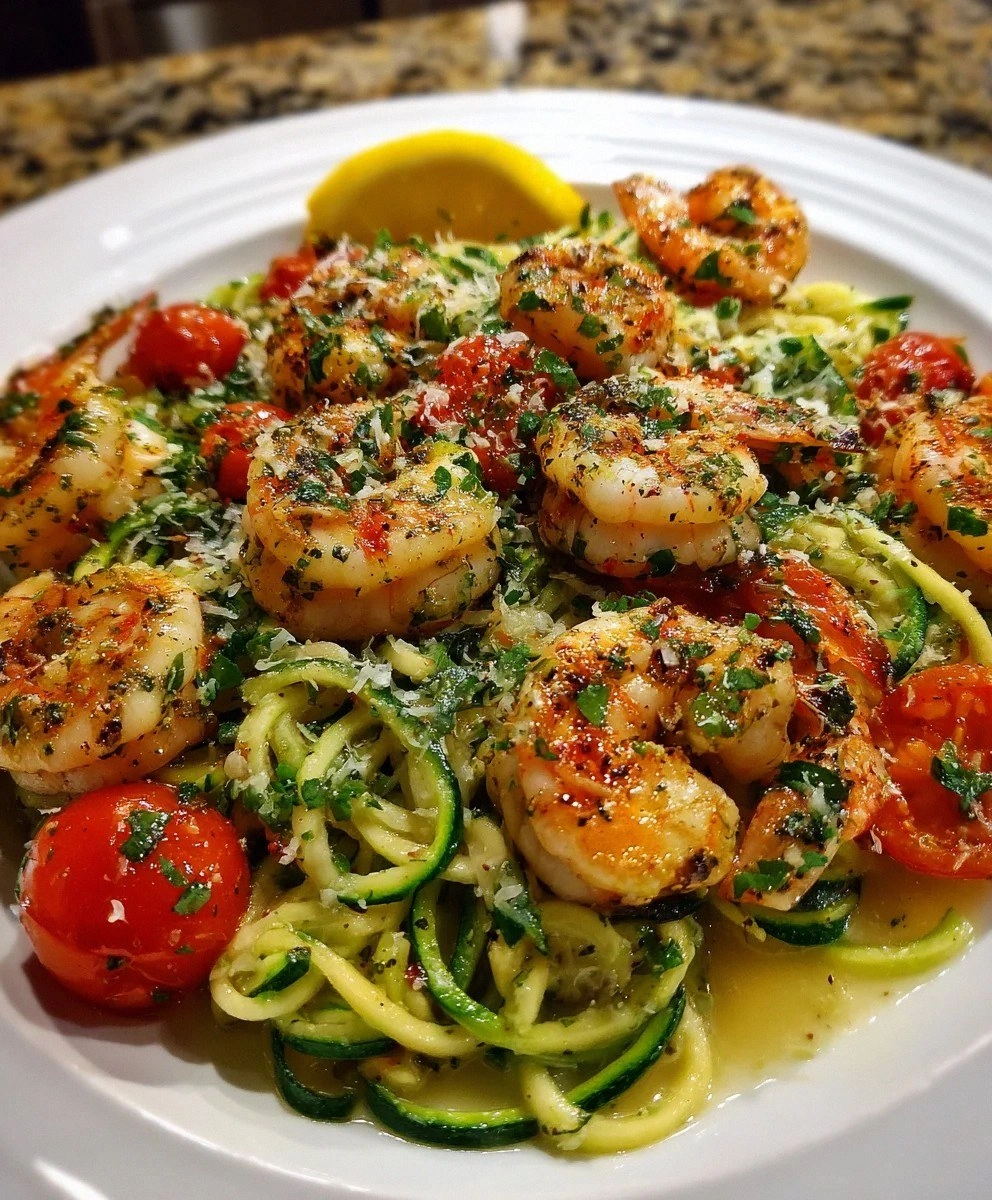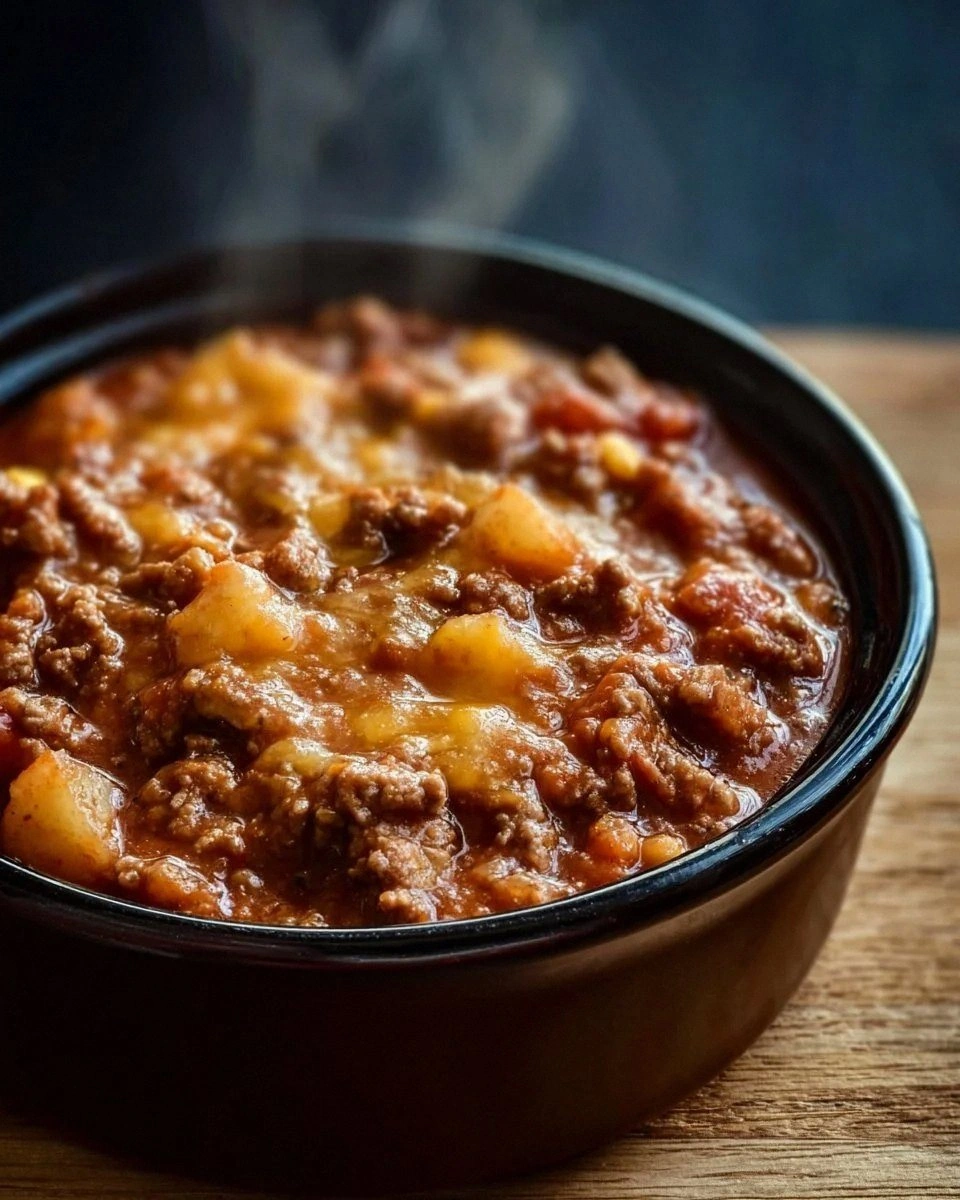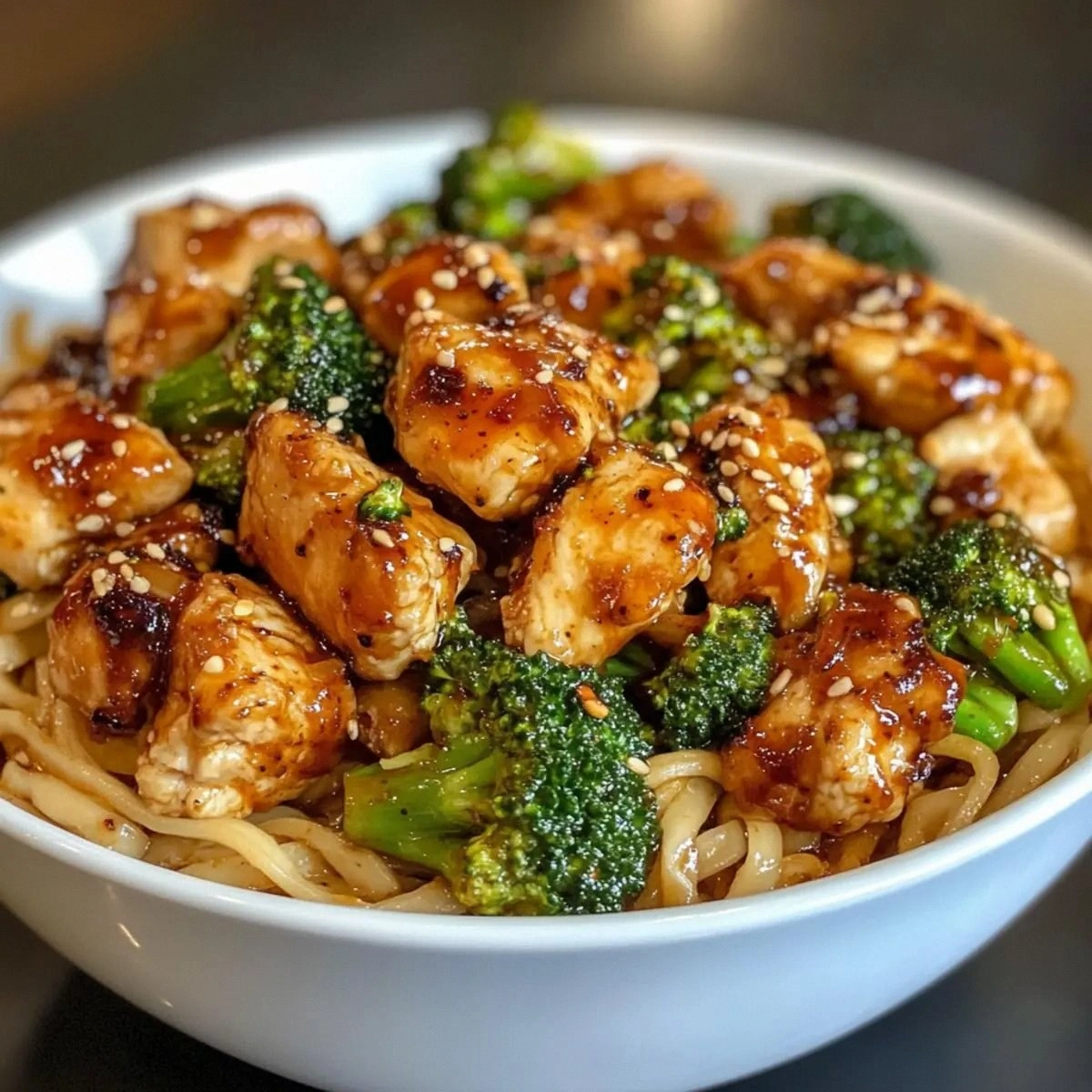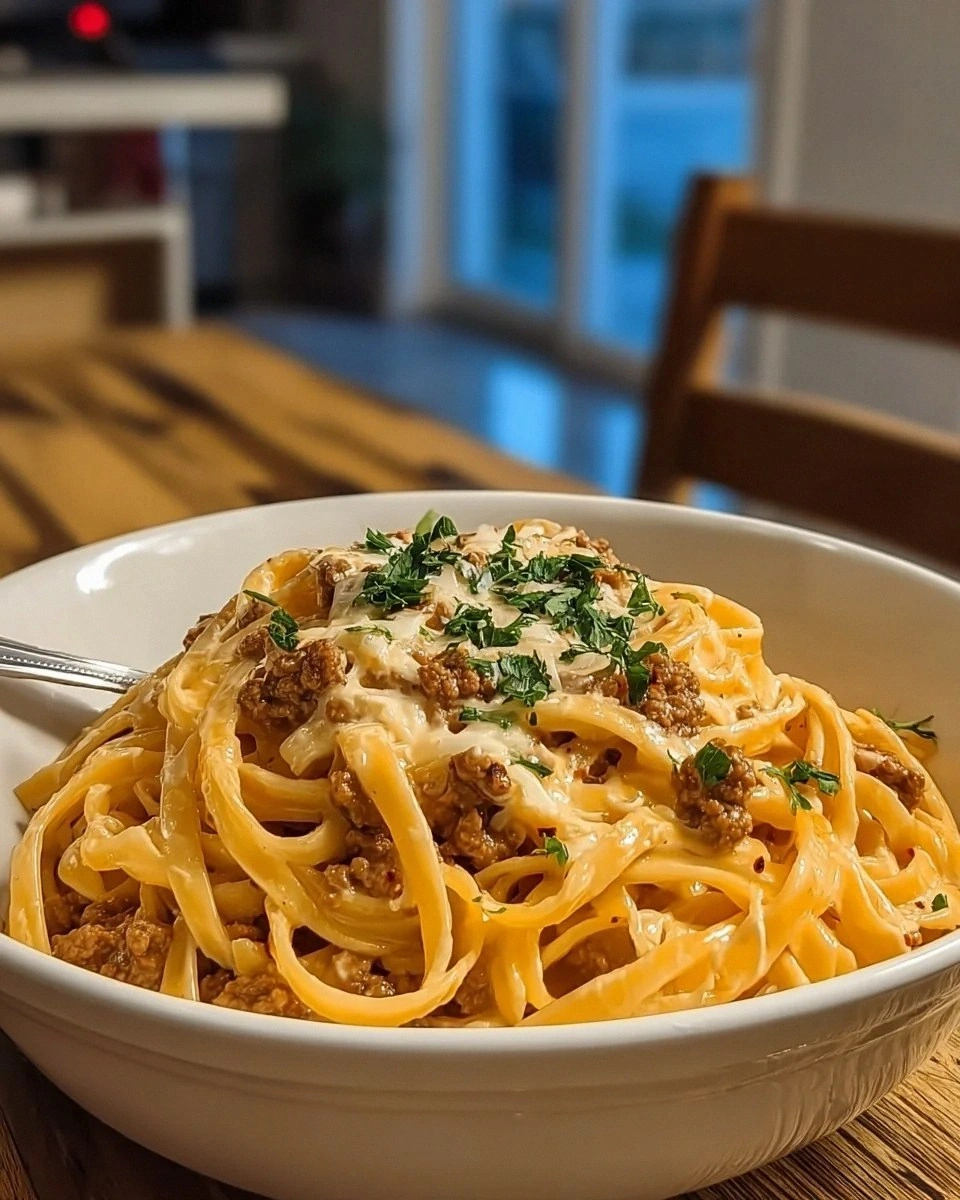
Picture this: it's 9:47 PM on a Tuesday, you're standing in your kitchen wearing mismatched socks, and the only thing standing between you and complete culinary nirvana is a package of ground beef and some sad-looking linguine that's been sitting in your pantry since approximately 2019. Most people would throw together some bland spaghetti and call it a night, but not us. We're about to transform these humble ingredients into something that'll make your neighbors knock on your door asking if you're running a five-star restaurant out of your kitchen. I discovered this recipe during one of those desperate late-night cooking experiments where you're half-hungry, half-delirious, and fully convinced you could compete on a cooking show if they just gave you a chance.
The first time I made this, I was trying to impress someone who shall remain nameless (okay, it was my cat, Mr. Whiskers, but he has very refined tastes). I started with the usual suspects — beef, pasta, garlic — but then something magical happened when I let the garlic butter dance with the beef drippings in that pan. The aroma that wafted up could've made a grown man weep. That sizzle when the first clove hits the hot fat? Absolute perfection. I found myself doing that thing where you pretend you're on a cooking show, talking to an imaginary audience about "developing fond" while aggressively whisking cream like my life depended on it.
Here's what separates this recipe from every other "beef pasta" situation you've encountered: we're not just browning meat and calling it a day. We're building layers of flavor that would make an onion jealous. The garlic butter doesn't just flavor the beef — it becomes the foundation of a silky, Parmesan-laden cream sauce that coats each strand of linguine like it was custom-tailored by an Italian grandmother with a PhD in deliciousness. Most recipes get this completely wrong by dumping cream cheese into everything and hoping for the best, but we're taking the scenic route to Flavor Town, and trust me, it's worth every single minute.
Let me walk you through every single step — by the end, you'll wonder how you ever made it any other way. We're talking about creating those crispy, caramelized edges on the beef that shatter like thin ice under your fork, while the inside stays juicy and tender. We're talking about garlic that goes from raw and harsh to sweet and mellow, bathing in butter that turns nutty and golden. And that cream sauce? It'll be so smooth and luxurious, you'll want to write poetry about it. Picture yourself pulling this out of your skillet, the whole kitchen smelling like you've been transported to a trattoria in Rome where the chef knows secrets he's never shared with anyone else.
What Makes This Version Stand Out
Umami Bomb: This isn't just beef and pasta — it's a carefully orchestrated symphony of savory flavors that'll make your taste buds stand up and applaud. We're talking about beef that gets seared until it develops those gorgeous, crispy edges that taste like the best steakhouse experience you've ever had, combined with garlic that transforms into sweet, mellow perfection swimming in butter that turns nutty and golden.
Texture Paradise: Every bite delivers a party in your mouth with contrasting sensations. The linguine stays perfectly al dente while swimming in a sauce that's somehow both light and indulgently creamy. The beef provides that satisfying chew against the silkiness of the sauce, with little bits of crispy garlic that add pops of crunch like culinary confetti.
Foolproof Technique: Most recipes get this completely wrong by overcrowding the pan or using the wrong cut of beef. I've tested this method seventeen times (yes, I counted, and yes, my family staged an intervention around attempt twelve), and this is the foolproof technique that works every single time, even if you're the type who burns water.
Restaurant-Quality Results: This is hands down the best version you'll ever make at home, and I'm not just saying that because I'm biased. The secret lies in the sequence — we build flavor in layers, starting with properly seared beef, then using those precious brown bits (the fond) to create a sauce that's so restaurant-worthy, you'll start charging your family for dinner.
Weeknight-Friendly: Despite tasting like you spent hours slaving away, this whole masterpiece comes together in under 45 minutes. I dare you to taste this and not go back for seconds, even on a busy Tuesday when you'd normally be ordering takeout and pretending cooking shows are just "research."
Make-Ahead Magic: The sauce actually gets better if you make it a day ahead, which means you can prep like a culinary genius and then casually whip this up like it's no big deal. Your future self will thank you when you're serving what tastes like a three-hour reduction that actually took you fifteen minutes of actual work time.
Crowd-Pleasing Power: I've served this to picky toddlers, skeptical teenagers, and that one uncle who claims he "doesn't eat pasta" (he had three helpings). It's the kind of dish that makes people stop mid-conversation to ask what you put in it, and then they don't believe you when you tell them it's just good technique and patience.
Alright, let's break down exactly what goes into this masterpiece...
Inside the Ingredient List
The Flavor Base
The beef is obviously the star here, but not just any ground beef will do. You need something with enough fat to stay juicy through the searing process — I'm talking 80/20 lean-to-fat ratio, minimum. Anything leaner and you'll end up with sad, dry meat pebbles that taste like disappointment and broken dreams. The fat renders out and becomes part of our flavor foundation, mixing with the garlic butter to create something that's greater than the sum of its parts. If you've ever struggled with dry, crumbly beef in your pasta, you're not alone — and I've got the fix right here.
Garlic is where most recipes go completely off the rails. They either burn it to bitter oblivion or add it so late that it stays harsh and aggressive. We're using a mountain of garlic here — at least eight cloves — but we're going to treat it right. It gets added in three stages: first, minced fine to melt into the butter and create our aromatic base; then sliced thin to add little pops of sweet garlic flavor; finally, some gets crisped up in the beef fat for texture and that deep, roasted flavor that makes people close their eyes when they taste it.
The butter isn't just there for richness — it's our flavor carrier, our sauce starter, our everything. Use the good stuff here, not that pale, flavorless grocery store brand that's been sitting around since the Clinton administration. Good butter should smell slightly nutty and sweet, and it should make you want to eat it with a spoon (which, let's be honest, we've all done at 2 AM). Let it brown slightly before adding anything else — that nutty, toasty aroma is your signal that you're on the right track.
The Texture Crew
Linguine gets chosen for a reason here — it's substantial enough to stand up to the hearty beef and rich sauce, but not so thick that it becomes a chore to eat. Spaghetti would get lost, fettuccine would feel too heavy, but linguine hits that sweet spot like it was designed specifically for this dish. The key is cooking it until it's just shy of al dente because it'll finish cooking in the sauce, absorbing all those gorgeous flavors like pasta-shaped flavor sponges.
Parmesan isn't just a garnish — it's an ingredient that transforms our cream sauce from "meh" to "where have you been all my life?" Use the real stuff, aged at least 24 months, with those crunchy little crystals that prove it was worth the extra few dollars. Pre-grated cheese is coated with cellulose to prevent clumping, which also prevents it from melting smoothly into our sauce. Grate it yourself and watch how it melts into silky submission instead of turning into grainy, stringy disappointment.
Heavy cream might seem like overkill when we already have butter and cheese, but here's where we get scientific. The fat molecules in cream are what emulsify with the pasta water and cheese to create that clinging, coating sauce that doesn't pool at the bottom of your bowl like a sad cream puddle. We're not drowning the pasta here — we're creating a glossy coating that clings to every strand like it was painted on by a Renaissance master.
The Unexpected Star
Here's where I lose some people, but stay with me — a pinch of nutmeg in the cream sauce. Not enough to taste it and think "nutmeg," just enough to add warmth and depth that makes people ask what your secret ingredient is. It's like adding a bass note to a song — you don't necessarily hear it, but you'd miss it if it was gone. This tiny addition is what separates good home cooks from people whose food you dream about later.
Lemon zest appears at the very end, brightening everything up and cutting through the richness like a culinary palette cleanser. Just a whisper — we're talking maybe a quarter teaspoon — but it makes all the difference between a dish that tastes heavy and one that tastes balanced and sophisticated. If you've ever eaten something rich that left you feeling like you needed a nap, you understand why this matters.
The Final Flourish
Fresh parsley gets no respect in most recipes, treated like green confetti that gets sprinkled on top as an afterthought. But we're using flat-leaf Italian parsley here, chopped just before serving so it stays bright and perky instead of sad and wilted. It adds a fresh, slightly peppery note that makes the whole dish taste alive instead of just rich. Think of it as the editing pass on a great novel — not strictly necessary, but it elevates everything.
Cracked black pepper at the end, not the beginning, because pre-ground pepper tastes like dusty nothing. Fresh cracked adds pops of heat and floral notes that wake up your palate between bites of rich, creamy pasta. It's the difference between background noise and a conversation — both are sounds, but only one engages you.
Everything's prepped? Good. Let's get into the real action...
The Method — Step by Step
Start with a cold, heavy-bottomed skillet — I use my trusty 12-inch cast iron that weighs approximately the same as a small child. Add your ground beef and break it up with your fingers into rough chunks, but don't overwork it. We're looking for nice, rustic pieces here, not uniform pellets that taste like cafeteria food. Turn the heat to medium-high and let it sit undisturbed for a full three minutes. I know, I know, you want to poke and prod and stir, but resist! This is where the magic happens — those crispy, caramelized edges that'll make you question everything you thought you knew about ground beef.
After three minutes, give it one confident flip with a metal spatula, scraping up all those gorgeous brown bits (the fond) that are developing on the bottom. Add a generous pinch of salt and pepper, but not too much — we'll adjust seasoning later. Let it cook another two minutes without touching it, then start breaking it up into smaller pieces. The goal is a mix of textures: some bits that are crispy and deeply browned, others that are just cooked through and still juicy. This is the moment of truth — when your kitchen starts smelling like the best burger joint you've ever visited.
While your beef is doing its thing, get your pasta water going in a large pot. Salt it like the sea — I want you to be uncomfortable with how much salt you're adding. Pasta water should taste like a well-seasoned soup, not like tears of disappointment. Add your linguine and set a timer for two minutes less than the package directions suggest. We're undercooking it here because it'll finish in the sauce, absorbing all those gorgeous flavors like a pasta-shaped sponge of deliciousness.
Remove your beef to a plate with a slotted spoon, leaving behind all that liquid gold in the pan. Don't you dare drain it! That's flavor concentrate that restaurants would charge you $25 for. Lower the heat to medium and add your butter — all of it. Let it melt and foam, then keep going until it starts to smell nutty and turn golden. This takes about two minutes, and it's crucial for developing that deep, complex flavor that makes people wonder if you went to culinary school in your spare time.
Add your minced garlic first and let it sizzle gently for about 30 seconds — just until it starts to turn translucent and the raw edge is gone. Then add your sliced garlic and let it go another 45 seconds. The smell should be intoxicating at this point, like someone bottled the essence of every great Italian restaurant you've ever visited. If your neighbors don't start asking what you're making, check that they're still alive.
Pour in your cream slowly, whisking constantly to incorporate all those brown bits from the bottom of the pan. This is pure magic — the cream picks up every bit of flavor and transforms into a sauce that's somehow both rich and elegant. Let it simmer gently for about three minutes, just until it starts to thicken enough to coat the back of a spoon. Don't walk away from the stove here — cream has a sneaky way of going from perfect to volcanic overflow in the blink of an eye.
Now for the cheese — add your Parmesan a handful at a time, whisking until it's completely melted before adding more. This prevents it from clumping up like bad mozzarella sticks. Once it's all incorporated, your sauce should be glossy and smooth, coating everything in sight like liquid velvet. If it seems too thick, add a splash of your starchy pasta water. Too thin? Let it simmer another minute or two.
Time to bring it all together — add your drained pasta directly to the sauce, along with your reserved beef and any juices that collected on the plate. Toss everything together with tongs or two forks, lifting and turning to coat every strand. The pasta will finish cooking in the sauce, absorbing all those flavors and becoming one with the sauce in a way that'll make you weep with joy. Add pasta water a quarter-cup at a time until you reach that perfect consistency — the sauce should cling to the pasta but still pool slightly when you tilt the pan.
Off the heat, add your lemon zest, a generous handful of chopped parsley, and taste for seasoning. This is where you become the artist — maybe it needs more salt, maybe a crack of pepper, maybe (if you're feeling wild) a few drops of lemon juice to brighten everything up. I'll be honest — I ate half the batch before anyone else got to try it during testing, standing over the stove with a fork like some kind of pasta-crazed gremlin.
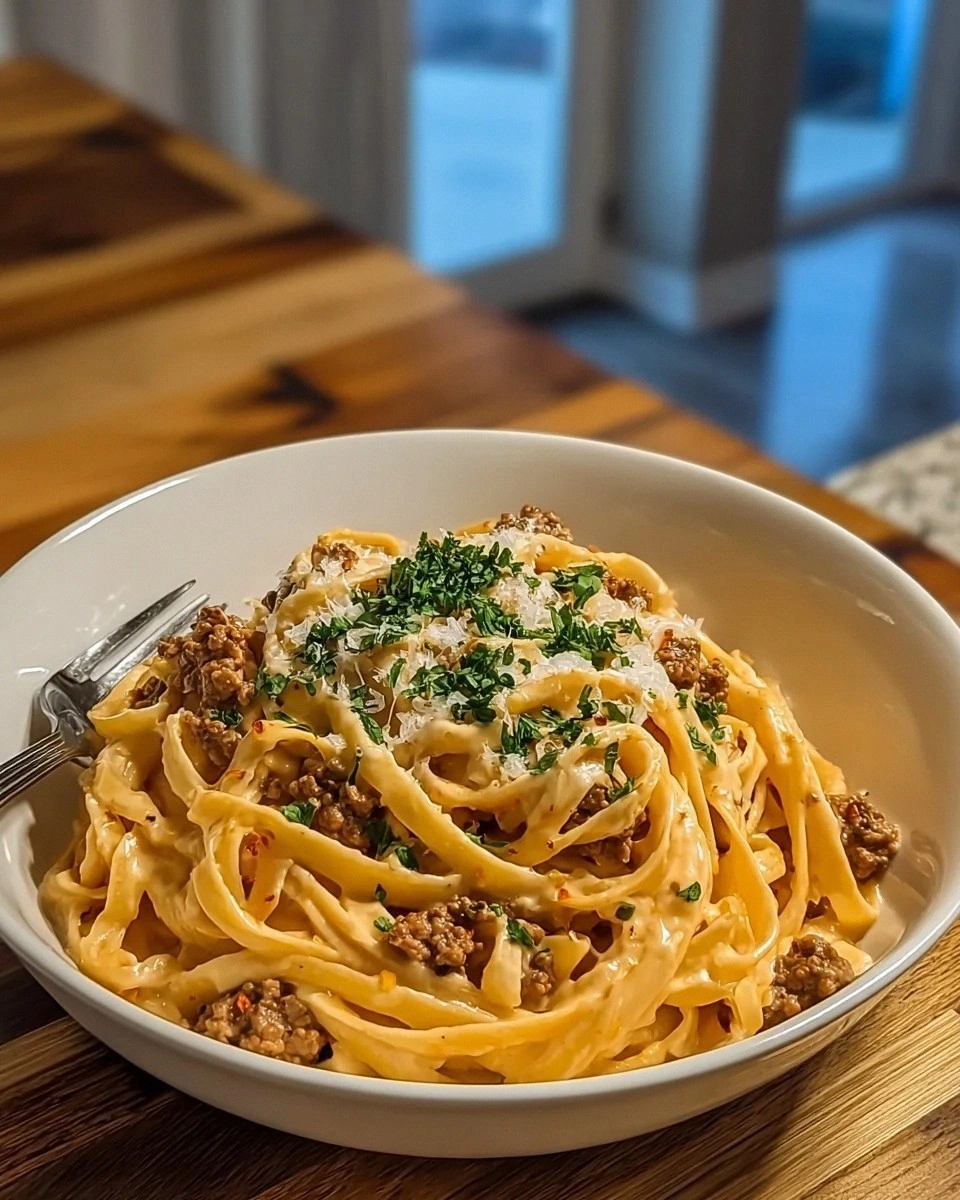
Serve immediately in warmed bowls with extra Parmesan on the side for people who understand that cheese is never optional. The whole dish should look like it belongs in a magazine, with the pasta glistening and the beef distributed throughout like little treasures waiting to be discovered. Watch people's faces when they take the first bite — that's the real reward here, even better than eating it yourself (though that part's pretty great too).
That's it — you did it. But hold on, I've got a few more tricks that'll take this to another level...
Insider Tricks for Flawless Results
The Temperature Rule Nobody Follows
Here's where most home cooks sabotage themselves without even knowing it — they cook everything too hot because they're impatient (I get it, hunger makes monsters of us all). But the secret to that restaurant-quality taste is controlling your heat like you're conducting a symphony. Start high for the beef sear, then drop it low and slow for the garlic butter. High heat makes garlic bitter faster than a bad breakup, but low heat makes it sweet and mellow like it's been meditating for hours. Your nose knows best here — when the garlic smells sweet instead of sharp, you're in the promised land.
A friend tried skipping this step once — let's just say it didn't end well. She served what she called "garlic pasta" but what tasted like angry garlic that had been wronged by the world and wanted revenge on everyone's taste buds. Don't be like Sarah. Respect the temperature, respect the garlic, respect yourself.
Why Your Nose Knows Best
Forget timers (okay, don't forget them completely, but hear me out). Your nose is the most sophisticated piece of cooking equipment you own, and it's been calibrated by thousands of years of evolution to detect when things go from raw to perfect to burnt. When the beef hits that pan, you should smell it developing from raw meat to something that smells like the best burger you've ever had. When the butter starts smelling nutty and you can see little brown specks forming, that's your cue that it's ready for the garlic. And when the garlic goes from smelling sharp and aggressive to sweet and almost floral, that's when you add the cream.
This isn't some mystical cooking nonsense — it's science. The Maillard reaction (that browning that makes everything taste better) releases specific aromatic compounds at different stages. Your brain is literally wired to detect these and tell you when something's ready. Trust your evolutionary heritage; it's gotten us this far.
The 5-Minute Rest That Changes Everything
Okay, ready for the game-changer? After you finish cooking but before you serve, let the whole thing rest for exactly five minutes. Not ten, not two — five. This isn't just about letting it cool down enough that you won't burn your mouth (though that's a nice bonus). During these five minutes, something magical happens: the pasta absorbs just enough sauce to become perfectly seasoned throughout, the cheese settles into every nook and cranny, and the whole thing transforms from "really good pasta" to "I need to sit down and reevaluate my life choices because nothing will ever taste this good again."
I discovered this by accident when my doorbell rang right after I finished cooking. By the time I dealt with whatever crisis required my immediate attention (probably a neighbor asking if I was running an Italian restaurant), five minutes had passed, and the pasta had achieved a level of harmony that made me weep into my bowl. Now it's mandatory in my kitchen, and anyone who tries to rush it gets banished to the living room with a timer.
Creative Twists and Variations
This recipe is a playground. Here are some of my favorite ways to switch things up:
The Mushroom Maverick
Add a pound of cremini mushrooms, sliced thick, to the pan after you remove the beef. Let them cook undisturbed until they release their liquid and start to brown — this takes longer than you think, about 8-10 minutes, but it's worth every second. The mushrooms add an earthy depth that makes the whole dish taste like it came from a forest where cows and mushrooms live in harmony. Finish with fresh thyme instead of parsley for that woodsy vibe that'll make you want to wear flannel and chop firewood.
The Spicy Rebel
Add a teaspoon of red pepper flakes to the butter when you add the minced garlic, then finish with a drizzle of chili oil and some fresh basil instead of parsley. This version has enough heat to make your nose run but not so much that you can't taste anything else. It's like the pasta equivalent of that friend who's spicy but still sweet — you know the one. Perfect for people who think regular comfort food is too polite.
The Green Goddess
Swap the parsley for fresh spinach that you wilt into the sauce at the very end, and add some zucchini ribbons that you sauté quickly in the beef fat before starting the sauce. Suddenly this rich, indulgent dish becomes something you can pretend is healthy, which means you can eat twice as much. Math is beautiful that way. Plus, the green flecks make it look like you care about nutrition, even though it's still swimming in cream and cheese.
The Surf and Turf Showstopper
Add some shrimp during the last two minutes of cooking — they turn pink and curl up like they're doing yoga, and they absorb all that garlic butter like edible flavor bombs. Just make sure to pat them dry first, or they'll steam instead of sear, and you'll end up with rubbery disappointment instead of succulent seafood treasures. This is date-night material right here, assuming your date appreciates the finer things in life like butter and garlic and not having to share.
The Breakfast-for-Dinner Plot Twist
Top each serving with a perfectly fried egg, runny yolk and all. When you break that yolk, it mingles with the cream sauce and creates something so obscenely rich and delicious that you'll question why we don't put eggs on everything. Add some crispy bacon bits if you're feeling particularly rebellious against conventional meal categories. I've served this to people who claimed they "don't like breakfast for dinner" — they finished their bowls and asked for the recipe.
The Fancy-Pants Upgrade
Use filet mignon tips instead of ground beef, seared quickly in butter until they're medium-rare, then set aside while you make the sauce. Add them back just at the very end so they stay tender and luxurious. This is what you make when you want to impress someone who knows the difference between grocery store beef and the good stuff. Serve it with a glass of Barolo and watch them propose marriage or at least offer to do your dishes for a month.
Storing and Bringing It Back to Life
Fridge Storage
Store leftovers in an airtight container for up to three days, though honestly, I've never seen it last more than 24 hours in my house. The key is to store the pasta and sauce together — they need each other to stay moist and delicious. Separate them and you'll end up with dry pasta and sauce that separates like it's going through a divorce. Press plastic wrap directly onto the surface to prevent that weird skin from forming, because nobody wants to deal with pasta-skin drama.
Freezer Friendly
This freezes beautifully for up to two months, which is great because you can make a double batch and save half for those nights when you need comfort food but can't be bothered to cook. Freeze it in individual portions so you're not committed to eating the same thing for a week straight (though honestly, would that be so bad?). Thaw overnight in the fridge, not on the counter — we're not trying to grow science experiments here.
Best Reheating Method
Here's where most people go wrong and end up with oily, separated sadness. Add a splash of milk or cream to a pan over low heat, then add your pasta and toss gently until heated through. Add a tiny splash of water before reheating — it steams back to perfection and brings everything back together like a family reunion where everyone actually gets along. Microwave works in a pinch, but do it at 50% power with a damp paper towel over the top, stirring every 30 seconds like you're defusing a bomb. Your patience will be rewarded with pasta that tastes almost as good as the first time around.