I was staring at a half‑empty bag of flour, a lone cinnamon stick, and an air fryer that had spent the last week making soggy fries. My roommate dared me to create a holiday treat that could out‑shine the store‑bought candy canes, and I thought, “Why not turn those boring donut holes into a festive masterpiece?” The kitchen smelled like a winter market, the timer on the air fryer ticked like a distant sleigh‑bell, and my hands were already itching to mix, roll, and fry. I was determined to prove that a few pantry staples could become the star of any Christmas party.
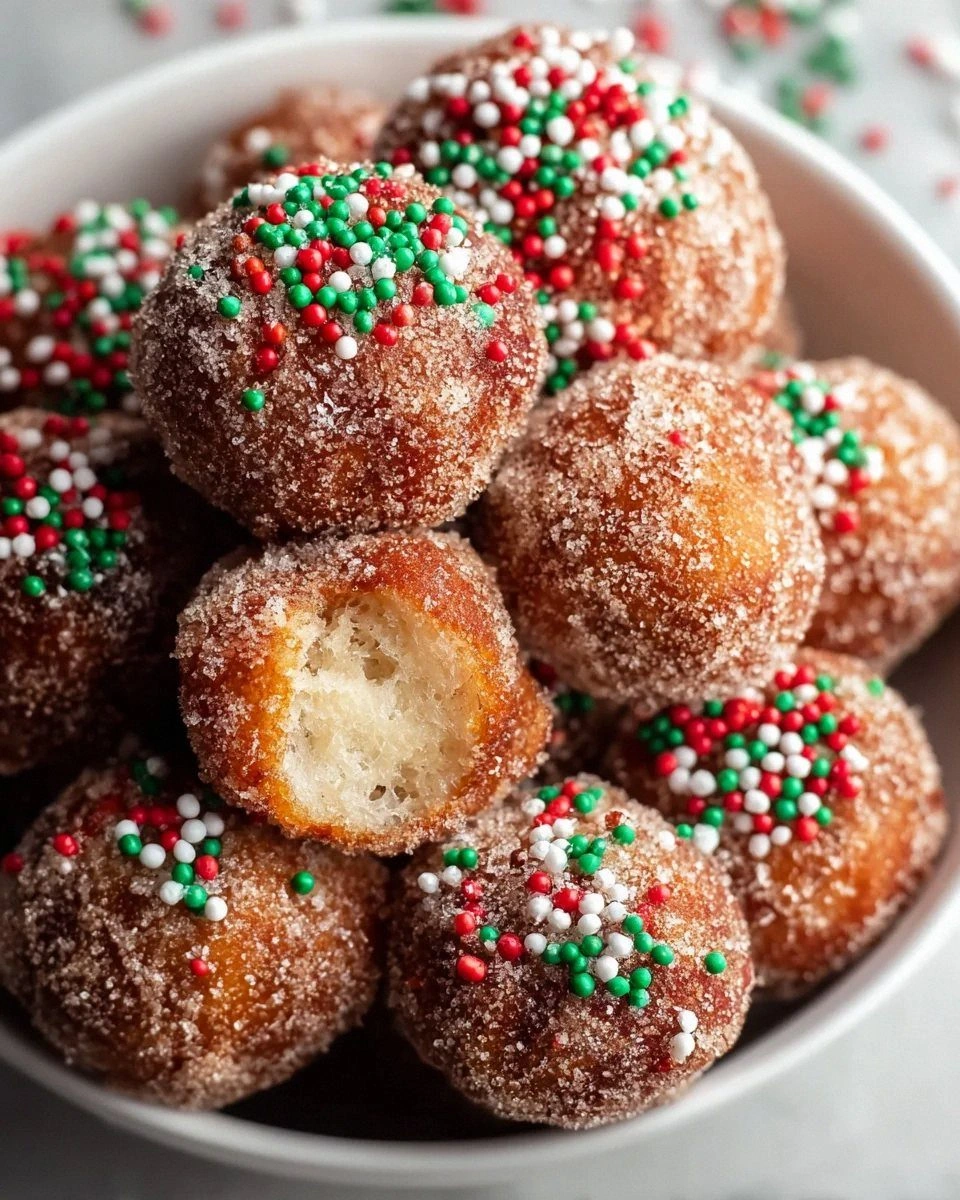
Picture this: a batch of golden‑brown donut holes, each one perfectly crisp on the outside, yet soft and pillowy inside, coated in a cinnamon‑sugar glaze that shimmers like fresh snow. When you bite into them, the butter‑infused dough melts on your tongue, releasing a warm burst of vanilla and cinnamon that feels like a hug from an old friend. The scent alone is enough to make the whole house feel like a cozy chalet, with the air fryer humming like a quiet fireplace. I dare you to taste this and not go back for seconds—because once you’ve experienced this, ordinary donuts will never satisfy you again.
Most recipes get this completely wrong. They either fry the dough in oil, which leaves a greasy aftertaste, or they bake it, which robs the holes of that signature crunch. My version flips the script by using an air fryer, giving you that fried texture without the excess oil, and a quick butter‑sugar coating that locks in moisture while adding a festive sparkle. The secret? A tiny splash of melted butter right after cooking, followed by a quick roll in a cinnamon‑sugar mix that creates a glaze that sticks like caramel but tastes like holiday magic.
Okay, ready for the game‑changer? I’m going to walk you through every single step—by the end, you’ll wonder how you ever made donut holes any other way. From the exact flour‑to‑milk ratio that guarantees fluffiness, to the precise air‑fryer temperature that creates that perfect crust, I’ve got you covered. Stay with me here — this is worth it, and the payoff is a plate of Christmas cheer you can actually eat.
What Makes This Version Stand Out
- Flavor Explosion: The combination of vanilla, cinnamon, and a buttery glaze creates a taste profile that screams holiday without being overpowering.
- Texture Harmony: Air‑fryer magic gives a crisp exterior that shatters like thin ice, while the interior stays cloud‑soft and airy.
- Simplicity: Only ten pantry staples are needed, and the entire process takes under an hour—no deep‑fryer, no mess.
- Unique Coating: A double‑dip of melted butter then cinnamon‑sugar creates a glaze that sticks like frosting but tastes like a fresh‑baked treat.
- Crowd Reaction: Guests invariably ask for the recipe, and the sprinkles turn an ordinary bite into a conversation starter.
- Ingredient Quality: Using real butter (not margarine) and pure vanilla extract makes the flavor richer than any boxed mix.
- Air‑Fryer Efficiency: No oil splatter, no lingering grease smell—just a clean kitchen and perfectly cooked holes.
- Make‑Ahead Potential: You can prep the dough ahead of time, freeze the shaped holes, and pop them in the air fryer when the party starts.
Inside the Ingredient List
The Flavor Base
All‑purpose flour is the backbone of your donut holes, giving them that fluffy structure we all love. If you swap it for cake flour, you’ll get a finer crumb but lose a bit of the chew that makes these holes satisfying. I always recommend a brand that’s unbleached for the purest taste. Granulated sugar adds sweetness and helps create that delightful brown crust as they cook; a light brown sugar could be used for a deeper molasses note, but it will change the texture slightly. Vanilla extract is a splash of warm hug for your donut holes, enhancing aroma and flavor—don’t skimp, the difference between a teaspoon and half a teaspoon is night and day.
The Texture Crew
Baking powder acts as a leavening agent, ensuring your donut holes rise and become light and airy. If you use baking soda instead, you’ll need an acidic component like buttermilk, which would alter the flavor profile. Whole milk gives moisture and richness to the dough, making it soft and tender; you can substitute oat milk for a dairy‑free version, but expect a subtle change in richness. Unsalted butter brings a rich flavor and helps achieve that delectable, buttery taste—use real butter, not a spray, for the authentic melt‑in‑your‑mouth feel.
The Warm Spice
Ground cinnamon infuses a warm, cozy flavor that screams holiday spirit. If you want to get fancy, add a pinch of nutmeg or allspice for a deeper winter vibe. Salt balances the sweetness and enhances the overall flavor; a pinch too much and you’ll ruin the sweet balance, a pinch too little and the sugar will taste flat. This tiny mineral is the unsung hero that makes every other ingredient shine.
The Final Flourish
Large egg binds the mixture and contributes to the fluffy texture, acting like the glue that holds the dough together. If you’re vegan, a flax egg (1 tbsp ground flax + 3 tbsp water) works, but the texture will be a tad denser. For the coating, melted butter after cooking makes the holes extra delicious and helps the sugar stick, while granulated sugar (for coating) and ground cinnamon (for coating) create that sweet crunch that feels like snow on a winter morning. Finally, holiday‑themed sprinkles are optional, but they add a pop of color and festive flair that turns a simple snack into a party centerpiece.
Everything's prepped? Good. Let's get into the real action...
The Method — Step by Step
In a large mixing bowl, whisk together 2 cups of all‑purpose flour, 2 teaspoons of baking powder, 2 teaspoons of ground cinnamon, 1 teaspoon of salt, and ½ cup of granulated sugar. The dry ingredients should look like a speckled snowfield—no lumps, just an even distribution of flavor. I always sift the flour and baking powder together; it aerates the mixture and prevents any gritty pockets. Once combined, set the bowl aside and let the aromas mingle for a moment.
In a separate saucepan, melt 4 tablespoons of unsalted butter over low heat, then whisk in ¾ cup of whole milk and 1 teaspoon of vanilla extract. The butter should melt into a glossy pool, and the milk will begin to steam gently—this is the moment where you hear the faint hiss that says, “We’re on the right track.” Remove from heat and let the mixture cool for about two minutes so it doesn’t scramble the egg later.
Crack a large egg into the warm butter‑milk mixture and whisk vigorously until fully incorporated. The mixture should turn a pale, velvety yellow—if you see any streaks, keep whisking; that’s the sign of a smooth batter. Watch Out: If the butter is too hot, it will cook the egg, resulting in a curdled batter that won’t rise properly. Keep the temperature just warm enough to combine, not to sizzle.
Gradually pour the wet mixture into the dry ingredients, stirring with a wooden spoon until a sticky dough forms. The dough will be thick, but not dry; think of it as a thick pancake batter that clings to the spoon. Let the dough rest for five minutes; this allows the gluten to relax and the baking powder to start its leavening magic. During this pause, the kitchen will fill with a subtle cinnamon perfume that’s already convincing you to pre‑heat the air fryer.
While the dough rests, preheat your air fryer to 350°F (175°C). This temperature is the sweet spot: hot enough to create a golden crust, yet gentle enough to keep the interior airy. If your air fryer has a “bake” function, use it; otherwise, the regular “air fry” setting works perfectly. Once preheated, lightly spray the basket with cooking spray or brush with a thin layer of melted butter.
Using a tablespoon or a small ice‑cream scoop, portion out the dough into 1‑inch balls and place them on a parchment‑lined tray. The dough should hold its shape; if it feels too sticky, dust your hands with a little flour. Transfer 6‑8 balls at a time to the air fryer basket, leaving a little space between each so the hot air can circulate. This is the moment of truth—watch the holes puff up and turn a light amber in just 8‑10 minutes.
When the timer dings, remove the donut holes and immediately toss them in a bowl with 2 tablespoons of melted butter. The butter should coat each hole like a glossy glaze, sealing in steam and creating a surface that will cling to the cinnamon‑sugar mix. After the butter coating, roll each hole in a mixture of ½ cup granulated sugar and 1 teaspoon ground cinnamon (plus optional sprinkles) until fully covered. The coating should sparkle like fresh snow, and the scent will fill the kitchen with an intoxicating holiday aroma.
Serve the donut holes warm, ideally within 15 minutes of coating, so the butter remains soft and the sugar stays slightly tacky. If you’re not serving immediately, keep them in a single layer on a wire rack to prevent sogginess. And there you have it—air‑fried, buttery, cinnamon‑kissed Christmas donut holes that are hands down the best version you’ll ever make at home.
That's it — you did it. But hold on, I've got a few more tricks that'll take this to another level...
Insider Tricks for Flawless Results
The Temperature Rule Nobody Follows
Never set your air fryer above 375°F for these donut holes. Higher heat creates a crust too quickly, preventing the interior from expanding fully, which results in a dense bite. By staying at 350°F, you give the baking powder enough time to work its magic, producing that airy center we all love. Trust me, I tried 400°F once and the holes came out as hard as a Christmas ornament.
Why Your Nose Knows Best
When the donut holes are about halfway through cooking, you’ll notice a sweet, buttery aroma drifting from the basket. That’s your cue to give them a quick shake—if the scent is strong, they’re nearly done. If you rely solely on the timer, you might overcook them, and the sugar coating can turn a little too caramelized. Your nose is the most reliable timer in the kitchen.
The 5‑Minute Rest That Changes Everything
After coating, let the donut holes rest for exactly five minutes before serving. This brief pause allows the butter to solidify just enough to hold the sugar in place, while the interior continues to steam gently, staying soft. Skipping this step leads to a coating that slides off, and the holes become dry. I once served them straight from the bowl and learned that a short rest makes the difference between “good” and “legendary.”
Freeze‑Then‑Air‑Fry for Party‑Ready Prep
Shape the dough balls and flash‑freeze them on a tray for 30 minutes. Once solid, transfer them to a zip‑lock bag and store in the freezer for up to three weeks. When the party starts, just pop them straight into the preheated air fryer—no thawing needed. This hack is a lifesaver for large gatherings and guarantees consistent size and texture.
Butter‑First Coating, Sugar‑Second Magic
Coating the holes in melted butter before the cinnamon‑sugar mix isn’t just for flavor; it creates a glossy surface that traps the sugar crystals, preventing them from falling off. If you skip the butter, the sugar will slide off and you’ll end up with a dry, uneven finish. For an extra glossy finish, drizzle a tiny drizzle of honey over the coated holes right before serving.
Creative Twists and Variations
This recipe is a playground. Here are some of my favorite ways to switch things up:
Chocolate‑Dipped Delight
After the butter and cinnamon‑sugar coating, dip half of each donut hole into melted dark chocolate and sprinkle with red edible glitter. The bitter chocolate balances the sweet cinnamon, and the glitter adds a festive sparkle that kids love.
Maple‑Pecan Crunch
Swap the cinnamon‑sugar coating for a mixture of maple syrup, finely chopped pecans, and a pinch of sea salt. The nutty crunch and caramel notes give the holes a Thanksgiving‑meets‑Christmas vibe.
Cranberry‑Orange Zest
Add finely grated orange zest to the dough and fold in a tablespoon of dried cranberries. After cooking, coat with a light dusting of powdered sugar and a drizzle of orange‑infused glaze. The citrus brightens the flavor, while the cranberries provide a tart pop.
Spiced Chai Twist
Incorporate a teaspoon of chai spice blend (cardamom, ginger, cloves) into the dry mix, and for the coating, use a blend of brown sugar and a dash of black pepper. The result is a sophisticated, warm flavor that feels like a holiday market in Delhi.
Vegan Velvet
Replace the butter with coconut oil, use almond milk instead of whole milk, and swap the egg for a flax egg. The coating can be made with coconut sugar and a splash of maple syrup. The texture stays fluffy, and the flavor takes on a tropical twist that’s surprisingly comforting.
Storing and Bringing It Back to Life
Fridge Storage
Place cooled donut holes in an airtight container lined with a paper towel to absorb excess moisture. They’ll stay fresh for up to three days. Before serving, let them sit at room temperature for 10 minutes, then give them a quick 2‑minute blast in the air fryer at 320°F to re‑crisp the exterior.
Freezer Friendly
Freeze uncoated donut holes on a parchment sheet, then transfer to a zip‑lock bag. They’ll keep for up to two months. When you’re ready to eat, pop them straight into the air fryer at 350°F for 8‑10 minutes, then coat with butter and cinnamon‑sugar as usual.
Best Reheating Method
For the ultimate reheating, preheat the air fryer to 325°F, add a tiny splash of water (about a teaspoon) to the basket, and heat for 3‑4 minutes. The steam generated revives the interior’s softness while the air fryer restores the crisp outer glaze. No microwave, no soggy results—just fresh‑out‑of‑the‑oven perfection.