I’ll be honest — the first time I tried to make a bacon‑and‑Brussels‑sprout salad, I ended up with soggy leaves, limp sprouts, and a pan that smelled like burnt regret. I was on a dare from a roommate who claimed “any salad can be turned into a masterpiece if you just add bacon.” I stared at the half‑cooked sprouts, the wilted greens, and the sad, limp bacon strips, and I thought, “No, this is not going to work.” That night, I went back to the drawing board, armed with a skillet, a splash of vinegar, and a stubborn determination to prove that a simple side can be a show‑stopper.
Picture this: the kitchen filled with the crackle of bacon hitting a hot pan, the sweet‑tangy hiss of balsamic meeting maple syrup, and the earthy aroma of Brussels sprouts as they caramelize to a perfect golden‑brown. The air is thick with the promise of crispy edges that shatter like thin ice, while the greens stay bright and fresh, holding up like a sturdy stage for the star performers. I could hear the faint pop of the almonds as they toast, a subtle reminder that texture is the secret weapon in any great salad.
What makes this version stand out isn’t just the ingredients, it’s the choreography. Most recipes treat bacon as an afterthought, tossed in at the end, leaving the sprouts soggy and flavor flat. I dared to sear the Brussels sprouts first, letting them develop a caramelized crust before the bacon even enters the scene. Then, I coaxed the bacon into a crisp, buttery confetti that clings to every bite. The result? A salad that’s crunchy, smoky, sweet, and just a touch acidic — a true symphony of flavors that will make you question every side dish you’ve ever known.
I’m about to walk you through every single step — by the end, you’ll wonder how you ever made this any other way. I’ll reveal the one technique that most cooks miss (hint: it involves a splash of vinegar at the perfect moment), and I’ll share a few hacks that will save you time and keep your kitchen from looking like a war zone. So grab your skillet, your favorite apron, and let’s turn this humble salad into the best‑ever version you’ll ever make at home.
What Makes This Version Stand Out
- Flavor Explosion: The sweet‑maple‑balsamic glaze creates a glossy coating that makes each sprout taste like a caramel‑kissed bite, while the bacon adds a smoky crunch that’s impossible to ignore.
- Texture Contrast: Crispy bacon, crunchy toasted almonds, and tender‑yet‑caramelized sprouts create a mouthfeel that dances between soft and snap‑crackle.
- Simplicity: Only twelve ingredients, most of which you already have in your pantry, and a single skillet keep the prep line short and sweet.
- Uniqueness: The glaze is the game‑changer — a blend of balsamic, maple, and Dijon that you won’t find in typical “bacon‑and‑sprout” recipes.
- Crowd Reaction: I dare you to taste this and not go back for seconds; even the most skeptical eaters become instant fans.
- Ingredient Quality: Using thick‑cut bacon and fresh, firm Brussels sprouts ensures each component shines without getting lost.
- Cooking Method: Searing the sprouts first locks in flavor, while finishing in the oven gives the bacon a perfect crunch.
- Make‑Ahead Potential: This salad holds up beautifully for a few hours, making it ideal for potlucks or dinner prep.
Inside the Ingredient List
The Flavor Base
Balsamic vinegar is the unsung hero that brings depth to the glaze. Its natural acidity balances the sweetness of maple syrup, creating a harmonious sweet‑and‑tart profile that clings to each sprout. If you substitute with apple cider vinegar, expect a brighter, fruitier note that will shift the balance toward tangier. Choose a dark, aged balsamic for maximum richness; the syrupy consistency will help the glaze coat the vegetables like a glossy veil.
Fun Fact: The balsamic vinegars that come from Modena are aged for a minimum of 12 years, developing complex flavors that can include notes of fig, chocolate, and caramel.
The Texture Crew
Crisp bacon and toasted almonds are the dynamic duo that keep every forkful interesting. Bacon provides a salty, smoky crunch, while the almonds add a nutty, buttery bite that contrasts the tender sprouts. If you’re allergic to nuts, try pumpkin seeds for a similar crunch without the flavor shift. Remember, the key to perfect bacon is low‑and‑slow rendering before finishing at high heat for that final snap.
The Unexpected Star
Maple syrup isn’t just for pancakes; in this recipe it acts as a natural caramelizer, encouraging the sprouts to develop that deep amber crust we all crave. Its subtle woody sweetness pairs beautifully with the acidity of the balsamic, creating a glaze that’s both glossy and flavorful. If you’d rather avoid sugar, a drizzle of honey works, but expect a slightly floral undertone.
The Final Flourish
A generous sprinkle of grated Parmesan adds umami richness, while a zest of lemon brightens the whole dish with a citrus pop that cuts through the richness. Freshly ground black pepper adds a subtle heat, and a pinch of sea salt amplifies every flavor. When buying Brussels sprouts, look for compact heads with bright green leaves; they’ll hold their shape better during searing.
Everything's prepped? Good. Let's get into the real action…
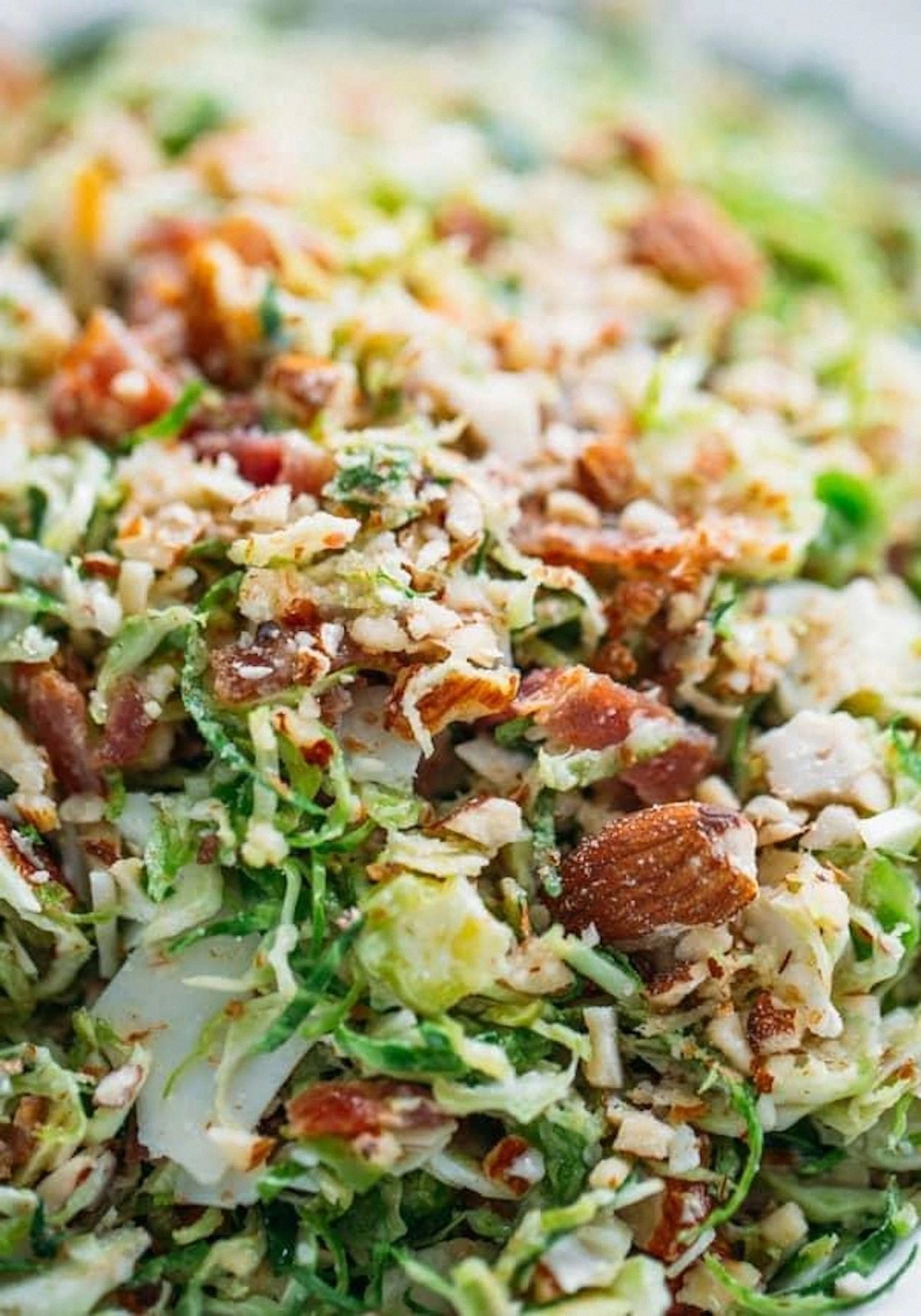
The Method — Step by Step
-
Start by preheating your oven to 400°F (200°C). While the oven warms, trim the ends off the Brussels sprouts and slice them in half lengthwise. The cut surface should be exposed, ready to caramelize when it hits the pan. This step is crucial because a flat surface maximizes contact with the heat, ensuring that beautiful golden‑brown sear.
Kitchen Hack: Toss the halved sprouts with a pinch of salt and let them sit for 5 minutes. This draws out excess moisture, guaranteeing a crispier finish. -
Heat a large skillet over medium‑high heat and add 2 tbsp of olive oil. Once shimmering, place the sprouts cut‑side down in a single layer. Let them sit undisturbed for 4‑5 minutes; you’ll hear a faint sizzle that signals the Maillard reaction kicking in. Flip them once the edges turn deep amber and the bottoms are caramelized.
While the sprouts are searing, whisk together 1 tbsp balsamic vinegar, 1 tbsp maple syrup, 1 tsp Dijon mustard, and the minced garlic. This glaze will thicken as it cooks, turning the sprouts into glossy jewels.
-
When the sprouts are beautifully browned, drizzle the glaze over them, stirring gently to coat each piece. Let the mixture bubble for about 2 minutes; you’ll notice it thickening and clinging to the vegetables like a caramel coat. This is the moment of truth — if the glaze is too thin, increase the heat for a minute to reduce it further.
Season with a pinch of salt and freshly ground pepper, then transfer the skillet to the preheated oven. Roast for 10‑12 minutes, allowing the sprouts to finish cooking while the glaze deepens.
-
While the sprouts are in the oven, cook the bacon. Lay the chopped bacon strips on a parchment‑lined baking sheet and bake on the middle rack for 12‑15 minutes, or until crisp. The rendered fat will drip onto the parchment, leaving you with perfectly crunchy bacon without the mess of stovetop splatters.
Once crispy, transfer the bacon to a paper‑towel‑lined plate to absorb excess grease. Keep the bacon fat; you’ll use a spoonful later to finish the salad with extra flavor.
Kitchen Hack: Reserve the hot bacon fat and drizzle a teaspoon over the finished salad for an extra layer of smoky richness. -
Remove the Brussels sprouts from the oven and transfer them to a large mixing bowl. While still hot, toss them with the crispy bacon, toasted almond slices, and grated Parmesan. The residual heat will melt the cheese slightly, creating a velvety coating.
Watch Out: If you add the lemon zest too early, its bright flavor can become muted. Sprinkle it just before serving to keep the citrus pop vibrant.Give everything a gentle toss so the glaze distributes evenly without breaking the delicate sprouts.
-
Taste and adjust seasoning. Add a splash more balsamic if you crave extra tang, or a drizzle of honey for a sweeter finish. Finish with a final grind of black pepper and a pinch of flaky sea salt for texture.
If the salad feels a bit dry, whisk in a teaspoon of the reserved bacon fat or a drizzle of extra‑virgin olive oil. This ensures every bite stays moist and luscious.
-
Just before serving, grate a little more Parmesan over the top and sprinkle the lemon zest. The zest adds a fragrant citrus burst that cuts through the richness, making the dish feel lighter.
Serve the salad warm or at room temperature, alongside grilled chicken or as a hearty stand‑alone side. The contrast of warm sprouts and cool greens (if you add a handful of arugula) creates an unforgettable mouthfeel.
-
That’s it — you did it. But hold on, I’ve got a few more tricks that’ll take this to another level. Keep reading for insider tips that will make your next batch even better, and don’t forget to share a photo; I love seeing your creations!
Insider Tricks for Flawless Results
The Temperature Rule Nobody Follows
Most home cooks crank the heat up to “as hot as possible,” thinking it will speed things up. In reality, a moderate medium‑high heat (around 375°F on a stovetop) gives the sprouts time to caramelize without burning. If the pan is too hot, the sugars in the glaze will scorch, leaving a bitter aftertaste. Keep an eye on the color; you want a deep amber, not a blackened crust.
Why Your Nose Knows Best
Your sense of smell is a secret weapon. When the glaze starts to bubble, the kitchen should fill with a sweet‑tangy perfume that makes you want to lick the spoon. If you don’t smell that aroma within the first minute, the heat is too low and you need to raise it slightly. Trust that nose‑signal; it tells you the flavors are marrying perfectly.
The 5‑Minute Rest That Changes Everything
After tossing the salad, let it sit for five minutes before serving. This resting period allows the glaze to settle into the sprouts, the bacon fat to coat the nuts, and the Parmesan to melt just enough to become silky. Skipping this step leaves the flavors uneven, and you’ll miss out on that cohesive bite.
Bacon Fat Rescue
Don’t discard the bacon drippings. A spoonful whisked back into the salad right before serving adds a smoky depth that can’t be replicated with oil alone. A friend once tried skipping this step and complained the dish felt “flat.” After adding the fat, the salad transformed into a buttery, umami‑rich masterpiece.
Almond Toasting Trick
Toast almonds in a dry skillet over medium heat for just 2‑3 minutes, stirring constantly. The moment they turn golden and release a nutty scent, pull them off the heat. Over‑toasting leads to bitterness, which clashes with the sweet glaze. This quick toast adds crunch without overwhelming the palate.
Creative Twists and Variations
This recipe is a playground. Here are some of my favorite ways to switch things up:
Maple‑Miso Fusion
Swap the Dijon mustard for 1 tsp white miso paste and add an extra drizzle of maple syrup. The miso adds a savory umami depth that pairs beautifully with the sweet glaze, turning the salad into a more Asian‑inspired side.
Spicy Sriracha Kick
Stir in ½ tsp Sriracha into the balsamic glaze for a subtle heat. The spice lifts the bacon’s smokiness and adds a bright, lingering heat that makes the palate dance.
Cheesy Pecan Crunch
Replace toasted almonds with toasted pecans and swap Parmesan for crumbled blue cheese. The sweet, buttery pecans complement the bacon, while the blue cheese adds a pungent tang that cuts through the richness.
Vegan Version
Omit the bacon and use smoked tempeh cubes, and replace Parmesan with nutritional yeast. The tempeh provides a smoky bite, and nutritional yeast adds a cheesy, nutty flavor that keeps the dish satisfying.
Citrus Burst
Add a tablespoon of orange zest and a splash of freshly squeezed orange juice to the glaze. The citrus brightens the overall profile, making the salad feel light and perfect for spring gatherings.
Storing and Bringing It Back to Life
Fridge Storage
Place any leftovers in an airtight container and store in the refrigerator for up to 3 days. The glaze may thicken as it cools; simply stir in a teaspoon of warm water or a drizzle of olive oil before serving to revive the glossy texture.
Freezer Friendly
While this salad is best fresh, you can freeze the cooked sprouts and bacon separately for up to 2 months. Store them in zip‑top bags, removing as much air as possible. Thaw in the refrigerator overnight, then reheat gently in a skillet before tossing with fresh glaze.
Best Reheating Method
To reheat, heat a skillet over medium heat, add a splash of water (or a little broth) and the frozen or refrigerated salad. Cover for 2‑3 minutes, allowing steam to loosen any stuck glaze, then uncover and toss until everything is hot and glossy again. The added moisture prevents the sprouts from drying out.