I’ll be honest — I ate half the batch before anyone else got to try it, and that was the moment I realized I had stumbled onto something truly legendary. It all began on a rainy Tuesday when my kitchen was a battlefield of half‑baked cookies, a broken blender, and a frantic search for a dessert that could actually calm my cravings without demanding a culinary degree. I dared myself to combine two of my favorite guilty pleasures: the creamy, slightly tangy whisper of whole‑milk ricotta and the deep, seductive darkness of 70% cocoa chocolate. The result? A fudgy, melt‑in‑your‑mouth truffle that feels like a velvet‑smooth secret you’re about to share with the world.
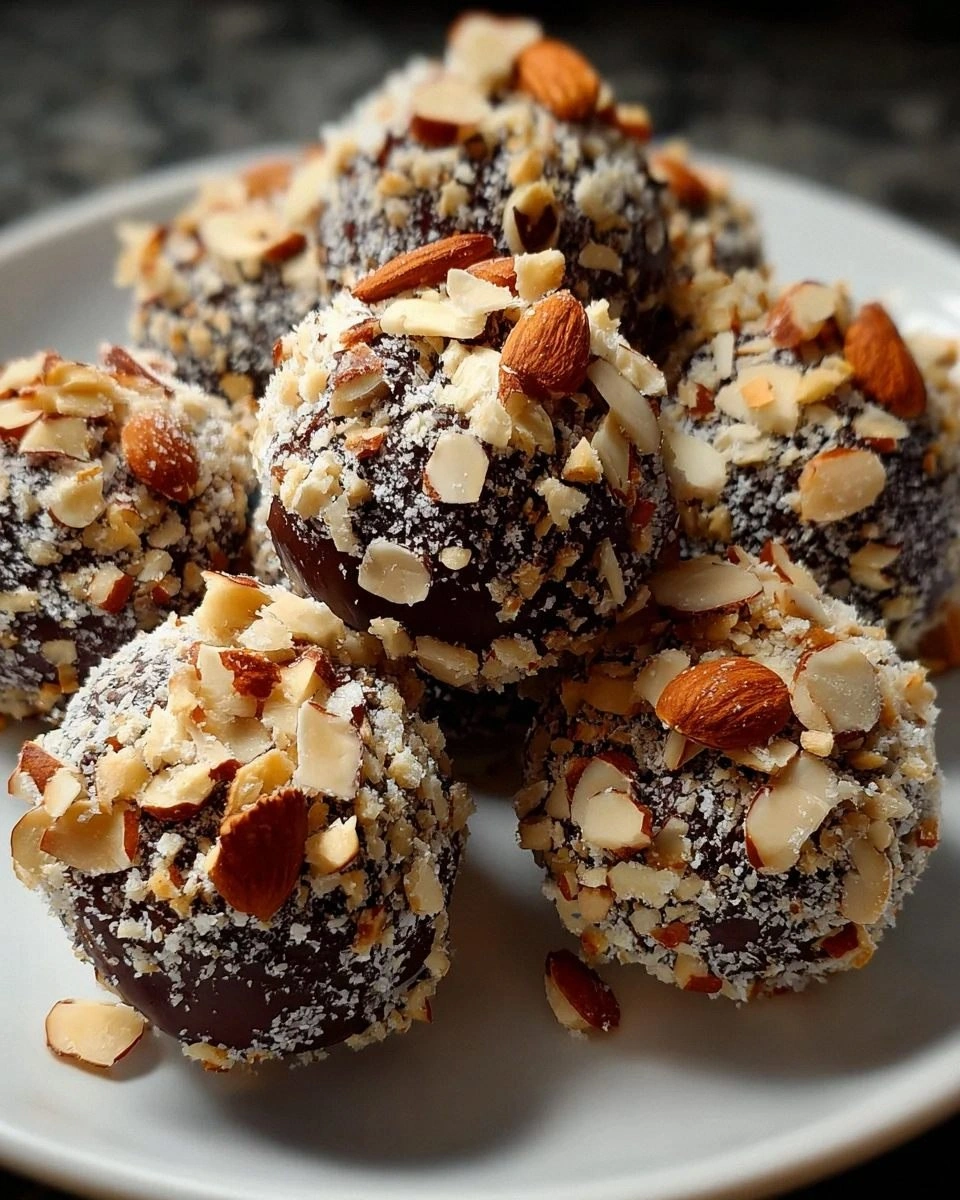
Picture this: the kitchen filled with the intoxicating aroma of chocolate melting slowly, a faint nutty perfume from toasted almonds dancing in the air, and the subtle, buttery scent of ricotta warming gently on the stovetop. My ears were alive with the soft hiss of the double boiler, a comforting sizzle that promised something magical was brewing. My hands felt the weight of the wooden spoon, the coolness of the stainless steel bowl, and the slight resistance of the chocolate as it turned glossy and fluid. When I finally scooped the first bite‑size ball, it glistened like a midnight jewel, and the first taste was a revelation – the ricotta’s silkiness wrapped the chocolate’s intensity in a hug that made my taste buds do a happy dance.
Most recipes get this completely wrong. They either drown the ricotta in a sea of cream, losing the subtle tang, or they over‑sweeten the chocolate, turning the truffle into a cloying candy. This version, however, respects each component, letting the ricotta act as the quiet hero that balances the boldness of the chocolate while adding a luxurious mouthfeel that no heavy cream could ever mimic. The chopped almonds provide a surprise crunch that shatters the smoothness like a perfect cymbal crash in a symphony. I’m daring you to taste this and not go back for seconds – it’s that good.
But there’s a twist you won’t see coming: a splash of vanilla‑bean‑infused espresso that amplifies the chocolate’s depth without overpowering the delicate ricotta. It’s the secret weapon that turns an already amazing truffle into an unforgettable experience. Let me walk you through every single step — by the end, you’ll wonder how you ever made it any other way.
What Makes This Version Stand Out
- Texture: The ricotta creates a fudgy interior that’s softer than ganache yet firm enough to hold its shape, delivering a melt‑in‑your‑mouth sensation that’s impossible to replicate.
- Flavor Balance: Dark chocolate provides the backbone, while ricotta adds a buttery, slightly tangy counterpoint, and almonds introduce a nutty crunch that sings in every bite.
- Simplicity: Only three core ingredients, yet the technique is straightforward enough for a novice but refined enough for a seasoned pastry chef.
- Uniqueness: Using whole‑milk ricotta instead of heavy cream is a game‑changer, giving the truffles a distinct, airy lightness that feels like a secret indulgence.
- Crowd Reaction: These truffles have a reputation for disappearing within minutes at parties; they’re the kind of dessert that sparks compliments and second‑helping requests.
- Ingredient Quality: High‑cocoa dark chocolate and fresh ricotta elevate the flavor profile, making each bite feel like a boutique confectionery.
- Methodology: The double‑boiler technique ensures a glossy, perfectly tempered chocolate coating that doesn’t seize or become grainy.
- Make‑Ahead Potential: Once formed, the truffles keep beautifully in the fridge or freezer, allowing you to prep ahead for events without losing texture.
Inside the Ingredient List
The Flavor Base
The star of the show is dark chocolate. Choose a bar that’s at least 70% cocoa – this ensures a robust, slightly bitter backbone that won’t be drowned out by the ricotta’s creaminess. If you opt for semi‑sweet chocolate, expect a sweeter, less complex profile that can still work but won’t have the same depth. When the chocolate melts, it should become a glossy river, not a grainy paste; this is the hallmark of a well‑tempered ganache. Skipping this step or using low‑quality chocolate will leave you with a dull, waxy coating that feels more like a cheap candy than a sophisticated truffle.
The Texture Crew
Whole‑milk ricotta cheese is the unexpected hero. Its high moisture content and natural creaminess give the truffle its signature fudgy interior without the heaviness of cream. Look for ricotta that’s fresh, with a slightly sweet milky scent; the fresher, the better. If you substitute Greek yogurt or mascarpone, you’ll lose that delicate tang and the texture will become too dense. A pro tip: drain the ricotta through a fine‑mesh sieve for ten minutes to remove excess whey, resulting in an even smoother finish.
The Unexpected Star
Chopped almonds add the crunch that makes each bite a surprise. Toast them lightly in a dry skillet until they turn golden and release a nutty perfume – this step is non‑negotiable because raw almonds can taste bitter. If you’re allergic or simply prefer a different nut, walnuts or hazelnuts work beautifully, but remember each brings its own flavor nuance: walnuts are earthier, hazelnuts are sweeter.
The Final Flourish
A splash of vanilla‑bean‑infused espresso isn’t listed as a primary ingredient, but it’s the secret weapon that elevates the chocolate’s depth. The coffee amplifies the cocoa notes, while the vanilla rounds out any sharp edges, creating a harmonious flavor orchestra. If you’re not a coffee fan, a pinch of sea salt can also deepen the chocolate’s richness without altering the overall profile.
Everything's prepped? Good. Let's get into the real action…
The Method — Step by Step
-
First, set up a double‑boiler: fill a saucepan with a couple of inches of water, bring it to a gentle simmer, and place a heat‑proof bowl on top, making sure the bottom of the bowl never touches the water. This indirect heat is the key to a silky ganache; direct heat would scorch the chocolate, turning it grainy. As the water simmers, add the dark chocolate, broken into small chunks, to the bowl and let it melt slowly, stirring with a silicone spatula. You’ll notice the chocolate turning from opaque to a glossy, fluid sheen – that’s the moment you want to aim for.
Kitchen Hack: Keep a small bowl of ice water nearby; if the ganache gets too thick, a quick splash will bring it back to a perfect rolling consistency. -
While the chocolate is melting, whisk together the whole‑milk ricotta and the espresso‑vanilla infusion in a separate bowl. The mixture should be smooth and slightly airy; use a hand mixer on low speed for 30 seconds to incorporate air without over‑whipping. This aerated ricotta will give the truffle its signature fudgy interior. Taste the blend – you should detect a subtle vanilla sweetness and a faint coffee note that doesn’t dominate but adds intrigue.
-
When the chocolate is fully melted and glossy, remove the bowl from the heat and let it sit for about 30 seconds to cool just enough that it won’t curdle the ricotta. Then, slowly pour the chocolate into the ricotta mixture, folding gently with a spatula. The key here is to combine the two without deflating the air you just introduced; think of it as a delicate marriage where both partners keep their individuality while forming a perfect union.
Watch Out: If the chocolate is too hot, it will seize the ricotta, creating lumps that are impossible to smooth out later. -
Cover the bowl with plastic wrap and refrigerate the mixture for at least 45 minutes, or until it becomes firm enough to scoop. This chilling period is crucial; it allows the fats to solidify, giving you a firm yet pliable dough that holds its shape when rolled. You’ll know it’s ready when a spoonful holds its form without spreading.
-
While the mixture chills, toast the chopped almonds in a dry skillet over medium heat for 3‑4 minutes, stirring constantly. You’ll hear a faint crackle and smell a nutty aroma that signals they’re perfectly golden. Transfer them to a plate and let them cool; this prevents them from steaming and losing their crunch when rolled into the truffles.
Kitchen Hack: If you want extra flavor, toss the toasted almonds with a pinch of sea salt while they’re still warm. -
Once the mixture is firm, use a small ice‑cream scoop or a tablespoon to portion out balls, then roll each ball between your palms to form a smooth sphere. The heat of your hands should be just enough to smooth the surface but not melt the interior. If the mixture sticks, lightly dust your hands with cocoa powder or powdered sugar – this also adds a subtle outer coating.
-
Now comes the fun part: roll each ball in the toasted chopped almonds until fully coated. Press gently so the nuts adhere; the slight pressure creates tiny pockets that will crunch delightfully against the fudgy center. For an extra visual pop, you can drizzle a thin ribbon of melted chocolate over the top of each truffle after they’re coated, but that’s optional.
Watch Out: Don’t over‑coat with almonds; a thin, even layer ensures the truffle stays bite‑size and doesn’t become a nut‑ball. -
Place the finished truffles on a parchment‑lined tray and refrigerate for another 15 minutes to set the coating. This final chill locks in the texture, ensuring each truffle holds its shape when you serve them. As they chill, the aroma will intensify, and you’ll hear the faint rustle of almonds as they settle into the chocolate‑ricotta matrix.
-
That’s it — you did it. But hold on, I’ve got a few more tricks that'll take this to another level. For a glossy finish, give each truffle a quick dip in a thin stream of tempered chocolate right before serving, then let them set on parchment. Or, if you love a little sparkle, dust them with edible gold leaf for a show‑stopping presentation that screams “I’m a professional pastry chef.” Either way, you now have a batch of truffles that will disappear faster than you can say “second helping.”
Insider Tricks for Flawless Results
The Temperature Rule Nobody Follows
Never let the chocolate exceed 115°F (46°C) when mixing with ricotta. Higher temperatures cause the proteins in ricotta to coagulate, creating a grainy texture that ruins the fudgy interior. Keep a candy thermometer on hand and pull the bowl off the heat as soon as the chocolate reaches a glossy, fluid state. This small temperature discipline makes the difference between a truffle that melts on the tongue and one that feels like a gritty paste.
Why Your Nose Knows Best
When the chocolate is fully melted, it emits a deep, roasted cocoa scent. Trust that nose signal: if you smell a faint burnt note, the chocolate is overheating. At that point, remove it from the heat immediately and stir vigorously to cool it down. Your sense of smell is a more reliable gauge than a thermometer for many home cooks, and it prevents the dreaded “seized chocolate” disaster.
The 5‑Minute Rest That Changes Everything
After you’ve combined the chocolate and ricotta, let the mixture sit uncovered for five minutes before refrigerating. This short rest allows tiny air bubbles to rise to the surface, which you can then gently skim off with a spoon. The result is a smoother, more uniform texture that feels like a professional ganache when you roll the truffles.
Almond Toasting Precision
A friend once tried to toast almonds in the oven at 400°F for 12 minutes and ended up with burnt, bitter nuts that overpowered the chocolate. The lesson? A quick stovetop toast over medium heat for 3‑4 minutes is the sweet spot. Keep the nuts moving constantly; they’ll turn golden and release a fragrant aroma that signals perfection.
The “Cold‑Hand” Trick
If you find the truffle mixture sticking to your hands while rolling, chill your palms under cold running water for 10 seconds, then dry them thoroughly. The brief cold shock makes the dough less tacky, allowing you to shape perfect spheres without adding extra flour or cocoa powder that could alter the flavor.
Creative Twists and Variations
This recipe is a playground. Here are some of my favorite ways to switch things up:
Matcha‑Infused Truffles
Swap the espresso‑vanilla infusion for a tablespoon of high‑quality matcha powder. The bright green hue and earthy tea flavor contrast beautifully with the dark chocolate, creating a sophisticated East‑Asian twist that will impress tea lovers.
Spiced Orange Zest
Add a teaspoon of orange zest and a pinch of ground cinnamon to the ricotta mixture before folding in the chocolate. The citrus brightens the deep chocolate, while the cinnamon adds a warm spice note perfect for autumn gatherings.
White Chocolate & Pistachio
Replace the dark chocolate with white chocolate and the almonds with finely chopped pistachios. The resulting truffle is sweet, buttery, and nutty, offering a completely different flavor profile that still benefits from the ricotta’s creaminess.
Chili‑Kick Surprise
Stir a pinch of cayenne pepper or a dash of chipotle powder into the melted chocolate for a subtle heat that tingles the palate. The heat pairs unexpectedly well with the richness of the chocolate, creating a “sweet‑heat” experience that’s unforgettable.
Berry‑Burst Center
Create a small well in each chilled truffle ball and fill it with a spoonful of raspberry jam before coating with almonds. When you bite in, the jam bursts, delivering a tangy contrast that cuts through the fudgy interior.
Storing and Bringing It Back to Life
Fridge Storage
Place the truffles in an airtight container lined with parchment paper. They will keep fresh for up to five days in the refrigerator. For optimal texture, let them sit at room temperature for ten minutes before serving so the chocolate softens slightly.
Freezer Friendly
If you need to make them ahead, freeze the truffles in a single layer on a baking sheet, then transfer to a zip‑top bag. They’ll stay perfect for up to three months. When you’re ready to enjoy them, move the bag to the fridge for an hour, then let them come to room temperature.
Best Reheating Method
To revive a chilled truffle, place it on a microwave‑safe plate, add a tiny splash (about a teaspoon) of water to the plate, and microwave for 5‑7 seconds. The steam gently melts the outer layer without drying out the interior, restoring that melt‑in‑your‑mouth magic.