I was standing in my kitchen, staring at a pan of overcooked shrimp that tasted like rubber, and I swore I would never attempt seafood again. Then a friend dared me: “Make something that even a meat‑lover can’t resist.” I laughed, grabbed a sack of potatoes, and set out to prove that a humble mash could be the perfect stage for a luxurious, garlicky shrimp sauce. The moment the butter hit the hot skillet, a buttery hiss filled the room, followed by the intoxicating perfume of garlic that made my mouth water before the first bite. The shrimp sizzled, turning a gorgeous pink, while the potatoes turned buttery and cloud‑soft, each forkful a cloud of comfort that cradles the sea‑kissed shrimp in a creamy embrace.
What makes this dish unforgettable is the balance of textures: the creamy, velvety mash, the tender yet slightly crisp shrimp, and the glossy, cheesy sauce that clings to everything like a second skin. Most recipes either drown the shrimp in a watery broth or leave the potatoes dry and crumbly. I dared to blend heavy cream, chicken broth, and Parmesan into a sauce that’s richer than a restaurant’s butter sauce yet still bright enough to let the shrimp shine. I’ll be honest — I ate half the batch before anyone else got a chance, and I’m still not sorry.
Picture yourself at the end of a long day, pulling this dish from the stove, the whole kitchen smelling like a seaside bistro mixed with a cozy farmhouse. The steam rises, the parsley glitters like emerald confetti, and you’re faced with a plate that looks like a culinary hug. I dare you to taste this and not go back for seconds; the combination is so addictive you’ll start dreaming about it. This version is hands down the best you’ll ever make at home, and I’m about to spill every secret that makes it sing.
Let me walk you through every single step — by the end, you’ll wonder how you ever made it any other way. Okay, ready for the game‑changer? This next part? Pure magic.
What Makes This Version Stand Out
- Flavor Explosion: The garlic‑infused broth and Parmesan create a sauce that’s both savory and slightly sweet, coating the shrimp like velvet.
- Texture Harmony: Creamy mashed potatoes meet shrimp that’s perfectly tender with just a hint of caramelized edge.
- Simplicity: Only eleven ingredients, all pantry‑friendly, and you’re done in under an hour.
- Uniqueness: Most shrimp‑over‑potato dishes either drown the shrimp in sauce or leave the mash dry; this one hits the sweet spot.
- Crowd Reaction: Guests constantly ask for the recipe, and the “wow” factor is instant.
- Ingredient Quality: Using fresh, large shrimp and real butter makes the dish feel luxurious without breaking the bank.
- Cooking Method: A quick sear followed by a deglaze locks in flavor and prevents soggy potatoes.
- Make‑Ahead Potential: You can prep the mash a day ahead and reheat; the shrimp stays fresh when cooked last minute.
Inside the Ingredient List
The Flavor Base
The garlic and chicken broth are the heart of the sauce. Freshly minced garlic releases allicin, a compound that adds a pungent, aromatic kick that’s impossible to replicate with powder. The broth adds depth, a savory umami that lifts the shrimp without overwhelming it. If you skip the broth, the sauce will feel flat, and you’ll miss that restaurant‑level richness.
The Texture Crew
Potatoes, butter, heavy cream, and milk are the quartet that turns ordinary spuds into cloud‑soft mash. Russet potatoes have a high starch content, which breaks down into a silky texture when mashed. Butter and cream add richness, while a splash of milk loosens the mixture just enough to keep it spreadable. Forgetting the butter? You’ll end up with a dry, chalky mash that screams “leftover.”
The Unexpected Star
Parmesan cheese is the surprise element that brings a nutty, salty depth to the sauce. Its crystalline structure melts into the broth, creating a glossy finish that clings to each shrimp. If you substitute with a milder cheese, you’ll lose that subtle bite that makes the dish unforgettable. A tip: grate the cheese fresh; pre‑grated varieties contain anti‑caking agents that can affect texture.
The Final Flourish
Fresh parsley adds a pop of color and a bright, herbaceous finish that cuts through the richness. It’s the visual cue that says “I care about flavor.” If you don’t have parsley, chives or basil work, but they’ll shift the flavor profile toward oniony or sweet, respectively. A pinch of salt and pepper ties everything together, so don’t skimp on seasoning.
Everything's prepped? Good. Let's get into the real action…
The Method — Step by Step
Start by peeling and dicing the potatoes into uniform 2‑inch chunks. Place them in a large pot, cover with cold water, add a generous pinch of salt, and bring to a boil. Once boiling, reduce to a gentle simmer and cook until the potatoes are fork‑tender, about 15‑20 minutes. Drain well and return to the pot; this is where the magic begins.
While the potatoes cook, heat a large skillet over medium‑high heat and add the olive oil. When the oil shimmers, toss in the minced garlic and let it sizzle for 30 seconds—watch that golden edge, that’s the flavor foundation forming.
Add the shrimp to the pan in a single layer. Let them sear untouched for about 1½ minutes per side; you’ll hear a subtle sizzle that signals a perfect sear. Watch Out: Overcooking shrimps turns them rubbery, so as soon as they turn pink and start to curl, they’re done. Remove the shrimp and set aside while you build the sauce.
Deglaze the pan with the chicken broth, scraping up all the browned bits—those are flavor gold. Let the broth reduce by half, about 3‑4 minutes, until it’s slightly thickened and aromatic. This reduction step is the secret that prevents a watery sauce later.
Stir in the heavy cream, milk, and butter, whisking until the sauce becomes glossy and begins to thicken. Add the grated Parmesan and keep stirring until it melts completely, creating a velvety, cheese‑laden river that will coat the potatoes like satin. Season with salt and pepper to taste; remember, the Parmesan already adds salt, so taste first.
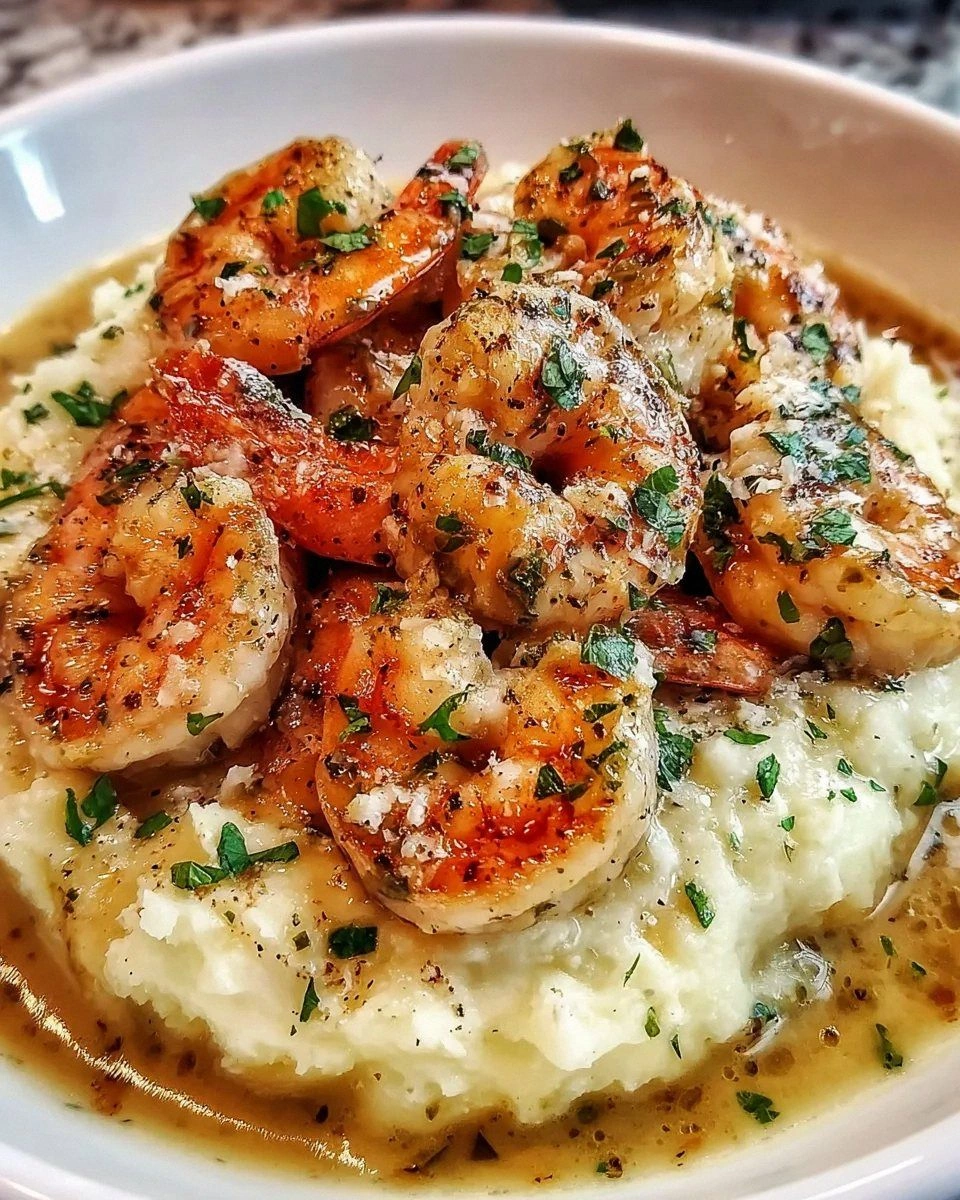
Return the shrimp to the pan, letting them bathe in the sauce for another minute so they reabsorb the buttery goodness. Sprinkle the chopped parsley over the top, giving the dish a fresh, herbaceous finish that brightens the richness.
Meanwhile, mash the boiled potatoes with a potato masher or ricer, adding the remaining butter, a splash of heavy cream, and a pinch more salt. Beat until smooth, but don’t over‑mix; you want a fluffy texture, not a gluey paste. Taste and adjust the seasoning, then spoon the mash onto serving plates, creating a plush bed for the shrimp.
Plate the shrimp sauce over the mashed potatoes, letting the sauce cascade down the sides. Garnish with an extra sprinkle of parsley for visual pop. Serve immediately, and watch your guests dive in with gleeful anticipation. That sizzle when it hits the pan? Absolute perfection.
That's it — you did it. But hold on, I've got a few more tricks that'll take this to another level…
Insider Tricks for Flawless Results
The Temperature Rule Nobody Follows
Never start the shrimp in a cold pan. A hot skillet creates an instant sear that locks in juices. I once tried a “slow‑start” method and ended up with soggy shrimp that fell apart. The rule: preheat the oil until it shimmers, then add the shrimp and listen for that first pop.
Why Your Nose Knows Best
Your sense of smell is a better timer than any clock when it comes to the sauce. When the broth reduces, you’ll notice a sweet, caramelized aroma rising from the pan. That’s the cue to add the cream; if you wait too long, the sauce will be too thick, if you add it too early, it’ll be thin.
The 5‑Minute Rest That Changes Everything
After mashing the potatoes, let them sit covered for five minutes. This rest allows the steam to redistribute moisture, giving you a fluffier mash. One friend tried to serve immediately and complained the potatoes were gummy—lesson learned.
Butter‑First, Then Cream
Adding butter before the cream creates an emulsion that prevents the sauce from separating. If you dump cream first, the butter may clump, leaving a greasy film. The order matters; think of it as building a bridge, layer by layer.
Season in Layers
Season the potatoes, the shrimp, and the sauce separately. This layered seasoning ensures every bite is balanced. I once under‑salted the potatoes and over‑salted the sauce, resulting in a confusing flavor profile. Keep a small bowl of sea salt handy and taste as you go.
Creative Twists and Variations
This recipe is a playground. Here are some of my favorite ways to switch things up:
Spicy Cajun Kick
Add a teaspoon of Cajun seasoning to the shrimp before searing and a dash of hot sauce to the sauce. The heat pairs beautifully with the cool mash, creating a southern‑style comfort dish that’ll wow spice lovers.
Herb‑Infused Green Mash
Blend a handful of fresh spinach or kale into the potatoes before mashing, and finish with a sprinkle of chives instead of parsley. The green hue adds visual drama and a subtle earthiness.
Lemon‑Garlic Zing
Stir in the zest and juice of one lemon into the sauce right before serving. The citrus brightens the richness and adds a seaside vibe that feels like a summer dinner on the porch.
Mushroom Medley
Sauté sliced cremini or shiitake mushrooms with the garlic, then proceed as usual. The umami from the mushrooms deepens the sauce, making it even more indulgent.
Cheese‑Lover’s Dream
Swap half of the Parmesan for Gruyère or aged Cheddar. The meltier cheese creates a silkier sauce, and the flavor profile shifts toward a nutty, slightly sweet note.
Storing and Bringing It Back to Life
Fridge Storage
Place the mashed potatoes in an airtight container and the shrimp sauce in a separate jar. Store both for up to 3 days. When reheating, gently warm the sauce over low heat, stirring constantly, and add a splash of milk to restore creaminess.
Freezer Friendly
Freeze the mashed potatoes in a freezer‑safe bag, flattening them for even thawing. The shrimp sauce can be frozen in a sealed container for up to 2 months. Thaw overnight in the fridge, then reheat as described, adding a drizzle of water or broth to loosen the sauce.
Best Reheating Method
Use a skillet over medium‑low heat for the sauce and a microwave for the mash (covered with a damp paper towel). Add a tiny splash of water or broth to the mash before microwaving; the steam brings it back to that fluffy perfection.