It was a Tuesday night, the kind of night where the fridge feels like a museum of forgotten leftovers and the stove is just a lonely, humming appliance that has never seen a recipe that truly speaks to it. I was rummaging through the pantry, half‑expecting to find a can of beans or a bag of frozen peas, when a jar of lime zest caught my eye, glinting like a promise. My friend had dared me to whip up something that would make her taste buds do a double tap, and I, ever the culinary risk‑taker, decided that tofu would be the star of the show. The moment the tofu hit the pan, the kitchen filled with a faint, sweet aroma of coconut and citrus, and I knew I was onto something.
Picture the tofu, thick and dense, coated in a golden glaze that shimmers like a freshly polished trophy. The sizzle that erupts as the oil hits the hot surface is a symphony—crackling, popping, a tiny firework of flavor. The air is thick with the scent of garlic and ginger, their sharpness cutting through the mellow coconut milk. A splash of lime juice later, and the whole room feels like a tropical breeze, the citrus notes dancing on your tongue. I swear, that sizzle is the kitchen's way of saying, “You’re doing this right.”
This version of Coconut Lime Tofu is hands down the best iteration you'll ever make at home because it marries a velvety coconut base with a zesty lime finish, all while giving you a tofu texture that’s crispy on the edges and pillowy inside. It’s not just a dish; it’s a culinary revelation that turns a humble protein into a showstopper. The secret lies in the balance of sweet maple syrup and salty soy sauce, which create a sauce that coats the tofu like velvet, while the fresh ginger adds a subtle heat that lingers. Most recipes get this completely wrong by either over‑cooking the tofu or under‑seasoning the sauce, but here, every component sings in perfect harmony.
I dare you to taste this and not go back for seconds. If you've ever struggled with tofu, you're not alone— and I've got the fix. Picture yourself pulling this out of the pan, the whole kitchen smelling incredible, and knowing that every bite is a burst of tropical sunshine. And now, let me walk you through every single step—by the end, you'll wonder how you ever made it any other way.
What Makes This Version Stand Out
- Taste: The sauce balances sweet, salty, and acidic notes, creating a complex flavor profile that’s both comforting and adventurous. It’s a dance of maple syrup, soy sauce, and lime that lingers on the palate.
- Texture: The tofu is pan‑seared to a crisp golden crust, yet the interior remains tender and airy, thanks to careful oil usage and gentle heat.
- Ingredient Quality: Fresh, high‑quality coconut milk and lime juice are essential; they give the sauce depth and a bright, clean finish that processed versions can’t match.
- Method Simplicity: With fewer than ten steps and no pre‑marinating, this recipe is approachable for beginners and efficient for seasoned cooks.
- Crowd Reaction: Friends who have tried other tofu dishes often say this is the only one that makes them ask for seconds, proving its crowd‑pleasing power.
- Make‑Ahead Potential: The sauce can be prepared a day in advance, and the tofu can be reheated without losing its crispy edges, making it ideal for meal prep.
Inside the Ingredient List
The Flavor Base
The foundation of this dish is the sauce, a luscious blend of coconut milk, lime juice, soy sauce, maple syrup, and a whisper of cornstarch to thicken. The coconut milk brings a creamy body that carries the other flavors, while the lime juice injects a bright, tangy punch that cuts through the richness. Soy sauce adds umami depth, and maple syrup balances everything with a subtle sweetness that lingers. If you skip the coconut milk, the sauce loses its silky texture and becomes more like a broth.
For the best flavor, choose full‑fat coconut milk; its higher fat content creates a richer, more indulgent sauce. If you prefer a lighter version, you can substitute light coconut milk, but be prepared for a thinner consistency that might need more cornstarch.
The Texture Crew
Extra‑firm tofu is the star of the show, delivering a hearty bite that holds up to the sauce. The tofu’s density allows it to absorb flavors without disintegrating. Cutting the tofu into even cubes ensures uniform cooking; uneven pieces will cook at different rates, leading to a less satisfying bite.
If you’re in a rush, pre‑cut tofu from a store that offers pre‑sliced blocks. However, for maximum freshness, slice the tofu yourself. A small trick: lightly dust the tofu cubes with cornstarch before frying. This creates a fine, crisp crust that protects the tofu from absorbing too much liquid.
The Unexpected Star
Fresh ginger and garlic are the aromatic backbone of the sauce. Ginger adds a peppery warmth that pairs beautifully with the lime’s acidity, while garlic delivers a savory depth that anchors the dish. Together, they create a flavor profile that feels both exotic and familiar.
For those who love heat, a pinch of red pepper flakes can be added during the sauté stage. This gives the dish a subtle kick that complements the sweetness without overwhelming it.
The Final Flourish
Fresh cilantro, chopped at the last moment, adds a bright, herbal note that lifts the dish. The cilantro’s citrusy undertones echo the lime, tying the flavors together. A squeeze of lime juice right before serving brightens the sauce and adds a final burst of freshness.
When selecting cilantro, look for bright green leaves with a fresh scent. Avoid wilted or yellowing leaves, as they can bring a bitter taste to the dish.
Everything's prepped? Good. Let's get into the real action...
The Method — Step by Step
- Press and Cube: Place the tofu block between paper towels and a heavy skillet, pressing gently for 10 minutes to remove surface moisture. After pressing, cut the tofu into even 1‑inch cubes. This step is crucial for achieving that coveted crispy exterior. I swear, the texture difference is like comparing a smooth jazz track to a rough, scratchy vinyl.
- Dust with Cornstarch: Lightly coat each tofu cube with cornstarch, shaking off any excess. This creates a fine, crisp layer that locks in flavor. The cornstarch also helps the tofu brown beautifully. If you skip this step, the tofu will stay soft and may soak up too much sauce.
- Pan‑Sear the Tofu: Heat 1 tablespoon of coconut oil in a large skillet over medium‑high heat. Add the tofu cubes in a single layer, letting them sear undisturbed for 3–4 minutes on each side until golden brown. Turn them gently with a spatula to avoid breaking. The sizzling sound is music to any cook’s ears, and it signals that the tofu is ready.
- Set Aside: Once browned, transfer the tofu to a plate lined with paper towels to drain any excess oil. This keeps the tofu from becoming soggy when you add the sauce. Let the tofu rest for a minute; the flavors will settle, giving you a more harmonious bite.
- Saute Aromatics: In the same skillet, reduce heat to medium and add the diced red onion. Sauté for 2 minutes until translucent. Add minced garlic and fresh ginger, cooking for another minute until fragrant. The aroma should fill the kitchen, creating a sensory prelude to the sauce.
- Deglaze and Simmer: Pour in 13.5 ounces of full‑fat coconut milk, stirring to scrape up any browned bits from the pan. Add 0.25 cup lime juice, 2 tablespoons soy sauce, 1 tablespoon maple syrup, and 1 teaspoon cornstarch dissolved in a tablespoon of water. Bring the mixture to a gentle simmer, letting it thicken into a glossy sauce. The cornstarch slurry ensures a silky finish without clumps.
- Return Tofu: Gently fold the browned tofu cubes back into the sauce, coating them evenly. Let the tofu simmer in the sauce for 4–5 minutes, allowing the flavors to meld. The tofu should absorb the sauce’s brightness without becoming mushy.
- Finish with Cilantro and Pepper: Stir in 2 tablespoons of chopped fresh cilantro and a pinch of red pepper flakes for a subtle heat. Give the dish one final stir, then remove from heat. Let it rest for a minute; the sauce will thicken slightly, creating a luxurious coating.
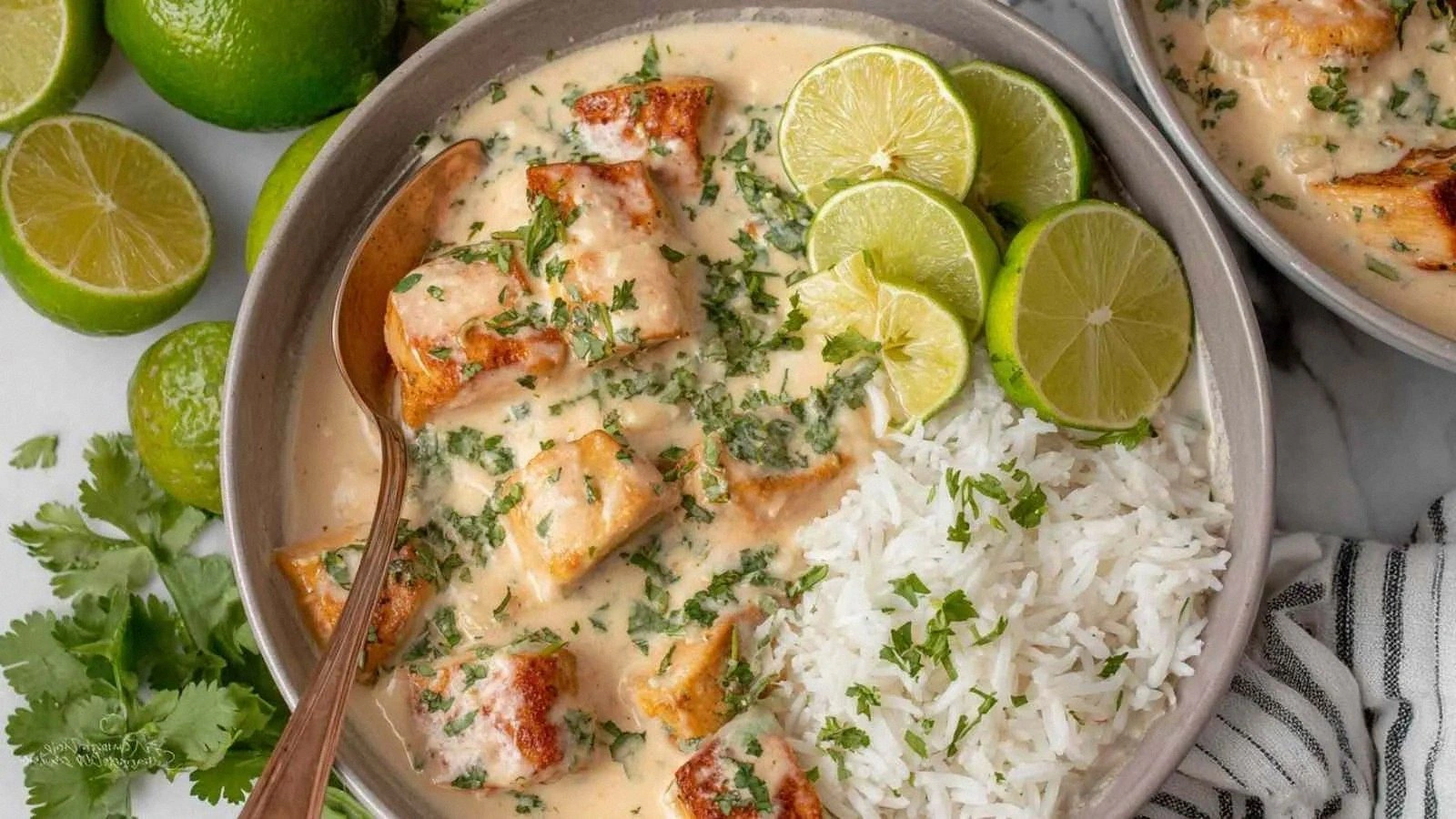
- Serve: Plate the tofu over a bed of cooked rice, drizzling any remaining sauce on top. Garnish with extra cilantro if desired. The dish should look vibrant, with a glossy, amber‑golden sauce that glistens. Enjoy the moment as the steam rises, the aroma envelops the room, and the first bite delivers a burst of tropical flavor.
That's it — you did it. But hold on, I've got a few more tricks that'll take this to another level. The next section will reveal insider tips that will elevate your dish from great to unforgettable.
Insider Tricks for Flawless Results
The Temperature Rule Nobody Follows
Many cooks think medium heat is the sweet spot for tofu, but the real magic happens at medium‑high heat during the sear. This higher temperature creates a caramelized crust that locks in moisture. If you lower the heat, the tofu will steam rather than sear, leading to a soggy texture. I once tried this and the tofu collapsed into a mushy blob—don’t let that happen to you.
Why Your Nose Knows Best
Before you add the lime juice, give the sauce a quick sniff. The aroma should be bright and citrusy. If it smells off or too “coconut,” the milk might be old or the lime juice too weak. Freshness is key; a bad smell is a warning sign that your sauce will taste flat.
The 5‑Minute Rest That Changes Everything
After removing the tofu from the pan, let it rest on a paper‑towel‑lined plate for five minutes. This allows the surface to dry and the flavors to settle, so the tofu stays crispy when you reintroduce it to the sauce. A friend once skipped this step and ended up with tofu that was greasy and soggy—lesson learned.
Red Pepper Flakes: A Dash of Drama
Adding red pepper flakes is optional, but it introduces a subtle heat that balances the sweetness. Sprinkle them in during the final stir, and watch as the sauce takes on a lively, almost playful edge. If you’re heat‑averse, you can leave them out entirely; the dish still shines.
Garnishing with Fresh Cilantro
Fresh cilantro is more than a garnish; it’s a flavor enhancer. The bright green leaves add a fresh, almost citrusy note that cuts through the richness of coconut milk. Chop the cilantro just before serving to preserve its aroma.
Creative Twists and Variations
This recipe is a playground. Here are some of my favorite ways to switch things up:
Spicy Peanut Twist
Swap the soy sauce for a splash of peanut sauce and add a spoonful of creamy peanut butter. The nutty undertone pairs beautifully with the lime, creating a Southeast Asian-inspired flavor that will have your friends asking for a spoonful of the sauce.
Herb‑Infused Coconut Lime
Add a handful of fresh basil or mint to the sauce during the simmer. The herbs bring a refreshing, aromatic layer that complements the lime’s brightness, perfect for a light summer meal.
Vegetable Medley
Incorporate diced bell peppers, snow peas, or broccoli into the sauté. The vegetables add crunch and color, turning the dish into a wholesome, balanced plate.
Protein Swap: Tempeh or Seitan
For a different protein texture, replace tofu with tempeh or seitan. Tempeh will bring a nutty flavor, while seitan offers a chewy, meat‑like bite that pairs well with the sauce.
Gluten‑Free Variation
Use tamari instead of soy sauce to keep the dish gluten‑free. The flavor profile remains similar, but you’ll be able to enjoy the dish without worrying about gluten.
Breakfast Bonanza
Serve the tofu over a bowl of quinoa or rice noodles, topped with a sunny‑side‑up egg. The combination of savory tofu, creamy sauce, and runny yolk makes for a breakfast that feels indulgent yet balanced.
Storing and Bringing It Back to Life
Fridge Storage
Cool the dish completely before transferring it to an airtight container. Store in the refrigerator for up to 3 days. The tofu may soften slightly, but the sauce will keep its richness. When reheating, add a splash of coconut milk to restore moisture.
Freezer Friendly
Pack the tofu and sauce separately in freezer bags. The tofu can be frozen for up to 2 months; the sauce, however, should be stored for no longer than 1 month to maintain flavor integrity. Thaw overnight in the refrigerator before reheating.
Best Reheating Method
Reheat the tofu and sauce together on the stove over medium heat. Stir frequently, adding a small splash of water or coconut milk to keep the sauce from thickening too much. The goal is to warm the dish evenly without drying out the tofu.