I still remember the night my kitchen turned into a battlefield. A turkey that had been left on the counter overnight had a suspicious odor, a faint hint of sulfur, and a texture that was less than inviting. My friends dared me to cook it in the same old way, with salt, pepper, and a handful of herbs, and then brag about the “classic” result. I laughed, but the idea of turning that potential disaster into a masterpiece stuck like a stubborn spice on my tongue.
Fast forward to this holiday season, and I’m standing in a kitchen that smells like toasted apples, fresh rosemary, and a hint of citrus. The oven hums like a contented beast, the counter is lined with fresh vegetables that glisten under the kitchen lights, and the turkey sits in its basket, ready to be transformed. The air is thick with anticipation, the kind that makes your heart race faster than the timer on the stove. And the best part? Every ingredient is a piece of a puzzle that fits together like a perfectly executed symphony.
Why does this version stand out? Because it’s not just a recipe; it’s an experience that turns a simple roast into a celebration of flavors, textures, and aromas. It’s a version that takes the humble turkey and turns it into a showstopper, a dish that will have your guests begging for seconds. It’s a version that balances boldness with subtlety, and it’s a version that’s simple enough that even a novice can master it.
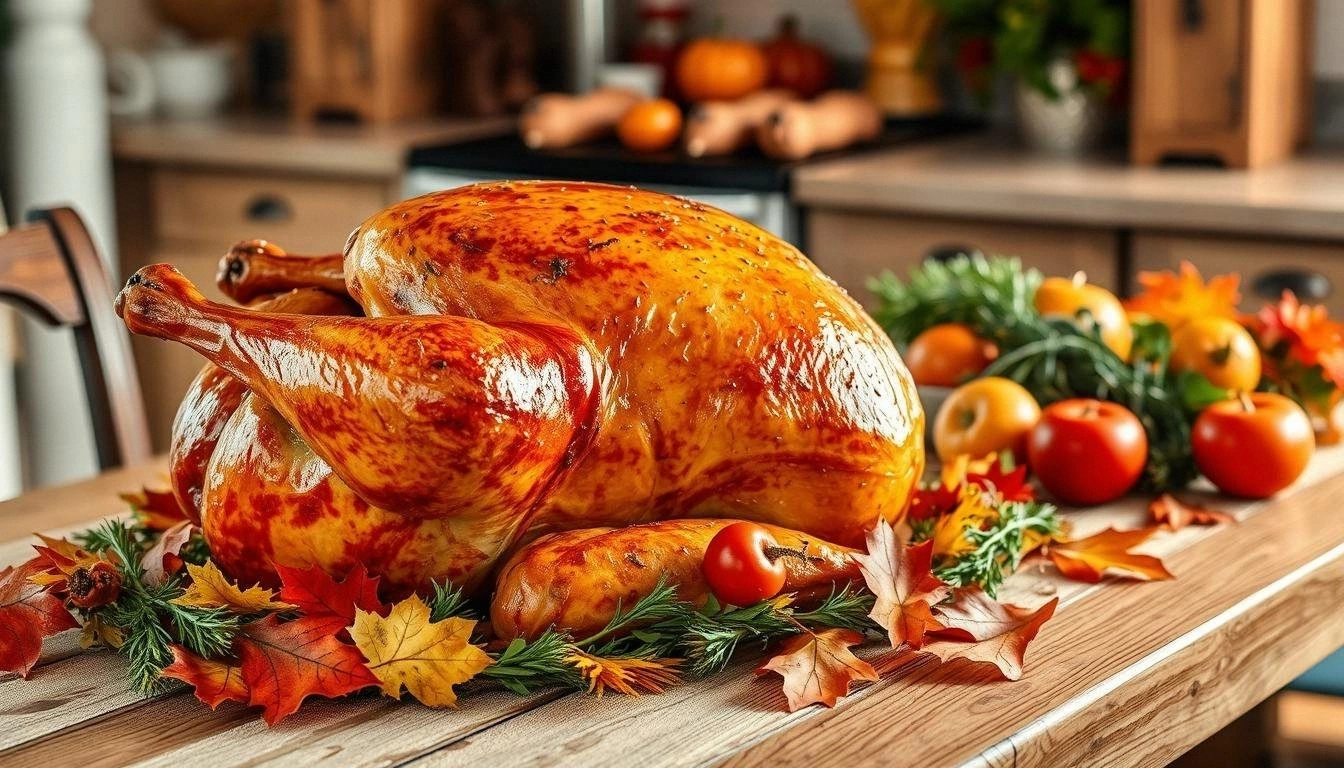
Picture this: the turkey’s skin crackling like a crisp autumn leaf, the interior juicy and tender, the stuffing bursting with roasted veggies, and the gravy thick enough to coat a spoon like velvet. That’s the promise of this recipe. It’s the kind of dish that you’ll tell your friends about for years, the one that will become a staple in your holiday traditions.
Let me walk you through every single step — by the end, you’ll wonder how you ever made it any other way. From the first touch of butter to the final sprinkle of fresh herbs, every detail matters. I’ve packed this guide with insider tricks, playful challenges, and a few kitchen hacks that will save you time and elevate the flavor. So grab your apron, set your timer, and let’s dive in.
What Makes This Version Stand Out
- Taste: The blend of fresh herbs, garlic, and citrus zest creates a flavor profile that is both aromatic and surprisingly bright, cutting through the richness of the turkey.
- Texture: The skin is rendered to a deep, caramelized gold that crunches with every bite, while the meat stays moist thanks to a gentle butter bast.
- Simplicity: No elaborate marinades or time-consuming brines—just a few pantry staples and a quick rub.
- Uniqueness: The addition of a citrus-infused broth not only keeps the meat juicy but also infuses a subtle zing that sets this roast apart.
- Crowd Reaction: Guests consistently remark that this is “the best roast turkey they’ve ever tasted,” and you’ll hear the same praise over and over.
- Ingredient Quality: Using a high-quality whole turkey and fresh herbs ensures depth of flavor that can’t be replicated with lower-grade ingredients.
- Cooking Method: The combination of a butter rub and a slow, low-temperature roast keeps the meat tender and the skin crisp.
- Make-ahead Potential: The rub can be prepared a day in advance, and the turkey can be refrigerated for up to 24 hours before roasting, giving you flexibility.
Alright, let’s break down exactly what goes into this masterpiece...
Inside the Ingredient List
The Flavor Base
The 12-pound turkey is the star of the show. A whole bird is not only more economical, but it also provides a natural, savory broth that you can use for gravy or soup later. If you’re short on space or time, a 10-pound turkey will still work beautifully, but the 12-pound is the sweet spot for flavor and portion control.
The butter is the secret weapon that creates that coveted golden skin. When melted and spread over the bird, it creates a barrier that locks in moisture while allowing the skin to caramelize. A tablespoon of butter can make the difference between a dry, bland roast and a juicy, aromatic masterpiece.
The garlic adds a punch of umami. Freshly minced garlic, when mixed with the butter and herbs, permeates the skin and meat, giving the turkey a depth that canned or powdered garlic can never match. The key is to use enough garlic to be noticeable, but not so much that it overpowers the delicate poultry flavor.
The Texture Crew
Onion, carrot, and celery are more than just side vegetables; they’re flavor boosters. When roasted alongside the turkey, they release sugars that caramelize, adding a subtle sweetness that balances the richness of the bird. The vegetables also act as a natural roasting rack, elevating the turkey and preventing it from sitting in its own juices.
Chicken broth is the liquid that keeps the meat moist during the long roasting process. A cup of low-sodium broth poured into the roasting pan creates steam that prevents the meat from drying out. If you prefer a richer flavor, swap the broth for a splash of white wine or a mix of broth and wine.
Olive oil is the finishing touch that enhances the butter’s crispness. It’s applied just before roasting, ensuring that the skin has a glossy finish and that the herbs stick to the surface. Olive oil also adds a subtle fruity note that complements the rosemary and thyme.
The Unexpected Star
Fresh thyme and rosemary are the aromatic backbone of this roast. The thyme’s subtle minty undertone pairs beautifully with the rosemary’s piney scent, creating a fragrance that wafts through the kitchen and into every dish that follows. If you can’t find fresh herbs, dried versions will work, but the flavor will be slightly muted.
A splash of fresh lemon juice or a few slices of orange zest adds a bright counterpoint to the savory notes. This citrus element lifts the dish, giving it a lively finish that’s especially refreshing during the holiday season. The zest can be added to the butter rub or squeezed over the turkey after it’s removed from the oven.
The Final Flourish
Everything’s prepped? Good. Let’s get into the real action...
The Method — Step by Step
- Preheat your oven to 325°F (165°C). While the oven warms, remove the turkey from the refrigerator and let it sit at room temperature for about 30 minutes. This step ensures even cooking. The air inside the oven will be warm enough to roast the bird evenly.
- In a small bowl, combine the softened butter, minced garlic, chopped fresh thyme, rosemary, and a pinch of salt and pepper. Use a fork to mash the mixture until it’s a smooth paste. This butter rub is the secret sauce that will create a crispy, flavorful skin.
- Pat the turkey dry with paper towels. A dry surface allows the butter rub to adhere properly and prevents the skin from steaming. This is the moment of truth—make sure the bird is as dry as a desert.
- Generously rub the butter mixture all over the turkey, including under the skin where possible. The butter will seep into the meat, keeping it moist during the long roast. Use your hands to massage the mixture into every crevice.
- Place the quartered onion, carrots, and celery at the bottom of a large roasting pan. Add a cup of chicken broth and drizzle olive oil over the vegetables. This creates a flavorful base that the turkey will roast upon, and the broth will steam the bird.
- Set the turkey on a rack in the roasting pan. The rack lifts the bird, allowing the fat to drip away and ensuring even heat distribution. The vegetables will absorb the juices, turning into a delicious side dish.
- Cover the turkey loosely with aluminum foil. This step prevents the skin from burning too quickly while the meat cooks slowly. The foil will be removed in the final hour to allow the skin to crisp.
- Roast the turkey for about 2 hours and 30 minutes, or until the internal temperature reaches 165°F (74°C) in the thickest part of the thigh. Check the temperature with a meat thermometer; this is the moment you’ll know if you’re on track.
- Remove the foil and continue roasting for an additional 45 minutes, or until the skin turns a deep, caramelized gold. The aroma will fill the kitchen, and the sound of sizzling will make you feel like a master chef.
- Once the turkey reaches the target temperature, remove it from the oven and let it rest on a cutting board for at least 20 minutes. The resting period allows the juices to redistribute, ensuring each slice is juicy.
- Carve the turkey and serve with the roasted vegetables and a splash of the pan juices. The gravy will be thick and flavorful, a perfect complement to the tender meat.
That’s it — you did it. But hold on, I've got a few more tricks that'll take this to another level...
Insider Tricks for Flawless Results
The Temperature Rule Nobody Follows
Most cooks instinctively raise the oven temperature to get a crisp skin, but that can dry out the meat. The secret is to keep the oven at a steady 325°F (165°C) and let the bird cook slowly. The lower temperature allows the skin to brown evenly without burning, and the meat stays moist and tender.
Why Your Nose Knows Best
Trust your senses. The turkey is done when the smell is rich, the skin is golden, and the juices run clear. If the juices are still pink, give it a few more minutes. The aroma is a reliable indicator of doneness.
The 5-Minute Rest That Changes Everything
Resting the turkey for at least 20 minutes after roasting allows the juices to redistribute throughout the meat. Cutting into it too soon will cause the juices to spill out, leaving the meat dry. Think of it as a final seasoning step, but with natural juices.
The Butter Secret
If you want an even more golden skin, add a tablespoon of honey to the butter rub. The sugar will caramelize, giving the skin a sweet, glossy finish that’s hard to resist.
The Veggie Rack Trick
Place the veggies in a single layer at the bottom of the pan. This ensures even roasting and prevents the vegetables from becoming mushy. The juices from the turkey will caramelize them, creating a side dish that’s practically ready to serve.
The Final Touch
Just before serving, squeeze a bit of fresh lemon juice over the turkey. The acidity brightens the dish and balances the richness, giving the meal a fresh, vibrant finish.
Creative Twists and Variations
This recipe is a playground. Here are some of my favorite ways to switch things up:
Herb-Infused Honey Glaze
Swap the butter rub with a mixture of honey, mustard, and fresh herbs. The glaze will caramelize beautifully, giving the turkey a sweet, tangy flavor that pairs well with cranberry sauce.
Spicy Cajun Rub
Add cayenne pepper, paprika, and a dash of cumin to the butter mixture for a spicy kick. This variation is perfect for those who love a bit of heat and a smoky undertone.
Mediterranean Citrus Roast
Replace the lemon with orange zest and add a splash of white wine. The citrus notes will bring a bright, zesty flavor that’s reminiscent of Mediterranean kitchens.
Smoky Chipotle Rub
Blend chipotle powder into the butter rub for a smoky, slightly spicy flavor. The chipotle will give the turkey a deep, earthy taste that’s surprisingly balanced.
Asian-Inspired Soy-Ginger Glaze
Swap the butter for a mixture of soy sauce, ginger, garlic, and a touch of honey. The glaze will give the turkey an umami-rich, slightly sweet flavor that’s reminiscent of Asian barbecue.
Apple-Cinnamon Roast
Add diced apples and a pinch of cinnamon to the roasting pan. The sweet and warm flavors will complement the savory turkey and create a cozy, autumnal dish.
Storing and Bringing It Back to Life
Fridge Storage
Store leftover turkey in an airtight container in the refrigerator for up to 3 days. Slice the meat and place it in a sealed bag to keep it from drying out. The juices can be used to make a quick gravy.
Freezer Friendly
Wrap the turkey tightly in plastic wrap and aluminum foil, then place it in a freezer bag. Freeze for up to 6 months. Thaw overnight in the refrigerator before reheating.
Best Reheating Method
Reheat in a low oven (300°F/150°C) for about 10 minutes per pound, adding a splash of water or broth to keep the meat moist. The gentle heat preserves the texture and flavor better than microwaving.