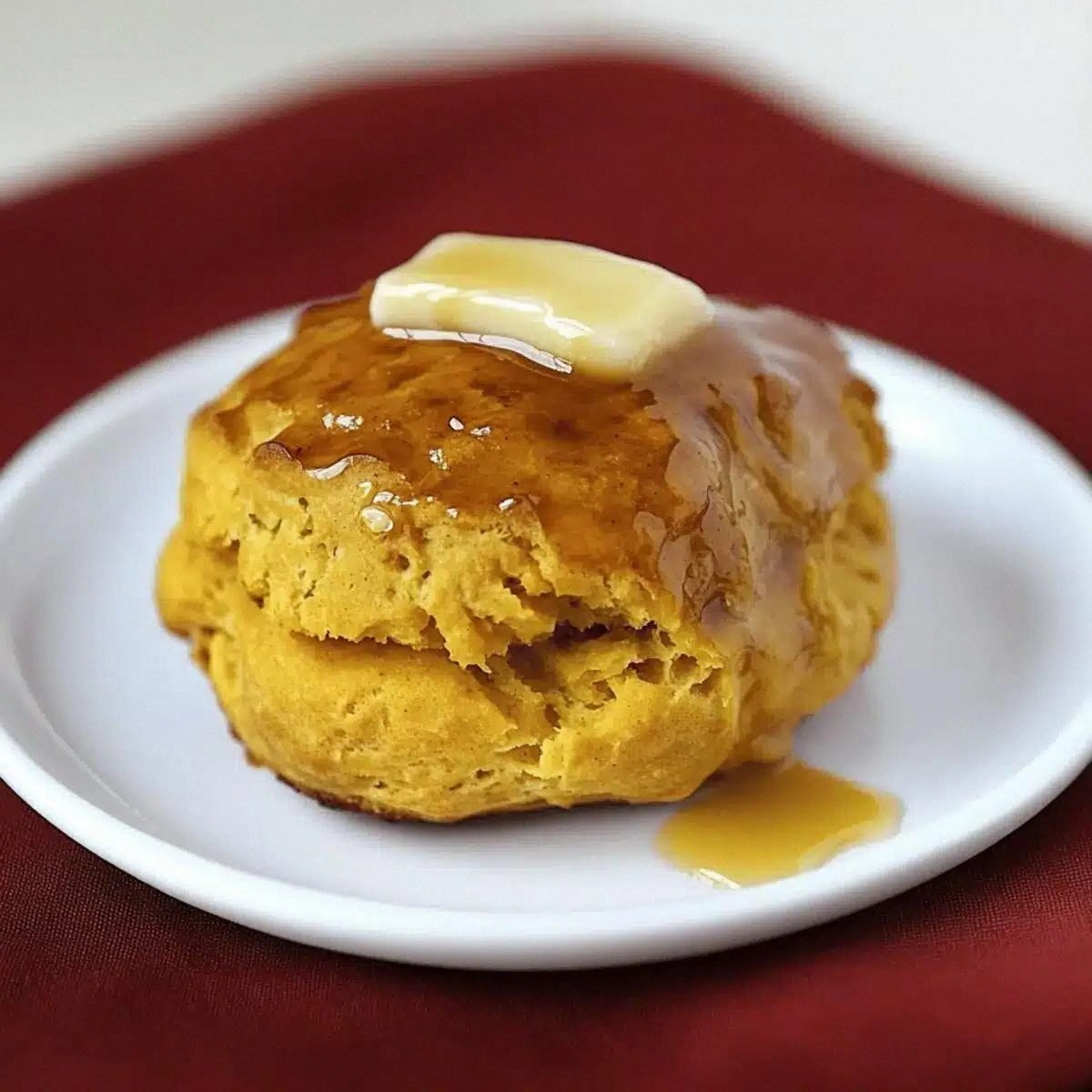
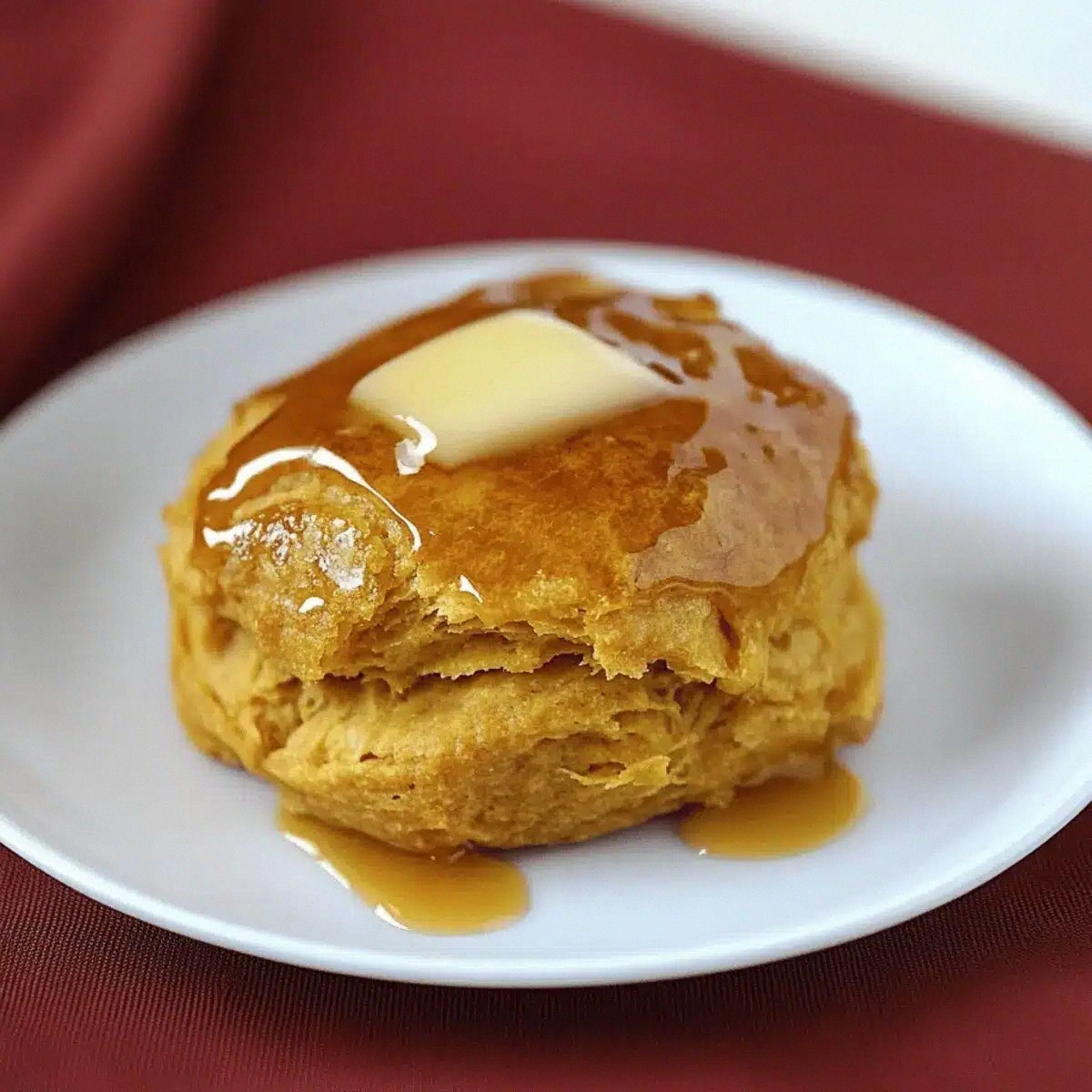
I once burned a batch of pumpkin muffins so badly that the smoke alarm sang a sad lullaby while my cat stared judgmentally from the counter. That disaster sparked a stubborn determination: I would create a pumpkin biscuit that never, ever, betrays you with a dense, gummy center. Picture this: a golden‑brown crown that cracks open like a sunrise, revealing an interior so airy it practically floats. The scent of sweet pumpkin, toasted butter, and a whisper of brown sugar will creep into every corner of your kitchen, making the whole house feel like a cozy cabin tucked in a forest of amber leaves.
What makes this version the ultimate fall morning hero? It’s the marriage of classic biscuit chemistry with a few clever shortcuts that keep the dough light without sacrificing flavor. I’m talking about a buttery base that stays melt‑in‑your‑mouth soft, a subtle tang from buttermilk that lifts the crumb, and a pinch of baking soda that creates those signature fluffy peaks. Most recipes either drown you in pumpkin or leave the biscuit dry as a desert—this one strikes the perfect balance, and I dare you to taste it and not go back for seconds.
I’ll be honest — I ate half the batch before anyone else got a chance to try it, and that’s because the aroma alone feels like a warm hug on a crisp autumn morning. The secret? A splash of cold buttermilk added at just the right moment, and a quick fold that keeps air trapped in the batter like tiny balloons. Most cooks over‑mix and end up with a tough biscuit; I’ll show you why gentle is the new strong in the biscuit world.
Let me walk you through every single step — by the end, you’ll wonder how you ever made it any other way. Okay, ready for the game‑changer? This next part? Pure magic. Stay with me here — this is worth it.
What Makes This Version Stand Out
- Flavor: The pumpkin puree is unsweetened, letting the brown sugar and butter shine without becoming cloyingly sweet. The result is a biscuit that tastes like autumn in a bite.
- Texture: A delicate crumb that rises like a cloud, thanks to the perfect ratio of baking powder to baking soda and the cold butter that creates steam pockets.
- Simplicity: Only eight pantry staples are needed, and every step is designed to be intuitive even for a rookie baker.
- Uniqueness: The buttermilk not only adds tang but also reacts with the soda for that signature lift, a trick most pumpkin biscuit recipes overlook.
- Crowd Reaction: Guests invariably ask for the recipe before the first bite is even taken—trust me, the compliments keep coming.
- Ingredient Quality: Using real pumpkin puree (not canned pie filling) gives an authentic earthiness that artificial flavors can’t match.
- Cooking Method: Baking on a pre‑heated sheet ensures a rapid rise, while the final 5‑minute broil creates a caramelized top that crackles like autumn leaves underfoot.
- Make‑Ahead Potential: These biscuits freeze beautifully; reheat them and they taste as fresh as the day they left the oven.
Inside the Ingredient List
The Flavor Base
All‑Purpose Flour is the neutral canvas that lets the pumpkin’s earthy sweetness take center stage. If you swapped it for whole‑wheat, you’d get a denser crumb and a nuttier flavor that could drown the subtle spice. I recommend sifting the flour twice; it aerates the particles and prevents any unwanted clumps, ensuring a feather‑light texture.
The Sweet Whisper
Brown Sugar adds a molasses‑like depth that white sugar simply can’t provide. Its moisture content keeps the biscuits tender, while the caramel notes complement the pumpkin beautifully. If you’re watching sugar, you can reduce it to 2 tablespoons, but expect a slightly less complex flavor profile.
The Leavening Crew
Baking Powder and Baking Soda work together like a well‑rehearsed duet. The powder gives an initial rise, while the soda reacts with the acidic buttermilk for a second burst of lift. Skipping either will result in a flat, pancake‑like biscuit that lacks that signature puff.
The Texture Crew
Unsalted Butter, when kept cold, creates steam pockets that puff up the dough, while the buttermilk adds a gentle tang and extra moisture. If you replace butter with margarine, the flavor suffers, and the biscuit may turn greasy. For a dairy‑free twist, use a solid coconut oil and a plant‑based cultured “buttermilk,” but expect a subtle coconut undertone.
The Unexpected Star
Unsweetened Pumpkin Puree is the hero that brings color, moisture, and that unmistakable autumn flavor. Using canned puree is fine, but always check the label for added sugars or spices. For the freshest taste, roast a small sugar pumpkin, puree it, and strain any excess water.
The Final Flourish
A pinch of salt amplifies every other flavor, while the tiny amount of baking soda balances the acidity of the buttermilk. Skipping the salt is a rookie mistake; it leaves the biscuit tasting flat, like a song without a chorus. Always taste your batter (before the eggs, of course) and adjust if needed.
Everything's prepped? Good. Let’s get into the real action…
The Method — Step by Step
Preheat your oven to 425°F (220°C) and place a heavy‑duty baking sheet on the middle rack. The high heat creates an instant burst of steam when the dough hits the pan, which is the secret behind that dramatic rise. While the oven warms, line the sheet with parchment paper; this prevents sticking and gives you a perfect golden base. That sizzle when it hits the pan? Absolute perfection.
In a large bowl, whisk together the flour, brown sugar, baking powder, baking soda, and salt. This dry blend ensures the leavening agents are evenly distributed, preventing any pockets of bitterness. If you notice any lumps, give the mixture a quick sift—no one wants a gritty biscuit. Pro tip: a quick flick of the wrist while whisking adds a little aeration, making the final crumb even lighter.
Cut the cold unsalted butter into the dry ingredients using a pastry cutter or two forks. The goal is pea‑size pieces that coat the flour without completely melting. This step is the most satisfying—watch the butter melt into buttery clouds as you work.
Kitchen Hack: If you have a food processor, pulse the butter and flour just two times for an ultra‑even distribution.In a separate bowl, combine the pumpkin puree, melted butter, and buttermilk. Stir gently until the mixture is smooth, then pour it into the dry mixture. As the wet meets the dry, you’ll see a thick, slightly shaggy dough forming.
Watch Out: Over‑mixing at this stage will develop gluten, leading to dense biscuits. Stop mixing as soon as the dough comes together.Turn the dough out onto a lightly floured surface and pat it into a 1‑inch thick rectangle. Resist the urge to roll it too thin; the thickness is what gives the biscuit its lofty interior. Using a sharp biscuit cutter (or a floured glass), cut out rounds without twisting the cutter—twisting compresses the dough and kills the rise.
Place the biscuits on the pre‑heated baking sheet, spacing them about 2 inches apart. For an extra golden edge, brush the tops lightly with melted butter or a quick spray of milk. Slide the sheet into the oven and bake for 12‑15 minutes, or until the tops are a deep amber and a toothpick inserted comes out clean.
For that final caramelized crown, switch the oven to broil for the last 2 minutes. Keep a close eye—once the edges start to crack and turn a rich caramel color, they’re done. This brief broil creates a crackly top that shatters like thin ice when you bite into it.
Remove the biscuits from the oven and let them rest on a wire rack for 5 minutes. This short rest lets the steam finish its job, keeping the interior airy. While they cool, drizzle a tiny drizzle of honey or maple syrup if you crave a touch more sweetness. And now the fun part—serve them warm with butter, jam, or just as they are.
Insider Tricks for Flawless Results
The Temperature Rule Nobody Follows
Never let your butter melt completely before cutting it into the flour. Cold butter creates steam pockets that act like tiny balloons, inflating the biscuit as it bakes. I once left the butter out for ten minutes and ended up with biscuits that resembled dense pancakes. Keep that butter in the fridge until the last possible second, and you’ll get that coveted puff.
Why Your Nose Knows Best
Your sense of smell is the ultimate doneness gauge. When the biscuits turn a deep amber and you catch a sweet, nutty aroma, they’re ready. If you rely solely on a timer, you might pull them out too early, missing that caramelized edge. Trust that nose; it’s the secret weapon of seasoned bakers.
The 5‑Minute Rest That Changes Everything
After baking, let the biscuits sit on a wire rack for exactly five minutes. This short rest allows the interior steam to settle, preventing a soggy bottom. A friend tried to serve them immediately and complained the centers were gummy. Five minutes later, they were firm yet airy—pure bliss.
Don’t Over‑Flour the Surface
A common mistake is to dust the work surface heavily with flour, thinking it prevents sticking. Too much flour gets incorporated into the dough, making it dry and heavy. Lightly flour your hands and the surface, then pat the dough gently; the result is a tender crumb that melts on the tongue.
The Butter‑Brush Finish
A quick brush of melted butter on the biscuit tops before they go into the oven creates a glossy, golden crust that looks as good as it tastes. Skip this step, and you’ll get a paler biscuit that lacks that irresistible sheen. I always keep a small ramekin of melted butter within arm’s reach for this final flourish.
Creative Twists and Variations
This recipe is a playground. Here are some of my favorite ways to switch things up:
Maple‑Glazed Pumpkin Biscuits
Swap the brown sugar for pure maple syrup (use 1/4 cup) and add a teaspoon of vanilla extract. The biscuits will have a subtle maple caramel flavor that pairs perfectly with the pumpkin. Ideal for brunches where you want a touch of elegance.
Spiced Walnut Crunch
Fold in 1/3 cup chopped toasted walnuts and a pinch of ground nutmeg and cinnamon. The nuts add a satisfying crunch, while the spices deepen the autumnal vibe. This variation is a hit with anyone who loves a bit of texture.
Cheddar‑Pumpkin Savory Twist
Replace half the brown sugar with 1/2 cup shredded sharp cheddar and add 1/4 teaspoon smoked paprika. The result is a sweet‑savory biscuit that works beautifully as a side for soups or salads. I serve these at holiday dinners and they disappear in minutes.
Vegan Pumpkin Power
Use coconut oil in place of butter and plant‑based buttermilk (mix 1/2 cup almond milk with 1 tablespoon lemon juice). The flavor shifts slightly toward coconut, but the texture remains light. Perfect for anyone avoiding dairy.
Chocolate Chip Surprise
Add 1/3 cup dark chocolate chips to the batter for a sweet surprise that melts into pockets of gooey chocolate. The bitterness of dark chocolate balances the pumpkin’s sweetness beautifully. Kids love it, adults love it—everyone wins.
Storing and Bringing It Back to Life
Fridge Storage
Place cooled biscuits in an airtight container lined with a paper towel to absorb excess moisture. They’ll stay fresh for up to three days. When you’re ready to eat, reheat them in a 350°F oven for 5‑7 minutes; the crust will revive its crispness.
Freezer Friendly
Arrange the biscuits on a baking sheet, freeze until solid, then transfer to a zip‑top freezer bag. They keep for up to two months. To serve, bake from frozen at 425°F for 12‑15 minutes, adding an extra two minutes if you like a deeper brown.
Best Reheating Method
For the ultimate “just‑out‑of‑the‑oven” feel, sprinkle a tiny splash of water (about a teaspoon) over the biscuits before reheating. The steam revitalizes the interior, while the oven’s dry heat restores the golden crust. No microwave allowed—microwaves make them rubbery.