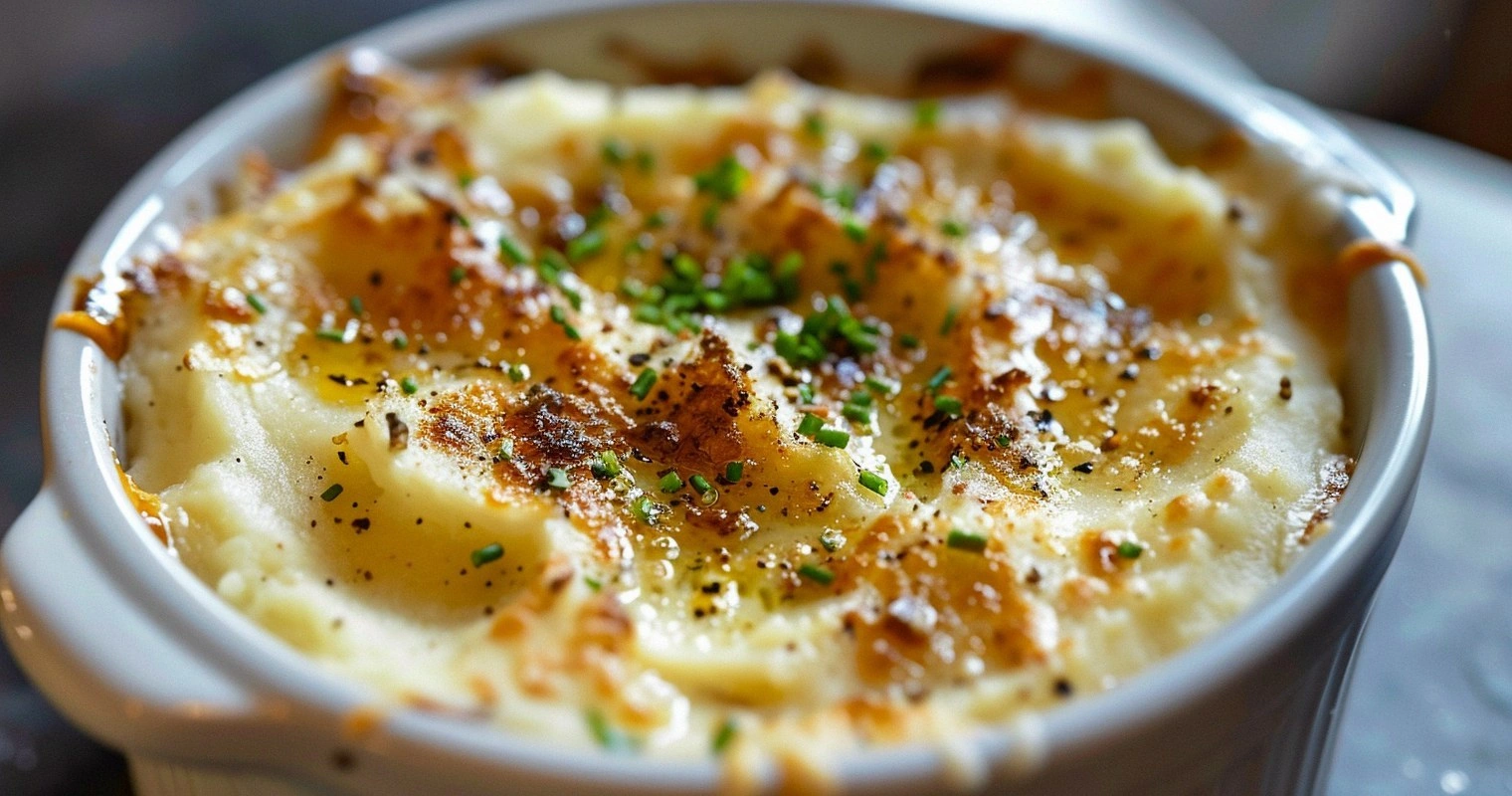
I was in the middle of a frantic weekday dinner when my roommate dared me to “make something that actually looks like it belongs on a Mediterranean beach but also satisfies a carnivore’s cravings.” I laughed, tossed a bag of mixed greens into a bowl, and then, in a moment of sheer culinary rebellion, I threw in a slab of perfectly seared lamb. The result? A Greek salad that didn’t just whisper “summer” – it shouted “feast!” louder than a Greek tavern on a Saturday night. That first bite was a revelation: the crisp cucumber and juicy tomato sang a duet with smoky, herb‑kissed meat, while the feta crumbled like clouds of salty sunshine. I could hear the sizzle of the pan echoing in my mind, smell the earthy oregano, feel the cool crunch of the lettuce against my fingertips, and taste the tangy vinaigrette that tied everything together like a maestro conducting an orchestra.
Most Greek salads I’ve tried are all‑vegetable affairs, beautiful but somehow missing that hearty, satisfying punch. I’ve seen versions that drown in oil, or ones that try to be “healthy” by skipping the protein altogether, leaving you with a side dish that feels more like a garnish than a main event. This version flips that script entirely. By marrying the classic Mediterranean medley with juicy strips of marinated chicken (or lamb, if you’re feeling adventurous), we get a dish that’s both light enough for a warm evening and robust enough to anchor a dinner table. The secret? A quick sear that locks in juices, a splash of red‑wine vinegar that brightens the palate, and a dash of smoked paprika that adds depth without overwhelming the fresh veggies.
You might be thinking, “Why not just add the meat on the side?” Because that’s the easy route, and I’m not here to give you the easy route. I’m here to give you the unforgettable one. The meat is not an afterthought; it’s woven into the salad’s fabric, each bite delivering a perfect balance of crunch, creaminess, acidity, and savory richness. I dare you to taste this and not go back for seconds. If you’ve ever struggled with a soggy Greek salad, you’re not alone — and I’ve got the fix that will keep those veggies crisp until the very last forkful.
There’s a technique in this recipe that most home cooks overlook: a quick “flash‑marinade” that uses olive oil, lemon juice, garlic, and a whisper of oregano to coat the meat for just five minutes before searing. This not only infuses flavor but also creates a protective barrier that prevents the meat from drying out. And let’s not forget the surprise ingredient that will make your taste buds do a double‑take – a pinch of sumac, offering a citrusy, slightly tangy note that elevates the whole salad. Okay, ready for the game‑changer? Let me walk you through every single step — by the end, you’ll wonder how you ever made it any other way.
What Makes This Version Stand Out
- Bold Flavor Fusion: The marriage of traditional Greek veggies with smoky, herb‑marinated meat creates a taste explosion that feels both familiar and thrillingly new.
- Texture Symphony: Crunchy cucumbers, juicy tomatoes, creamy feta, and tender meat each play their own part, resulting in a mouthfeel that’s as dynamic as a Greek dance.
- Simplicity Meets Sophistication: Despite the impressive flavor profile, the recipe uses pantry staples and takes under an hour from start to finish.
- Unique Ingredient Twist: A dash of sumac adds a subtle citrus zing that you won’t find in ordinary Greek salads, making this version unforgettable.
- Crowd‑Pleaser Factor: Whether you’re feeding a family, hosting friends, or impressing a date, the meat component turns a side dish into a main attraction.
- Ingredient Quality Matters: Using high‑quality olive oil and authentic Kalamata olives ensures every bite tastes like it was crafted in a sun‑kissed Aegean kitchen.
- Cooking Method Magic: A quick sear locks in juices, while the vinaigrette is tossed at the very end to keep everything bright and fresh.
- Make‑Ahead Potential: Prep the veggies and meat ahead of time; the salad stays crisp for hours, perfect for potlucks or work lunches.
Inside the Ingredient List
The Flavor Base
The heart of any Greek salad is its vinaigrette. A generous splash of extra‑virgin olive oil provides a silky mouthfeel, while red‑wine vinegar adds a bright acidity that cuts through the richness of the meat. A teaspoon of dried oregano brings that quintessential Mediterranean aroma, and a pinch of sumac adds a whisper of lemony tang that most salads lack. If you’re out of sumac, a squeeze of fresh lemon juice works as a backup, though you’ll lose that unique earthy citrus note.
The Texture Crew
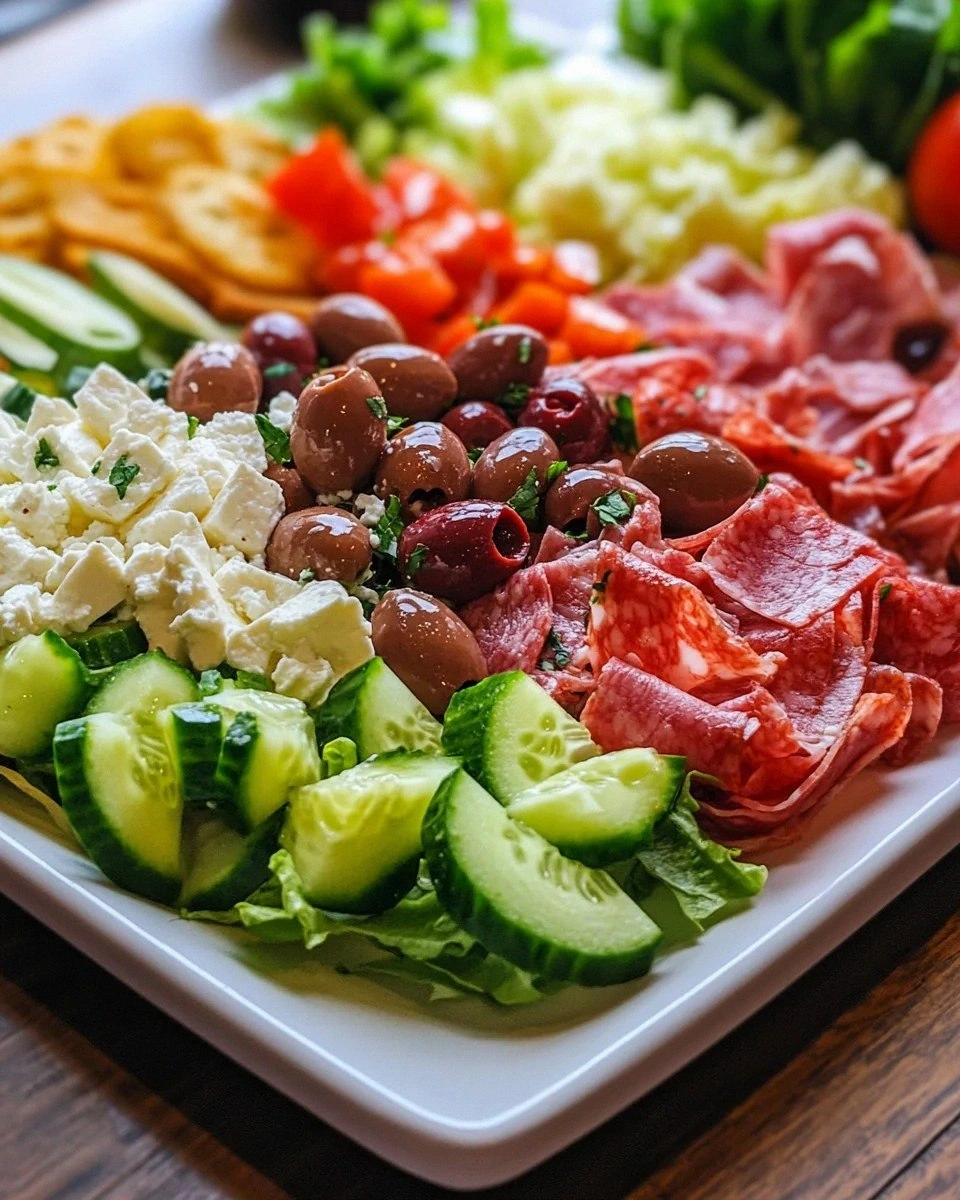
Crisp cucumbers, ripe tomatoes, and thinly sliced red onion form the crunchy, juicy backbone of the dish. Kalamata olives contribute a briny pop, while a generous crumble of feta cheese adds creamy, salty richness. For extra crunch, consider adding a handful of toasted pine nuts – they’ll toast up in seconds and give the salad a buttery finish.
The Unexpected Star
The meat is the surprise hero. I opt for skinless chicken breast, sliced into bite‑size strips, because it’s lean, quick to cook, and absorbs the herb‑marinade beautifully. If you’re a fan of lamb, use thinly sliced lamb shoulder instead; the extra fat will render into a luscious glaze. Marinating for just five minutes in olive oil, lemon juice, minced garlic, and oregano is enough to infuse flavor without making the meat soggy.
The Final Flourish
A final drizzle of high‑quality extra‑virgin olive oil and a sprinkling of fresh oregano leaves bring everything together. A light dusting of cracked black pepper adds a subtle heat, while a pinch of sea salt lifts the flavors. For those who love a bit of heat, a few thin slices of pepperoncini or a dash of crushed red pepper flakes can turn the salad from pleasant to exhilarating.
Everything's prepped? Good. Let's get into the real action...
The Method — Step by Step
First, gather all your vegetables and give them a good rinse. Pat them dry with a clean kitchen towel – moisture is the enemy of crunch. Slice the cucumbers into half‑moon pieces, quarter the tomatoes, and thinly slice the red onion into rings. Toss everything into a large mixing bowl, then set aside while you prep the meat.
Now, for the meat. In a shallow dish, combine 2 tablespoons olive oil, the juice of half a lemon, 2 minced garlic cloves, 1 teaspoon dried oregano, and a pinch of salt and pepper. Add 1 pound of chicken breast strips (or lamb if you prefer) and give it a quick toss. Let it sit for exactly five minutes – this “flash‑marinade” is the secret that keeps the meat juicy and flavorful.
Kitchen Hack: While the meat marinates, whisk together the vinaigrette ingredients so the flavors meld before the salad is assembled.Heat a large skillet over medium‑high heat. Add a drizzle of olive oil, then lay the marinated meat in a single layer. Let it sear without moving for about 2 minutes – you’ll hear a satisfying sizzle that tells you the crust is forming. Flip the strips and cook another 2‑3 minutes until they’re golden brown on the outside but still pink inside. This is the moment of truth; overcooking will make the meat tough, so keep a close eye.
While the meat rests, whisk together 3 tablespoons extra‑virgin olive oil, 2 tablespoons red‑wine vinegar, 1 teaspoon dried oregano, a pinch of sumac, and a small pinch of sea salt. The mixture should look glossy and slightly thickened – that’s your vinaigrette, ready to coat everything in a silky embrace.
Add the sliced Kalamata olives and a generous handful of pitted olives to the vegetable bowl. Toss in the crumbled feta cheese, then drizzle the vinaigrette over the top. Using two large forks, gently toss the salad until every piece is lightly coated. The vinaigrette should cling to the veggies like a light veil, not drown them.
Slice the rested meat into bite‑size pieces if you haven’t already, then scatter them over the salad. The meat should still be warm, releasing a fragrant steam that mingles with the herbs and citrus. This is where the dish truly comes alive – the heat from the meat slightly mellows the feta, creating a luscious, creamy pocket.
Watch Out: If you add the vinaigrette before the meat, the meat will lose its crispness; always dress the veggies first, then top with the hot protein.Finish with a final drizzle of olive oil, a sprinkle of fresh oregano leaves, and a light grind of black pepper. For an extra burst of brightness, add a thin squeeze of lemon juice right before serving. The salad should look vibrant, with reds, greens, and purples dancing together.
Give the salad a quick final toss, then let it sit for two minutes. This short rest allows the flavors to meld, and the meat’s warmth will gently melt the feta’s edges, creating a luxurious mouthfeel. Serve immediately on a large platter, or portion into individual bowls for a rustic, family‑style presentation.
That's it — you did it. But hold on, I've got a few more tricks that'll take this to another level...
Insider Tricks for Flawless Results
The Temperature Rule Nobody Follows
Never let the meat sit at room temperature for more than five minutes before searing. A cold piece of chicken will drop the pan’s temperature, resulting in a steamed, rather than seared, exterior. I always pull the meat from the fridge, give it a quick pat dry, and then let it breathe on a plate for exactly two minutes – this tiny pause makes a massive difference.
Why Your Nose Knows Best
When the vinaigrette is ready, give it a quick sniff. If you detect a sharp vinegar bite, let it sit for a minute; the olive oil will mellow the acidity. Trust your nose over a timer – the aroma tells you when the flavors have married properly.
The 5‑Minute Rest That Changes Everything
After searing, let the meat rest for exactly five minutes before cutting. This short pause allows the juices to redistribute, preventing them from spilling out onto the salad and making it soggy. A friend tried to skip this step once – the result was a dry, flavor‑less protein that ruined the whole dish.
Olive Oil Quality Matters
Invest in a good extra‑virgin olive oil. The flavor of cheap oil is flat and can mask the delicate herbs. A high‑quality oil adds a buttery, grassy note that lifts the entire salad. If you’re unsure, taste a spoonful – it should have a peppery finish.
Sumac’s Secret Power
Sumac isn’t just a garnish; it’s a flavor catalyst. Its citrusy tang brightens the entire dish without adding extra acidity. If you can’t find sumac, a mix of lemon zest and a pinch of ground coriander mimics its profile, but nothing beats the authentic spice.
Creative Twists and Variations
This recipe is a playground. Here are some of my favorite ways to switch things up:
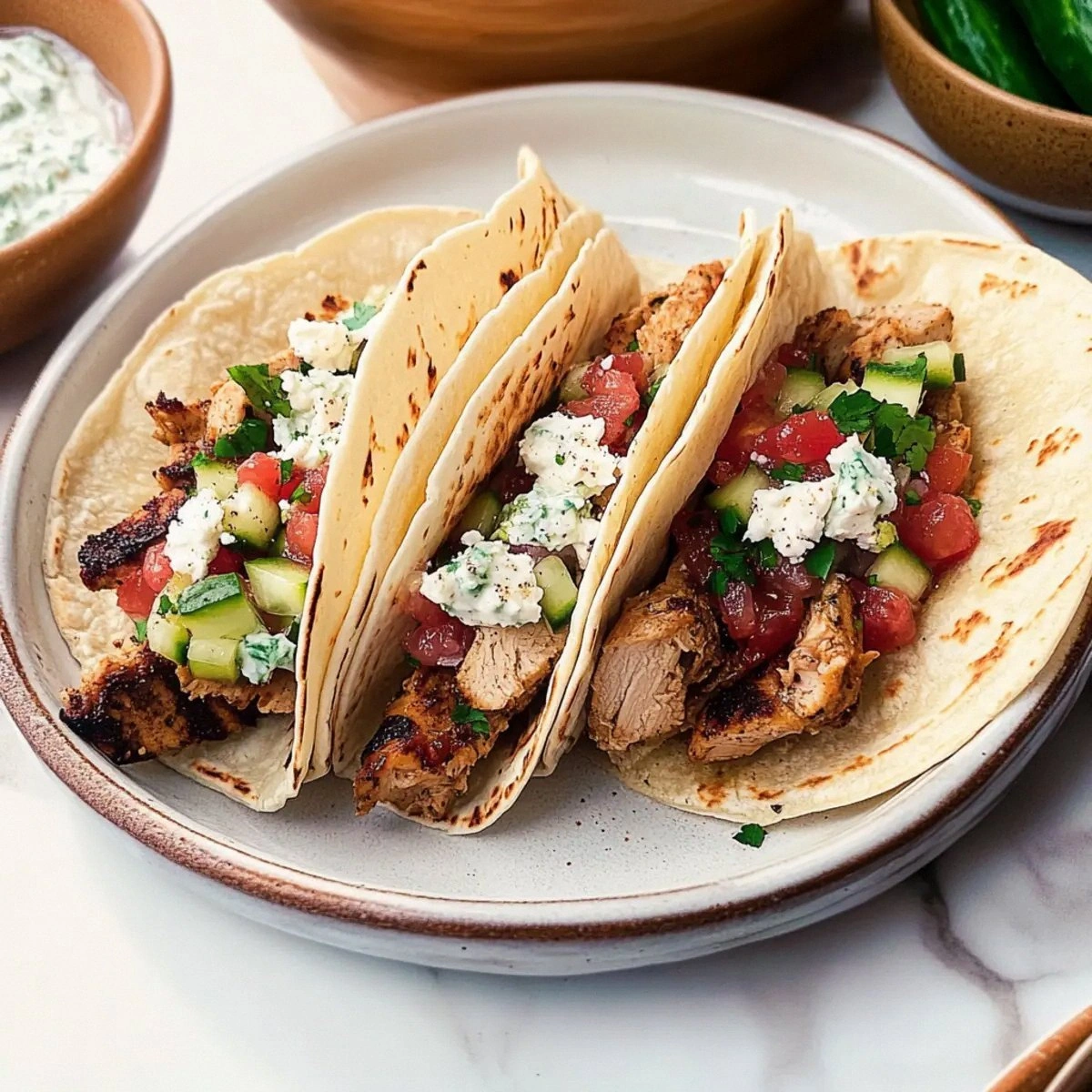
Mediterranean Taco Fusion
Swap the lettuce for warm corn tortillas, add a dollop of tzatziki, and replace chicken with spiced ground lamb. The result feels like a taco night meets a Greek island sunset.
Vegan Power‑Boost
Replace the meat with grilled halloumi cubes and add chickpeas for protein. Use a vegan feta alternative and a splash of apple cider vinegar in the dressing for a completely plant‑based version.
Spicy Summer Heat
Add thinly sliced jalapeños and a pinch of smoked paprika to the vinaigrette. Finish with a drizzle of harissa-infused olive oil for a bold, fiery twist that still respects the salad’s fresh base.
Autumn Harvest
Incorporate roasted butternut squash cubes and toasted walnuts. Swap the lemon juice for a splash of pomegranate molasses, giving the dish a sweet‑tart depth perfect for cooler evenings.
Greek‑Style Pasta Bowl
Toss cooked orzo or rotini with the salad ingredients and meat. The pasta turns the salad into a hearty main course, ideal for feeding a crowd or meal‑prepping for the week.
Storing and Bringing It Back to Life
Fridge Storage
Place the salad in an airtight container, keeping the vinaigrette separate if you plan to store it for more than two hours. It will stay crisp for up to 24 hours. When ready to eat, simply pour the dressing over the top and give it a gentle toss.
Freezer Friendly
While the fresh veggies don’t freeze well, you can freeze the cooked meat and the vinaigrette in separate zip‑top bags. Defrost in the fridge overnight, then reassemble with fresh vegetables for a quick, no‑stress meal.
Best Reheating Method
If you’ve stored the meat, reheat it gently in a skillet over low heat for 2‑3 minutes, just until warm. Add a tiny splash of water (or a drizzle of olive oil) before reheating; this creates a gentle steam that revives the meat’s tenderness without drying it out.