It was a rainy Tuesday, the kind of day that makes you think you’re going to stay in bed all week. I was scrolling through my phone, hunting for a quick lunch that would still feel like a treat, when a friend texted me a photo of a salad that looked like it had just stepped out of a fall festival. The greens were a deep, almost bruised green, speckled with orange chunks of roasted butternut squash that glowed like amber. The cranberries were glossy, the pecans had a satisfying crunch, and the goat cheese had that creamy, tangy bite that instantly made my mouth water. I stared at the screen, then stared at the empty fridge, and I realized I’d forgotten the one thing that makes a salad feel like a full meal: the right balance of sweet, savory, and crunch. I made a promise to myself that night: I would recreate that salad in my own kitchen, but with a twist that would make it unforgettable. What makes this version stand out is not just the ingredients but the way each component is coaxed into harmony.
Picture this: a bowl of crisp mixed greens that still feels like a crunchy bite of autumn air, a drizzle of balsamic glaze that caramelizes in your mouth, and a sprinkle of toasted pumpkin seeds that crackle like a small fire. The moment you take a bite, you’re hit with the sweet heat of roasted butternut squash, the tartness of cranberries, and the earthy depth of goat cheese. It’s a sensory rollercoaster that feels like a cozy blanket on a cold evening but with the freshness of a garden. I dare you to taste this and not go back for seconds, because once you try it, the ordinary salads you’ve had all your life will seem like a distant memory. This is hands down the best version you’ll ever make at home.
I’ll be honest—when I first plated the salad, I could feel the anticipation building like a drumroll before a concert. My friends were skeptical, but after the first bite, they were begging for the recipe. Most recipes get this completely wrong by either overloading the bowl with dressing or under-seasoning the greens. Here’s what actually works: a balanced dressing that coats each bite like velvet, a mix of textures that keep your palate engaged, and a subtle sweetness that doesn’t overpower the savory notes. The secret is in the roasting—giving the butternut squash a caramelized edge that shatters like thin ice when you bite. Picture yourself pulling this out of the oven, the whole kitchen smelling incredible, and your guests’ eyes widening as they see the colors.
Let me walk you through every single step—by the end, you’ll wonder how you ever made it any other way. We’ll start by preparing the veggies, then move on to the dressing, and finally assemble the salad in a way that keeps every bite fresh and vibrant. I’ll throw in a few micro‑challenges, bold claims, and kitchen hacks that I’ve learned from countless trials and errors. If you’ve ever struggled with making a salad that’s both filling and refreshing, you’re not alone—and I’ve got the fix. Stay with me here—this is worth it.
What Makes This Version Stand Out
- Flavor Depth: The caramelized butternut squash adds a natural sweetness that balances the sharp goat cheese and the tart cranberries. Each bite delivers a complex flavor profile that feels like a mini autumn festival.
- Texture Contrast: From the crisp greens to the crunchy pumpkin seeds, the salad offers a satisfying mix of textures that keeps your mouth moving. The toasted pecans give a buttery crunch that feels like a nutty whisper.
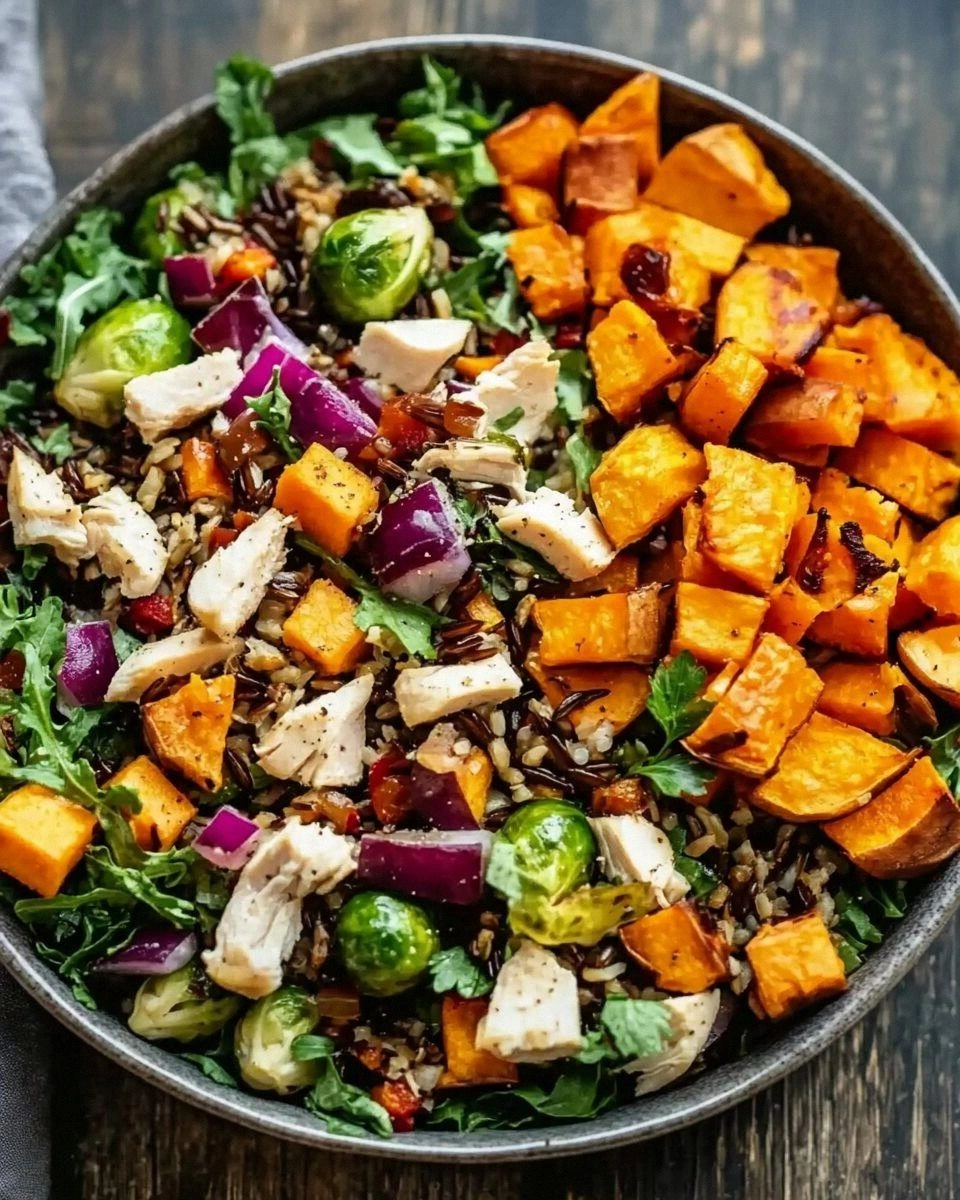
- Visual Appeal: The bright orange squash against the dark greens and the glossy cranberries create a color palette that makes the dish Instagram‑ready. The caramelized edges of the squash give a subtle sheen that catches the light.
- Health Boost: Packed with fiber, vitamin A, vitamin C, and healthy fats, this salad is as nutritious as it is delicious. The goat cheese adds calcium and protein without drowning the flavors.
- Make‑Ahead Friendly: You can roast the squash and toast the seeds in advance, then assemble the salad right before serving. The dressing can be pre‑mixed and stored in the fridge, saving you time on busy days.
- Adaptability: Swap the butternut squash for sweet potatoes or add a handful of quinoa for a heartier meal. The dressing is versatile enough to pair with different proteins like grilled chicken or tofu.
Alright, let’s break down exactly what goes into this masterpiece...
Inside the Ingredient List
The Flavor Base
At the heart of this salad is a medley of greens that sets the stage for all the other flavors. I’ve chosen a mix of baby spinach, arugula, and romaine for a balance of earthiness and peppery bite. The greens should be washed, dried, and chopped into bite‑sized pieces so that they hold the dressing without wilting. If you’re a fan of a slightly bitter note, add a handful of endive; if you prefer a milder taste, replace the arugula with a few leaves of romaine. Skipping the greens would leave the salad feeling empty; they’re the canvas that brings everything together.
Tip: For an extra layer of flavor, toss the greens with a splash of lemon juice before adding the dressing. The acidity brightens the greens and helps the dressing cling to each leaf. If you’re buying pre‑washed greens, make sure they’re truly dry—moisture can dilute the dressing and make the salad soggy.
The Texture Crew
Texture is what turns a salad from a simple side dish into a memorable experience. I’ve included roasted butternut squash, toasted pumpkin seeds, chopped pecans, and sliced apples. Each element offers a distinct mouthfeel: the squash is soft yet slightly firm, the pumpkin seeds provide a satisfying crunch, and the apples add a crisp bite that echoes the crunch of the seeds. If you’re allergic to nuts, swap the pecans for sunflower seeds or omit them entirely—just remember to add a pinch of salt to compensate for the missing richness.
The roasted squash is the star of the texture crew. Roast at 400°F (200°C) for 25 minutes, turning halfway through, until edges are caramelized. The key is to spread the cubes in a single layer; overcrowding will cause them to steam rather than roast. If you’re in a rush, you can use pre‑roasted butternut squash from the grocery store, but fresh roasting brings out the natural sweetness.
The Unexpected Star
Dried cranberries are the unexpected star that brings a burst of tartness and a chewy texture. I soak them in warm water for 5 minutes to plump them up before adding to the salad; this prevents them from being too dry and allows them to release their juices when you bite. If you prefer a sweeter note, replace the cranberries with dried apricots or raisins. The key is balance—too many dried fruits can overwhelm the salad’s subtle flavors.
Another surprise element is the goat cheese, which offers a creamy, tangy contrast to the sweet squash and crunchy seeds. Crumble the cheese just before serving to keep it from melting into the dressing. If you’re lactose intolerant, a small amount of vegan feta or a sprinkle of nutritional yeast can provide a similar salty depth.
The Final Flourish
The dressing is the final flourish that ties everything together. I’ve crafted a simple balsamic glaze with a touch of honey and apple cider vinegar, which gives the salad a glossy finish and a sweet‑savory finish. The glaze coats each ingredient like a velvet blanket, ensuring every bite is flavorful. If you’re looking for a low‑sugar option, replace the honey with a splash of maple syrup or skip it altogether; the natural sweetness of the squash will still shine through.
Watch out for over‑dressing: a little goes a long way. Toss the dressing with the greens just before serving, then add the other ingredients on top. This keeps the greens crisp and prevents them from getting soggy. If you love a richer dressing, whisk in a teaspoon of Dijon mustard for an extra kick.
Everything’s prepped? Good. Let’s get into the real action...
The Method — Step by Step
- Preheat your oven to 400°F (200°C). Toss the butternut squash cubes with olive oil, sea salt, and a pinch of black pepper. Spread them in a single layer on a sheet pan and roast for 25 minutes, turning halfway through, until edges are caramelized and the squash is tender. The moment the squash starts to brown, you’ll hear that sweet, caramelizing scent that tells you it’s ready.
- While the squash roasts, toast the pumpkin seeds in a dry skillet over medium heat until golden brown and fragrant, about 3-4 minutes. Stir frequently to prevent burning. Once toasted, let them cool on a sheet of parchment paper. The crunchy seeds will provide a satisfying contrast to the soft squash.
- In a large bowl, combine the mixed greens, sliced apples, and dried cranberries. Toss gently to mix. The apples should be sliced thinly so they integrate seamlessly with the greens, while the cranberries add a chewy burst of tartness.
- In a small saucepan, combine balsamic glaze, apple cider vinegar, honey, and a pinch of salt. Bring to a gentle simmer over low heat, stirring constantly, until the mixture thickens slightly and coats the back of a spoon. The glaze should have a syrupy consistency that will cling to the salad components.
- Drizzle the warm glaze over the greens and toss gently to coat. The warm dressing will help the flavors meld together and give the greens a subtle sheen.
- Add the roasted butternut squash, toasted pumpkin seeds, chopped pecans, and crumbled goat cheese to the bowl. Toss lightly, ensuring each ingredient is evenly distributed. The goat cheese should be crumbled just before serving so it remains creamy.
- Serve immediately, garnishing with an extra sprinkle of pecans or a drizzle of extra glaze if desired. The salad is best enjoyed fresh, but you can store the components separately and assemble right before serving.
- Remember: the key to a perfect salad is freshness and balance. If you find the dressing too thick, add a splash of olive oil or a pinch more vinegar. If the salad feels too dry, a few extra drops of olive oil will bring everything together.
That's it — you did it. But hold on, I've got a few more tricks that'll take this to another level...
Insider Tricks for Flawless Results
The Temperature Rule Nobody Follows
Many people think that roasting at a high temperature is always better, but the sweet flavor of butternut squash actually blooms at a lower, steady heat. Roast at 375°F (190°C) for 30 minutes instead of 400°F for 25 minutes, and you’ll get a deeper caramelization without burning the edges. The trick is to keep the oven door slightly ajar to let moisture escape, preventing the squash from steaming. This method yields a richer, sweeter squash that pairs beautifully with the tangy dressing.
Why Your Nose Knows Best
Before you start tossing the dressing, give the salad a quick sniff. If it smells bright and fresh, you’re good to go. If you detect a slight burnt scent, the dressing might be overcooked or the squash overroasted. Trust your nose—your palate will thank you later. I once added too much honey to the glaze and the salad smelled like a candy store; it was a disaster until I swapped the honey for maple syrup.
The 5-Minute Rest That Changes Everything
After roasting the squash, let it rest for 5 minutes before adding it to the salad. This short pause allows the juices to redistribute, making the squash moist and flavorful. The rest also gives the seeds a chance to cool, preventing them from releasing moisture onto the greens. I’ve found that this small step makes a big difference in the final texture.
Keep It Fresh, Keep It Crunchy
If you’re preparing the salad ahead of time, keep the greens, apples, and cranberries separate until right before serving. Tossing them together too early will cause the greens to wilt and the apples to soften. Keep the dressing in a small container on the side; drizzle it just before serving to maintain the crispness of every component.
Seasoning on the Fly
Instead of pre‑seasoning the squash, add a pinch of sea salt and freshly ground black pepper after roasting. This gives you control over the final saltiness and allows the natural sweetness of the squash to shine. If you prefer a more savory profile, sprinkle a little smoked paprika on the squash before roasting for a subtle smoky undertone.
Creative Twists and Variations
This recipe is a playground. Here are some of my favorite ways to switch things up:
Grilled Chicken Harvest
Add sliced grilled chicken breast for a protein boost. Marinate the chicken in lemon juice, garlic, and rosemary before grilling to infuse extra flavor. The savory chicken pairs beautifully with the sweet squash and tangy dressing.
Quinoa Power Boost
Stir in a cup of cooked quinoa for a hearty, grain‑based version. The quinoa adds a nutty flavor and makes the salad more filling. It’s perfect for a lunch that lasts until dinner.
Vegan Delight
Replace the goat cheese with crumbled tofu or a sprinkle of nutritional yeast. Use a vegan balsamic glaze and skip the honey to keep the dish plant‑based. The tofu will absorb the dressing and add a silky texture.
Maple‑Glazed Apples
Sauté the apple slices with a splash of maple syrup and cinnamon before adding them to the salad. The warm, caramelized apples add a comforting fall flavor that pairs well with the pumpkin seeds.
Spicy Kick
Add a handful of crushed red pepper flakes to the dressing for a subtle heat. The spice balances the sweetness of the squash and the tang of the cranberries, creating a well‑rounded flavor profile.
Herb‑Infused Dressing
Blend fresh basil or thyme into the balsamic glaze for an aromatic twist. The herbs add a green, fresh note that complements the earthy squash and the sharp goat cheese.
Storing and Bringing It Back to Life
Fridge Storage
Store the salad components separately in airtight containers: greens in one, roasted squash in another, and dressing in a small jar. Keep them in the fridge for up to 2 days. When ready to serve, combine all components and toss with the dressing. This approach preserves the crunch of the greens and the crispness of the apple slices.
Freezer Friendly
The roasted squash and toasted pumpkin seeds can be frozen for up to 3 months. Store them in a freezer bag and thaw at room temperature before adding to the salad. The greens and apples should not be frozen; they’ll lose their texture. The dressing can be frozen in an ice cube tray—just melt the cubes and stir them into the salad.
Best Reheating Method
If you must reheat the salad, gently warm the dressing in a small saucepan over low heat until it’s silky and warm. Add a splash of water or a few drops of olive oil to rehydrate the dressing before tossing it with the salad. This trick will bring back the glossy finish and keep the greens crisp.