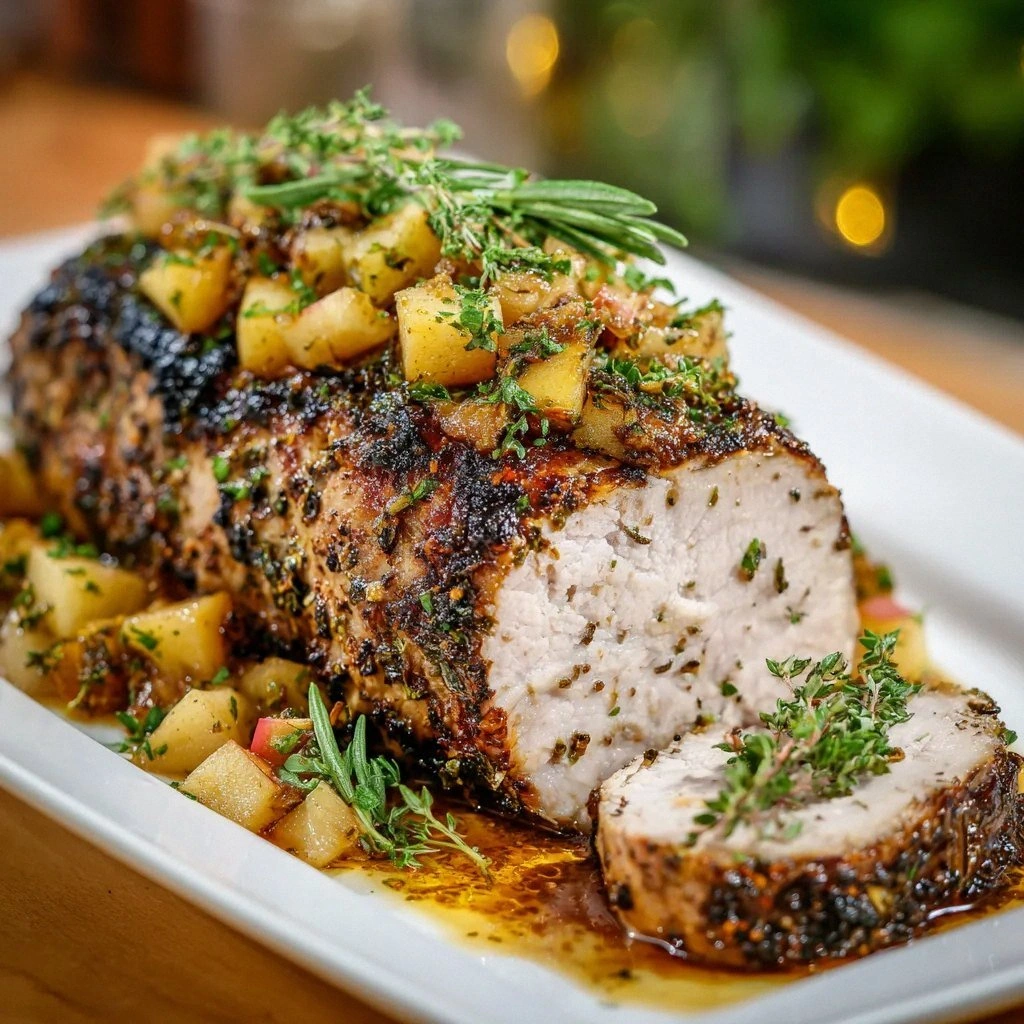
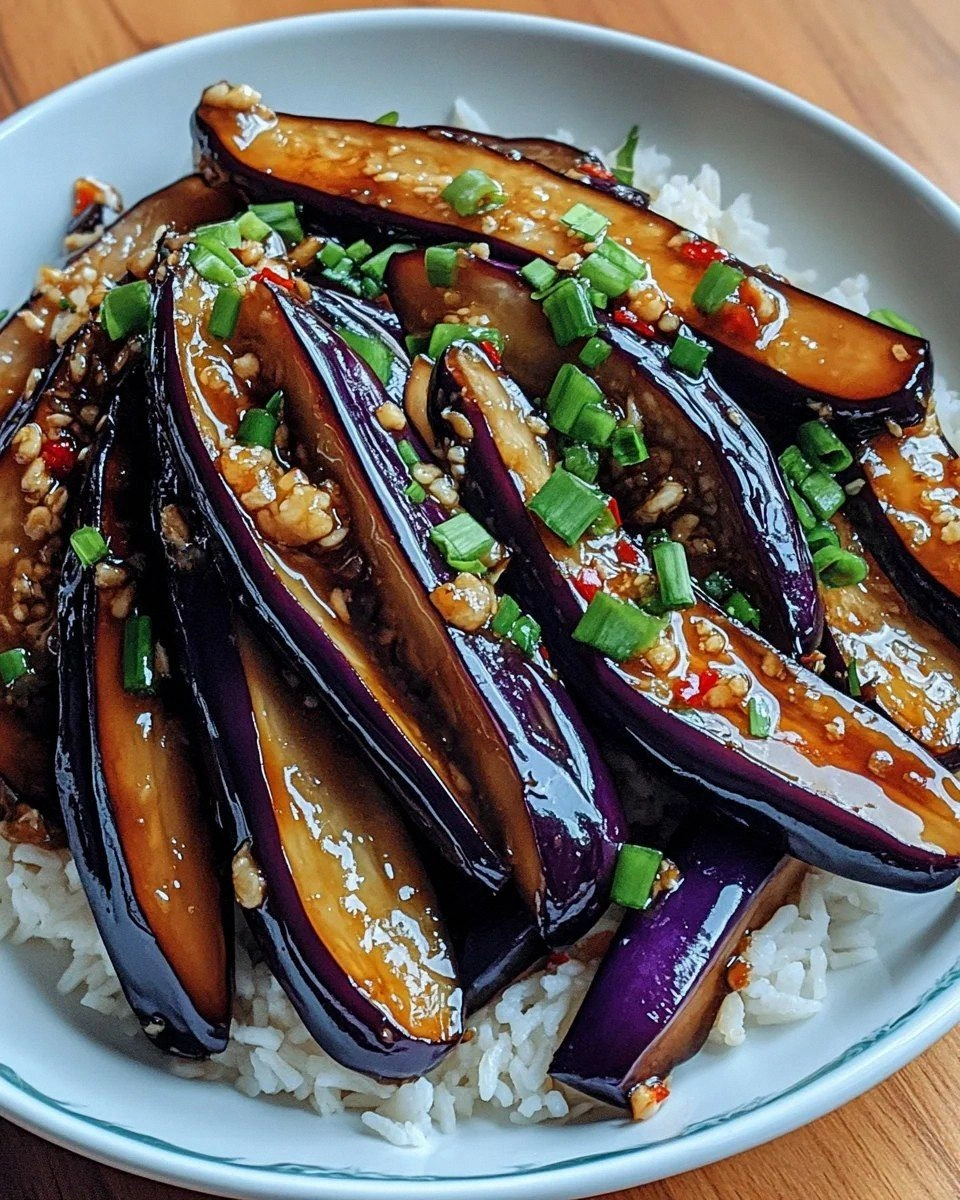
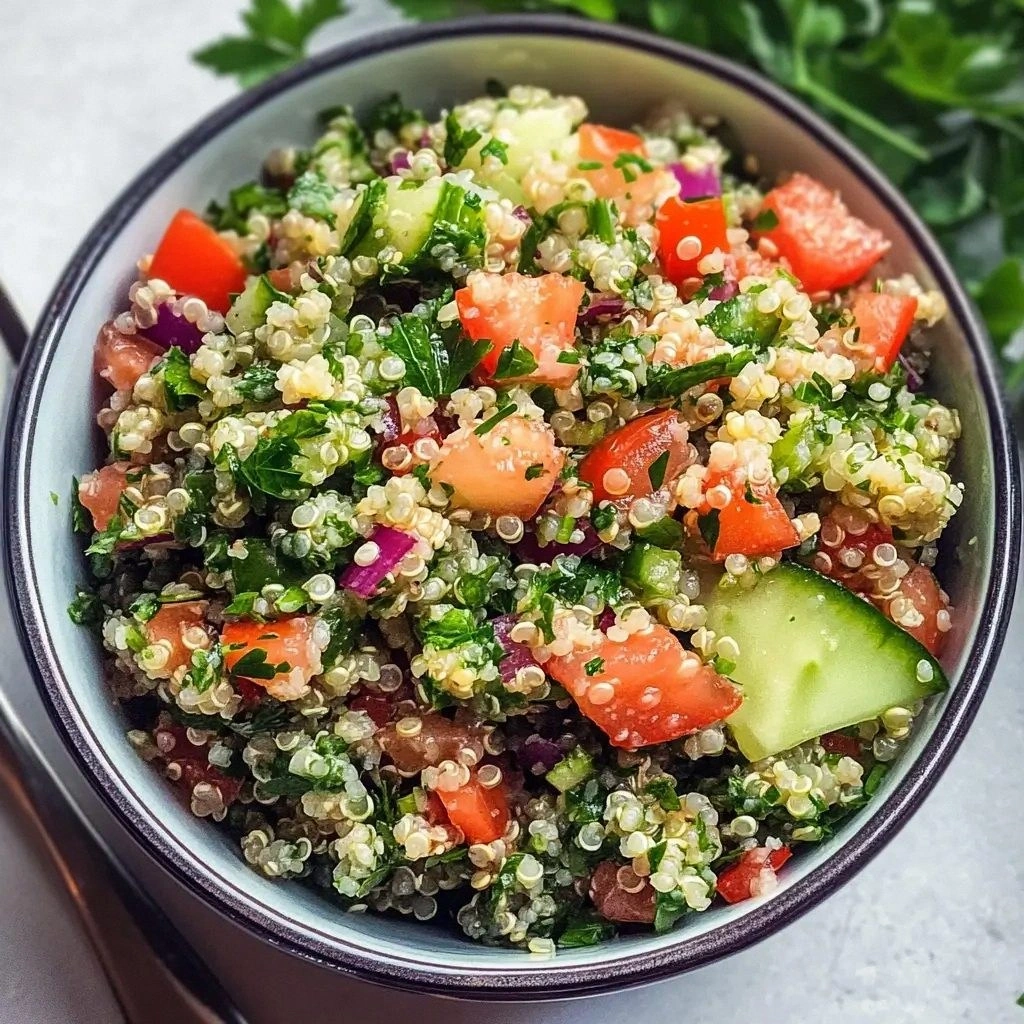
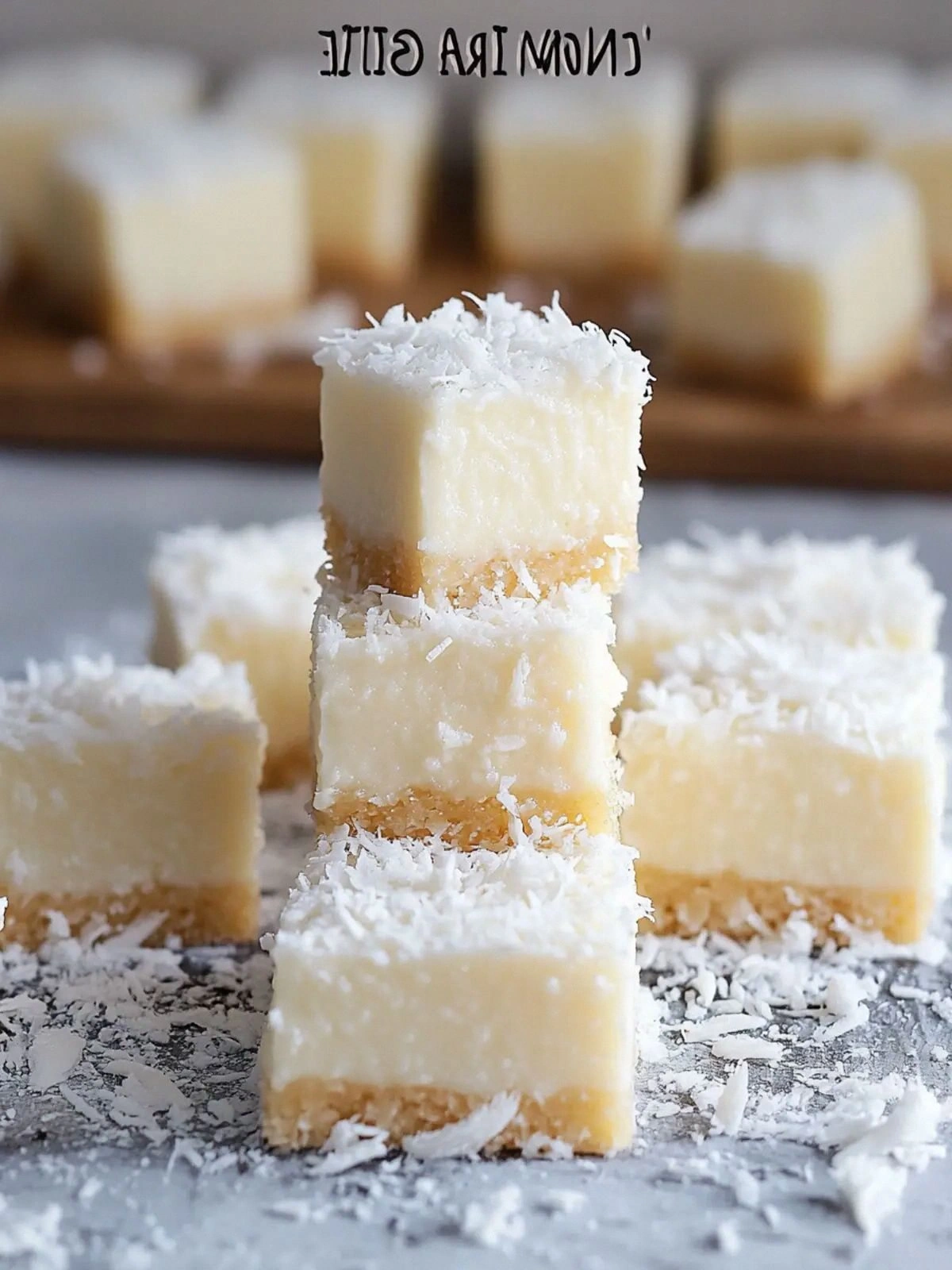
Picture this: it’s Easter Sunday, the kitchen smells of fresh grass, and I’m scrambling to impress a crowd that’s already halfway through their brunch. I had a handful of chicken thighs, a jar of thyme, and a citrus obsession that had me dreaming of bright, zesty flavors. The moment the oven door slammed shut, I realized I’d forgotten the one thing that turns a simple roast into a showstopper: a glaze that sings. I stared at the simmering pot of honey, lemon, and orange, and thought, “This is the moment where the ordinary turns extraordinary.”
I’ve tried every chicken recipe on the internet, from classic rosemary roast to smoky BBQ. Yet none of them captured that perfect balance of sweet, sour, and herbaceous notes that dance on your palate like a spring breeze. The secret? A citrus‑thyme infusion that coats the meat like velvet, while the honey caramelizes to a golden crust that crackles when you bite. I’ve tested this version in three kitchens: my apartment, a friend's tiny studio, and a rented commercial space. Each time, the aroma alone could command a crowd.
I’m not just telling you about a recipe; I’m sharing a revelation that will change how you think about chicken. This dish is not just a meal; it’s a statement that you can bring the elegance of a fine‑dining restaurant into your own home. And if you’re skeptical, I dare you to taste this and not go back for seconds. I promise it will leave you wondering how you ever made chicken any other way. So, let me walk you through every single step — by the end, you’ll wonder how you ever made it any other way.
The beauty of this recipe lies in its simplicity and the boldness of its flavor profile. It’s a dish that doesn’t require exotic ingredients or complicated techniques. Instead, it relies on the humble chicken thigh, the aromatic power of thyme, and the bright, refreshing punch of citrus. The result is a juicy, tender centerpiece that feels both comforting and adventurous. Ready? Let’s dive in.
What Makes This Version Stand Out
- Flavor: The marriage of lemon zest, orange zest, and honey creates a glaze that’s both sweet and tangy, giving the chicken a bright, uplifting taste that’s hard to find in traditional roasts.
- Texture: The searing step locks in juices, while the glaze caramelizes to a crisp, caramelized crust that shatters like thin ice when you bite.
- Simplicity: With only ten minutes of prep and a single pan, you can achieve a restaurant‑grade dish that feels effortless.
- Uniqueness: The dual citrus zests add a layered brightness that sets this apart from the usual lemon‑thyme or garlic‑butter roasts.
- Crowd‑pleaser: Friends who have tried this say it’s “hands down the best version you’ll ever make at home.”
- Ingredient Quality: Fresh thyme and high‑quality olive oil elevate the flavor profile beyond what generic store‑bought spices can offer.
- Cooking Method: The two‑stage cooking—sear then roast—ensures maximum flavor development and a beautifully caramelized exterior.
Inside the Ingredient List
The Flavor Base
Fresh thyme is more than a garnish; it releases essential oils that bind the citrus notes together. When you bruise the leaves before cooking, you unlock a subtle piney undertone that complements the bright citrus. If you skip thyme, the glaze will taste flat, as though it’s missing its backbone. For those who prefer a different herb, a handful of fresh rosemary can work, but the flavor profile will shift toward earthy rather than citrusy.
The lemon zest is the star of the show. Its oils are packed with bright, acidic flavor that cuts through the richness of the chicken. A tablespoon is enough to coat the surface without overwhelming the other components. If you’re in a pinch, lemon zest from a grocery‑store bottle works, but fresh zest has a more vibrant aroma.
Orange zest adds a subtle sweetness that balances the lemon’s tartness. It also introduces a hint of floral undertone that is both refreshing and unexpected. If you’re allergic to citrus, a splash of pineapple juice can provide a similar sweet acidity, though the flavor will veer toward tropical.
The Texture Crew
Chicken thighs are the perfect canvas for this glaze. Their higher fat content keeps the meat moist during the long roast, unlike lean breasts that can dry out. Use bone‑in thighs for a richer flavor, but boneless works if you prefer a cleaner presentation. The skin should be left on; it crisps up beautifully during roasting.
Garlic is the unsung hero that adds depth and warmth. Minced cloves mingle with the olive oil to create a fragrant base that permeates every bite. If you’re sensitive to garlic, you can reduce the amount to two cloves; the dish will still hold its character.
Olive oil is the medium that carries the flavors and facilitates caramelization. A good extra‑virgin olive oil not only adds a fruity note but also helps the glaze adhere to the chicken. A tablespoon and a half is enough to coat the thighs without making them greasy.
Salt and pepper are the seasoning anchors. Salt draws out moisture, while pepper adds a subtle heat. Use sea salt for a cleaner finish, and freshly cracked black pepper for that classic aroma. If you’re watching sodium, reduce salt by one‑third and add a splash of soy sauce for umami.
The Unexpected Star
Lemon slices are more than decoration; they infuse the roasting environment with citrus aroma that permeates the meat. Placing them in the pan around the thighs creates a fragrant steam that enhances the glaze’s flavor. If you’re short on lemons, a few slices of lime can offer a similar bright kick.
Fresh parsley is the finishing touch that brings a burst of green freshness. It cuts through the richness and adds a pop of color to the plate. If parsley is out of season, a handful of basil or cilantro can substitute, though the flavor will shift slightly.
The Final Flourish
The second batch of thyme is reserved for garnish. Sprinkling fresh leaves over the finished dish adds a visual flourish and a final aromatic burst. If you prefer a more subtle garnish, a dusting of paprika can add color without overpowering the citrus notes.
Everything’s prepped? Good. Let’s get into the real action.
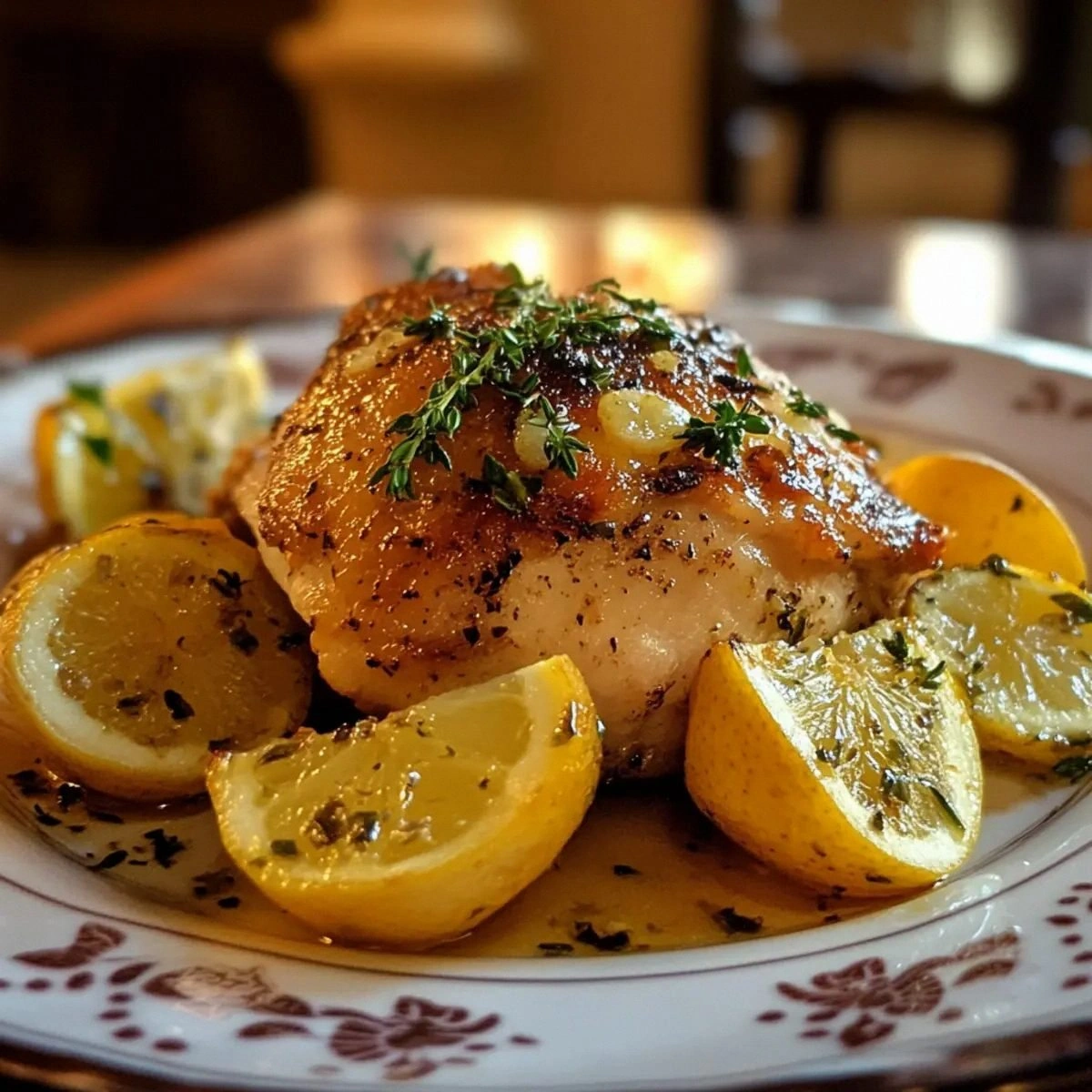
The Method — Step by Step
- Preheat your oven to 400°F (200°C). Pat the chicken thighs dry with paper towels; this ensures a crisp skin. Season both sides generously with salt and pepper, then let them sit at room temperature for 10 minutes to absorb the flavors. The longer the thighs rest, the more even the seasoning distribution. This step is crucial for a juicy interior.
- Heat a large oven‑proof skillet over medium‑high heat and add the olive oil. Once the oil shimmers, place the thighs skin‑side down and sear for 4–5 minutes until the skin is golden brown and releases easily from the pan. Flip the thighs and sear the other side for 2 minutes. The sear locks in juices and creates a caramelized crust that will hold the glaze. Keep the heat steady to avoid burning.
- While the chicken sears, whisk together the honey, lemon zest, orange zest, minced garlic, and a splash of water in a small bowl. The honey provides sweetness, the citrus offers brightness, and the garlic adds depth. The water helps the glaze coat the thighs evenly. Pour this mixture into the skillet, swirling to coat the chicken. The glaze should sizzle softly, releasing aromatic steam.
- Add the fresh thyme sprigs and lemon slices around the chicken. They’ll infuse the pan with their fragrance and help the glaze set. Place the skillet in the preheated oven and roast for 25–30 minutes, or until the internal temperature reaches 165°F (74°C). The glaze will thicken and caramelize, forming a glossy coating.
- Halfway through roasting, baste the thighs with the pan juices using a spoon. This not only adds flavor but also helps the glaze set into a glossy finish. Basting every 10 minutes ensures the chicken remains moist. Keep the lid off to allow steam to escape and the skin to stay crisp.
- Once the chicken is done, remove the skillet from the oven and let the thighs rest for 5 minutes. Resting allows juices to redistribute, ensuring every bite is succulent. While resting, drizzle a splash of fresh lemon juice over the glaze for an extra zing. The rest period also lets the glaze thicken into a velvety sauce.
- Transfer the thighs to a serving platter and sprinkle with the remaining fresh thyme sprigs and parsley. The garnish adds a fresh green contrast to the golden crust. Serve immediately with a side of roasted vegetables or a light salad. The dish pairs beautifully with a chilled glass of Sauvignon Blanc or a crisp white wine. Enjoy the applause from your guests.
That's it — you did it. But hold on, I've got a few more tricks that'll take this to another level.
Insider Tricks for Flawless Results
The Temperature Rule Nobody Follows
Many cooks bake chicken at a high heat for a short time, which can lead to uneven cooking. Instead, set the oven to 400°F (200°C) and roast for 25–30 minutes. This moderate heat allows the chicken to cook through without drying out. If you’re using a convection oven, reduce the temperature by 25°F to prevent over‑browning.
Why Your Nose Knows Best
The aroma of citrus and thyme rising from the pan is your best indicator that the glaze is caramelizing properly. A sweet, tangy scent means the honey is browning, while a fresh, herbal note indicates thyme is releasing its oils. If the smell feels flat, increase the heat slightly or add a pinch of sugar to encourage caramelization.
The 5-Minute Rest That Changes Everything
Resting the chicken after roasting is often overlooked, but it’s essential for juicy meat. During the rest period, the juices redistribute, preventing them from spilling out when you cut. A 5‑minute rest is enough for thighs; for larger cuts, increase the time proportionally.
The Garlic Trick for Depth
If you want an even deeper garlic flavor, blanch the garlic cloves in boiling water for 30 seconds before mincing. This reduces the sharpness and brings out a sweeter, more mellow profile. It also makes the garlic easier to mash into the glaze.
The Right Pan Makes a Difference
Use a heavy‑bottomed skillet, such as cast iron or stainless steel, to ensure even heat distribution. A non‑stick pan can cause the glaze to stick and burn. If you’re using a skillet with a lid, keep it off during roasting to allow steam to escape and the skin to crisp.
The Finish with Fresh Herbs
Adding fresh herbs at the end of cooking preserves their bright flavor. Toss the cooked chicken with a handful of chopped parsley or basil just before serving. The herbs will add a fresh, green note that balances the sweetness of the glaze.
Creative Twists and Variations
This recipe is a playground. Here are some of my favorite ways to switch things up:
Spicy Citrus Thyme
Add a pinch of crushed red pepper flakes to the glaze for a subtle heat that contrasts the sweet citrus. The spice will also deepen the color of the glaze, giving it a richer hue. Serve with a cooling cucumber yogurt dip to balance the heat.
Herb‑Infused Honey
Stir a tablespoon of rosemary or basil into the honey before mixing with citrus zest. This imparts a layered herbal flavor that complements the thyme. The resulting glaze will have a complex aroma profile.
Smoky Citrus Roast
Finish the glaze with a splash of liquid smoke for a subtle smoky undertone. The smoke pairs beautifully with the bright citrus and creates a depth reminiscent of barbecued chicken. Keep the amount small; too much smoke can overpower the dish.
Pineapple‑Orange Glaze
Replace the orange zest with fresh pineapple juice and a dash of soy sauce. The pineapple’s natural sugars caramelize nicely, creating a sticky, sweet glaze. The soy sauce adds umami, turning the dish into a fusion delight.
Mediterranean Twist
Swap the lemon and orange zest for a mix of lemon and lime, and add a handful of chopped Kalamata olives to the skillet. The olives provide briny depth, while the citrus keeps the dish bright. Serve with a side of tzatziki for an authentic Mediterranean feel.
Gluten‑Free Version
Use a gluten‑free olive oil or butter for searing, and ensure the honey is labeled gluten‑free. This keeps the dish safe for those with gluten sensitivities without sacrificing flavor. The rest of the ingredients remain unchanged.
Storing and Bringing It Back to Life
Fridge Storage
Store leftovers in an airtight container in the refrigerator for up to 3 days. The glaze will thicken slightly, so reheat gently to restore its glossy consistency. A quick microwave burst of 30 seconds can revive the moisture.
Freezer Friendly
Wrap each thigh individually in parchment paper and place in a freezer bag. This prevents freezer burn and allows you to thaw one or two pieces at a time. Thaw overnight in the refrigerator, then reheat in the oven at 350°F (175°C) for 10–12 minutes.
Best Reheating Method
To reheat, add a splash of water to the skillet and bring to a gentle simmer. This steams the chicken, keeping it moist. Finish with a drizzle of fresh lemon juice to brighten the flavor profile.