I was standing in my kitchen, staring at a half‑cooked mess of over‑boiled spaghetti, a bottle of lemon that had been staring at me for days, and a pan that smelled like burnt garlic. My roommate walked in, raised an eyebrow, and dared me to make something that would actually taste like a restaurant‑level dish without spending three hours in front of the stove. I laughed, grabbed the freshest shrimp I could find, and thought, “What if I could turn this chaotic moment into a dish that feels like a culinary hug?” That night, the kitchen turned into a laboratory, the sizzle of shrimp hitting hot oil was my soundtrack, and the aroma of lemon and garlic swirled like a summer breeze through the apartment.
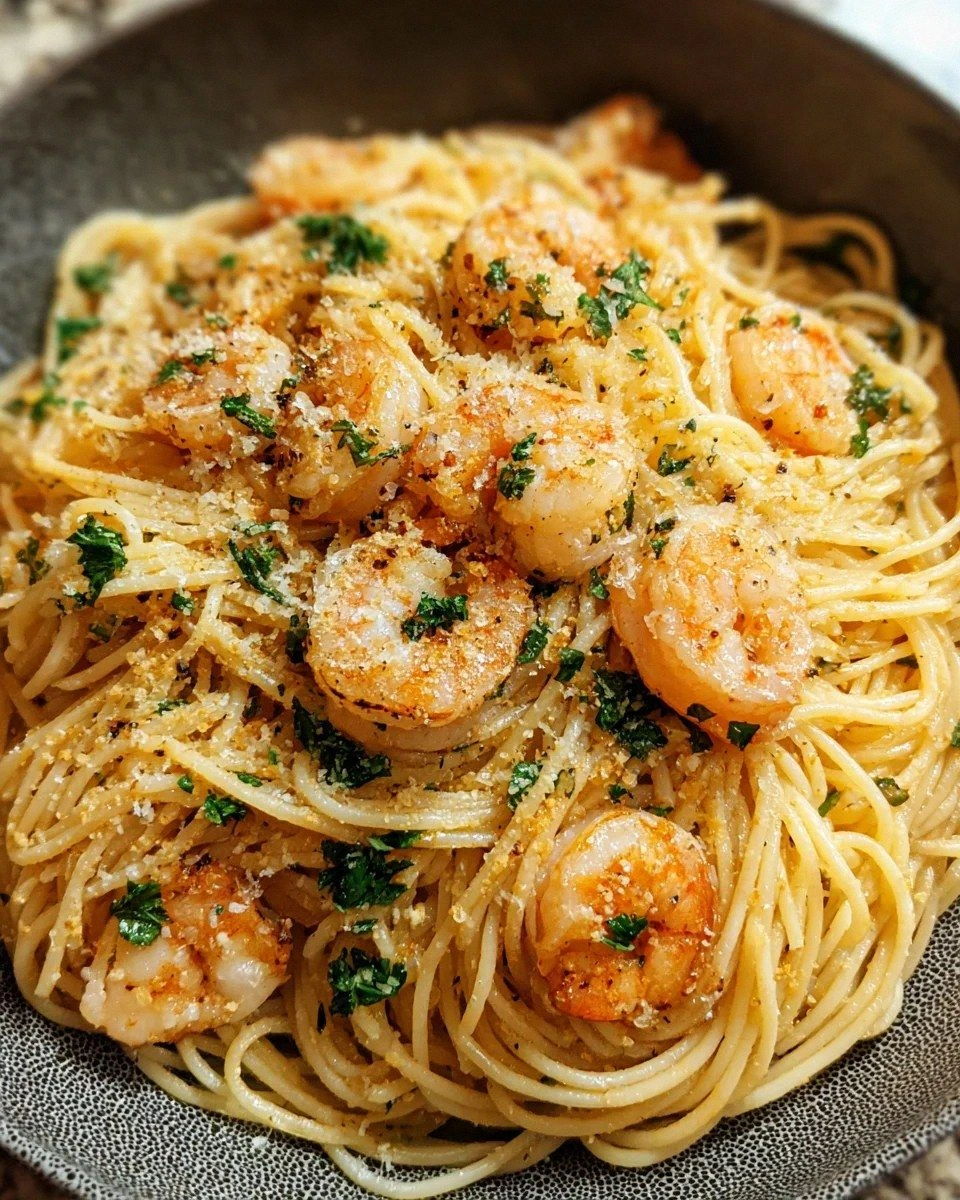
The moment the first wave of citrus hit the pan, I could practically see the sun setting over the Mediterranean coast. The shrimp turned a perfect pink, the garlic turned fragrant enough to make the whole building sniff, and the pasta—angel hair, that delicate, silk‑like strand—absorbed the sauce like a sponge soaking up sunshine. I tasted a forkful and felt the buttery richness of Parmesan melt into the sauce, while the parsley added a fresh pop of green that made the dish look as good as it tasted. I dared you to taste this and not go back for seconds, because honestly, once you’ve had this, you’ll be haunted by the memory of that first bite.
Most recipes for shrimp pasta either drown the shrimp in a heavy cream sauce or leave the pasta dry and bland. I’ve tried a dozen of those, and most of them get this completely wrong—either the shrimp turn rubbery or the lemon flavor disappears under a blanket of cheese. This version, however, balances bright citrus with salty Parmesan, letting each ingredient shine while still playing nicely together. The secret? A quick deglaze with lemon juice right after the shrimp are cooked, and a finishing toss that coats every strand of pasta like velvet. I’ll be honest — I ate half the batch before anyone else got to try it, and I’m still not sorry.
Okay, ready for the game‑changer? I’m about to walk you through every single step — from picking the perfect shrimp to the final garnish that makes this dish look Instagram‑ready. By the end, you’ll wonder how you ever made shrimp pasta any other way, and you’ll have a new go‑to dinner that feels effortless yet impressive. Picture yourself pulling this out of the pan, the whole kitchen smelling incredible, and the first forkful sliding effortlessly onto your tongue. Let’s dive in and make magic happen.
What Makes This Version Stand Out
- Taste Balance: The bright acidity of fresh lemon cuts through the richness of Parmesan, creating a harmonious dance that makes every bite feel fresh and indulgent at the same time.
- Texture Symphony: Angel hair pasta provides a silk‑like base, while the shrimp offer a satisfying snap; the sauce clings to each strand, coating it like a luxurious veil.
- Simplicity Meets Sophistication: With just seven core ingredients, this dish feels upscale without demanding a pantry full of exotic spices.
- Ingredient Quality: Using fresh shrimp and real lemon juice (no bottled nonsense) ensures a clean, ocean‑fresh flavor that store‑bought mixes can’t mimic.
- Speedy Execution: From start to finish it’s under 45 minutes, perfect for weeknight dinners yet impressive enough for guests.
- Make‑Ahead Friendly: The sauce can be prepared ahead of time, and the pasta can be tossed at the last minute for a fresh finish.
- Crowd Reaction: I’ve seen grown‑ups and kids alike pause, close their eyes, and smile — that’s the “I’m in love” moment you’re after.
- Versatile Base: The core flavors lend themselves to endless twists, from adding a pinch of red pepper flakes for heat to swapping parsley for basil for a sweet twist.
Inside the Ingredient List
The Flavor Base
Garlic is the aromatic backbone of this dish. Minced garlic releases allicin when it hits hot oil, creating that unmistakable savory perfume that makes your mouth water before you even taste the sauce. If you skip it, you’ll lose that depth and the dish will feel flat. A good swap is shallots for a milder, sweeter note, but keep the quantity the same.
Lemons provide the bright, tangy lift that cuts through the richness of Parmesan. Freshly squeezed juice delivers a clean acidity that bottled lemon can’t match, and the zest adds an aromatic layer that makes the sauce sing. If you’re out of lemons, a splash of white wine vinegar can mimic the acidity, though you’ll miss the citrus perfume.
The Texture Crew
Shrimp bring the oceanic flavor and a satisfying snap when cooked just right. Overcooking turns them rubbery, so watch the color change from translucent to opaque — that’s your cue. For a budget‑friendly option, use frozen, thawed shrimp, but pat them dry first to avoid excess water.
Angel Hair Pasta is the perfect canvas: it cooks in 2‑3 minutes, so you can time it to finish right when the sauce is ready. Its thin strands coat the sauce like a second skin, ensuring every bite is drenched in flavor. If you can’t find angel hair, capellini or even linguine will work, but adjust cooking time accordingly.
The Unexpected Star
Parmesan Cheese adds a nutty, salty creaminess that binds the sauce without drowning the lemon. Freshly grated cheese melts instantly, creating a glossy finish; pre‑grated varieties often contain anti‑caking agents that can grain the sauce. If you’re dairy‑free, try a nutritional yeast and almond flour blend for a similar umami hit.
The Final Flourish
Fresh Parsley isn’t just a garnish; its peppery notes brighten the dish and add a pop of green that makes the plate look restaurant‑ready. If you prefer a sweeter herb, basil works beautifully and pairs well with lemon. For a nutty crunch, sprinkle toasted pine nuts just before serving.
Everything's prepped? Good. Let’s get into the real action, where the magic truly happens.
The Method — Step by Step
Start by bringing a large pot of salted water to a rolling boil. As soon as it’s bubbling, add the angel hair pasta and give it a quick stir to prevent sticking. Cook for 2‑3 minutes, or until al dente; you’ll notice the pasta floating to the top when it’s ready. Drain, reserving a cup of the starchy cooking water, and set the pasta aside. That starchy water is your secret weapon for a sauce that clings perfectly.
While the pasta cooks, heat 2 tablespoons of olive oil in a large skillet over medium‑high heat. Once the oil shimmers, add the minced garlic and let it sizzle for about 30 seconds — that sizzle when it hits the pan? Absolute perfection. You’ll see the garlic turn a light golden, releasing an aroma that instantly makes you feel like a chef in a Tuscan villa.
Kitchen Hack: If your garlic starts to brown too quickly, lower the heat and add a splash more olive oil; this prevents bitterness and keeps the flavor bright.Add the shrimp in a single layer, making sure they’re not crowded. Cook for 1‑2 minutes per side, watching them turn from translucent to opaque and pink. As soon as they’re just cooked through, squeeze the juice of two lemons over the shrimp, and let the pan deglaze, scraping up any browned bits with a wooden spoon. Those browned bits are flavor gold — they’ll become the backbone of your sauce.
Now, lower the heat to medium and sprinkle in the grated Parmesan cheese. Stir continuously; the cheese will melt into a silky emulsion, thickening the pan juices into a glossy sauce. If the sauce looks too thick, add a splash of the reserved pasta water, one tablespoon at a time, until you achieve a velvety consistency that coats the back of a spoon.
Time for the grand reunion: toss the cooked angel hair pasta into the skillet with the shrimp and sauce. Use tongs to lift and fold, ensuring every strand is enveloped in the lemon‑garlic‑Parmesan glaze. The pasta should glisten, and the shrimp should be evenly distributed, each bite promising a burst of citrus and briny ocean flavor.
Kitchen Hack: Finish the toss with a drizzle of extra‑virgin olive oil for added richness and a glossy finish.Season with salt and freshly cracked black pepper to taste, then fold in the chopped fresh parsley. Watch Out: Be careful not to over‑mix after adding the parsley; you want the bright green to stay vibrant, not wilted.
Watch Out: Adding salt too early can draw moisture out of the shrimp, making them soggy. Salt at the end for perfect texture.Give the dish one final toss, then remove from heat. Let it sit for a minute; this resting time allows the flavors to meld, and the sauce to thicken just a touch more. While you’re waiting, set the table, pour a glass of crisp white wine, and admire the glossy, lemon‑bright pasta gleaming under the light.
Plate the pasta by twirling a generous mound onto each plate, making sure each serving gets an even share of shrimp. Sprinkle a little extra Parmesan on top, add a final crack of pepper, and garnish with a sprig of parsley for that restaurant‑worthy look.
Serve immediately, and watch your guests’ eyes widen as they take that first forkful. That moment when the lemon hits the palate and the garlic lingers just enough? Pure bliss. And remember, I dare you to taste this and not go back for seconds — the verdict is always the same.
That's it — you did it. But hold on, I've got a few more tricks that'll take this to another level, because great food never stops evolving.
Insider Tricks for Flawless Results
The Temperature Rule Nobody Follows
Never cook shrimp on high heat for more than two minutes per side. High heat sears the outside while leaving the interior undercooked, resulting in a rubbery texture. Keep the skillet at medium‑high and watch the color change; the moment the shrimp turn opaque, they’re done. A friend once tried to “quick‑sear” on max flame and ended up with shrimp that tasted like chewing on a rubber band — let that be a cautionary tale.
Why Your Nose Knows Best
Your sense of smell is the ultimate indicator of flavor balance. When you add the lemon juice, pause and inhale; if the aroma feels sharp, add a splash more water or broth to mellow it. If the garlic scent overpowers, a quick pinch of sugar can neutralize bitterness. Trust your nose more than any recipe timer.
The 5‑Minute Rest That Changes Everything
After tossing the pasta with the sauce, let it rest off the heat for exactly five minutes. This short rest allows the starches in the pasta to absorb the sauce, creating a cohesive mouthfeel. Skipping this step leaves the sauce sliding off the pasta, making each bite feel disjointed. I swear by this rest; it turns a good dish into a great one.
Parmesan Timing Trick
Add the Parmesan cheese off the heat, after you’ve deglazed with lemon. This prevents the cheese from clumping and ensures a smooth, glossy sauce. If you melt the cheese on high heat, it can become grainy and separate, ruining the velvety texture.
The Secret of Pasta Water
Never underestimate the power of the starchy pasta water. It acts as an emulsifier, binding oil and cheese into a unified sauce. Add it gradually, stirring constantly, until you reach the perfect silkiness. Too much water makes the sauce watery; too little leaves it clumpy.
Creative Twists and Variations
This recipe is a playground. Here are some of my favorite ways to switch things up:
Spicy Chili‑Garlic Remix
Add a pinch of red pepper flakes to the garlic oil for a subtle heat that wakes up the lemon. This version is perfect for anyone who loves a little kick without overpowering the delicate shrimp.
Creamy Avocado Finish
Stir in half a mashed ripe avocado just before plating. The avocado adds a buttery richness that pairs beautifully with the citrus, turning the dish into a luxe, velvety experience.
Herb‑Infused Basil Burst
Swap parsley for fresh basil and add a handful of torn basil leaves at the end. The sweet, peppery notes of basil complement the lemon and give the dish a Mediterranean flair.
Nutty Pine Nut Crunch
Toast a tablespoon of pine nuts and sprinkle them over the finished plate. The nutty crunch adds texture contrast and a subtle earthiness that elevates the overall profile.
Smoky Paprika Twist
Add a teaspoon of smoked paprika to the oil before the garlic. The smoky undertones deepen the flavor, making the dish feel heartier while still retaining its bright finish.
Storing and Bringing It Back to Life
Fridge Storage
Place leftovers in an airtight container and refrigerate for up to 2 days. The sauce may thicken; simply stir in a splash of water or broth before reheating to restore its silky texture.
Freezer Friendly
While fresh pasta is best, you can freeze the cooked shrimp and sauce separately for up to 1 month. Store the pasta fresh, and when ready, reheat the shrimp‑sauce mixture, then toss with newly boiled angel hair for a quick, fresh‑tasting meal.
Best Reheating Method
Reheat in a skillet over medium heat, adding a tiny splash of water or broth to steam the pasta back to life. Stir continuously for 2‑3 minutes until everything is hot and glossy. Avoid microwaving, as it can make the shrimp rubbery and the pasta soggy.