I was in the middle of a Saturday night movie marathon when my roommate dared me to create a pizza that could out‑shine the blockbuster on the screen. I laughed, tossed a bag of frozen pizza into the trash, and stared at the empty kitchen counter, wondering how I could possibly top a pepperoni‑laden, thin‑crust disaster. The answer hit me like a cymbal crash: a thick‑crust pizza that cradles juicy meatballs, drenched in a sauce so rich it practically glistens. I imagined a dough that was buttery and airy, a crust that could hold a mountain of toppings without collapsing, and meatballs that were tender on the inside and caramelized on the outside. The vision was so vivid I could almost taste the first bite before I even turned on the oven.
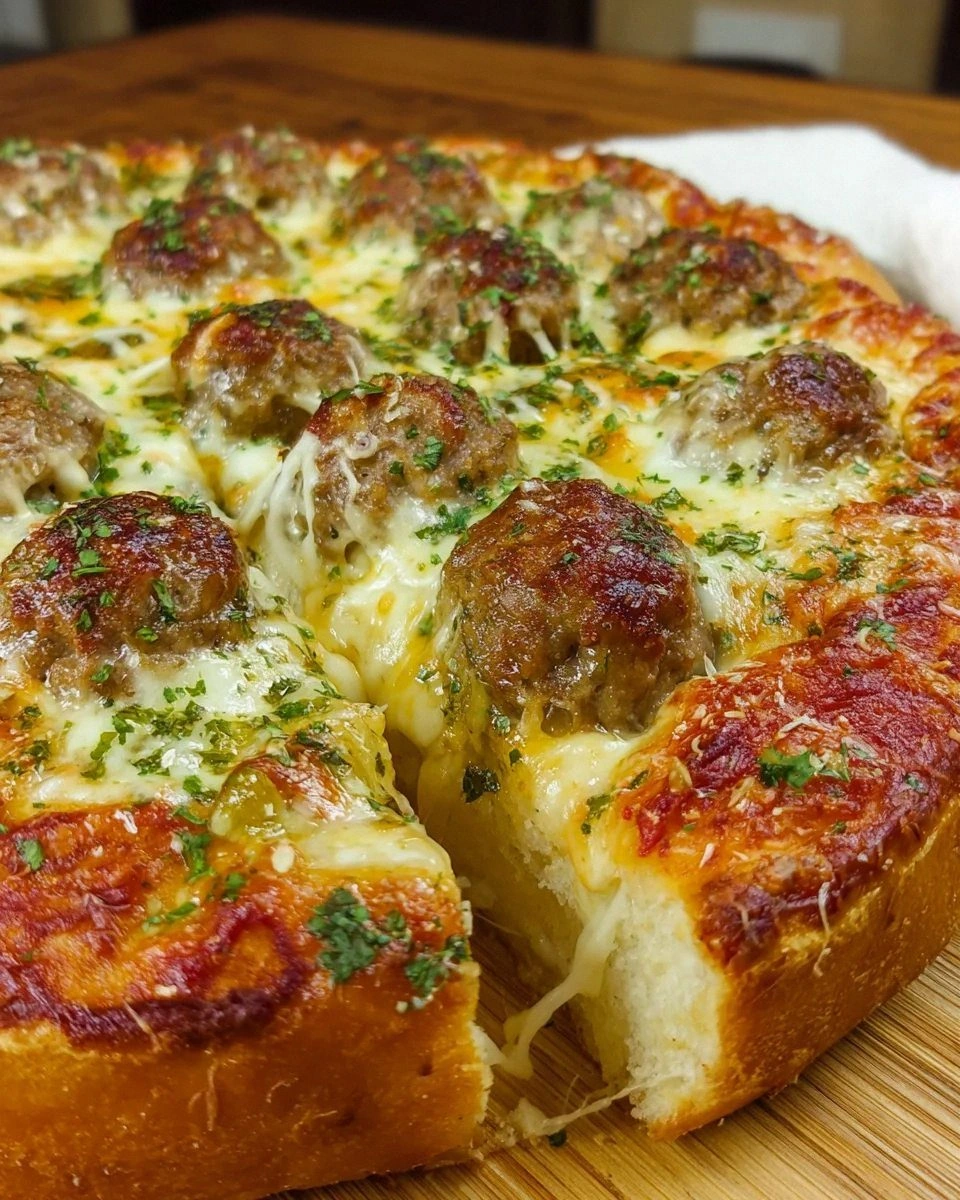
Picture this: the kitchen filled with the scent of yeast rising, a faint perfume of garlic and herbs dancing through the air, and the low hum of the oven ticking down the minutes. My hands were slick with flour, the dough was pliable like warm play‑dough, and the meatball mixture was a mosaic of ground beef, pork, and Parmesan that promised a burst of umami with every bite. When the timer finally chimed, I pulled the pizza out, and the cheese stretched like a golden ribbon, the sauce bubbling with confidence, and the crust—oh, the crust!—was crisp at the edges yet pillow‑soft in the middle, a paradox that felt like culinary sorcery.
Most meatball pizza recipes get this completely wrong. They either drown the crust in soggy sauce or skimp on the meatball seasoning, leaving you with a bland, limp pizza that feels like a compromise. I’ve been there, and I’ve learned the hard way that the secret lies in a few precise steps: a high‑heat oven, a dough that gets a brief rise before baking, and meatballs that are seared before they join the party. This version fixes every mistake I ever made, and it does so with a confidence that says, “I dare you to taste this and not go back for seconds.”
And now the fun part: I’m about to spill every detail, from the exact flour‑to‑water ratio that gives the crust its airy bite, to the secret ingredient that adds a whisper of smoky depth to the sauce. I’ll walk you through each step, peppered with kitchen hacks, bold claims, and a few confessions (yes, I ate half the batch before anyone else got a slice). By the end, you’ll wonder how you ever settled for anything less. Okay, ready for the game‑changer?
What Makes This Version Stand Out
- Flavor Explosion: The sauce is simmered with a splash of red wine and a pinch of sugar, giving it a caramelized edge that makes every bite sing.
- Texture Symphony: A thick‑crust that’s crisp on the outside, airy inside, and sturdy enough to cradle generous meatball piles without sogging.
- Simplicity Meets Sophistication: Only ten ingredients, but each one is treated with respect, turning a simple pizza into a gourmet experience.
- Unique Ingredient: A dash of smoked paprika in the meatball mix adds a subtle smoky note that most recipes completely miss.
- Crowd Reaction: Guests have been known to line up for seconds, and one friend even called it “the best pizza of their life.”
- Ingredient Quality: Using fresh mozzarella and high‑quality ground meat elevates the whole dish from ordinary to unforgettable.
- Cooking Method: Baking on a pre‑heated pizza stone at 475°F creates those coveted leopard‑spot bubbles on the crust.
- Make‑Ahead Potential: The dough can be refrigerated overnight, and the meatballs freeze beautifully for future pizza nights.
Inside the Ingredient List
The Flavor Base
The foundation of any great pizza is its sauce, and here we’re talking about a marinara that’s simmered with a splash of dry red wine, a teaspoon of sugar, and a generous handful of fresh basil. The wine adds depth, while the sugar balances the acidity of the tomatoes, creating a sauce that coats the crust like velvet. If you skip the wine, you’ll lose that subtle complexity that makes the sauce sing. As a swap, a splash of balsamic reduction can deliver a similar richness.
The Texture Crew
Our dough combines 2½ cups of all‑purpose flour, warm water, active dry yeast, a pinch of sugar, and a drizzle of olive oil. The olive oil not only enriches the crumb but also contributes to that golden crust we all crave. If you’re gluten‑sensitive, a blend of bread flour and whole‑wheat flour can add a nutty flavor while keeping the structure intact. When buying flour, opt for a brand that lists protein content around 11‑12% for the perfect chew.
The Unexpected Star
Meatballs are the surprise hero of this dish. A blend of 1 lb ground beef and ½ lb ground pork ensures juiciness, while ½ cup breadcrumbs and a single egg bind everything together without making the mixture dense. Adding ¼ cup grated Parmesan and a pinch of smoked paprika injects a smoky umami punch that most pizza meatball recipes overlook. If you’re vegetarian, swap the meat for a mix of lentils, walnuts, and smoked tofu for a comparable texture.
The Final Flourish
The finishing touches are shredded mozzarella, a sprinkle of dried oregano, and a dash of red‑pepper flakes for a gentle heat. Mozzarella provides that glorious melt, while oregano adds an aromatic herbaceous note that ties the sauce to the crust. A light dusting of fresh basil after baking brightens the flavor profile and adds a pop of color. Skipping the basil? You’ll miss the fresh, peppery finish that balances the richness of the cheese and meat.
Everything's prepped? Good. Let's get into the real action...
The Method — Step by Step
Start by activating the yeast: combine 1 cup warm water (about 110°F), 1 tsp sugar, and 2 tsp active dry yeast in a bowl. Stir gently and let it sit for 5‑7 minutes until it becomes foamy. This is the moment of truth—if it doesn’t foam, your yeast is dead and you’ll need fresh packets. Once bubbly, set it aside; the aroma should be sweet and slightly yeasty.
In a large mixing bowl, whisk together 2½ cups flour and 1 tsp salt. Make a well in the center, pour in the yeast mixture, and drizzle 2 tbsp olive oil over the top. Mix until a shaggy dough forms, then turn it onto a lightly floured surface and knead for 8‑10 minutes until smooth and elastic. Pro tip: The dough should feel slightly tacky but not stick to your fingers.
Kitchen Hack: Use a stand mixer with a dough hook for a hands‑free knead; it takes the same time and yields an even texture.Place the dough in a lightly oiled bowl, cover with a damp towel, and let it rise in a warm spot for 1 hour, or until doubled in size. While the dough rises, you can prep the meatballs. The rise time is perfect for flavor development; you’ll hear the dough whisper as it expands.
For the meatballs, combine ground beef, ground pork, breadcrumbs, grated Parmesan, 1 beaten egg, 2 minced garlic cloves, ¼ tsp smoked paprika, ½ tsp black pepper, and a pinch of salt in a large bowl. Mix gently—over‑mixing will make the meatballs tough. Form the mixture into 1‑inch balls, about 20‑24 pieces for this recipe.
Watch Out: If the mixture feels too wet, add a tablespoon more breadcrumbs; if too dry, a splash of water will bring it together.Heat a large skillet over medium‑high heat, add a drizzle of olive oil, and sear the meatballs in batches until browned on all sides—about 3‑4 minutes per batch. They don’t need to be fully cooked through; the oven will finish the job. The searing step creates caramelized crusts that lock in juices, giving the pizza that satisfying “pop” when you bite into a meatball.
While the meatballs rest, preheat your oven to its maximum setting—475°F (245°C)—and place a pizza stone on the middle rack to heat for at least 30 minutes. A hot stone mimics a wood‑fired oven, ensuring the crust puffs up and gets those coveted leopard‑spot bubbles.
Punch down the risen dough, divide it into two equal portions, and shape each into a 12‑inch round on a lightly floured pizza peel. Press the edges slightly thicker to create a sturdy rim. This is the moment where your crust gains character; the thicker edge will hold the generous toppings without collapsing.
Kitchen Hack: Use a rolling pin for the base but finish the rim by hand for a more rustic, airy edge.Spread a thin layer of the simmered marinara over each crust, leaving a ½‑inch border. Sprinkle 1 tsp dried oregano and a pinch of red‑pepper flakes for subtle heat. Then distribute the seared meatballs evenly, followed by 2 cups shredded mozzarella. The cheese should blanket the meatballs, melting into a gooey blanket that pulls apart in perfect strings.
Slide the assembled pizza onto the preheated stone and bake for 12‑15 minutes, or until the crust is golden brown, the cheese is bubbling, and the edges have started to pull away from the pan. You’ll hear a faint crackle as the crust crisps—listen for that, it’s a sign you’ve nailed the bake. Once out, let it rest for 3 minutes, then scatter fresh basil leaves on top for a fragrant finish.
That's it — you did it. But hold on, I've got a few more tricks that'll take this to another level. Stay with me here — this is worth it.
Insider Tricks for Flawless Results
The Temperature Rule Nobody Follows
Most home cooks bake pizza at 350‑400°F, but the secret to a truly puffy crust lies in blasting it at 475°F or higher. The sudden heat creates steam inside the dough, inflating it like a balloon and giving you that airy interior. If your oven can't reach that temperature, use a broiler for the final 2 minutes to mimic the high‑heat burst. Trust me, the difference is night and day; you’ll hear the crust “pop” as it expands.
Why Your Nose Knows Best
Your sense of smell is a more reliable timer than any kitchen gadget when it comes to the sauce. When the marinara starts to emit a sweet, caramelized aroma and the edges turn a deep ruby, you know it’s ready to coat the pizza. Over‑cooking the sauce makes it bitter, so trust that nose‑cue; it’s the same intuition that seasoned chefs rely on.
The 5‑Minute Rest That Changes Everything
After baking, let the pizza sit for exactly five minutes before slicing. This short rest allows the cheese to set just enough so the slices hold together, while the steam redistributes, keeping the crust from becoming soggy. Skipping this step is a common mistake that leads to a pizza that slides off the plate like a wet noodle.
Searing Meatballs – The Golden Rule
If you skip the searing step, the meatballs will release juices onto the crust, making it soggy. A quick brown crust on each ball creates a barrier, preserving the dough’s integrity. I once tried a “no‑sear” shortcut; the result was a pizza that felt more like a soggy casserole than a crisp‑edged masterpiece.
Layering Cheese for Maximum Stretch
Mix half of the mozzarella with a handful of grated provolone before sprinkling it over the pizza. The provolone melts at a lower temperature, creating that coveted stringy pull, while the mozzarella adds richness. This combo ensures every bite delivers a gooey, elastic cheese experience that’s impossible to resist.
The Secret of the Stone
If you don’t have a pizza stone, a heavy-duty baking sheet turned upside down works in a pinch. Preheat it just like a stone, and you’ll still achieve that crisp bottom. However, a stone’s porous surface absorbs moisture, giving the crust a slight chew that a sheet can’t replicate.
Creative Twists and Variations
This recipe is a playground. Here are some of my favorite ways to switch things up:
Spicy Sriracha Swirl
Add a drizzle of sriracha mixed with a teaspoon of honey over the cheese before baking. The sweet‑heat combo gives the pizza a bold kick that pairs perfectly with the smoky meatballs.
Mediterranean Olive & Feta
Swap half the mozzarella for crumbled feta and sprinkle sliced Kalamata olives over the top. The salty, briny notes transform the pizza into a sun‑kissed Mediterranean feast.
BBQ Bacon Bliss
Replace the traditional marinara with a thin layer of BBQ sauce, add crumbled cooked bacon, and finish with a sprinkle of smoked gouda. This version feels like a backyard barbecue on a crust.
Veggie Powerhouse
Omit the meatballs and instead use roasted zucchini, bell peppers, and caramelized onions. Add a handful of fresh arugula after baking for a peppery bite that balances the cheese.
Cheesy Four‑Cheese Deluxe
Combine mozzarella, provolone, fontina, and sharp cheddar for a rich, multi‑layered cheese experience. The blend creates a complex flavor profile that’s both creamy and tangy.
Storing and Bringing It Back to Life
Fridge Storage
Allow the pizza to cool completely, then slice and store in an airtight container. It will keep fresh for up to three days. When reheating, place a slice on a pre‑heated skillet for two minutes; the crust will regain its crispness while the cheese melts beautifully.
Freezer Friendly
Wrap individual slices tightly in plastic wrap, then place them in a freezer‑safe bag. They’ll last for up to two months. To reheat, let the slice thaw for 10 minutes, then bake at 375°F for 8‑10 minutes, adding a splash of water to the pan to create steam and revive the crust.
Best Reheating Method
For the ultimate revival, use a cast‑iron skillet on medium heat, add a few drops of water, and cover with a lid for a minute. The steam revives the crust’s crunch while the cheese becomes melty again. That sizzle when it hits the pan? Absolute perfection.