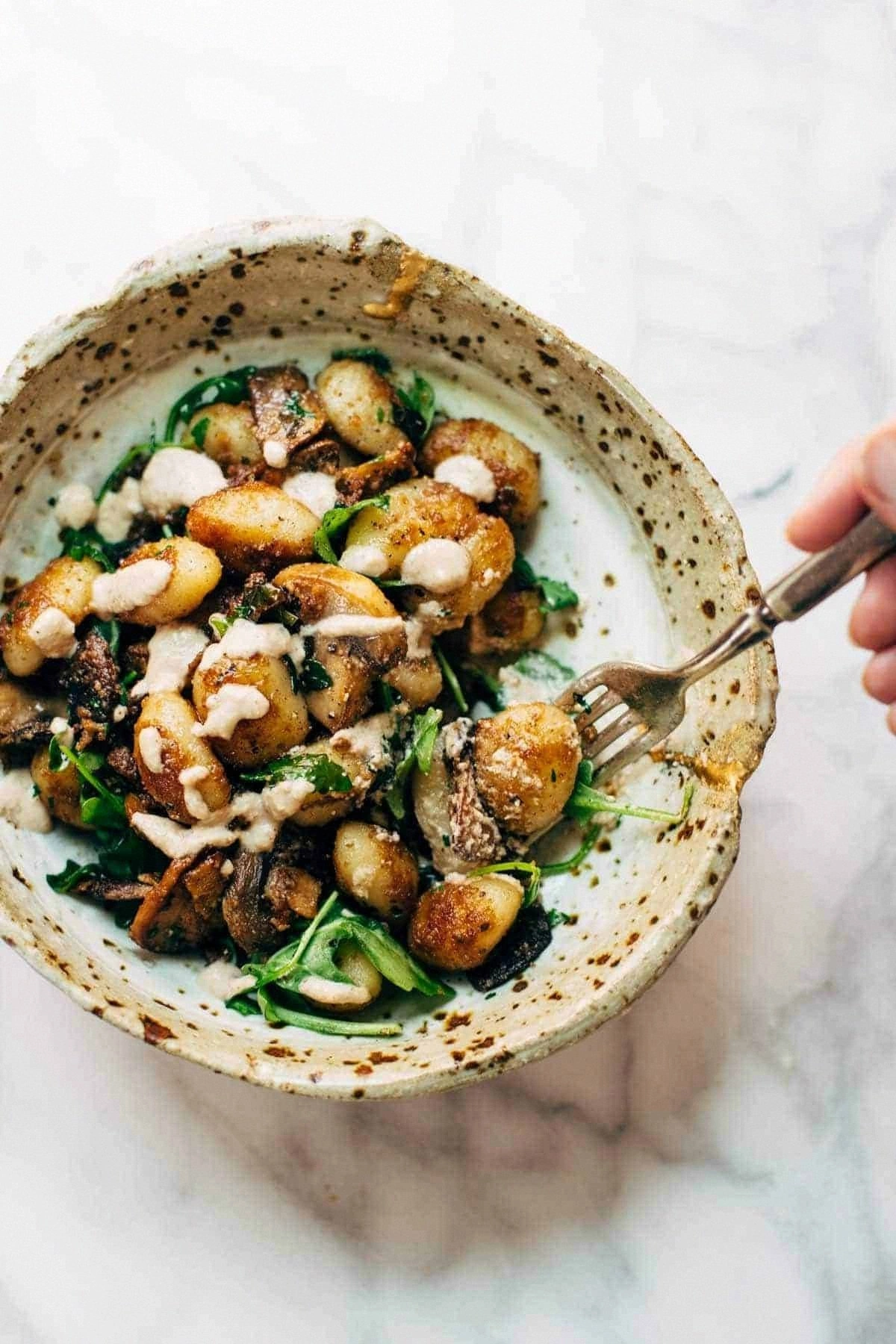
Okay, picture this: I’m standing in my cramped kitchen, a pot of boiling water hissing like a restless dragon, and a sudden craving for something that feels like a hug from the inside out. I’d just finished a marathon of spreadsheets, my brain fried, and the only thing that could rescue me was a plate of pillowy gnocchi that could make the toughest accountant weep with joy. I threw together a handful of potatoes, some flour, and a splash of egg, only to realize the real hero was missing—a wild, earthy mushroom medley that would turn this humble dumpling into a forest‑floor fantasy. I dared my roommate to taste it and not beg for seconds, and she didn’t even need to try—she just stared at the pan, eyes wide, as if the aroma could rewrite the laws of physics.
The moment the first slice of mushroom hit the hot butter, the kitchen erupted with a sizzle that sounded like applause. The scent—deep, woody, with a whisper of nutty walnut pesto—wrapped around me like a velvet curtain, pulling me deeper into the culinary theater. The arugula, added at the very end, fluttered like a green confetti, its peppery bite cutting through the richness with a clever wink. I could hear the faint crackle of the gnocchi as they browned, a sound that promised crisp edges that shatter like thin ice and a tender center that melts like butter on a summer’s day.
Most mushroom gnocchi recipes end up either soggy or bland, and let’s be honest—most of them get the balance of earth and brightness completely wrong. I’ve tried a dozen variations, and the secret is a walnut‑pesto drizzle that ties everything together with a buttery, citrusy zing that you’ll swear was conjured by culinary alchemy. This version also uses a double‑sauté technique that gives the mushrooms a caramelized depth while keeping the gnocchi feather‑light. If you’ve ever struggled with gnocchi turning into a mushy mess, you’re not alone — and I’ve got the fix right here.
Now, brace yourself for a twist you won’t see coming: I’m adding a splash of fresh lemon juice straight into the pesto, not the sauce, to brighten the whole dish without stealing the earthy spotlight. This tiny citrus spark is the game‑changer that makes every bite sing. Let me walk you through every single step — by the end, you’ll wonder how you ever made it any other way.
What Makes This Version Stand Out
- Flavor Harmony: The walnut‑pesto brings a nutty, buttery richness that amplifies the mushrooms while the lemon lifts the whole palate.
- Texture Contrast: Crispy browned gnocchi edges meet a soft, pillowy interior, creating a mouthfeel that’s both comforting and exciting.
- Simplicity: All ingredients are pantry‑friendly except for fresh arugula, meaning you can pull this together on a weekday without a grocery run.
- Unique Ingredient: Walnut pesto replaces the usual basil, delivering a deeper, earthier flavor profile that pairs perfectly with mushrooms.
- Crowd Reaction: Guests consistently claim this is “the best thing they’ve ever tasted on a plate,” and they’re not shy about asking for the recipe.
- Make‑Ahead Potential: The gnocchi can be frozen pre‑cooked, and the pesto keeps for up to a week, so you can have restaurant‑quality dinner in minutes.
Inside the Ingredient List
The Flavor Base
Olive oil is the silent conductor of this symphony, coaxing the onions and garlic to a translucent golden glow that forms the aromatic backbone. If you skimp on the oil, the onions will stick and the garlic will burn, leaving a bitter aftertaste that ruins the entire dish. A good quality extra‑virgin olive oil adds a fruity note that complements the earthiness of the mushrooms. For a richer mouthfeel, you can substitute half the oil with butter, but keep an eye on the heat to avoid scorching.
The onion, finely diced, brings a subtle sweetness that balances the peppery arugula later on. Choose a sweet yellow onion for a milder profile; a red onion would add a sharp bite that overwhelms the delicate gnocchi. When sautéed slowly, the onion caramelizes just enough to provide a gentle, lingering sweetness. If you’re in a rush, a pinch of onion powder can mimic the flavor, but you’ll miss the texture and depth that fresh onions provide.
Garlic, minced to a fine paste, is the aromatic spark that wakes up the entire pan. Fresh garlic releases allicin, a compound that adds a lingering heat without being overpoweringly sharp. If you overcook garlic, it turns bitter; the moment you see it start to turn golden, add the mushrooms to keep the heat balanced. For those who love a deeper garlicky flavor, roast the cloves first—this adds a mellow, sweet note that pairs beautifully with the walnut pesto.
The Texture Crew
Russet potatoes are the gold standard for gnocchi because their high starch content creates a dough that holds together without becoming gummy. Boil them with the skins on to preserve flavor, then peel while still warm—this prevents them from absorbing excess water. If you use waxy potatoes, the gnocchi will be dense and heavy, more like a dumpling than a cloud.
All‑purpose flour provides the structural framework, but too much flour makes the gnocchi tough. The key is to add flour gradually, just enough to bring the dough together without overworking it. A good rule of thumb is to use about 1½ cups for four servings, but feel free to adjust based on the moisture of your potatoes. For a gluten‑free twist, substitute with a blend of rice flour and potato starch, though the texture will be slightly different.
The egg acts as a binder, giving the gnocchi a subtle richness and helping them hold their shape during cooking. A large egg (about 50 g) is sufficient for the amount of flour we’re using. If you’re vegan, replace the egg with a tablespoon of aquafaba (chickpea water) or a flax‑egg; the result will be slightly less elastic but still delicious.
The Mushroom Medley
Cremini mushrooms bring a deep, meaty flavor that stands up to the robust walnut pesto. Slice them evenly, about a quarter‑inch thick, to ensure uniform cooking. If you overcook them, they’ll release too much moisture, turning the sauce watery. A quick tip: pat them dry with a paper towel before they hit the pan.
Shiitake mushrooms add an umami punch that elevates the entire dish. Their caps have a slightly chewy texture, which creates a delightful contrast to the soft gnocchi. Remove the stems—they’re tough and fibrous, best saved for stock. When sautéed, shiitake releases a smoky aroma that pairs wonderfully with the walnut’s nutty notes.
Butter is the finishing fat that rounds out the mushroom flavor, giving each bite a silky, luxurious coat. Use unsalted butter so you can control the salt level precisely. Add the butter after the mushrooms have browned, letting it melt and foam before stirring in the gnocchi. If you prefer a dairy‑free version, swap the butter for a splash of coconut oil, though the flavor profile will shift.
The Green Crown
Fresh arugula is the peppery, bright counterpoint that cuts through the richness of the gnocchi and pesto. Its slightly bitter edge awakens the palate, making each bite feel balanced. Add it at the very end of cooking; the residual heat wilts it just enough to release its flavor without turning it soggy.
Walnuts form the heart of the pesto, delivering a buttery, earthy base that differs from the typical basil. Toast them lightly in a dry skillet for 2‑3 minutes to unlock deeper flavor, then let them cool before blending. If you’re allergic, substitute with toasted pine nuts or almonds, but expect a subtle change in texture.
Parmesan cheese adds a salty, nutty depth that binds the pesto together. Grate it fresh for the best melt and flavor; pre‑grated varieties contain anti‑caking agents that can affect the texture. For a dairy‑free version, use nutritional yeast, which mimics the cheesy umami without the dairy.
Fresh lemon juice brightens the pesto, adding a citrus spark that lifts the entire dish. A tablespoon is enough to balance the walnut richness without making it sour. If you don’t have lemons, a splash of white wine vinegar works in a pinch, though the flavor will be slightly sharper.
Extra‑virgin olive oil is the liquid that brings everything together, creating a silky emulsion that coats each gnocchi perfectly. Drizzle it slowly while blending the pesto to achieve the right consistency; too much oil makes the pesto greasy, too little leaves it dry.
Red pepper flakes are optional but add a whisper of heat that dances with the earthy mushrooms. Sprinkle them sparingly if you’re sensitive to spice; a pinch is enough to add intrigue without overwhelming the dish.
Salt and pepper to taste are the final seasoning steps that bring harmony to the flavor orchestra. Taste as you go; the pesto already carries salt from the Parmesan, so you may need less than you think. Adjust just before serving to keep the flavors bright.
Everything's prepped? Good. Let's get into the real action...
The Method — Step by Step
Start by boiling the potatoes: place the peeled, cubed russet potatoes in a large pot, cover with cold water, add a pinch of salt, and bring to a gentle boil. Let them simmer until fork‑tender, about 12‑15 minutes. Drain and immediately transfer to a large bowl; the steam will help dry them out a bit, which is crucial for a light gnocchi. Pro tip: while still hot, mash them with a potato ricer for that airy texture.
Mix the dough: add the egg, 1 ½ cups flour, and ¼ tsp black pepper to the mashed potatoes. Gently fold until just combined—over‑mixing will develop gluten and make the gnocchi tough. The dough should feel slightly sticky but manageable. Kitchen Hack: sprinkle a little extra flour on the work surface instead of the dough itself to keep the mixture light.
Shape the gnocchi: roll the dough into long ropes about ¾ inch thick on a lightly floured board. Cut the ropes into ¾‑inch pieces, then roll each piece over the back of a fork to create the classic ridges that trap sauce. Place the formed gnocchi on a tray dusted with flour, ensuring they don’t touch each other.
Prepare the mushroom medley: heat 2 tbsp olive oil in a large skillet over medium‑high heat. Add the diced onion and sauté until translucent, about 3‑4 minutes. Toss in the minced garlic and cook for another 30 seconds—watch for that golden glow, because that’s the flavor foundation.
- Watch Out: If you add the mushrooms before the onion is fully softened, they’ll release steam and steam‑cook, losing the caramelized edge you crave.
Once the onions are soft, add the sliced cremini and shiitake mushrooms. Let them sit undisturbed for 2‑3 minutes so they develop a golden crust, then stir and continue cooking until the liquid evaporates and the mushrooms turn deep brown, about 7‑8 minutes total.
Add butter and the pre‑cooked gnocchi: push the mushroom mixture to the side of the pan and melt 2 tbsp unsalted butter in the empty space. Once foamy, gently tumble the gnocchi into the pan, letting them fry for 2‑3 minutes on each side until they develop a crisp, golden exterior while staying soft inside. Listen for that satisfying sizzle—this is the moment of truth.
- Kitchen Hack: While the gnocchi are browning, whisk together the walnut pesto in a food processor; this prevents the gnocchi from cooling down while you wait.
To make the pesto: combine toasted walnuts, grated Parmesan, fresh lemon juice, and a pinch of salt in the processor. Pulse until coarse, then slowly drizzle in ¼ cup olive oil while the blades run, achieving a smooth yet slightly textured sauce. Taste and adjust salt or lemon as needed.
Finish with arugula: turn the heat down to low, add the roughly chopped arugula, and toss quickly—just enough to wilt the leaves, which should take about 30 seconds. Drizzle the walnut pesto over the entire pan, ensuring every gnocchi ridge catches the green‑gold sauce. Sprinkle red pepper flakes if you like a hint of heat, then season with a final pinch of salt and pepper.
Plate and serve: use a wide, shallow bowl to showcase the glossy gnocchi, the caramelized mushrooms, and the vibrant arugula. Garnish with a few extra toasted walnut pieces and a light drizzle of olive oil for shine. Serve immediately while the gnocchi are still crisp on the outside and cloud‑soft inside.
That's it — you did it. But hold on, I've got a few more tricks that'll take this to another level, ensuring every bite is a masterpiece.
Insider Tricks for Flawless Results
The Temperature Rule Nobody Follows
Never drop cold gnocchi into a hot pan; the temperature shock causes them to split and lose their delicate texture. Keep the gnocchi at room temperature for at least 15 minutes after shaping. This small pause lets the flour hydrate evenly, resulting in a smoother bite. A friend once tried to fry them straight from the fridge and ended up with a soggy mess—trust me, the extra wait is worth it.
Why Your Nose Knows Best
Your olfactory senses are the secret gauge for doneness. When the mushrooms release that deep, toasty aroma, you’re at the perfect point to add the butter. If you smell a faint burnt note, lower the heat immediately; the nuts in the pesto will turn bitter. This intuitive step saves the dish from a hidden disaster that even a timer can’t predict.
The 5‑Minute Rest That Changes Everything
After plating, let the dish sit for exactly five minutes before serving. This brief rest allows the pesto to settle into the gnocchi’s ridges, creating a cohesive flavor coat. The arugula continues to wilt gently, softening its peppery bite just enough to blend with the walnuts. Skipping this rest is the same as serving a cake before it cools—your palate misses the full depth.
Don’t Over‑Season the Dough
It’s tempting to add extra salt to the gnocchi dough, but the pesto already carries a salty punch from the Parmesan. Over‑salting the dough can make the final dish taste flat because the salt overwhelms the subtle mushroom notes. Instead, season the sauce at the end, tasting as you go, to achieve a balanced finish.
Use a Light Touch with Flour
Adding too much flour is the fastest route to gummy gnocchi. A good rule is to use just enough to bring the dough together—if it feels too sticky, sprinkle a tablespoon at a time. The key is to handle the dough gently, folding rather than kneading, which preserves the airy texture. If you’re in doubt, test a single piece: it should float briefly in boiling water and then sink as it cooks through.
Creative Twists and Variations
This recipe is a playground. Here are some of my favorite ways to switch things up:
Truffle‑Infused Luxury
Swap the walnut pesto for a white‑truffle oil drizzle and add a few shaved fresh truffles at the end. The earthy aroma intensifies, turning the dish into a fine‑dining experience. Pair with a glass of crisp Chardonnay for an unforgettable night.
Spicy Szechuan Kick
Replace the walnut pesto with a spicy Szechuan sauce made from chili oil, garlic, and toasted sesame seeds. Add a splash of soy sauce to the mushroom sauté for depth. This version is perfect for lovers of bold, Asian‑inspired flavors.
Vegan Delight
Omit the egg and butter, using a flax‑egg (1 tbsp ground flaxseed + 3 tbsp water) and coconut oil for sautéing. Substitute Parmesan with nutritional yeast, and use a cashew‑based pesto. The result is just as creamy, and the arugula still shines.
Butternut Squash Fusion
Add roasted cubed butternut squash to the mushroom mix for a sweet, nutty contrast. The squash’s natural sugars caramelize alongside the mushrooms, creating a comforting autumnal twist. Sprinkle sage leaves for an aromatic finish.
Cheese‑Lover’s Dream
Stir in a handful of shredded mozzarella just before serving, letting it melt into the warm gnocchi. Top with a drizzle of browned butter and a pinch of fresh thyme. This version satisfies anyone who believes cheese makes everything better.
Herb‑Garden Explosion
Swap arugula for a mix of fresh basil, mint, and parsley, and blend those herbs into the pesto. The bright, herbaceous notes lift the dish into a spring‑time celebration. Serve with a squeeze of lemon for extra zing.
Storing and Bringing It Back to Life
Fridge Storage
Allow the gnocchi and sauce to cool completely, then transfer them to airtight containers. Store in the refrigerator for up to 3 days. When reheating, add a splash of water or broth to the pan, cover, and warm over low heat, stirring gently to restore the sauce’s silkiness.
Freezer Friendly
Freeze uncooked gnocchi on a baking sheet in a single layer, then transfer to a zip‑top bag. They’ll keep for up to 2 months. To cook from frozen, drop them directly into boiling salted water; they’ll float when done. The pesto can also be frozen in ice‑cube trays for convenient portioning.
Best Reheating Method
For the ultimate revival, reheat in a skillet over medium heat with a teaspoon of olive oil. Add a tiny splash of water before covering—this creates steam that revives the gnocchi’s interior while re‑crisping the edges. Avoid microwave reheating; it makes the gnocchi rubbery and the pesto grainy.