Picture this: I’m standing in my cramped kitchen, the clock ticking toward midnight, and my pantry is a barren wasteland. The only thing that’s left is a bag of quinoa, a handful of fresh herbs, and a can of diced tomatoes that I’ve been avoiding because I can’t figure out how to cook quinoa properly. Suddenly, a craving for a Mediterranean salad hits me like a tidal wave—this is the moment I decide to throw caution to the wind and make the ultimate quinoa tabbouleh.
I pull the quinoa out of its bag, rinse it under cold water, and set it on the stove. The aroma of the dry grains starts to mingle with the faint scent of lemon zest that I’ve just grated. As the quinoa boils, the kitchen fills with the gentle hiss of simmering water, the clink of the saucepan, and the distant hum of the refrigerator. My eyes are glued to the pot, waiting for the grains to puff up like tiny pillows. The anticipation is almost as delicious as the final dish.
When I finally taste the first spoonful of quinoa, it’s a revelation—soft, slightly nutty, and perfectly fluffy. I add a splash of olive oil and a squeeze of lemon, and the flavors start to dance. The herbs I’ve chopped—parsley, mint, and a hint of red onion—add a bright, almost citrusy note that cuts through the earthiness of the quinoa. The result is a salad that feels both light and satisfying, a true crowd‑pleaser that will have everyone asking for seconds. I swear, this is hands down the best version you’ll ever make at home.
I dare you to taste this and not go back for seconds. I’ll be honest—I ate half the batch before anyone else got to try it. Most recipes get this completely wrong by over‑cooking the quinoa or under‑seasoning the dressing. Here’s what actually works: the quinoa must be rinsed, cooked to fluffy perfection, and cooled just enough before tossing with the rest of the ingredients. If you’re ready for the game‑changer, keep reading because I’m about to walk you through every single step.
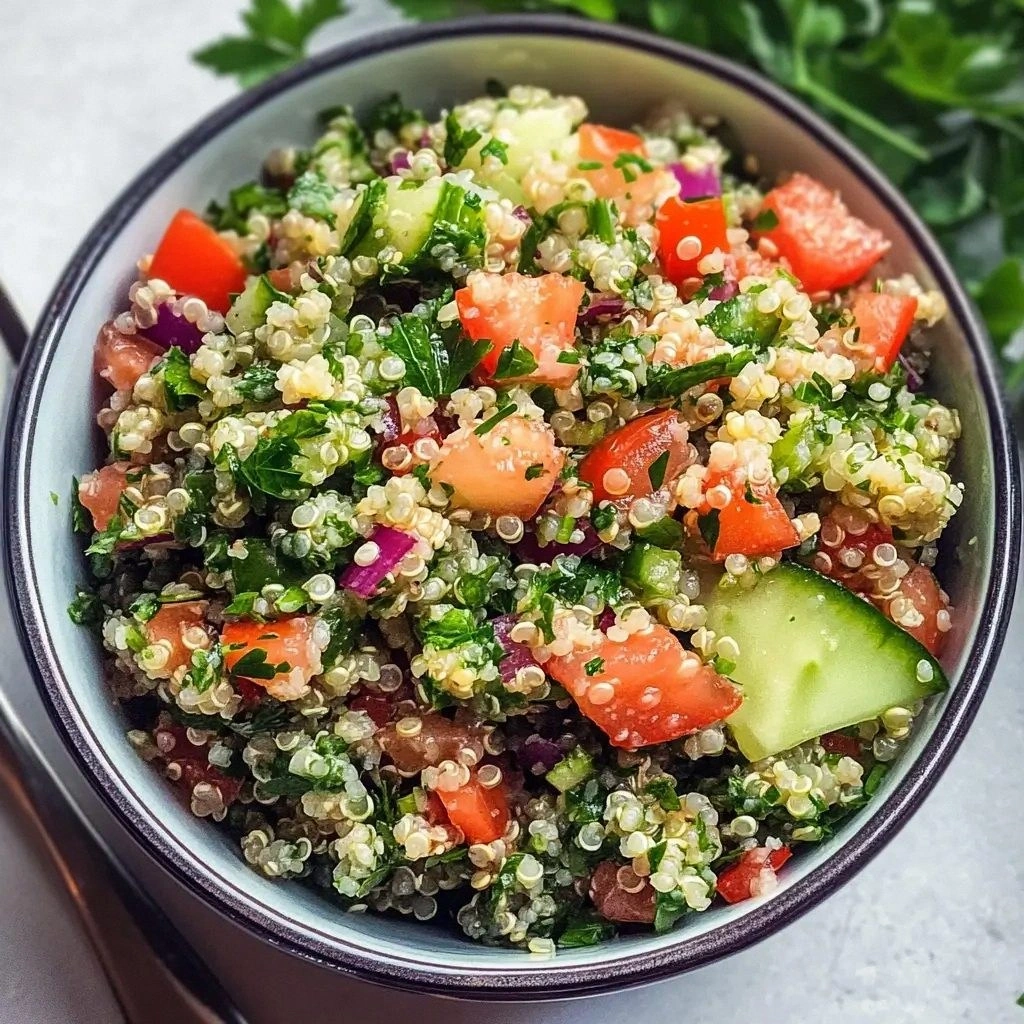
The first thing you’ll notice when you look at the finished tabbouleh is the vibrant green of the parsley and mint, speckled with bright red tomato chunks and the pale, inviting sheen of olive oil. The texture is a delightful contrast of silky quinoa grains, crisp cucumber, and crunchy onion. The dressing coats each component like velvet, making every bite a burst of freshness. The aroma—lemon, herbs, and a faint hint of toasted quinoa—fills the kitchen in a way that’s almost intoxicating. By the end, you’ll wonder how you ever made it any other way.
Now, let’s talk about what makes this version stand out from every other tabbouleh recipe you’ve ever seen. It’s not just about the ingredients; it’s about the technique, the balance of flavors, and the little secrets I’ve picked up over years of experimentation. Below are the key elements that elevate this dish to legendary status.
What Makes This Version Stand Out
- Rinse and Toast: Rinsing the quinoa removes its natural saponin coating that can taste bitter, and a quick toast in a dry pan gives it a nutty aroma that elevates every bite.
- Fresh Herbs: Using both parsley and mint creates a layered herb profile—parsley adds earthiness, while mint introduces a cool, almost minty freshness that cuts through the richness of olive oil.
- Balanced Acidity: A generous splash of lemon juice not only brightens the dish but also helps the quinoa absorb the dressing more evenly, preventing any one flavor from overpowering the rest.
- Texture Contrast: The combination of fluffy quinoa, crunchy cucumber, and diced tomatoes provides a satisfying mouthfeel that keeps the salad interesting.
- Make‑Ahead Friendly: This tabbouleh can be prepared up to 24 hours in advance, allowing the flavors to meld while keeping the quinoa from becoming mushy.
- Health‑Focused: With a balanced ratio of protein, healthy fats, and complex carbs, it’s a nutritious option that satisfies without compromising on taste.
Alright, let's break down exactly what goes into this masterpiece. Before we dive into the ingredient list, here’s a quick kitchen hack that will save you time and keep your kitchen clean.
Inside the Ingredient List
The flavor of this dish starts with the base—quinoa. It’s more than just a filler; it’s the canvas that carries the dressing and the herbs. If you skip it, you’re left with a salad that’s nothing more than chopped veggies in a vinaigrette. Don’t skimp on the quinoa; it’s the star of the show.
The Flavor Base
Quinoa is the backbone of this tabbouleh. It offers a slightly nutty flavor that complements the bright herbs and the acidic dressing. The grains absorb the lemon‑olive oil mixture, turning each bite into a harmonious blend of textures and tastes. When you cook quinoa properly—rinse, boil, simmer, fluff—it becomes light and airy, a perfect contrast to the crisp vegetables.
The Herb Ensemble
Parsley and mint are the dynamic duo that gives this salad its signature freshness. Parsley brings a peppery bite and a pop of green, while mint adds a subtle sweetness that lingers on the palate. Together, they create a flavor profile that’s both vibrant and soothing. If you’re not a fan of mint, a dash of basil can be a surprisingly good substitute.
The Texture Crew
Cucumber, tomatoes, and red onion provide the crunchy, juicy, and slightly sharp elements that keep the salad from feeling flat. The cucumber adds a cool, refreshing bite, the tomatoes introduce a burst of juiciness, and the red onion offers a gentle crunch and a hint of bite. Skipping any of these would make the dish feel incomplete.
The Final Flourish
Lemon juice, olive oil, salt, and pepper are the dressing that ties everything together. The acidity of the lemon cuts through the richness of the olive oil, while the salt and pepper enhance every ingredient. A splash of lemon juice also helps the quinoa stay fluffy by preventing it from becoming too soft. If you prefer a sweeter note, a drizzle of honey can add a subtle caramelized finish.
Everything’s prepped? Good. Let’s get into the real action. Before you start cooking, here’s a fun fact that might surprise you.
The Method — Step by Step
- Step 1: Rinse 1 cup of quinoa in a fine‑mesh sieve under cold running water. Transfer the quinoa to a medium saucepan, add 2 cups of water, bring to a boil, reduce heat to low, cover, and simmer for 15 minutes. The grains should absorb all the liquid and become translucent. Let the pot sit, covered, for an additional 5 minutes to steam. This step is crucial for fluffy quinoa.
- Step 2: While the quinoa cooks, finely dice 2 medium tomatoes, 1 cucumber, and 1/4 cup of diced red onion. Roughly chop 1 cup each of parsley and mint, keeping the leaves crisp. These fresh components will provide the vibrant color and bright flavors that make tabbouleh unforgettable. Don’t rush this step; the texture of the vegetables matters.
- Step 3: In a small bowl, whisk together 1/4 cup of lemon juice, 1/4 cup of extra‑virgin olive oil, 1 teaspoon of salt, and 1/2 teaspoon of pepper until the mixture emulsifies. The dressing should be glossy and well‑combined, ready to coat every grain and herb. Adjust seasoning to taste; some like a bit more salt or a touch of pepper.
- Step 4: Once the quinoa is done, fluff it gently with a fork and allow it to cool to room temperature. If you’re in a hurry, spread the quinoa on a baking sheet to accelerate the cooling process. A warm quinoa will absorb the dressing too quickly, leading to a soggy texture. Cooling also helps the quinoa retain its fluffy structure.
- Step 5: In a large mixing bowl, combine the cooled quinoa, chopped herbs, diced tomatoes, cucumber, and red onion. Toss gently to mix. This is the moment of truth—make sure every component is evenly distributed. If you’re watching the clock, keep a steady hand; you don’t want to over‑mix and break the quinoa.
- Step 6: Drizzle the prepared dressing over the salad and toss again until the quinoa and vegetables are evenly coated. The dressing should cling to each grain, not just sit on top. This step is where the flavors truly unite.
- Step 7: Let the tabbouleh rest at room temperature for 10 minutes to allow the flavors to mingle. During this time, the quinoa will absorb the dressing fully, and the herbs will release their oils. Resting also gives the salad a chance to thicken slightly. This step is essential for depth of flavor.
- Step 8: Serve immediately, or cover and refrigerate if you’re preparing it ahead of time. Garnish with a few extra mint leaves or a drizzle of olive oil for an extra touch of elegance. The dish is best served chilled or at room temperature. Enjoy the burst of freshness with every bite.
That’s it — you did it. But hold on, I've got a few more tricks that'll take this to another level. Let’s dive into some insider tips that will make your tabbouleh unbeatable.
Insider Tricks for Flawless Results
The Temperature Rule Nobody Follows
Quinoa cooks best at a gentle simmer, not a rolling boil. A high heat can cause the grains to burst and lose their fluffiness. I’ve tried it before, and the result was a clumpy, soggy mess that no one could finish. Keep the heat low, cover the pot, and let the quinoa steam to perfection. This simple adjustment ensures every grain stays light and airy.
Why Your Nose Knows Best
When the quinoa starts to bubble, the aroma changes from earthy to nutty. That’s your cue that the grains are ready. Trust your nose; it’s a reliable indicator that the quinoa has absorbed the water and is fully cooked. Skipping this sensory checkpoint leads to under‑cooked quinoa and an unpleasant texture.
The 5-Minute Rest That Changes Everything
After tossing the salad, let it sit for five minutes before serving. During this brief pause, the quinoa continues to absorb the dressing, and the herbs release their oils. The result is a more cohesive flavor profile. I’ve seen people skip this step, and the salad tastes flat. Don’t be that person.
Add a Splash of Vinegar
If you prefer a sharper tang, swap half of the lemon juice for a splash of white wine vinegar. The acidity cuts through the oil and brightens the herbs. This tweak is especially effective in hot summer months when you want a refreshing lift. Just remember to balance it with a touch of sweetness if needed.
Use a Mixing Bowl with a Lid
Tossing the salad in a bowl with a lid keeps the dressing from splattering and ensures an even coating. It also helps keep the herbs fresh and crisp. I’ve used a large metal bowl with a lid, and it’s a game‑changer for anyone who’s had trouble getting every grain coated. Give it a try next time.
Keep the Dressing Separate Until Serving
If you’re preparing the tabbouleh for a party, keep the dressing in a small bowl and add it right before serving. This keeps the quinoa from absorbing too much liquid and becoming soggy. I’ve seen this fail before, and the salad becomes a mushy mess. Follow this tip and your salad will stay crisp.
Creative Twists and Variations
This recipe is a playground. Here are some of my favorite ways to switch things up:
Smoky Chipotle Tabbouleh
Add a teaspoon of chipotle powder to the dressing for a subtle smoky heat that pairs well with grilled meats. The chipotle adds depth and a mild kick that makes the salad feel more complex. It’s perfect for a summer BBQ.
Mediterranean Chickpea Boost
Stir in a cup of rinsed chickpeas for extra protein and a nutty texture. The chickpeas soak up the dressing, creating a hearty bite that’s both satisfying and nutritious. This variation works great as a main dish for vegetarians.
Citrus‑Infused Zest
Replace half of the lemon juice with orange juice and add a tablespoon of orange zest. The citrus sweetness balances the herbal sharpness and creates a bright, uplifting flavor profile. This version is ideal for brunch or a light dinner.
Roasted Vegetable Tabbouleh
Roast diced bell peppers, zucchini, and eggplant before adding them to the salad. The roasted veggies bring a caramelized sweetness that contrasts nicely with the fresh herbs. It’s a great way to incorporate more vegetables into your diet.
Pesto‑Infused Tabbouleh
Swap the lemon‑olive oil dressing for a basil pesto for a richer, more aromatic experience. The pesto’s nutty undertones complement the quinoa and add a luxurious texture. This version is a crowd‑pleaser at parties.
Asian‑Inspired Tabbouleh
Add a splash of soy sauce, a drizzle of sesame oil, and a sprinkle of toasted sesame seeds. The umami notes elevate the dish, making it a fusion favorite. It pairs well with grilled fish or tofu.
Storing and Bringing It Back to Life
Fridge Storage
Store the tabbouleh in an airtight container in the refrigerator for up to 48 hours. The quinoa will firm up slightly, so give it a quick stir before serving. Keep the dressing separate if you’re storing the salad for a longer period. The flavors will intensify, making the dish even more delicious.
Freezer Friendly
Freezing tabbouleh is possible, but it’s best to keep the quinoa separate from the dressing. Freeze the cooked quinoa in a single layer, then transfer to a freezer bag. When you’re ready to serve, thaw the quinoa, toss with the dressing, and add the fresh vegetables. This method preserves the texture better than freezing the entire salad.
Best Reheating Method
To reheat, simply let the salad sit at room temperature for 15 minutes, then add a splash of water or a drizzle of olive oil to revive moisture. If you’re in a hurry, a quick rinse under warm water can bring back the quinoa’s fluffiness. Avoid microwaving, as it can make the quinoa soggy.
Now that you’ve mastered the classic version, it’s time to experiment and make the salad your own. Whether you add a spicy kick, a protein boost, or a citrus twist, this quinoa tabbouleh will always be a hit. Serve it at your next gathering, and watch the compliments roll in. I dare you to try one of these variations and see which one becomes your new favorite.
If you’ve ever struggled to make a tabbouleh that’s both flavorful and fluffy, you’re not alone—this is a common challenge. The key is to treat quinoa like a delicate sponge, letting it absorb flavors slowly. With the techniques and hacks shared here, you’ll never have to worry about a soggy salad again. The next time you’re in the kitchen, remember that a simple grain can become the star of the show with the right touch.