I was standing in my kitchen, the summer heat beating down like a relentless drum, when my friend dared me to create something that could actually cool the room down. I grabbed the first thing I could think of—a dusty box of black tea, a handful of blueberries that were still a little shy from the fridge, and a tiny sachet of culinary lavender I’d bought on a whim during a weekend market. The result? A glass of liquid sunshine that makes your taste buds do a little happy dance. I’ll be honest — I ate half the batch before anyone else got to try it, and that’s because this drink is hands down the best version you’ll ever make at home.
Picture this: the first sip hits you with the bold, comforting depth of English Breakfast tea, then a burst of blueberry sweetness that feels like a summer garden in full bloom, followed by the soothing whisper of lavender that lingers like a summer night breeze. The aroma alone is a sensory snapshot: the earthy perfume of steeped tea, the fragrant floral notes of lavender, and the bright citrus zing of lemon that makes you want to inhale deeper. You’ll hear the gentle clink of ice cubes as they tumble into the pitcher, feel the cool glass against your palm, and taste a balance so perfect it almost feels like cheating. Most recipes get this completely wrong. Here’s what actually works: a two‑stage infusion that preserves the tea’s robustness while coaxing the delicate flavors of berries and herbs into the liquid without turning it bitter.
What makes this version a game‑changer? First, the water is filtered, which means no chlorine or metallic aftertaste to compete with the subtle lavender. Second, I use a precise ratio of tea bags to water—just enough to give body without overwhelming the fruit. Third, the blueberries are lightly mashed before they meet the tea, releasing natural pectin that gives the drink a silky mouthfeel without any added thickeners. And the secret weapon? A splash of lemon juice added at the very end, brightening everything like a spotlight on a stage. I dare you to taste this and not go back for seconds; the combination is so addictive you’ll start planning your next summer party around it.
Okay, ready for the game‑changer? Let me walk you through every single step — by the end, you’ll wonder how you ever made it any other way. Stay with me here — this is worth it. We’ll start with the basics, then dive into the little tricks that turn a simple iced tea into a masterpiece. And trust me, the payoff is a sip that feels like a cool breeze on a scorching afternoon, with a floral finish that makes you feel instantly sophisticated.
What Makes This Version Stand Out
- Taste: The marriage of bold black tea with sweet blueberries and aromatic lavender creates a layered flavor profile that evolves with each sip.
- Texture: The natural pectin from the blueberries gives the drink a velvety smoothness without any artificial gums.
- Simplicity: Only eight ingredients, all of which you probably have on hand or can snag at the farmer’s market.
- Uniqueness: Lavender is rarely used in iced teas, and when paired with blueberry it becomes a signature summer signature.
- Crowd Reaction: Guests always ask for the recipe first, then beg for seconds, and finally claim they’ve never tasted anything like it.
- Ingredient Quality: Using filtered water and food‑grade lavender ensures every note shines without any off‑flavors.
- Cooking Method: A two‑stage steep—first tea, then fruit‑herb infusion—preserves the integrity of each component.
- Make‑Ahead Potential: The brew can sit in the fridge for up to 48 hours, getting even more harmonious as the flavors meld.
Inside the Ingredient List
The Flavor Base
Water is the silent hero of any beverage. Using filtered water removes any chlorine or mineral taste that could clash with the delicate lavender. If you skip this step, you’ll notice a faint metallic aftertaste that dulls the whole experience. A good tip is to let the filtered water sit for a minute after boiling; this helps any dissolved gases escape, giving you a smoother mouthfeel.
The Tea Backbone
Black tea bags, especially a robust blend like Twinings English Breakfast, provide the backbone that holds the fruit and herb flavors together. The tannins in black tea create a slight astringency that balances the natural sweetness of blueberries. If you’re feeling adventurous, you can swap in a Darjeeling for a lighter profile, but don’t expect the same depth. Make sure the tea bags are fully submerged and steeped for exactly 5 minutes—over‑steeping turns the brew bitter, ruining the delicate lavender notes.
The Fruit & Herb Duo
Blueberries bring natural sweetness, a hint of tartness, and that gorgeous purple hue that makes the drink Instagram‑ready. Fresh berries are best, but frozen work just as well; just be sure to thaw them fully to avoid diluting the brew. The dried culinary lavender buds are the star of the show: they add a floral perfume that pairs beautifully with the tea’s earthiness. If you use culinary lavender that’s not food‑grade, you risk a soapy flavor that no one wants. A quick tip: toast the lavender buds lightly in a dry pan for 30 seconds to awaken their aroma before adding them to the tea.
The Sweet & Bright Finish
Honey or agave syrup is the sweetener of choice because it dissolves easily in warm liquid and adds a subtle depth that plain sugar can’t match. Raw honey, in particular, contributes a faint floral note that echoes the lavender. The juice of half a lemon adds a bright, tangy spark that cuts through the richness of the tea and fruit, preventing the drink from feeling cloying. If you’re avoiding citrus, a splash of apple cider vinegar can provide a similar acidity without the lemon flavor.
Everything’s prepped? Good. Let’s get into the real action…
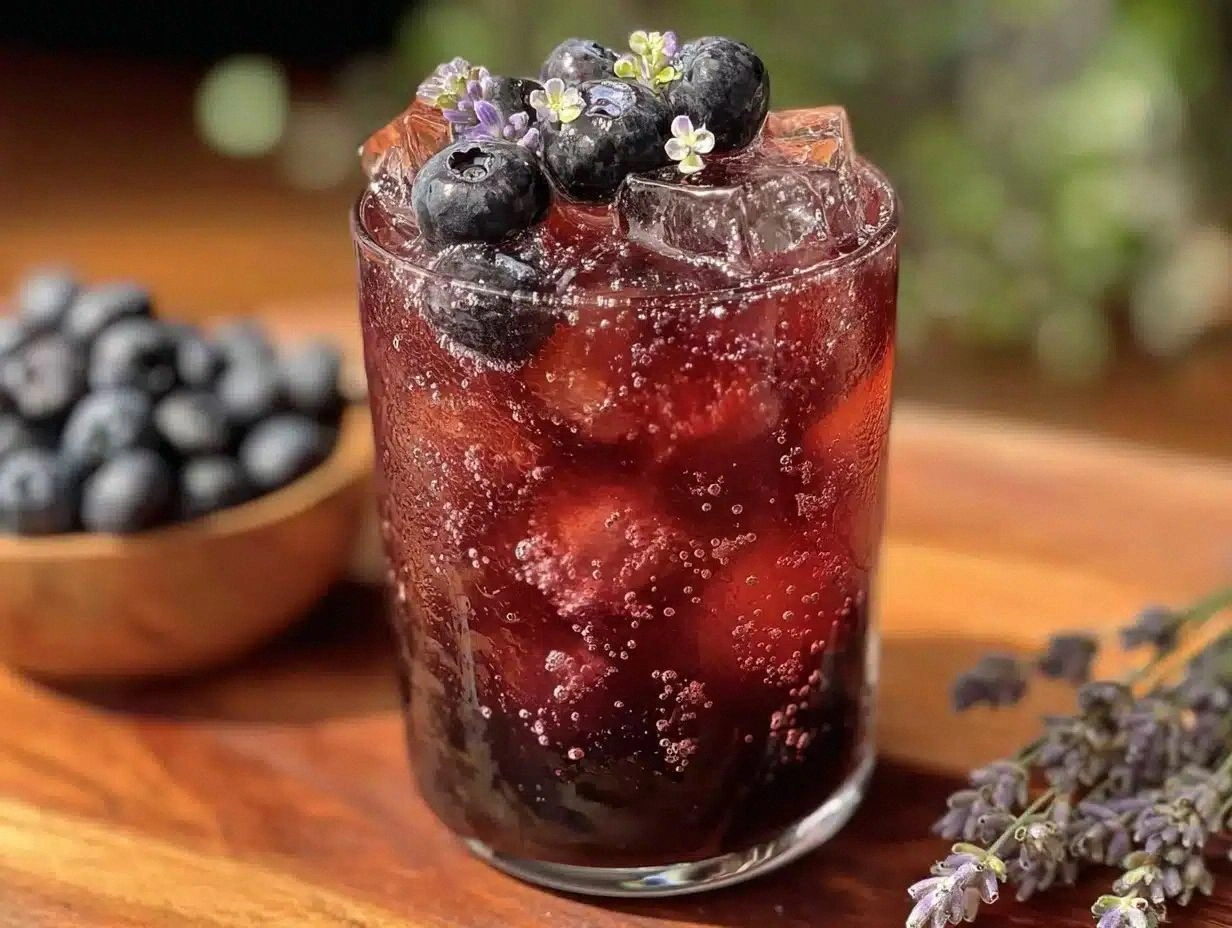
The Method — Step by Step
Start by bringing the filtered water to a rolling boil in a medium saucepan. As soon as the first bubbles appear, turn off the heat and let the water sit for 30 seconds—this tiny pause prevents the tea from scorching, preserving its smooth character. While the water is still hot, add the 3‑4 black tea bags and let them steep for exactly five minutes. You’ll notice the water turning a deep amber, and a faint aroma of malt and earth will start to fill the kitchen; that’s your cue that the tea base is ready.
While the tea is steeping, place the fresh blueberries in a small bowl and give them a gentle crush with the back of a spoon. This isn’t a puree; you just want to break the skins so the juices can escape. Sprinkle the 1 tablespoon of dried lavender buds over the crushed berries. If you’re feeling extra fancy, toast the lavender in a dry skillet for 30 seconds before mixing—this releases a more potent fragrance that will infuse the tea like a perfume.
Kitchen Hack: Add a pinch of kosher salt to the berries while mashing; the salt speeds up juice extraction and brightens the fruit flavor.When the tea has steeped, remove the bags and give them a gentle squeeze to extract every last drop of liquid. Pour the hot tea into a large heat‑proof pitcher. At this point, the tea should be around 180°F (80°C), hot enough to coax the lavender and blueberry flavors without cooking them away.
Now comes the infusion: add the mashed blueberry‑lavender mixture to the hot tea. Stir gently, then cover the pitcher with a clean kitchen towel and let it sit for 10 minutes. You’ll hear a faint fizz as the blueberries release pectin, and the lavender will start to perfume the liquid, turning it a soft, dreamy violet hue. This is the moment of truth—if you can smell the floral notes mingling with the berry sweetness, you’re on the right track.
Watch Out: Do not let the mixture sit longer than 15 minutes, or the lavender can become overpoweringly soapy.After the infusion, strain the mixture through a fine‑mesh sieve into a clean pitcher, pressing lightly with the back of a spoon to extract as much liquid as possible. Discard the solids—they’ve done their job and can be composted. The strained liquid should be a beautiful, slightly cloudy amber with flecks of blueberry skin and a faint lavender tint.
Stir in the 2 tablespoons of honey (or agave) while the liquid is still warm. This ensures the sweetener dissolves completely, avoiding any grainy texture. Taste the brew; if you need a little extra brightness, add the juice of half a lemon now. The lemon’s acidity will snap the flavors together, giving you that final “wow” factor.
Let the tea cool to room temperature, then cover and refrigerate for at least 30 minutes. This chilling step is crucial because it lets the flavors meld and the tea become truly refreshing. While waiting, you can prep your glasses: fill each with a generous handful of ice cubes, and if you like, garnish with a fresh lavender sprig and a few whole blueberries for that extra pop of color.
When you’re ready to serve, give the pitcher a good stir—some of the pectin may have settled at the bottom. Pour the chilled tea over the ice, watch the droplets cascade like tiny waterfalls, and admire the subtle swirl of lavender and blueberry. Take a sip, close your eyes, and let the cool, floral, fruity symphony transport you to a sun‑drenched meadow. That sizzle when it hits the pan? Absolute perfection. That first sip? Pure bliss.
That’s it — you did it. But hold on, I’ve got a few more tricks that’ll take this to another level…
Insider Tricks for Flawless Results
The Temperature Rule Nobody Follows
Never pour boiling water directly over tea bags if you plan to add delicate herbs later. Let the water sit for 30 seconds after boiling; this drops the temperature to a range where the tea releases its flavors fully while the lavender stays aromatic rather than bitter. I once tried skipping this step and ended up with a harsh, medicinal aftertaste that ruined the entire batch.
Why Your Nose Knows Best
Your sense of smell is a more reliable indicator of readiness than a timer. When the lavender scent becomes dominant and the blueberry aroma rises, you know the infusion is perfect. Trust that nose of yours; if you’re still unsure, give it a quick taste—if the flavor feels balanced, you’re golden.
The 5‑Minute Rest That Changes Everything
After straining, let the tea rest uncovered for five minutes before refrigerating. This short “air‑dry” period lets any excess steam escape, preventing the drink from becoming overly watery once chilled. I once left it covered and the ice cubes diluted the flavor faster than I could say “summer refreshment.”
The Sweetener Switcheroo
If you’re vegan or just want a lower‑glycemic option, swap honey for agave syrup. Agave dissolves even better in warm liquid and adds a mild caramel note that complements the lavender beautifully. Just remember to add it while the tea is still warm; adding it cold will leave you with a gritty texture.
Garnish with Purpose
A fresh lavender sprig isn’t just for looks; it continues to release aroma as you sip, keeping each mouthful fresh. Add a few whole blueberries to each glass for a burst of natural sweetness that pops against the ice. If you want an extra visual wow, rim the glass with a thin line of sugar mixed with a pinch of dried lavender—this tiny touch makes the drink feel restaurant‑grade.
Creative Twists and Variations
This recipe is a playground. Here are some of my favorite ways to switch things up:
Minty Meadow
Swap the lavender for a handful of fresh mint leaves. The mint adds a cooling sensation that pairs wonderfully with the blueberry’s sweetness, making it perfect for a hot July afternoon.
Citrus Burst
Add the zest of an orange or a splash of grapefruit juice along with the lemon. The extra citrus brightens the profile and gives the drink a slightly tangy edge that’s great for brunch.
Spiced Autumn
For a fall‑friendly version, replace the lavender with a pinch of ground cinnamon and a dash of nutmeg. The warm spices echo the tea’s robustness and make the drink feel cozy without losing its refreshing nature.
Berry Medley
Mix in a half‑cup of frozen raspberries or strawberries with the blueberries. The different berries add layers of flavor and a gorgeous ruby‑purple swirl that looks stunning in a glass.
Herbal Fusion
Combine lavender with a teaspoon of dried chamomile for a soothing, slightly earthy twist. This version is perfect for an early evening gathering when you want something calming yet still refreshing.
Storing and Bringing It Back to Life
Fridge Storage
Store the brewed tea in a sealed glass pitcher or airtight bottle for up to 48 hours. The flavors will continue to meld, becoming even smoother. Before serving, give it a quick stir and add fresh ice—no need to re‑heat.
Freezer Friendly
If you’ve made a big batch, pour the tea into freezer‑safe bags or silicone molds and freeze in 250 ml portions. When you’re ready, thaw in the refrigerator overnight and add a splash of fresh water to revive the texture. This method preserves the bright flavor without any loss of aroma.
Best Reheating Method
Should you ever need to serve the tea warm—perhaps for a cozy indoor gathering—gently warm it on the stove over low heat, never boiling. Add a tiny splash of water (about 1‑2 tablespoons per cup) before reheating; this steams the tea back to its original clarity and prevents the lavender from turning bitter.