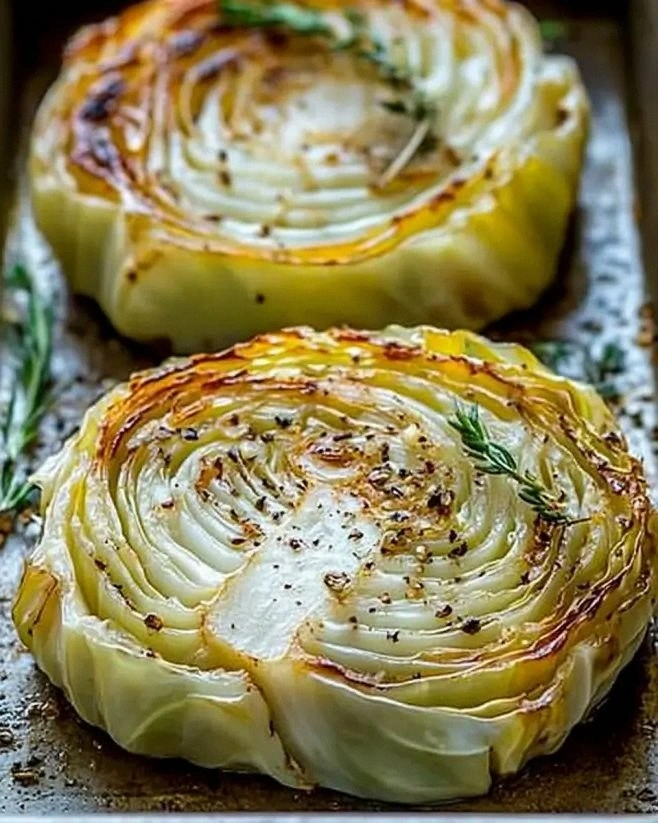
Picture this: I’m standing in my tiny kitchen, the timer on my old microwave buzzing like an impatient toddler, and I’ve just realized I’ve completely blown my dinner plans. The pan I intended to sear a steak in is suddenly occupied by a stubbornly burnt piece of toast, and my pantry only offers a lone head of cabbage that looks like it survived a war. I was about to resign to a sad bowl of instant noodles when a daring friend texted me, “Bet you can’t turn that cabbage into a main‑course masterpiece.” I laughed, accepted the challenge, and what happened next was nothing short of culinary alchemy. That night, the humble cabbage transformed into thick, caramelized “steaks” that sang with smoky depth, a tangy glaze, and a crisp that could rival the best of fried delights.
The moment the cabbage hit the hot oven, the kitchen filled with a scent that was at once earthy and sweet, like a forest after rain mixed with a hint of caramelized sugar. The olive oil sizzled as it met the cabbage’s surface, releasing a subtle pop that made my heart race faster than a drum solo. As the edges began to brown, a faint crackle echoed, promising a texture that would be both tender and delightfully crunchy—think of the perfect bite of a toasted baguette, only greener and more wholesome. The aroma grew richer with each passing minute, the smoked paprika weaving a smoky veil that made the whole house feel like a cozy bistro tucked away on a rainy street.
What sets this version apart from every other “roasted cabbage” recipe you’ve seen online is the marriage of simplicity and bold flavor. While most recipes treat cabbage as a side, I’m giving it the starring role, seasoned with a precise blend of garlic powder, onion powder, and smoked paprika that coats each slice like a seasoned armor. A splash of balsamic vinegar at the end adds a glossy finish and a sweet‑tangy punch that makes the natural sugars of the cabbage pop, turning each bite into a fireworks display on your palate. And let’s not forget the fresh parsley garnish that adds a burst of color and a herbaceous lift, making the dish look as good as it tastes.
But here’s the kicker: I’m going to reveal a secret technique that most cooks completely overlook—cutting the cabbage into thick “steaks” and letting them rest on a wire rack before roasting. This tiny tweak ensures every side gets even heat, prevents sogginess, and creates those coveted caramelized edges that shatter like thin ice under your fork. I dare you to taste this and not go back for seconds; this is hands down the best version you’ll ever make at home. Let me walk you through every single step — by the end, you’ll wonder how you ever made it any other way.
What Makes This Version Stand Out
- Flavor Explosion: The combination of garlic powder, onion powder, and smoked paprika creates a deep, layered taste that’s both smoky and savory, while the balsamic glaze adds a sweet‑tangy finish that makes each bite unforgettable.
- Texture Triumph: Thick cabbage steaks develop a caramelized crust that’s crisp on the outside yet remains tender and juicy inside, delivering a contrast that’s as satisfying as a perfect steak.
- Simplicity at Its Core: Only nine ingredients, all pantry staples, mean you can whip this up without a grocery run, proving gourmet doesn’t have to be complicated.
- Unique Presentation: The steak‑like slices look impressive on a plate, turning a humble vegetable into a show‑stopper that even meat‑eaters will admire.
- Crowd‑Pleaser Factor: Whether you’re feeding a family of picky eaters or impressing guests at a dinner party, this dish consistently earns rave reviews and empty plates.
- Ingredient Quality Matters: Using a fresh, dense green cabbage and high‑quality olive oil amplifies natural flavors, making the final product taste like it was crafted by a professional chef.
- One‑Pan Wonder: Roast on a single sheet with a wire rack, and you get a clean kitchen, minimal cleanup, and a perfectly cooked steak every time.
- Make‑Ahead Magic: The steaks reheat beautifully, retaining their crispness, so you can prep ahead for busy weeknights or potlucks.
Inside the Ingredient List
The Flavor Base
1 large head of green cabbage: This is the star of the show. Choose a cabbage that feels heavy for its size and has tightly packed leaves; the denser the head, the better the steaks will hold together. If you pick a wilted or overly soft cabbage, the slices may crumble, ruining the steak illusion. A good swap is a Savoy cabbage for a slightly milder flavor and more delicate texture, though the classic green cabbage gives the best caramelization.
The Texture Crew
1/4 cup olive oil: Olive oil is the conduit for heat and flavor. It helps the spices adhere and promotes that golden‑brown crust. If you’re watching calories, you can substitute half the olive oil with a light spray of avocado oil, but the richness will be slightly reduced. Look for extra‑virgin olive oil with a fruity note; it adds a subtle depth that plain oil can’t match.
The Unexpected Star
1 tablespoon balsamic vinegar: This is the secret weapon that transforms the roasted cabbage from ordinary to extraordinary. The acidity cuts through the natural sweetness, while the sugars in the vinegar caramelize, creating a glossy finish. If you’re out of balsamic, a splash of apple cider vinegar with a pinch of brown sugar can mimic the effect, though the flavor profile will shift toward a brighter tang.
The Final Flourish
Fresh parsley: Added at the end, parsley brings a bright, herbaceous lift that balances the richness of the oil and the depth of the spices. It also adds a pop of color that makes the dish Instagram‑ready. If parsley isn’t your thing, a sprinkle of chopped cilantro or even a few thyme leaves can provide a different aromatic twist.
Everything's prepped? Good. Let's get into the real action...
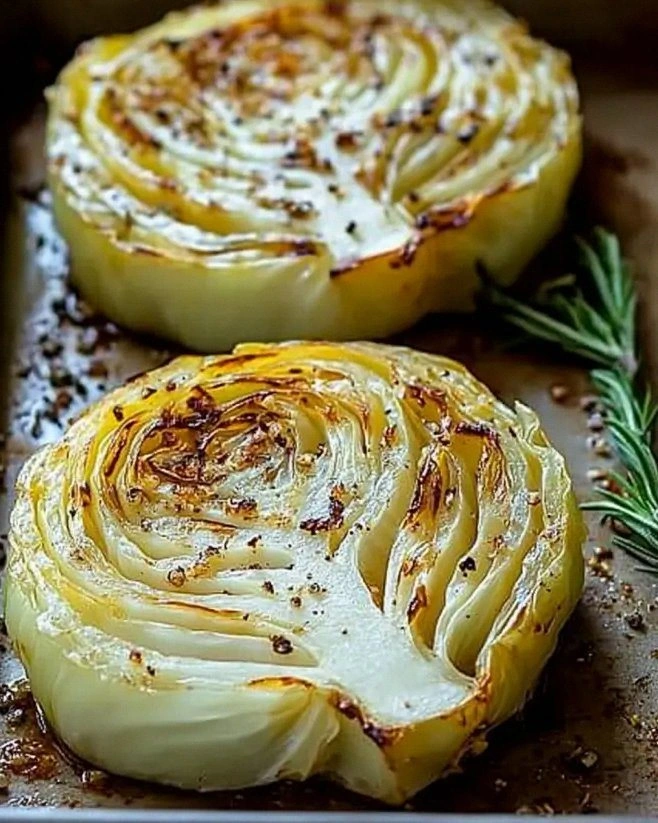
The Method — Step by Step
First, preheat your oven to 425°F (220°C). While the oven warms up, line a large rimmed baking sheet with parchment paper and place a wire rack on top. This setup is crucial because it lets the heat circulate, preventing the cabbage from sitting in its own juices and turning soggy. I like to set a timer for five minutes to make sure the oven reaches a true, steady heat before the cabbage goes in.
Now, slice the cabbage into ¾‑inch thick “steaks.” Start by cutting off the core so the leaves stay together, then slice crosswise. You’ll end up with about 4‑5 sturdy steaks from a large head. If any slices feel wobbly, gently press them together with your hand; they’ll firm up as they bake. Power transition: Okay, ready for the game‑changer?
In a small bowl, whisk together the olive oil, garlic powder, onion powder, smoked paprika, salt, black pepper, and balsamic vinegar. The mixture should look like a glossy, amber‑colored sauce. This is the flavor bomb that will coat each steak, ensuring every bite is seasoned uniformly.
Kitchen Hack: Use a silicone brush to drizzle the mixture over the cabbage; it gives you better control than pouring and prevents excess pooling on the pan.Brush both sides of each cabbage steak with the seasoned oil, making sure every crevice is covered. The oil should pool slightly in the natural valleys of the cabbage, creating pockets of caramelization later. As you brush, you’ll notice a faint aroma of spices—this is your cue that the flavor base is already doing its magic. Don’t be shy; the more evenly you coat, the better the final crust.
Arrange the steaks on the wire rack, leaving a little space between each piece. This spacing is essential; crowding the rack leads to steaming rather than roasting, and nobody wants soggy cabbage. If you have a second rack, feel free to use it, but keep the top rack at least 6 inches from the heating element to avoid burning.
Slide the sheet into the oven and roast for 20‑25 minutes, flipping the steaks halfway through. You’ll know it’s time to turn when the edges start to pull away from the pan and the surface shows deep golden speckles.
That sizzle when it hits the pan? Absolute perfection.Watch Out: Keep an eye on the paprika; it can burn quickly and turn bitter if left too long.After the final flip, let the steaks roast an additional 5‑7 minutes, or until the edges are crisped to a deep amber and the center is tender when pierced with a fork. The aroma should now be a heady mix of smoky paprika and sweet balsamic—if you’re lucky, you’ll hear a faint crackle as the caramelized sugars break.
Remove the sheet from the oven and immediately drizzle any remaining oil‑spice mixture over the hot steaks for an extra glaze. Sprinkle a generous handful of fresh parsley on top for color and a fresh herbal note. Let the steaks rest for 3‑4 minutes; this short rest lets the juices redistribute, ensuring each bite is juicy rather than dry.
Slice each steak into wedges or serve whole, depending on your plating style. Pair with a simple grain, a dollop of creamy yogurt, or enjoy straight from the plate. That first bite? Expect a crunchy edge that shatters like thin ice, followed by a sweet‑savory core that makes you sigh in delight. And now the fun part—watch your guests devour them faster than you can say “second helping.”
That's it — you did it. But hold on, I've got a few more tricks that'll take this to another level...
Insider Tricks for Flawless Results
The Temperature Rule Nobody Follows
Most home cooks set the oven to a moderate 375°F, thinking slower heat equals tenderness. In reality, the high heat of 425°F creates that coveted caramelized crust in a fraction of the time, while still cooking the interior evenly. I once tried a lower temperature and ended up with limp, soggy steaks that lacked any crunch. So crank it up, and trust the timer—those edges will pull away just when you want them to.
Why Your Nose Knows Best
Cooking is as much about scent as it is about sight. When the cabbage starts to release a sweet, nutty aroma, you’re close to the perfect caramelization point. If you notice a burnt, acrid smell, pull the pan out immediately; burnt paprika can ruin the entire flavor profile. Trust your nose—it’s the most reliable sous‑chef you’ll ever have.
The 5‑Minute Rest That Changes Everything
Resting isn’t just for steaks. Allowing the roasted cabbage to sit for five minutes after leaving the oven lets the steam settle and the juices redistribute. Skipping this step results in a dry mouthfeel, as the moisture escapes too quickly. This tiny pause is the difference between a dish that feels airy and one that feels dense.
Seasoning Layers for Maximum Punch
Instead of dumping all the spices at once, I recommend seasoning in two stages: first in the oil mixture, then a light dusting of extra smoked paprika right after roasting. This double‑layer technique intensifies the smoky flavor without overwhelming the palate. A friend tried skipping the second dusting and said the dish felt “flat”—lesson learned.
Pan Choice Matters
A heavy‑bottomed sheet pan distributes heat evenly, preventing hot spots that can scorch the edges. If you use a flimsy aluminum pan, you’ll notice uneven browning, especially near the oven walls. Investing in a good quality aluminized steel or cast‑iron sheet pan pays off in consistent results.
Creative Twists and Variations
This recipe is a playground. Here are some of my favorite ways to switch things up:
Spicy Sriracha Glaze
Swap the balsamic vinegar for an equal amount of sriracha mixed with a teaspoon of honey. The heat from the sriracha pairs beautifully with the natural sweetness of the cabbage, creating a bold, tongue‑tingling experience. Perfect for those who love a kick.
Asian Sesame Twist
Replace the smoked paprika with 1 teaspoon of toasted sesame seeds and a drizzle of soy sauce after roasting. Add a sprinkle of chopped green onions for freshness. This version feels like a side dish straight from a Korean BBQ spread.
Cheesy Parmesan Crust
After the final bake, sprinkle freshly grated Parmesan over the hot steaks and pop them under the broiler for 2‑3 minutes until bubbly and golden. The cheese adds a salty, nutty crunch that elevates the dish to comfort‑food status.
Herb‑Infused Olive Oil
Infuse the olive oil with rosemary and thyme before whisking it with the spices. The herbaceous notes bring a Mediterranean flair, making the cabbage pair wonderfully with grilled fish or lamb.
Sweet Apple Accent
Thinly slice a crisp apple and roast it alongside the cabbage, drizzling a little maple syrup over the top. The apple caramelizes, adding a sweet contrast that works beautifully in autumn gatherings.
Vegan “Cheese” Sprinkle
Use nutritional yeast mixed with a pinch of smoked paprika as a dairy‑free alternative to Parmesan. It adds a cheesy, umami depth without any animal products, keeping the dish fully vegan.
Storing and Bringing It Back to Life
Fridge Storage
Allow the cabbage steaks to cool completely, then transfer them to an airtight container. They’ll keep fresh for up to 4 days. For best texture, store them in a single layer with a piece of parchment between each steak to prevent sticking.
Freezer Friendly
Wrap each cooled steak tightly in plastic wrap, then place them in a freezer‑safe zip‑top bag. They’ll maintain quality for up to 2 months. When you’re ready to eat, thaw overnight in the fridge and re‑roast for 10 minutes at 400°F to revive the crisp edges.
Best Reheating Method
Preheat a skillet over medium‑high heat, add a splash of water (just a teaspoon), and place the steak in the pan. Cover for 2 minutes to steam, then uncover and let the edges crisp up for another 3‑4 minutes. The water creates steam that revives the interior moisture, while the direct heat restores the caramelized crust.