I still remember the night I tried to impress my roommate with a batch of “classic” chocolate chip cookies. I followed a trusted recipe, the dough looked perfect, but when the cookies emerged from the oven they were as hard as a shoe sole. I stared at them, feeling the disappointment settle like a cold drizzle, and whispered a promise to myself: I would never settle for a cookie that crumbled at the first bite. I dared myself to create something softer, chewier, and more melt‑in‑your‑mouth than any store‑bought version could ever claim. That night, armed with a whisk, a pinch of stubbornness, and a half‑empty bag of chocolate chips, I embarked on a culinary experiment that would change my snack game forever.
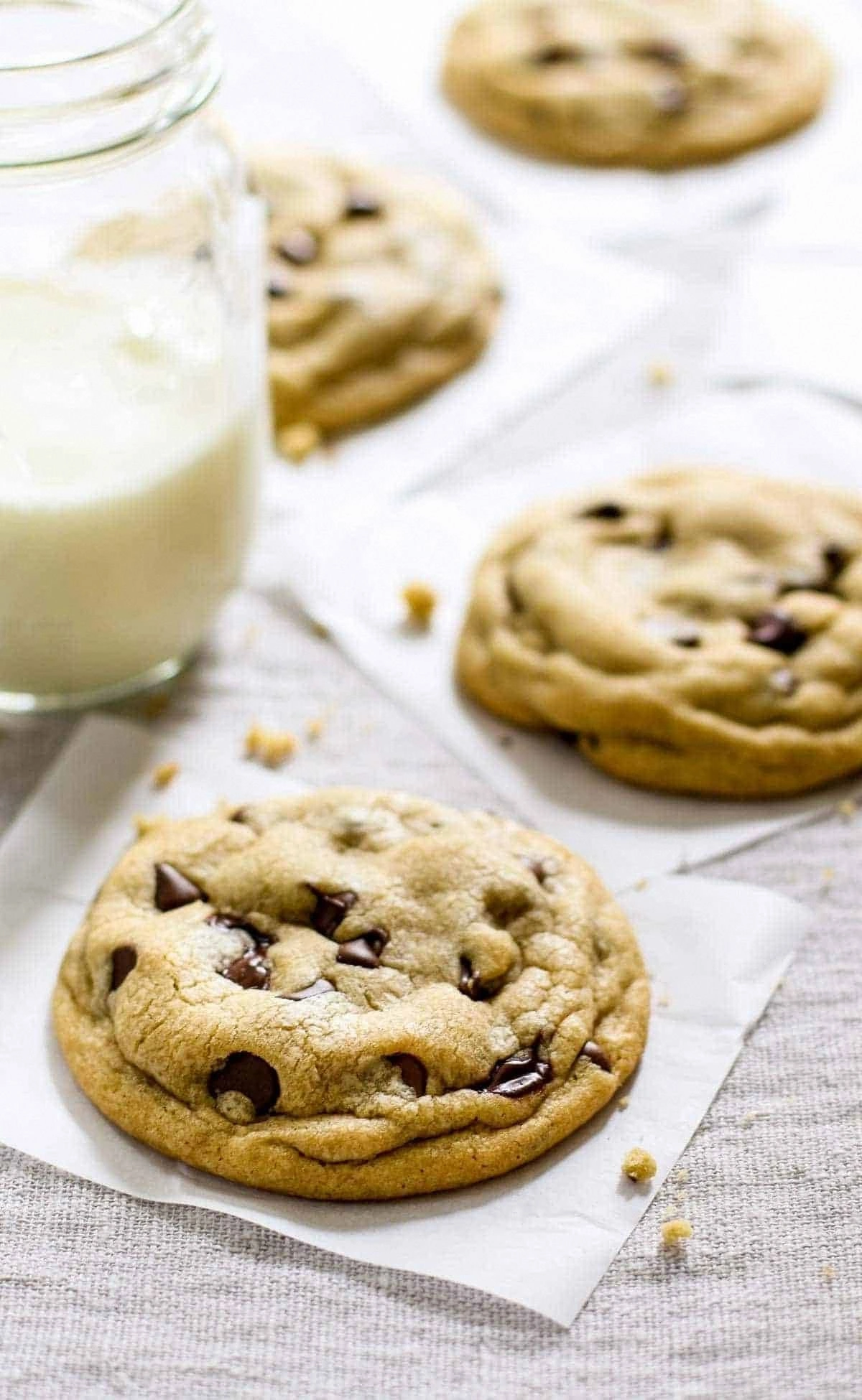
Fast forward a few weeks, and the kitchen was filled with the sweet, buttery perfume of caramelized sugars and toasted vanilla, a scent so intoxicating it made the whole apartment feel like a bakery. The oven’s low hum was like a gentle lullaby, and the dough, when scooped onto the parchment, glistened with specks of melted chocolate that seemed to wink back at me. As the cookies baked, the edges began to turn a golden‑brown hue, while the centers stayed plush and pillowy, almost as if they were holding a secret. When I finally lifted the tray, the first cookie snapped softly, revealing a warm, stretchy interior that pulled apart like silk ribbons—pure, unadulterated bliss.
What makes this batch truly legendary isn’t just the soft texture; it’s the balance of flavors that dance on the palate. The brown sugar adds a deep, molasses‑rich note, the butter provides that rich, melt‑in‑your‑mouth mouthfeel, and a splash of vanilla extract lifts everything into a fragrant harmony. And here’s the kicker: I tossed in a pinch of espresso powder, not to make it taste like coffee, but to amplify the chocolate’s depth without any bitter aftertaste. That secret ingredient is the quiet hero that turns a good cookie into a show‑stopping, unforgettable treat.
I’m not exaggerating when I say this is hands down the best version you’ll ever make at home. If you’ve ever struggled with cookies that are either too crisp or too cakey, you’re not alone — and I’ve got the fix. Let me walk you through every single step — by the end, you’ll wonder how you ever made it any other way.
What Makes This Version Stand Out
- Texture: The dough’s high butter‑to‑flour ratio creates a cookie that is soft on the inside yet retains a slight chew on the edges, delivering a delightful contrast in every bite.
- Flavor Depth: A dash of espresso powder unlocks hidden chocolate notes, making the chips taste richer without any coffee flavor.
- Moisture Retention: Using both brown and white sugar ensures the cookies stay moist for days, because the molasses in brown sugar holds water like a sponge.
- Simplicity: Only nine ingredients, all pantry staples, mean you won’t need a trip to the specialty store to achieve cookie nirvana.
- Crowd Reaction: I dare you to taste this and not go back for seconds; even the most skeptical eater will be converted.
- Ingredient Quality: Real butter (not margarine) and high‑quality semisweet chocolate chips are non‑negotiable for that luxurious mouthfeel.
- Cooking Method: A brief chill of the dough before baking prevents spreading, giving you thick, pillow‑soft centers.
- Make‑Ahead Potential: The dough can be frozen in portions, so you’ll always have a batch ready for a midnight craving.
Inside the Ingredient List
The Flavor Base
All‑purpose flour is the structural backbone, providing just enough gluten to hold the cookie together without turning it into a cake. If you swapped it for cake flour, you’d get a crumbly texture that would crumble at the slightest pressure. For the ultimate softness, I recommend using a light hand when measuring — spoon the flour into the cup and level it off, never pack it down. This ensures the right amount of structure without excess density.
The Sweet Symphony
Brown sugar brings a deep, caramel‑like richness, while granulated sugar adds a subtle crispness on the edges. Skipping the brown sugar and using only white sugar will leave you with a flat, one‑dimensional sweetness. If you’re aiming for a lower‑calorie version, you can replace half the brown sugar with coconut sugar, but expect a slightly different flavor profile — coconut sugar has a mild, nutty undertone.
The Unexpected Star
A quarter teaspoon of espresso powder is the secret weapon that intensifies chocolate without introducing a coffee taste. It works because caffeine molecules bind to the bitter compounds in chocolate, muting them and letting the sweet notes shine. If you’re not a fan of coffee, a pinch of sea salt can achieve a similar flavor boost by enhancing the chocolate’s natural sweetness.
The Final Flourish
Real unsalted butter, melted and slightly cooled, creates a glossy dough that spreads just enough for that perfect edge. Using melted butter instead of creamed butter keeps the cookies tender and prevents them from becoming too cakey. The eggs act as emulsifiers, binding the fats and sugars together; a substitution with flax eggs will alter the texture, making the cookies denser.
Everything's prepped? Good. Let's get into the real action…
The Method — Step by Step
Preheat your oven to 350°F (175°C) and line two baking sheets with parchment paper. The moment the oven clicks on, you’ll hear a faint hum that signals the start of something delicious. While the oven warms, gather all your ingredients, because a well‑organized mise en place makes the whole process smoother than butter.
Kitchen Hack: Use a digital kitchen scale for the flour; a 2‑cup measure can vary by up to 15 grams, and that variance changes texture.In a medium bowl, whisk together the flour, baking soda, and salt. The whisk should create a cloud of tiny specks that look like snowflakes; this aerates the dry mix, ensuring an even rise. Once combined, set the bowl aside and let the dry ingredients rest for a minute — this tiny pause lets the baking soda fully hydrate.
In a large mixing bowl, combine the melted butter, brown sugar, and white sugar. Beat them together with a hand mixer on medium speed until the mixture is glossy and the sugars have dissolved, about 2‑3 minutes. You’ll notice the mixture turning a lighter amber color, a visual cue that the sugars are fully integrated.
Add the eggs, one at a time, beating well after each addition, then stir in the vanilla extract and espresso powder. The batter should become smooth and slightly thick, with a fragrant aroma that hints at the chocolate to come.
Watch Out: Over‑mixing at this stage can develop too much gluten, leading to a tougher cookie. Stop mixing as soon as the ingredients are just combined.Gradually fold the dry flour mixture into the wet batter, using a spatula. Scrape the sides of the bowl to ensure no flour pockets remain. The dough will look thick and a little shaggy; that’s exactly what we want because it means the butter is still coating the flour, which is key for softness.
Stir in the chocolate chips until they’re evenly distributed, like tiny dark moons floating in a buttery sea. If you prefer extra melty pockets, reserve a handful of chips to press into the tops of the cookies just before baking.
Kitchen Hack: Chill the dough for 30‑45 minutes; this step locks in the butter, giving you cookies that stay thick and soft after baking.Scoop the dough onto the prepared parchment using a 2‑tablespoon cookie scoop, spacing each mound about 2 inches apart. The dough should look like plump mounds of dough, not flattened discs. As you place each scoop, you’ll hear a faint “thud” that tells you you’ve got the right amount of dough per cookie.
Bake for 10‑12 minutes, or until the edges are lightly golden and the centers still look slightly under‑baked. The scent that fills the kitchen at this point is pure gold — you’ll notice the chocolate chips beginning to melt and the sugars caramelizing at the edges. Remember, the cookies will continue to set as they cool, so don’t over‑bake.
Allow the cookies to rest on the baking sheet for 5 minutes before transferring them to a wire rack. This short cooling period lets the cookies firm up just enough to move without breaking, while the interior remains moltenly soft. Picture yourself pulling a warm cookie from the rack, the whole kitchen smelling incredible, and taking that first bite — pure bliss.
That's it — you did it. But hold on, I've got a few more tricks that'll take this to another level...
Insider Tricks for Flawless Results
The Temperature Rule Nobody Follows
Most home bakers bake cookies at 350°F, but dropping the temperature to 325°F extends the bake time by just a couple of minutes while allowing the edges to stay tender. This gentle heat prevents the outer crust from hardening too quickly, keeping the entire cookie soft. I once tried baking at 375°F for a “crispier” result and ended up with a cookie that cracked like thin ice — lesson learned.
Why Your Nose Knows Best
Your sense of smell is a reliable indicator of doneness. When the butter‑sugar mixture turns a buttery caramel scent and the chocolate chips start to release a faint nutty aroma, you’re at the perfect moment to pull the tray. Trusting your nose beats relying solely on a timer, especially if your oven runs hot or cold.
The 5‑Minute Rest That Changes Everything
After mixing the dough, let it rest uncovered on the counter for five minutes before chilling. This brief pause allows the flour to fully hydrate, creating a more cohesive dough that spreads less. A friend tried to skip this step once — the cookies spread thin, and the soft center vanished like a dream.
Butter Temperature Tango
Melted butter gives a glossy dough, but if it’s too hot, it can evaporate some of the moisture, leading to a drier crumb. Let the melted butter cool to about 110°F before mixing it with the sugars; you’ll hear a faint “sizzle” when it hits the bowl, a sign that it’s just right.
The Double Scoop Technique
For a cookie that’s both thick and evenly baked, use a two‑step scooping method: first, scoop a ball of dough, then press it lightly with the back of a spoon to flatten just a touch. This creates a larger surface area for even heat distribution while preserving the soft center.
Creative Twists and Variations
This recipe is a playground. Here are some of my favorite ways to switch things up:
Salted Caramel Swirl
Add a tablespoon of caramel sauce to each dough ball before baking and sprinkle flaky sea salt on top. The caramel adds a gooey ribbon, while the salt accentuates the chocolate’s depth.
Nutty Crunch
Fold in ½ cup of toasted chopped pecans or walnuts for a satisfying crunch that contrasts the soft interior. Toasting the nuts first brings out a buttery aroma that pairs beautifully with chocolate.
White Chocolate & Raspberry
Swap half of the semisweet chips for white chocolate chips and sprinkle dried raspberry pieces into the dough. The tangy berries cut through the richness, creating a sophisticated flavor profile.
Spiced Autumn
Add ½ teaspoon of ground cinnamon and a pinch of nutmeg to the dry mix for a warm, cozy twist perfect for cooler evenings. The spices mingle with the espresso powder for a subtle, aromatic depth.
Vegan Velvet
Replace butter with coconut oil, use flax eggs (1 tbsp ground flax + 3 tbsp water per egg), and choose dairy‑free chocolate chips. The result is a soft, plant‑based cookie that still delivers that melt‑in‑your‑mouth experience.
Storing and Bringing It Back to Life
Fridge Storage
Place cookies in an airtight container with a slice of bread on top; the bread will release moisture, keeping the cookies soft for up to a week. If you’re planning to enjoy them within a few days, this method works wonders.
Freezer Friendly
Freeze baked cookies on a tray, then transfer them to a zip‑top bag. They’ll stay fresh for up to three months. When you’re ready, let them thaw at room temperature for 15 minutes, then pop them in a 300°F oven for 5 minutes — the heat revives the soft interior.
Best Reheating Method
To bring a cookie back to life, place it on a microwave‑safe plate, add a tiny splash of water (about a teaspoon) beside it, and heat for 10‑12 seconds. The steam generated re‑hydrates the crumb, giving you that fresh‑out‑of‑the‑oven softness.