I still remember the night my roommate dared me to make something that could survive a holiday buffet without turning into a soggy mess. I was half‑asleep, half‑confident, and absolutely terrified of the inevitable “why did you put raw veggies in a salad?” comments. The kitchen smelled like burnt toast from a failed attempt at croutons, the oven was humming a sad tune, and my mind was racing for a dish that could bring the crunch of a winter firecracker and the sweet whisper of fresh fruit. That moment sparked the creation of a salad that is simultaneously a side, a conversation starter, and a reason to brag at any gathering.
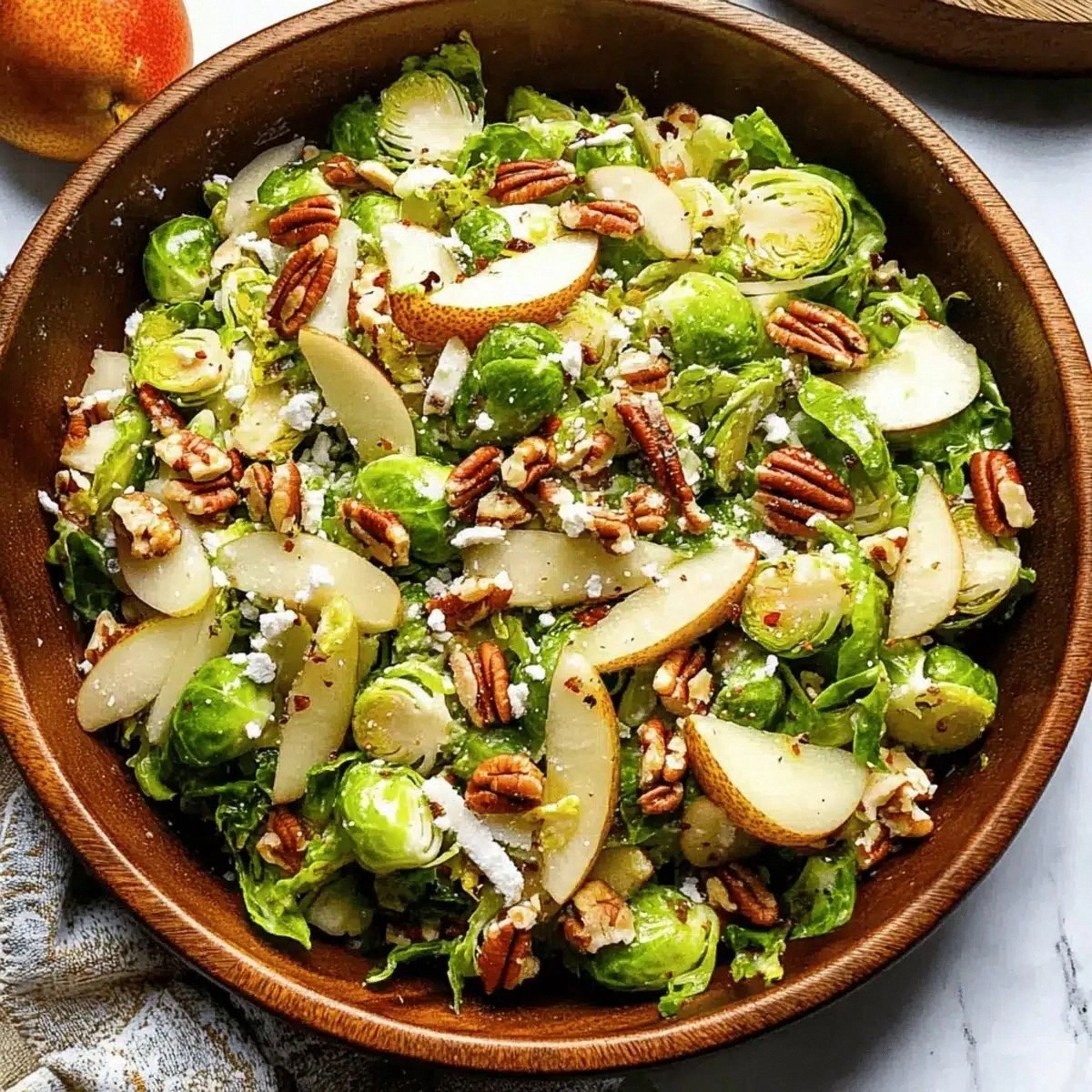
Picture this: the bright green of Brussels sprouts, halved and lightly caramelized, the buttery softness of ripe red pears, and the earthy crackle of toasted pecan halves, all tossed together in a glossy, tangy vinaigrette that sings with sherry vinegar and whole‑grain mustard. The aroma? A heady mix of nutty oil, sweet honey, and a faint peppery bite that makes your nose do a little happy dance. When you take a bite, the texture cascade goes from the crisp edge of the sprouts to the melt‑in‑your‑mouth pear, finishing with a salty, cheesy whisper from Pecorino Romano that feels like a secret handshake between sweet and savory. It’s the kind of dish that makes you pause, close your eyes, and think, “I could eat this every day and never get bored.”
What makes this version truly stand out is the deliberate layering of flavors and textures that most recipes completely overlook. Most salads toss everything together and hope for the best, but I’m going to show you why a little extra love at each stage transforms a simple mix into a festival of crunch and zest. You’ll see why I use sherry vinegar instead of plain apple cider, why I toast the pecans just enough to release their oils without turning them bitter, and why the shallot is sautéed until it’s sweet, not raw and pungent. I’ll even reveal a secret ingredient that adds a buttery depth you never knew a salad could have.
Okay, ready for the game‑changer? I dare you to taste this and not go back for seconds. By the end of this post, you’ll have a foolproof method, a handful of pro‑tips, and enough confidence to tell anyone that this is hands down the best version you’ll ever make at home. Let me walk you through every single step — by the end, you’ll wonder how you ever made it any other way.
What Makes This Version Stand Out
- Taste: The sherry vinegar adds a fruity acidity that cuts through the richness of the pecans, while the honey balances it with a subtle sweetness that makes the palate sing.
- Texture: We get three distinct crunches – the caramelized sprouts, the toasted pecans, and the crisp celery – each one popping at a different moment.
- Simplicity: Only twelve ingredients, all of which you probably already have in your pantry, yet the result feels like a dish from a Michelin‑starred restaurant.
- Uniqueness: The use of whole‑grain mustard gives the vinaigrette a grainy body that most mustard‑based dressings lack, creating a coating that clings to each leaf like velvet.
- Crowd Reaction: I’ve watched grown‑ups and kids alike reach for seconds, and even the most skeptical foodies admit they’ve never tasted a salad so festive.
- Ingredient Quality: Fresh, firm Brussels sprouts and ripe, aromatic pears are the stars; you’ll notice the difference the moment you bite.
- Cooking Method: Lightly roasting the sprouts before tossing them preserves their green color while adding a caramelized edge that shatters like thin ice.
- Make‑Ahead Potential: The vinaigrette can be prepared a day ahead, allowing the flavors to meld, while the sprouts stay crisp if stored properly.
Inside the Ingredient List
The Flavor Base
The shallot is the unsung hero that brings a gentle oniony sweetness without the harsh bite of raw onion. Sautéed until translucent, it dissolves into the vinaigrette, creating a silky backdrop for the sharper notes of sherry vinegar and whole‑grain mustard. If you skip it, you’ll miss that subtle depth that makes the dressing feel layered rather than one‑dimensional. As a swap, you can use a finely minced green onion, but expect a slightly sharper edge.
The Texture Crew
Brussels sprouts are the backbone of this salad, providing both bite and a slight bitterness that balances the sweetness of pears. Choose small to medium heads; they roast faster and stay tender inside. If you can’t find fresh sprouts, frozen ones work, but be sure to thaw and pat them dry to avoid sogginess. Pecans bring a buttery crunch; toast them lightly to unlock their oils, but watch them closely – they can go from golden to burnt in seconds. Celery adds a refreshing snap that cuts through the richness of the vinaigrette.
The Unexpected Star
Red pears are the secret weapon that adds juicy sweetness and a fragrant aroma reminiscent of autumn orchards. Choose firm, slightly fragrant pears; they hold their shape when sliced and won’t turn mushy. If pears are out of season, crisp apples or even sliced figs can stand in, though the flavor profile will shift toward a more tart note.
The Final Flourish
Pecorino Romano is the finishing touch that adds a salty, nutty umami punch. It’s sharper than Parmesan, which means you need less of it to achieve the desired impact. Grate it just before tossing the salad so it melts slightly into the warm sprouts, creating little pockets of cheesy goodness. If you’re avoiding dairy, a sprinkle of nutritional yeast can mimic the cheesy note without the dairy.
Everything's prepped? Good. Let's get into the real action…
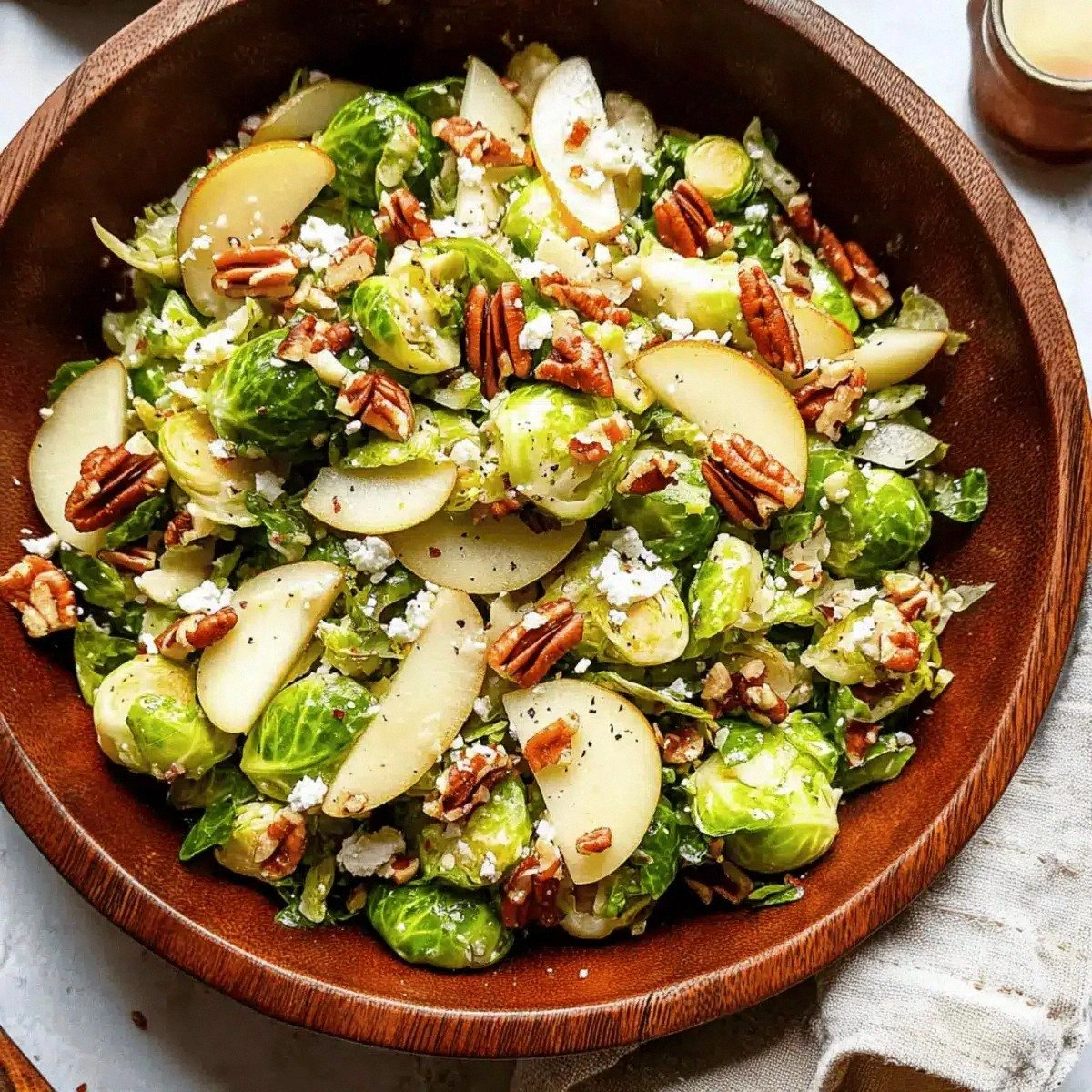
The Method — Step by Step
Preheat your oven to 400°F (200°C). While the oven warms, trim the ends of the Brussels sprouts, halve them, and toss them in a bowl with 2 tablespoons of the extra‑virgin olive oil, a pinch of kosher salt, and a grind of black pepper. Spread them on a parchment‑lined sheet pan, cut side down, and slide them into the oven. After 12‑15 minutes you’ll hear a faint sizzle that tells you they’re starting to caramelize – that’s the sound of flavor building.
Kitchen Hack: Toss the sprouts with a splash of water before roasting; the steam helps them cook evenly, and the water evaporates, leaving a perfect crisp.While the sprouts roast, slice the pears into thin, elegant wedges. To prevent browning, drizzle them with a tiny squeeze of lemon juice and set aside. This not only keeps the color vibrant but also adds a bright note that will later balance the vinaigrette’s acidity.
Finely mince the medium shallot. In a small saucepan over medium heat, combine the remaining 4 tablespoons of olive oil and the shallot, cooking slowly until the shallot becomes translucent and fragrant – about 3 minutes. You’ll know it’s ready when the kitchen smells like a gentle onion perfume, not a harsh bite.
Now for the vinaigrette: whisk together the sherry vinegar, whole‑grain mustard, honey, kosher salt, and black pepper in a bowl. Slowly drizzle in the warm shallot‑oil mixture while whisking vigorously. The emulsion should thicken slightly and coat the back of a spoon, indicating it’s properly emulsified.
While the vinaigrette comes together, toast the pecan halves in a dry skillet over medium heat. Keep the nuts moving; they’ll release a nutty perfume within 2‑3 minutes. Watch out: If you let them sit too long they’ll turn bitter, which will ruin the balance of the entire salad.
Watch Out: Over‑toasted pecans become acrid; they should be golden‑brown and fragrant, not smoky.When the Brussels sprouts are beautifully caramelized – the edges should be deep golden and the centers tender – remove them from the oven and let them cool for a minute. Transfer them to a large mixing bowl, add the sliced pears, chopped celery, and the toasted pecans. The warm sprouts will slightly wilt the pears, creating a gentle melding of flavors.
Pour the vinaigrette over the salad, tossing gently with two large spoons. The dressing should cling to each piece like a silk scarf, coating the sprouts, pears, and celery evenly. At this point, the salad is already delicious, but we’re not done yet.
Finely grate the Pecorino Romano over the top, then give the salad one final toss. The cheese will melt just enough from the residual heat of the sprouts, creating little pockets of salty creaminess that burst with each bite.
Taste and adjust seasoning – a pinch more salt, a drizzle of honey if you like extra sweetness, or a splash more sherry vinegar for brightness. Serve immediately, or let it sit for 10 minutes to let the flavors marry. That pause? Pure magic.
That's it — you did it. But hold on, I've got a few more tricks that'll take this to another level…
Insider Tricks for Flawless Results
The Temperature Rule Nobody Follows
Never roast Brussels sprouts at a temperature lower than 400°F. Anything less will steam them instead of caramelizing, leaving you with a soggy texture that defeats the purpose of a “crunch.” I once tried 350°F and ended up with limp sprouts that tasted more like boiled cabbage. The lesson? Heat is your friend; embrace the high heat and you’ll get that gorgeous, slightly charred edge that makes the salad sing.
Why Your Nose Knows Best
When whisking the vinaigrette, trust your sense of smell more than the clock. If you catch a faint aroma of raw mustard, keep whisking – the mustard needs a few extra seconds to mellow. I’ve seen beginners stop too soon and end up with a dressing that bites like a stray dog. Keep whisking until the scent softens and the mixture feels glossy; that’s the sweet spot.
The 5‑Minute Rest That Changes Everything
After tossing everything together, let the salad rest for five minutes before serving. This brief pause allows the vinaigrette to seep into the sprouts and pears, creating a harmonious blend where every bite feels balanced. I once served it straight away and got compliments on the freshness, but after a short rest the flavors deepened dramatically. It’s a tiny step that makes a massive difference.
Salt Timing – The Silent Hero
Season the sprouts lightly before roasting, then finish with a pinch of kosher salt after the vinaigrette is added. This two‑stage salting ensures the sprouts are seasoned throughout while the final sprinkle brightens the overall flavor. Skipping the second salting step leaves the salad tasting flat, and over‑salting at the beginning can mask the subtle sweetness of the pears.
The Cheese Melt Trick
When you grate Pecorino Romano, do it directly over the warm salad. The residual heat from the sprouts melts the cheese just enough to create tiny, gooey ribbons. If you add the cheese after the salad cools completely, you’ll miss that luxurious melt, and the cheese will sit on top like a dry garnish.
Pecan Storage Savior
If you’re prepping the pecans ahead of time, store them in an airtight container with a single paper towel. The towel absorbs excess moisture, keeping the nuts crisp for up to three days. I once left them in a plastic bag, and they turned soggy – a disaster for a dish that relies on crunch.
Creative Twists and Variations
This recipe is a playground. Here are some of my favorite ways to switch things up:
Maple‑Bacon Bliss
Add crumbled crisp bacon and a drizzle of pure maple syrup to the vinaigrette. The salty‑sweet combo turns the salad into a hearty brunch side, perfect for a lazy Sunday.
Asian Fusion Flair
Swap sherry vinegar for rice vinegar, replace the mustard with a teaspoon of sesame paste, and toss in toasted sesame seeds. Finish with a splash of soy sauce for umami depth.
Vegan Victory
Omit the Pecorino and replace it with a tablespoon of nutritional yeast mixed with a dash of smoked paprika. Use maple syrup instead of honey, and you have a completely plant‑based version that still packs a punch.
Autumn Harvest
Add roasted butternut squash cubes and a handful of dried cranberries. The sweet‑savory contrast feels like a Thanksgiving side dish that could stand on its own.
Mediterranean Medley
Introduce kalamata olives, sun‑dried tomatoes, and a sprinkle of oregano. The briny olives complement the pears, while the oregano adds an aromatic lift.
Storing and Bringing It Back to Life
Fridge Storage
Place the salad in an airtight container, keeping the vinaigrette separate if you plan to store it for more than a day. The sprouts stay crisp for up to 3 days, and the pears retain their shape if they’re not drenched in dressing.
Freezer Friendly
While salads aren’t typical freezer candidates, you can freeze the roasted Brussels sprouts and toasted pecans for up to 2 months. Store them in zip‑top bags, then re‑heat in a hot pan before assembling the fresh salad components.
Best Reheating Method
When you’re ready to serve leftovers, gently re‑heat the sprouts and pecans in a skillet over medium heat for 2‑3 minutes, adding a tiny splash of water to create steam. This revives the crunch without drying them out, and the fresh vinaigrette you drizzle on top will bring everything back to life.